
Understanding the operating hours of the stock market is a fundamental requirement for anyone looking to navigate the world of personal finance and investing. While the digital age makes it seem as though commerce never sleeps, the major stock exchanges operate within strictly defined windows. For investors, these hours dictate when liquidity is highest, when volatility is most predictable, and when the most significant price discoveries occur.
For the vast majority of retail investors in the United States, the primary focus is on the New York Stock Exchange (NYSE) and the NASDAQ. However, the modern financial landscape also includes extended-hours sessions and a global network of international exchanges that allow for a near-continuous cycle of trading.
The Standard Trading Day in the United States
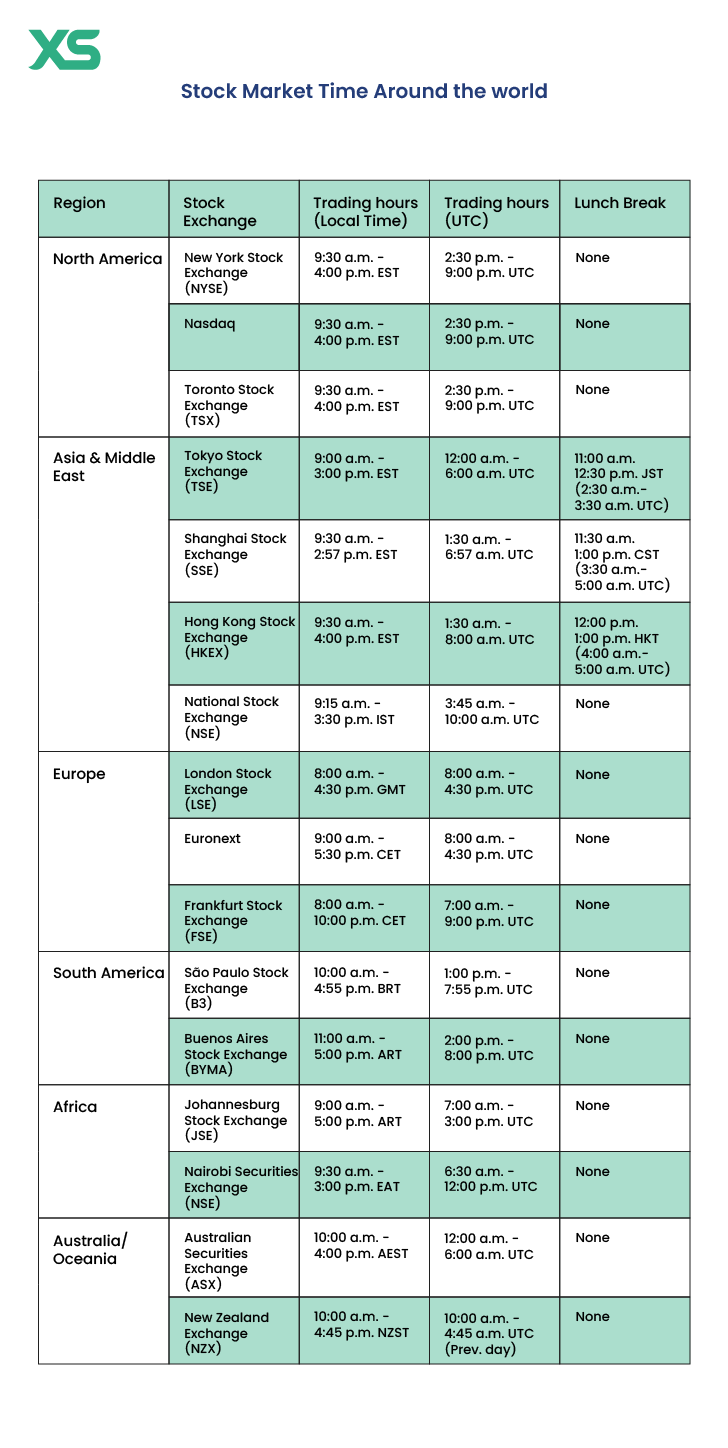
The standard trading session for the U.S. equity markets is the heartbeat of the global financial system. For the NYSE and the NASDAQ, the regular trading hours are from 9:30 a.m. to 4:00 p.m. Eastern Time (ET), Monday through Friday.
The Significance of the Opening Bell
The 9:30 a.m. ET opening bell marks the beginning of the most active period of the day. This first hour of trading is often characterized by high volatility as the market absorbs news, earnings reports, and global events that occurred overnight. Institutional investors and algorithmic traders often execute large blocks of trades during this window, leading to significant price swings. For the individual investor, this period offers high liquidity but requires a cautious approach due to the rapid pace of price changes.
The Mid-Day Lull
Between 12:00 p.m. and 2:00 p.m. ET, the market often experiences what is known as the “mid-day lull.” During this time, trading volume typically decreases as institutional traders take breaks and the initial morning momentum fades. While trading remains continuous, price movements are often more subtle, and the bid-ask spreads may widen slightly due to lower volume. This is often viewed as a period of consolidation before the final push toward the close.
The Power of the Closing Cross
The final hour of trading, from 3:00 p.m. to 4:00 p.m. ET, is arguably the most critical for fund managers and long-term investors. As the 4:00 p.m. closing bell approaches, volume surges again. This is when the “closing cross” occurs—a process where the exchange matches buy and sell orders to determine the official closing price of a security. Because many mutual funds and ETFs are valued based on these closing prices, the activity during this window is immense.
Extended-Hours Trading: Pre-Market and After-Hours
In the past, the 4:00 p.m. bell signaled the end of the day for everyone. Today, however, technology allows for extended-hours trading, which occurs outside the standard 9:30 a.m. to 4:00 p.m. window. This is made possible through Electronic Communication Networks (ECNs), which automatically match buy and sell orders without a physical exchange floor.
The Pre-Market Session
Pre-market trading in the U.S. can begin as early as 4:00 a.m. ET and runs until the official open at 9:30 a.m. ET. Most retail brokerages, however, grant access to pre-market trading starting at 7:00 a.m. or 8:00 a.m. ET. This session is primarily used by investors to react to overnight news, such as international economic data or early-morning corporate announcements.
The After-Hours Session
After-hours trading begins immediately at 4:00 p.m. ET and can run as late as 8:00 p.m. ET. This is a critical window for corporate finance, as the vast majority of publicly traded companies release their quarterly earnings reports shortly after the closing bell. This prevents extreme volatility from interrupting the standard trading session and gives investors time to process complex financial statements.
Risks and Considerations for Extended Trading
While the ability to trade at 7:00 p.m. offers flexibility, it comes with distinct risks that every personal finance enthusiast should understand:
-
Lower Liquidity: Far fewer participants are active during these hours, meaning it can be harder to enter or exit a position at a desired price.
-
Wider Spreads: Because there is less volume, the difference between the “bid” (what a buyer will pay) and the “ask” (what a seller wants) is often much wider, effectively increasing the cost of the trade.
-
Increased Volatility: With fewer shares being traded, a single large order can move a stock’s price significantly more than it would during regular hours.
The Global Clock: International Market Schedules
For the diversified investor, the sun never truly sets on the stock market. Because we live in a globalized economy, developments in London, Tokyo, or Hong Kong can have a profound impact on U.S. portfolios. Understanding the hours of international exchanges is vital for those who invest in foreign ADRs (American Depositary Receipts) or global ETFs.

European Markets
The London Stock Exchange (LSE), one of the world’s oldest and most influential, operates from 8:00 a.m. to 4:30 p.m. local time (GMT/BST). For an investor on the East Coast of the U.S., the London market opens at 3:00 a.m. ET and closes at 11:30 a.m. ET. This means there is a significant overlap between the European afternoon and the U.S. morning, which is often the most liquid time for global currency and equity markets.
Asian Markets
The Asian markets provide the first glimpse of how global sentiment is shifting for the new calendar day.
-
Tokyo Stock Exchange (TSE): Operates from 9:00 a.m. to 3:00 p.m. local time, with a lunch break from 11:30 a.m. to 12:30 p.m.
-
Hong Kong Stock Exchange (HKEX): Operates from 9:30 a.m. to 4:00 p.m. local time, also featuring a mid-day break.
For U.S. investors, these markets typically trade during the late evening and early morning hours (e.g., 8:00 p.m. to 3:00 a.m. ET).
The Concept of the “Inter-Market” Period
The hours between the U.S. close (8:00 p.m. ET) and the Asian open represent a brief period of relative quiet in the equity world, though the Foreign Exchange (Forex) market remains open 24 hours a day during the work week. Understanding this cycle helps investors realize that “market hours” are a relative concept based on geography.
Market Holidays and Early Closures
Just as important as knowing when the market is open is knowing when it is closed. The U.S. stock markets follow a schedule of federal holidays, but they do not always align perfectly with bank holidays or other government schedules.
Standard Market Holidays
The NYSE and NASDAQ are closed on the following holidays:
-
New Year’s Day
-
Martin Luther King, Jr. Day
-
Presidents’ Day
-
Good Friday
-
Memorial Day
-
Juneteenth National Independence Day
-
Independence Day
-
Labor Day
-
Thanksgiving Day
-
Christmas Day
If a holiday falls on a Saturday, the market usually closes on the preceding Friday. If it falls on a Sunday, the market closes on the following Monday.
Early Closures
There are specific days when the market closes early, typically at 1:00 p.m. ET. These usually include the day after Thanksgiving (Black Friday) and sometimes Christmas Eve or the day before Independence Day, depending on which day of the week they fall. During these shortened sessions, trading volume is notoriously low, and many institutional desks are thinly staffed.
Managing Your Portfolio During Closures
For a personal finance strategy, market closures are a time for reflection rather than action. It is important to remember that while the “market” is closed, news does not stop. Geopolitical events or economic shifts that occur over a long holiday weekend can lead to a “gap” in prices—where the market opens on Tuesday at a significantly different price than it closed on Friday. Investors use “limit orders” to protect themselves from these gaps, ensuring they don’t buy or sell at an unfavorable price during the opening volatility.
Strategic Implications of Trading Hours
The hours you choose to engage with the market should align with your broader financial goals and your risk tolerance. Different phases of the trading day offer different opportunities.
For the Long-Term Investor
If your strategy is built on long-term wealth accumulation through index funds or “buy and hold” equities, the specific hour of the day is less relevant than “time in the market.” However, executing trades during the mid-day period or near the close is generally recommended to ensure you are getting a price that reflects the current consensus of the broad market, rather than the outlier volatility of the pre-market.
For the Income Seeker and Active Trader
Those looking for short-term gains or managing active side hustles in trading often thrive on the volatility of the first and last hours of the day. The high volume allows for quick entries and exits. Conversely, those selling options for income may prefer the stability of the mid-day session to avoid being “stopped out” by a temporary price spike.

The Role of Automation and Financial Tools
In the modern era, you do not need to be sitting at your desk when the market opens. Financial tools and brokerage apps allow you to set “Good ‘Til Canceled” (GTC) orders that remain active until they are filled or you manually cancel them. You can also set alerts that trigger when the market enters its final hour of trading, allowing you to check your portfolio’s performance before the daily official prices are set.
By mastering the clock of the financial world, you transition from a passive observer to a strategic participant. Whether you are managing a corporate retirement account, a personal brokerage portfolio, or a business’s cash reserves, knowing exactly when the doors open and close is the first step toward disciplined financial management.
aViewFromTheCave is a participant in the Amazon Services LLC Associates Program, an affiliate advertising program designed to provide a means for sites to earn advertising fees by advertising and linking to Amazon.com. Amazon, the Amazon logo, AmazonSupply, and the AmazonSupply logo are trademarks of Amazon.com, Inc. or its affiliates. As an Amazon Associate we earn affiliate commissions from qualifying purchases.