
The question “what hotel was used in The Shining?” is more than a piece of film trivia; it is a gateway into a masterclass on brand identity, location marketing, and the enduring power of cinematic association. In the world of brand strategy, few assets are as potent—or as complex to manage—as a physical location that has been immortalized by a cult classic.
When audiences search for the hotel from Stanley Kubrick’s 1980 masterpiece, they aren’t just looking for a building; they are looking for a brand experience. However, the answer is famously divided between the Timberline Lodge in Oregon and the Stanley Hotel in Colorado. This duality presents a unique case study in how corporate identity can be shaped, transformed, and even overshadowed by the narratives of popular culture.

The Tale of Two Hotels: Deciphering the Overlook’s Dual Brand Identity
In branding, clarity is usually king. However, the “Overlook Hotel” brand is built on a foundation of architectural schizophrenia. To understand the brand strategy at play, one must distinguish between the inspiration, the exterior, and the set—all of which contribute to a fragmented yet powerful global image.
The Timberline Lodge: The Architectural Face of Horror
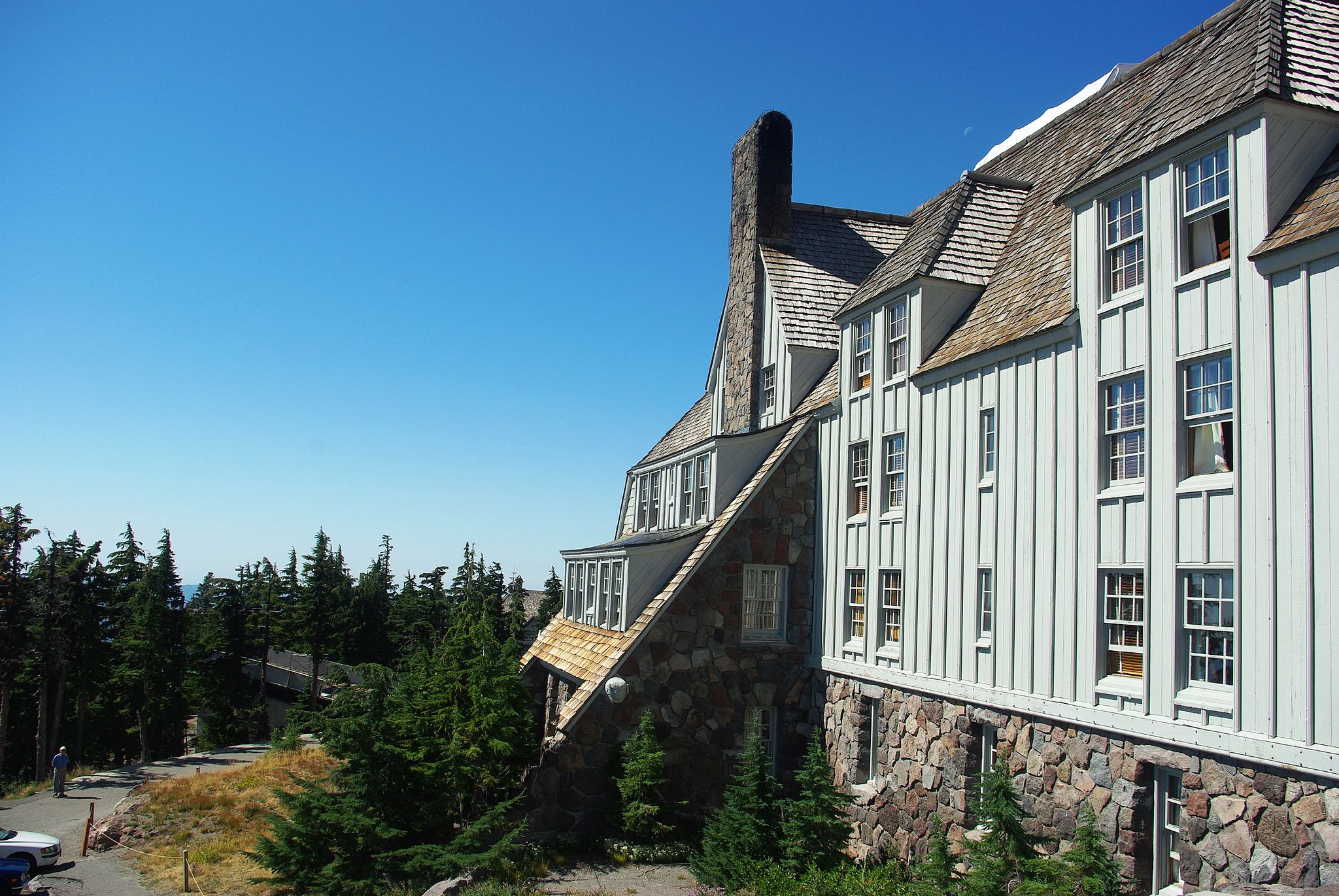
For the casual viewer, the Timberline Lodge in Mount Hood, Oregon, is the Overlook Hotel. Its imposing, symmetrical exterior served as the backdrop for Kubrick’s wide shots, instantly embedding its silhouette into the collective consciousness. From a brand management perspective, the Timberline Lodge faced a significant strategic hurdle: how does a family-friendly ski resort reconcile its identity with a film about isolation and madness?
The lodge’s management initially feared that the film’s depiction would deter guests. Famously, they requested that Kubrick not use Room 217 (the room in Stephen King’s novel), fearing guests would never stay there again. Kubrick changed it to the non-existent Room 237. Paradoxically, this caution paved the way for a long-term branding win. Today, the Timberline Lodge leans into its cinematic heritage with a sophisticated balance, maintaining its status as a premier alpine destination while acknowledging its role in film history as a subtle “prestige” marker.
The Stanley Hotel: The Spiritual Origin and Experiential Branding
While the Timberline provided the face, the Stanley Hotel in Estes Park, Colorado, provided the soul. It was Stephen King’s stay here that inspired the original novel. Unlike the Timberline, the Stanley Hotel has leaned aggressively into its “Shining” brand association.
The Stanley’s brand strategy is rooted in “experiential marketing.” They don’t just sell rooms; they sell the “Redrum” experience. By hosting horror film festivals, offering “ghost tours,” and even planting a hedge maze (which was not in the original hotel but was a key element of the movie), the Stanley has successfully pivoted from a fading historic hotel to a global pilgrimage site for “Dark Tourism.” This is a prime example of a brand embracing a narrative it did not create to revitalize its commercial relevance.
Leveraging Infamy: The Strategic Marketing of Dark Tourism
The association with The Shining falls under a niche but highly profitable marketing segment known as “Dark Tourism.” For a brand, being associated with something frightening or unsettling is a high-risk, high-reward strategy. It requires a nuanced understanding of consumer psychology—specifically, why people are drawn to places of fictionalized trauma.
Navigating the “Haunted” Brand Narrative
In traditional brand strategy, “fear” is an emotion to be avoided. However, for the hotels associated with The Shining, fear is a commodity. The strategic pivot involves moving the brand narrative from “dangerous” to “mysterious.”
By positioning the hotel as a site of cinematic mystery, the brand attracts a demographic that values storytelling over traditional luxury. The marketing collateral for these locations often uses atmospheric photography, low-key lighting, and cryptic copy to lean into the “Overlook” aesthetic. This creates a feedback loop: the more the brand reinforces the movie’s atmosphere, the more the movie reinforces the brand’s prestige.
Curating the Guest Experience: From Hedonic Fear to Luxury
The challenge for a “Shining-associated” brand is maintaining a luxury standard while catering to horror fans. If the brand leans too far into the horror, it loses the high-end traveler. If it ignores the movie, it loses the fans.
The successful strategy employed by these locations is “Atmospheric Layering.” This involves keeping the core brand (luxury resort) intact while layering “Shining” touchpoints throughout the guest journey. This might include a specific cocktail at the bar (the “Sidewinder”), a themed gift shop, or subtle interior design nods to the 1970s carpet patterns. This allows the guest to choose their level of immersion, a hallmark of sophisticated brand architecture.
The Power of Place Branding in Modern Media
The hotels used in The Shining demonstrate how a physical location can become a “transmedia brand”—an identity that exists across books, films, and physical reality. This phenomenon offers critical lessons for modern brand managers looking to anchor their corporate identity in the minds of a global audience.
Visual Anchors in Corporate Identity
The “Overlook Hotel” is one of the most recognizable “fictional brands” in history because of its visual anchors: the carpet, the elevators, and the grand staircase. In brand strategy, a visual anchor is a design element so distinct that it can represent the entire brand without a logo.
Companies like Apple or Nike use this effectively, but the Shining hotels show that architecture can serve the same purpose. When a brand identifies a “visual hero”—be it a specific building or a unique design motif—it should protect and promote that element above all else. The Timberline’s exterior is now a piece of intellectual property in its own right, proving that the silhouette of a product can be as valuable as its function.
Consistency vs. Creativity in Brand Storytelling
One of the tensions in the Shining brand ecosystem is the difference between Stephen King’s vision and Stanley Kubrick’s execution. The Stanley Hotel aligns with the King brand, while the Timberline aligns with the Kubrick brand.
For modern businesses, this highlights the importance of “Narrative Consistency.” A brand must decide which version of its story it wants to tell. However, the Shining case study suggests that “Narrative Plurality”—allowing different versions of the brand story to coexist—can actually expand the market. By having two different hotels represent different facets of the same story, the “Shining” brand occupies more mental real estate in the consumer’s mind.
Protecting the Legacy: Intellectual Property and Brand Longevity
As we move further away from the 1980 release of the film, the brand strategy for these hotels must evolve. How does a brand maintain relevance when its primary claim to fame is decades old? The answer lies in the proactive management of legacy and the careful navigation of intellectual property.
Licensing the Macabre
The branding of these locations is inextricably linked to the intellectual property (IP) owned by Warner Bros. and the Stephen King estate. A significant part of the brand strategy for these hotels involves “co-branding.”
The Stanley Hotel, for instance, has collaborated on official screenings and museum exhibits. This formalizes the brand association, moving it from “the hotel that inspired the book” to “the official home of the experience.” For any business built on a legacy or a historical event, securing official partnerships is crucial for protecting the brand against imitators and maintaining an aura of authenticity.

Evolving the Brand for the 21st Century
To stay relevant, the brands associated with The Shining have had to modernize. This includes leveraging social media to encourage user-generated content (UGC). The “Grand Staircase” at the Stanley is one of the most Instagrammed locations in Colorado.
The brand strategy here is to turn the guest into a brand ambassador. By providing the perfect “cinematic” backdrop, the hotels ensure that their brand identity is constantly refreshed by new generations of fans. They aren’t just selling a room; they are selling a “set” where the guest is the protagonist. This shift from passive observation to active participation is the future of high-end location branding.
In conclusion, the question of which hotel was used in The Shining reveals a complex web of brand identities that have successfully navigated the line between fiction and reality. Through strategic “dark tourism” marketing, the preservation of visual anchors, and the evolution of legacy branding, the Timberline Lodge and the Stanley Hotel have ensured that their identities remain as immortal as the film itself. For brand strategists, the lesson is clear: a powerful narrative, when anchored to a physical location, can create a brand that thrives for decades, regardless of the ghosts—fictional or otherwise—that may linger in the halls.
aViewFromTheCave is a participant in the Amazon Services LLC Associates Program, an affiliate advertising program designed to provide a means for sites to earn advertising fees by advertising and linking to Amazon.com. Amazon, the Amazon logo, AmazonSupply, and the AmazonSupply logo are trademarks of Amazon.com, Inc. or its affiliates. As an Amazon Associate we earn affiliate commissions from qualifying purchases.