
For decades, film enthusiasts and travelers alike have asked a deceptively simple question: What hotel was used in the movie The Shining? While a casual viewer might expect a singular answer, the reality is a complex study in brand identity, location marketing, and the power of cinematic association. The “Overlook Hotel” is not a single physical entity, but a composite brand built from the DNA of several locations, each of which has leveraged its association with Stanley Kubrick’s 1980 masterpiece to create a multi-million dollar legacy in the hospitality industry.

To understand the branding behind The Shining, one must look past the jump scares and delve into how a fictional haunted establishment became one of the most recognizable “brands” in horror history, and how two real-world hotels—the Timberline Lodge and The Stanley Hotel—navigated the marketing opportunities and challenges that came with it.
The Tale of Two Icons: Distinguishing the Timberline Lodge and The Stanley Hotel
In the world of brand strategy, clarity is usually king. However, for the hotels associated with The Shining, a certain level of mystique and geographic confusion has actually bolstered their brand equity. To answer the question of which hotel was used, we must separate the visual exterior from the spiritual inspiration.
The Exterior Aesthetic: Timberline Lodge’s Brand Association
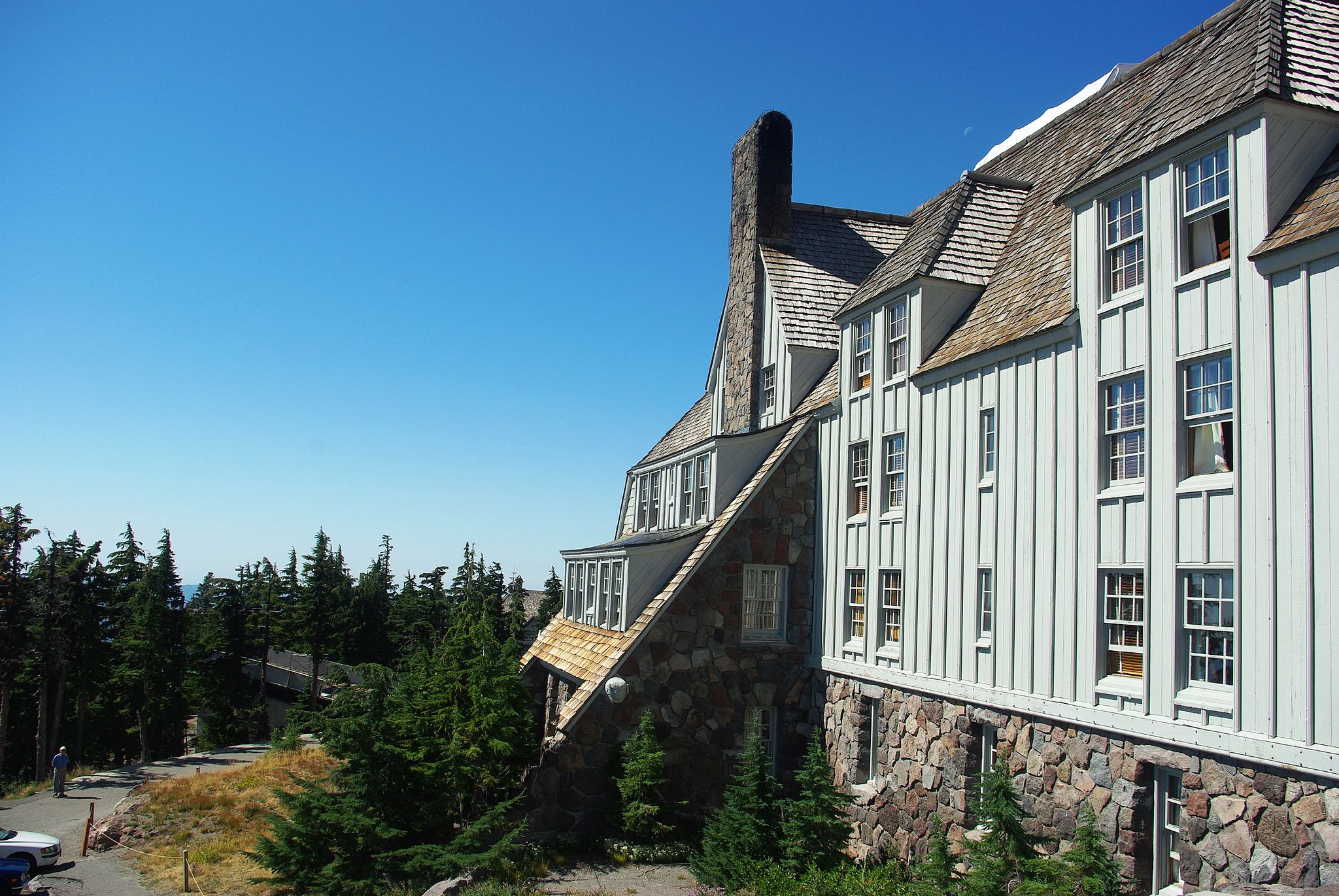
The massive, imposing structure seen in the sweeping aerial shots of the film’s opening sequence is the Timberline Lodge, located on Mount Hood in Oregon. Kubrick’s production team chose this location for its isolated, rugged grandeur. From a branding perspective, the Timberline Lodge represents the “face” of the Overlook.
For the Lodge, this association was a double-edged sword. At the time of filming, the management was concerned that the movie’s plot—involving a caretaker going insane and attempting to murder his family—would damage the hotel’s reputation as a family-friendly ski destination. This led to a famous branding negotiation: the hotel requested that Kubrick not use “Room 217” (the room featured in Stephen King’s novel) because they feared guests would be too frightened to stay there. Kubrick complied, changing the cursed room to “Room 237,” a room number that did not exist at the Timberline. Decades later, this move proved to be an accidental masterstroke in scarcity marketing; Room 237 is now one of the most searched-for non-existent locations in the world.
The Origin Story: How The Stanley Hotel Became the Spiritual Blueprint
While the Timberline provided the exterior, it was The Stanley Hotel in Estes Park, Colorado, that provided the brand’s soul. Stephen King, the author of the original novel, stayed at The Stanley in 1974 when it was a fading relic of the Edwardian era. The experience of being the only guests in a sprawling, 140-room hotel inspired the story.
The Stanley’s brand strategy has leaned much more heavily into The Shining than the Timberline. While the Timberline remains a premier ski resort first and a film location second, The Stanley has transformed itself into a hub for horror tourism. They have embraced the “haunted” brand identity, offering ghost tours, hosting horror film festivals, and even planting a hedge maze on the grounds—despite the fact that the hedge maze was a creation for the film and did not exist at the hotel that inspired the book.
Cinematic Branding: How Stanley Kubrick Transformed Physical Spaces into Cultural IP
A brand is defined by its visual cues, and Stanley Kubrick was perhaps the greatest “brand manager” in cinema history. He understood that for the Overlook Hotel to be terrifying, it had to have a cohesive, suffocating visual identity that would be instantly recognizable.
The Overlook Hotel as a Character Brand
In marketing, we often speak about brand personality. Kubrick treated the Overlook not as a setting, but as a character. Through the use of the Steadicam—a revolutionary piece of technology at the time—the camera glided through the halls, giving the hotel a sense of predatory movement. This “characterization” of a physical space is a powerful lesson in brand building: when a location has a soul (however malevolent), the audience forms a much deeper psychological connection with it.
The hotel’s “brand” was built on the concept of the “uncanny”—something familiar yet slightly off-kilter. This was achieved through massive sets built at EMI Elstree Studios in England. The interiors were inspired by the Ahwahnee Hotel in Yosemite National Park, but they were scaled up to feel unnaturally large. This architectural branding created a sense of insignificance in the viewer, a tactic often used in corporate architecture to project power.
Consistency in Visual Identity: The Hexagon Pattern and Color Theory
Every iconic brand has a logo or a signature pattern. For The Shining, that is the “Hicks” hexagon pattern of the hotel’s carpet. This orange, brown, and red geometric design has become a standalone brand asset. Today, you can find this pattern on everything from socks and phone cases to high-end rugs.
This is a testament to the power of visual consistency. Kubrick used specific color palettes—saturated reds and “hospital” greens—to create a brand language of dread. From a marketing standpoint, this proves that even the smallest details (like floor coverings) can become vital components of an entity’s brand equity if they are used consistently and tied to a powerful emotional experience.
Literary vs. Cinematic Identity: Navigating Brand Friction
One of the most interesting aspects of The Shining as a brand is the friction between its two “founders”: Stephen King and Stanley Kubrick. This represents a classic case of brand fragmentation, where the creator of the IP (King) and the person who scaled the brand (Kubrick) have fundamentally different visions.
Stephen King’s Vision vs. Kubrick’s Realization
Stephen King famously disliked Kubrick’s adaptation, feeling it was too cold and lacked the heart of his story. This created two distinct sub-brands for The Shining. There is the “Literary Brand,” which is centered on The Stanley Hotel and focuses on the internal struggle of Jack Torrance and the supernatural history of the building. Then there is the “Cinematic Brand,” which is centered on the visual imagery of the Timberline and the Elstree sets, focusing on psychological isolation and the “shining” ability itself.
For the hotels involved, this friction requires careful navigation. The Stanley Hotel often caters to the “King Purists,” highlighting the 1997 television miniseries (which King produced and filmed on-site at The Stanley) alongside the Kubrick film. This multi-layered branding allows them to capture the widest possible segment of the “dark tourism” market.
The “Room 217” vs. “Room 237” Dilemma: A Lesson in Brand Modification
The confusion over the room number is a fascinating study in how brand modifications can take on a life of their own. At The Stanley, Room 217 is their most requested suite, directly tying back to the book. However, because of the film’s global reach, many visitors arrive asking for Room 237.
Instead of correcting the customers (which is a cardinal sin in brand management), both the hotels and the larger Shining franchise have leaned into the ambiguity. They recognize that the “brand” is no longer owned by the author or the director, but by the fans. By allowing both room numbers to coexist in the cultural lexicon, they maintain the mystery that keeps guests returning.
The Business of Haunted Hospitality: Leveraging Film Heritage for Modern Marketing
The enduring popularity of The Shining has created a sustainable revenue model for the hotels involved. This is a prime example of “location branding,” where a property’s value is tied less to its amenities and more to its story.
Niche Tourism: The Economic Power of Horror Fans
Horror fans are among the most loyal consumers in the entertainment industry. The Stanley Hotel has leveraged this by transforming its brand from a seasonal mountain resort into a year-round destination for “paranormal enthusiasts.” This pivot saved the hotel from financial ruin in the late 20th century.
By investing in branding that leans into the “scary” (such as the Stanley Film Festival and the on-site “psychic”), the hotel has created a high-margin niche. They are not just selling a bed; they are selling an experience of fear and history. This is a lesson in brand repositioning: when the original value proposition (luxury mountain air) becomes outdated, find a new story to tell.
Maintaining the Balance: Luxury Resort vs. Spooky Landmark
The Timberline Lodge faces a different branding challenge. As a National Historic Landmark and a functional ski resort, they must balance their association with a horror film with their identity as a premier outdoor destination. Their brand strategy is more subtle. They do not have ghosts painted on the walls or “Shining” tours every hour. Instead, they acknowledge the history through tasteful merchandise and the preservation of the exterior facade that fans recognize.
This balance is crucial for brand longevity. Over-commercializing a film association can alienate regular patrons and cheapen the “prestige” of the location. By maintaining a professional, high-end resort experience while nodding to their cinematic fame, the Timberline ensures it doesn’t become a “theme park” brand.

Conclusion: The Enduring Equity of a Horror Masterpiece
The answer to “what hotel was used in The Shining” is more than just a name on a map. It is a brilliant tapestry of brand strategy, architectural psychology, and marketing ingenuity. The Overlook Hotel exists in the collective consciousness as a blend of the Timberline Lodge’s exterior, The Stanley Hotel’s history, and Stanley Kubrick’s visual genius.
For businesses and brand managers, the legacy of these hotels offers a masterclass in how to manage association with a powerful intellectual property. Whether it’s the Timberline’s careful boundary-setting or The Stanley’s full-throttle embrace of the macabre, both hotels have used the brand of The Shining to ensure they remain relevant in a competitive hospitality landscape. Decades after the film’s release, the Overlook Hotel remains open for business, proving that a well-built brand—much like a good ghost story—never truly dies.
aViewFromTheCave is a participant in the Amazon Services LLC Associates Program, an affiliate advertising program designed to provide a means for sites to earn advertising fees by advertising and linking to Amazon.com. Amazon, the Amazon logo, AmazonSupply, and the AmazonSupply logo are trademarks of Amazon.com, Inc. or its affiliates. As an Amazon Associate we earn affiliate commissions from qualifying purchases.