
In the traditional medical landscape, the question “what hormone raises blood glucose levels” was primarily a concern for endocrinologists and patients managing chronic conditions. However, we have entered an era where metabolic health has become a centerpiece of the technology sector. From high-fidelity wearable sensors to sophisticated AI-driven analytics, the tech industry is now obsessed with the complex interplay of hormones—most notably glucagon, cortisol, and adrenaline—that trigger a rise in blood sugar.
The convergence of biotechnology and information technology has transformed these biological markers into actionable data points. Understanding which hormones raise blood glucose is no longer just a biological inquiry; it is the foundation for a multi-billion dollar “Metabolic Tech” industry. This article explores the technical mechanisms behind these hormonal surges and how modern hardware and software ecosystems are being built to monitor, predict, and manage them.
The Biological Logic: Understanding the Hormonal Landscape of Blood Glucose
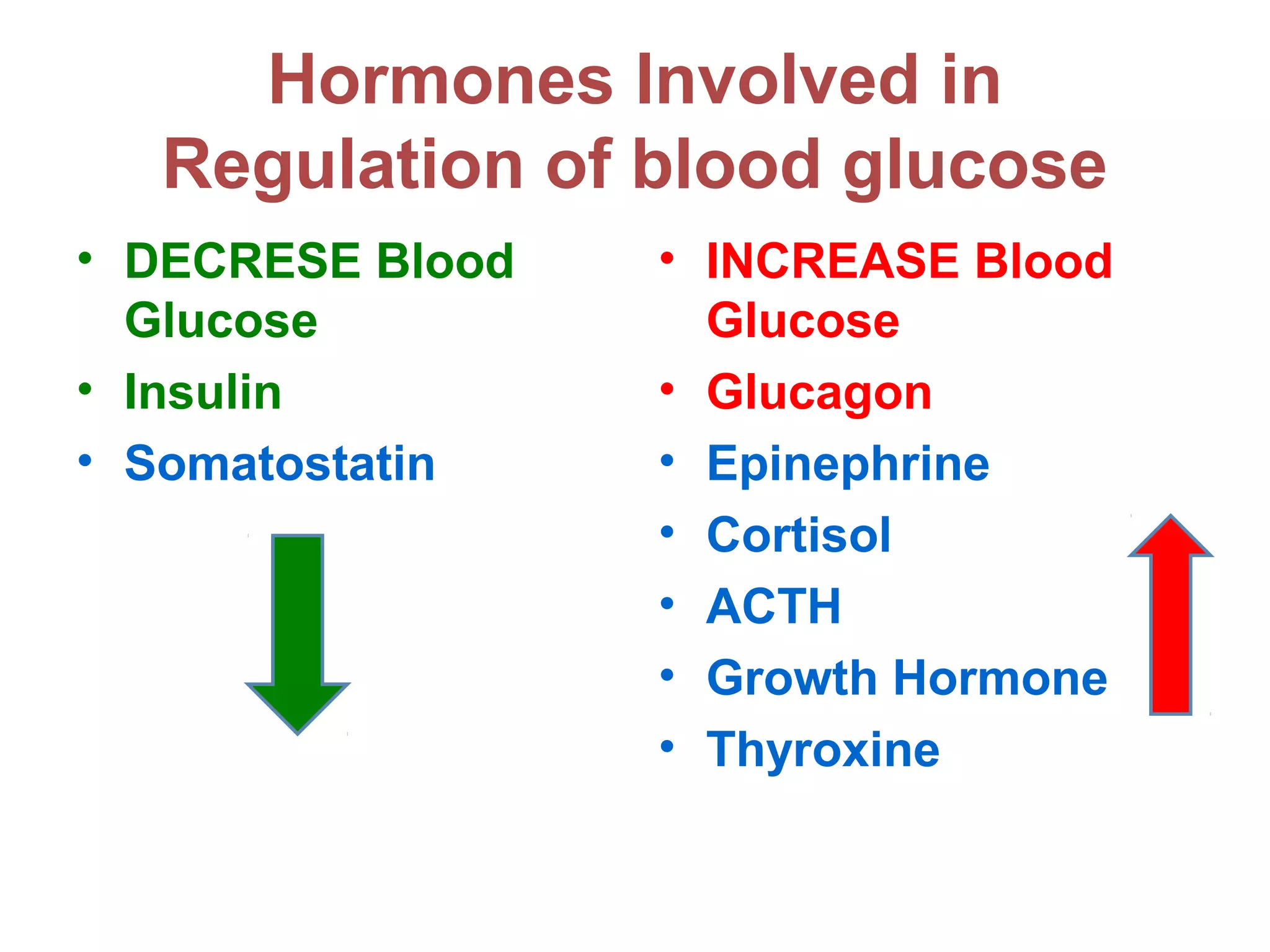
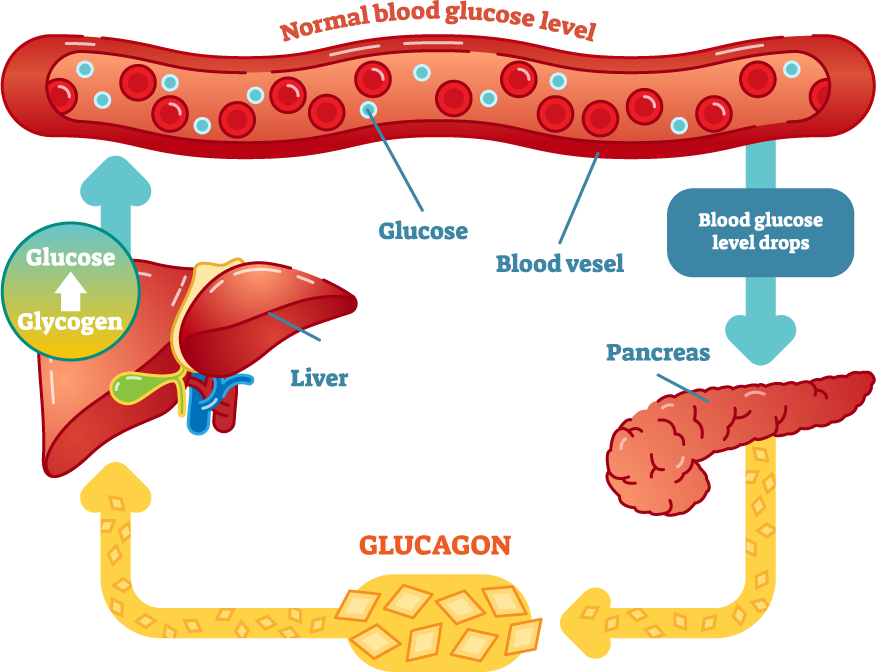
To understand the technology designed to track blood sugar, we must first understand the biological “software” it is monitoring. While insulin is the primary driver for lowering glucose, the human body utilizes several hormones to raise it, a process known as counter-regulation.
Glucagon: The Tech Target for Type 1 Innovations
Glucagon, produced by the alpha cells of the pancreas, is the primary hormone responsible for raising blood glucose levels when they fall too low. In the tech space, glucagon is the focus of “dual-hormone” pump development. Unlike traditional insulin pumps that only manage the downward pressure on glucose, next-generation automated insulin delivery (AID) systems are experimenting with glucagon reservoirs. By integrating glucagon into the algorithm, these smart devices can counteract hypoglycemia with precision, mimicking the biological feedback loop more accurately than ever before.
Cortisol and Adrenaline: Data Points in Stress Management Apps
Beyond the pancreas, the adrenal glands release cortisol and adrenaline (epinephrine), both of which raise blood glucose. These hormones are often triggered by the “fight or flight” response or chronic stress. Modern wearable technology, such as the Oura Ring or Whoop strap, focuses heavily on these markers. By monitoring Heart Rate Variability (HRV) and skin temperature, these devices provide a proxy for cortisol levels. When these apps detect a spike in stress hormones, they can now correlate that data with glucose fluctuations recorded by Continuous Glucose Monitors (CGMs), providing a holistic view of how psychological states impact physical biomarkers.
The Rise of CGM and Real-Time Metabolic Feedback Loops
The most significant technological breakthrough in metabolic health is the Continuous Glucose Monitor (CGM). These devices have moved from being niche medical tools for Type 1 diabetics to becoming essential gadgets for biohackers and tech-savvy consumers looking to optimize their performance.
Hardware Precision: From Enzymes to Electrodes
The hardware behind a CGM is a marvel of miniaturization and electrochemical engineering. A small filament, usually coated with an enzyme called glucose oxidase, is inserted under the skin. When glucose in the interstitial fluid reacts with the enzyme, it produces an electrical signal. The sophistication of the transmitter lies in its ability to filter “noise”—interference from other substances like Vitamin C or acetaminophen—to provide a clean data stream of how hormones are affecting glucose levels in real-time.
Interoperability: Connecting Hormonal Data to the Cloud
The true power of modern glucose tracking isn’t just the sensor; it’s the ecosystem. Interoperability protocols like Bluetooth Low Energy (BLE) allow these sensors to communicate directly with smartphones and smartwatches. This “Internet of Medical Things” (IoMT) architecture enables the synchronization of glucose data with fitness trackers, food logs, and sleep monitors. By centralizing this data in the cloud, users can see a direct correlation: for example, how a high-cortisol meeting at 2:00 PM caused a subsequent rise in blood glucose, despite no food intake.
AI and Machine Learning: Predicting the “Dawn Phenomenon”
While sensors provide the data, Artificial Intelligence (AI) provides the insight. One of the most challenging aspects of glucose management is the “Dawn Phenomenon”—a natural rise in blood sugar in the early morning caused by a surge in growth hormone and cortisol.
Algorithmic Modeling of Glucagon and Insulin Sensitivity
Machine learning models are now being trained on millions of hours of glucose data to predict how an individual’s hormones will react to specific stimuli. These algorithms can identify patterns that a human might miss. For instance, an AI might notice that a user’s glucagon response is overly aggressive after a late-night workout. By modeling these hormonal sensitivities, software platforms like Nutrisense or Levels can provide “Stability Scores,” helping users understand how their specific endocrine system handles the hormones that raise blood glucose.
Personalized Nutrition: The SaaS Approach to Glucose Control
The shift toward Software as a Service (SaaS) in the health tech space has led to highly personalized nutrition platforms. These services use AI to analyze how various lifestyle factors trigger the release of counter-regulatory hormones. If a user is chronically underslept, the AI can predict a higher baseline of cortisol, which in turn leads to higher insulin resistance and elevated glucose. The software then offers real-time interventions, such as guided breathing or specific meal timing, to mitigate the hormonal surge before it manifests as a glucose spike.
The Future of Hormonal Management: Smart Insulin and Bio-Wearables
As we look toward the next decade of health technology, the focus is shifting from passive monitoring to active, automated intervention. The goal is to create a seamless interface between digital systems and biological hormonal responses.
Closed-Loop Systems (The Artificial Pancreas)
The “Holy Grail” of this technology is the fully closed-loop system, often referred to as the Artificial Pancreas. These systems use a CGM and an insulin pump governed by a sophisticated control algorithm. The cutting-edge of this tech involves the integration of dual-chamber pumps that can deliver both insulin (to lower glucose) and glucagon (to raise it). This creates a digital replica of the human endocrine system, managing the rise and fall of glucose with mathematical precision, effectively automating the role of the hormones that naturally regulate our blood sugar.
Non-Invasive Sensing: The Holy Grail of Health Tech
The final frontier for tech giants like Apple and Samsung is non-invasive glucose monitoring. The goal is to use optical sensors—similar to the green LEDs used for heart rate—to detect glucose levels through the skin without a needle. This involves complex spectroscopy and advanced signal processing to isolate the glucose signal from the myriad of other molecules in the blood. If successful, this technology would democratize metabolic health data, allowing billions of people to see exactly how their hormones respond to stress, sleep, and diet every minute of the day.

Integrating Metabolic Data into the Digital Lifestyle
The ultimate trajectory of this technology is the total integration of biological feedback into our digital lives. We are moving away from a world where “what hormone raises blood glucose” is a static fact in a textbook, and toward a world where it is a dynamic notification on a wrist-worn device.
By understanding the tech behind hormonal regulation, we gain a clearer picture of how our bodies interact with the modern environment. Whether it’s the adrenaline of a competitive esports match or the cortisol of a high-stakes corporate environment, our glucose levels are constantly responding to the digital and physical stressors of the 21st century. The tech industry is not just building tools to measure these changes; it is building a new language for human health—one where the complex dance of hormones like glucagon and cortisol is translated into the binary code of optimization and wellness.
As sensors become smaller, algorithms become smarter, and data becomes more accessible, the mystery of hormonal glucose regulation will continue to dissolve into the precision of the high-tech health stack. We are no longer just observers of our biology; we are the engineers of our own metabolic outcomes.
aViewFromTheCave is a participant in the Amazon Services LLC Associates Program, an affiliate advertising program designed to provide a means for sites to earn advertising fees by advertising and linking to Amazon.com. Amazon, the Amazon logo, AmazonSupply, and the AmazonSupply logo are trademarks of Amazon.com, Inc. or its affiliates. As an Amazon Associate we earn affiliate commissions from qualifying purchases.