
Embarking on the journey to homeownership is an exciting prospect, but it often begins with a fundamental question: “What home loan do I qualify for?” This isn’t just a matter of curiosity; it’s the critical first step in understanding your purchasing power and navigating the complex world of mortgage lending. Qualification for a home loan hinges on a multi-faceted assessment by lenders, designed to gauge your financial stability, creditworthiness, and ability to repay a significant debt over time. Understanding these criteria and preparing adequately can demystify the process, empowering you to approach lenders with confidence and secure the best possible terms for your dream home.
This guide will dissect the core pillars of mortgage qualification, explore the various loan types available, outline the essential preparation steps, and walk you through the application process. Our aim is to provide insightful, professional guidance, enabling you to clearly understand your financial standing and strategically position yourself for successful home loan approval within the broader landscape of personal finance.
Decoding the Core Pillars of Mortgage Qualification
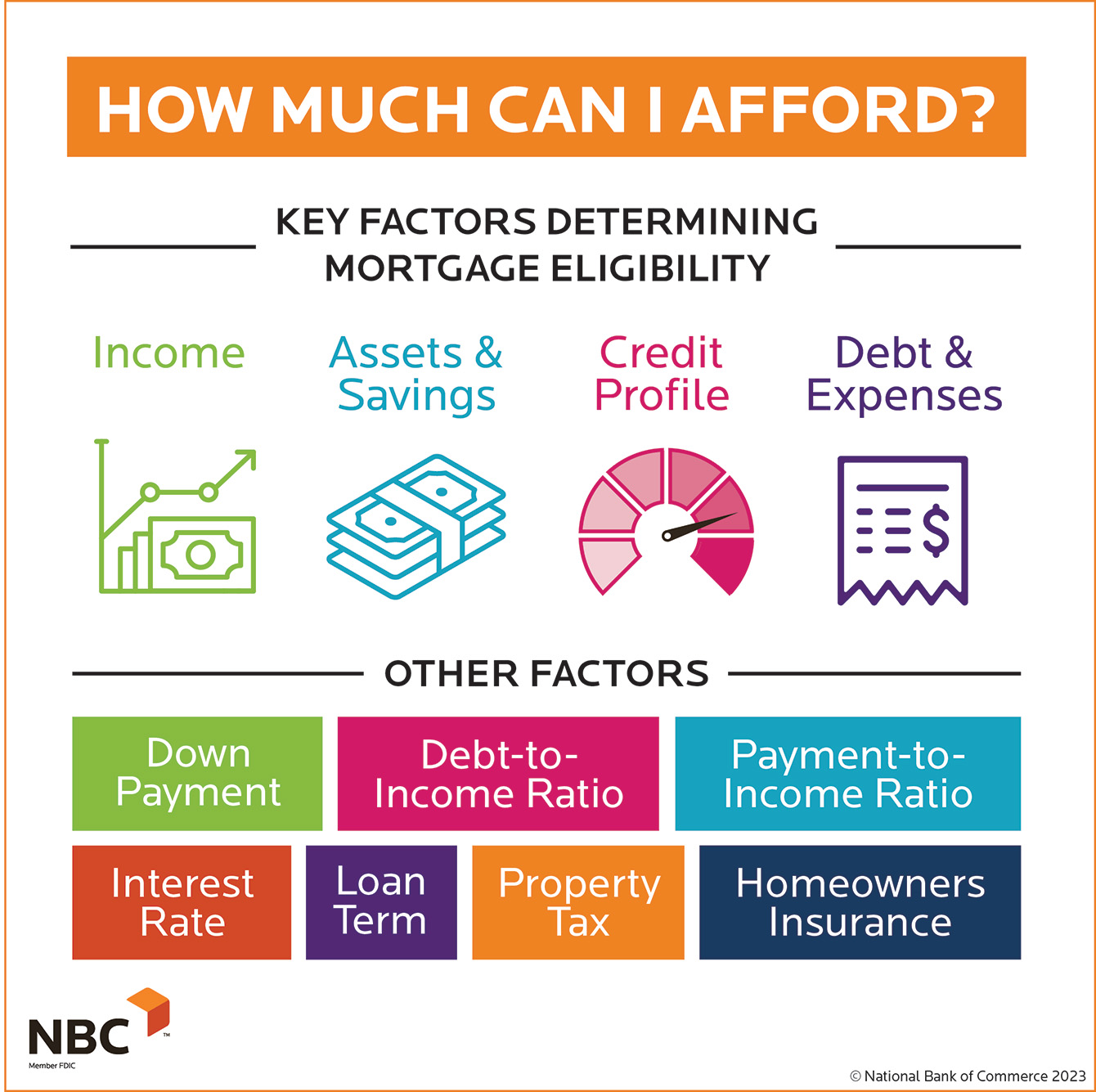
Lenders meticulously evaluate several key financial indicators to determine your eligibility and the terms of your home loan. These pillars form the bedrock of their risk assessment and dictate how much you can borrow, at what interest rate, and under what conditions.
Your Credit Score: The Foundation of Trust
Your credit score is arguably one of the most significant factors in mortgage qualification. It’s a numerical representation of your creditworthiness, reflecting your history of borrowing and repaying debt. FICO scores, ranging from 300 to 850, are widely used, with higher scores indicating lower risk to lenders. A strong credit score (generally 740+) can unlock lower interest rates and more favorable loan terms, potentially saving you tens of thousands of dollars over the life of the loan. Lenders typically look for a minimum score, which varies by loan type and lender, but scores below 620-640 can pose significant challenges. To improve your credit, focus on paying bills on time, keeping credit utilization low, and avoiding new credit inquiries before applying for a mortgage.
Income and Employment Stability: Proving Your Repayment Capacity
Lenders need assurance that you have a consistent and sufficient income stream to make your monthly mortgage payments. This involves examining your employment history, current income, and the stability of your job. Generally, lenders prefer a stable employment history of at least two years in the same line of work or industry. They will scrutinize your pay stubs, W-2 forms, and tax returns (often for the past two years) to verify your reported income. For self-employed individuals, this process can be more rigorous, requiring profit and loss statements and extensive tax documentation to prove consistent earnings. Demonstrating a reliable income source is crucial for illustrating your capacity to meet financial obligations.
Debt-to-Income Ratio (DTI): Balancing Your Financial Obligations
Your Debt-to-Income (DTI) ratio is a crucial metric that compares your total monthly debt payments to your gross monthly income. Lenders typically calculate two types of DTI:
- Front-end DTI: The percentage of your gross monthly income that goes towards housing costs (PITI – Principal, Interest, Taxes, and Insurance).
- Back-end DTI: The percentage of your gross monthly income that goes towards all monthly debt payments, including your proposed mortgage payment, credit card minimums, car loans, student loans, and other recurring debts.
Most lenders prefer a back-end DTI of 36% or lower, though some loan programs, particularly government-backed ones, may allow for higher DTIs (up to 43-50%) under certain circumstances. A high DTI signals a higher risk of default, making it harder to qualify for a loan or potentially resulting in less favorable terms. Managing and reducing existing debts before applying is a powerful strategy to improve this ratio.
Down Payment and Reserves: Your Initial Investment
The down payment is the initial sum of money you pay upfront towards the purchase of a home. A larger down payment reduces the amount you need to borrow, which can lead to lower monthly payments and potentially better interest rates. While the traditional 20% down payment is ideal for avoiding Private Mortgage Insurance (PMI) on conventional loans, many loan programs now allow for much lower down payments, some as low as 3.5% (FHA) or even 0% (VA, USDA).
Beyond the down payment, lenders also look at your financial reserves – liquid assets you have available after closing on the loan. These reserves demonstrate your ability to cover unforeseen expenses or temporary income disruptions, adding another layer of financial security for lenders. Having several months’ worth of mortgage payments in reserves is often viewed favorably.
Navigating the Landscape of Home Loan Types
The mortgage market offers a diverse array of loan products, each with its own eligibility requirements, benefits, and drawbacks. Understanding these options is key to finding the loan that best fits your financial situation and homeownership goals.
Conventional Loans: The Standard Choice
Conventional loans are not insured or guaranteed by the government. They are typically offered by private lenders and conform to the guidelines set by Fannie Mae and Freddie Mac. They often require good to excellent credit scores and offer a variety of down payment options, though a 20% down payment is ideal to avoid PMI. Conventional loans are popular for borrowers with strong financial profiles seeking flexibility and competitive rates. They are also suitable for refinancing.
Government-Backed Loans: FHA, VA, and USDA Options
These loans are insured or guaranteed by federal agencies, making them more accessible to a broader range of borrowers, particularly those who might not qualify for conventional loans.
- FHA Loans: Insured by the Federal Housing Administration, these loans are popular for first-time homebuyers or those with lower credit scores (minimum 580 for 3.5% down, 500-579 for 10% down) and limited down payments. While easier to qualify for, they require both upfront and annual mortgage insurance premiums (MIP).
- VA Loans: Guaranteed by the Department of Veterans Affairs, these loans are an invaluable benefit for eligible active-duty service members, veterans, and surviving spouses. They boast 0% down payment options, no private mortgage insurance, and competitive interest rates, making them one of the most powerful home loan products available.
- USDA Loans: Backed by the U.S. Department of Agriculture, these loans are designed to promote homeownership in rural and some suburban areas. They offer 0% down payment options and competitive rates for eligible low-to-moderate-income borrowers, provided the property is in a designated rural area.
Jumbo Loans and Niche Products: For Specific Needs
For borrowers seeking to finance homes that exceed the conforming loan limits set by Fannie Mae and Freddie Mac (which vary by county), Jumbo Loans are the answer. These non-conforming loans are for higher-value properties and typically come with stricter qualification criteria, including higher credit score requirements, larger down payments, and more substantial financial reserves. Additionally, various niche products exist for specific situations, such as construction loans, interest-only loans (less common now), or portfolio loans offered by individual banks with unique underwriting standards. Understanding these less common options can be beneficial for those with specific, non-traditional financial needs or property types.
The Essential Steps Before Applying: Preparation and Pre-Approval
Before submitting a formal loan application, taking proactive steps can significantly enhance your chances of qualification and streamline the entire process. Thoughtful preparation is a hallmark of sound financial planning.

Understanding Pre-Qualification vs. Pre-Approval
These terms are often used interchangeably, but they represent distinct stages in the mortgage process.
- Pre-Qualification: A preliminary assessment based on self-reported financial information. It gives you an estimate of how much you might be able to borrow, but it’s not a commitment from a lender. It’s useful for setting initial budget expectations.
- Pre-Approval: A much more robust process where a lender thoroughly reviews your credit report, income, and assets, providing a conditional commitment to lend you a specific amount. A pre-approval letter is highly valuable, demonstrating to sellers that you are a serious and qualified buyer, often essential in competitive housing markets. It involves a hard credit pull and requires extensive documentation.
Gathering Your Financial Documentation
Being organized with your financial paperwork is paramount. Lenders will require:
- Proof of Income: Pay stubs (30-60 days), W-2 forms (past 2 years), tax returns (past 2 years), profit and loss statements (for self-employed).
- Asset Information: Bank statements (past 2-3 months) for checking and savings accounts, investment account statements, retirement account statements.
- Credit History: Lenders will pull your credit report, but having an understanding of your own credit history and addressing any discrepancies beforehand is wise.
- Debt Information: Statements for credit cards, student loans, auto loans, and any other recurring debts.
- Identification: Government-issued ID (driver’s license, passport).
Having these documents readily available will expedite the underwriting process.
Strategies to Improve Your Eligibility
If your initial assessment reveals areas for improvement, consider these strategies:
- Boost Your Credit Score: Pay down existing debts, especially high-interest credit card balances. Ensure all payments are made on time. Avoid opening new credit accounts or making large purchases on existing credit.
- Lower Your DTI: Focus on aggressively paying down consumer debt. Even small reductions in monthly payments can positively impact your DTI.
- Increase Savings: Accumulate a larger down payment and build up your financial reserves. This not only makes you a more attractive borrower but also provides a healthier financial cushion post-purchase.
- Address Discrepancies: Review your credit report for errors and dispute any inaccurate information.
- Stabilize Employment: If you’ve recently changed jobs, try to establish at least a few months of stable income before applying, or be prepared to explain career progression that demonstrates stability.
The Application Process: From Submission to Closing
Once you’ve done your homework and are pre-approved, the actual application process transitions from preparation to execution, culminating in the exciting moment of closing on your new home.
Choosing the Right Lender
Selecting a lender is a crucial decision. Don’t just go with the first option. Shop around and compare offers from various banks, credit unions, and mortgage brokers. Look beyond just the interest rate; consider closing costs, fees, customer service reputation, and the lender’s responsiveness. A good lender will not only offer competitive terms but also provide clear communication and guidance throughout the complex process, aligning with your financial goals.
Submitting Your Application and Underwriting
With a chosen lender, you’ll complete a formal mortgage application. This involves providing all the collected documentation. The application then moves to underwriting, where a professional underwriter meticulously reviews all your financial information, the property details, and the loan terms to ensure everything meets both the lender’s and governmental guidelines. They might request additional documents or explanations during this phase. This is where the thoroughness of your initial preparation truly pays off.
Navigating Appraisal and Inspections
After your application is approved, two critical steps relate directly to the property itself:
- Appraisal: The lender will order an independent appraisal to determine the fair market value of the home. This ensures the property’s value supports the loan amount, protecting the lender’s investment. If the appraisal comes in lower than the purchase price, it can impact the loan terms or even the sale.
- Inspection: While not typically required by the lender, a home inspection is highly recommended for your protection as a buyer. An inspector evaluates the property’s condition, identifying potential issues with the foundation, roof, plumbing, electrical systems, and more. This empowers you to negotiate repairs or reconsider your offer if significant problems are found.
The Closing Table: Finalizing Your Homeownership Dream
The closing is the final stage where all parties — buyer, seller, lender, and closing agent — meet to sign numerous legal documents. You will pay your down payment, closing costs, and any pre-paid expenses (like property taxes or homeowners insurance premiums). Once all documents are signed, reviewed, and funds are disbursed, the property title is officially transferred to you, and you receive the keys to your new home. This marks the culmination of your journey from asking “what home loan do I qualify for” to achieving successful homeownership, a significant milestone in personal financial achievement.
Beyond Qualification: Maintaining Financial Health for Homeownership
Qualifying for a home loan is just the beginning. True financial prudence for homeowners extends far beyond the initial purchase, requiring ongoing management and strategic planning.
Budgeting for Mortgage Payments and Hidden Costs
Your monthly mortgage payment is a major financial commitment, but it’s not the only cost associated with homeownership. Savvy homeowners budget for property taxes, homeowners insurance, potential homeowner association (HOA) fees, and utilities. Crucially, they also factor in maintenance and repair costs, which can range from routine upkeep to unexpected major expenses like a new roof or HVAC system. Setting aside an emergency fund specifically for home repairs is a cornerstone of responsible financial planning for homeowners.
Refinancing Opportunities and Market Watch
The financial landscape is dynamic, and interest rates fluctuate. Homeowners should periodically review their mortgage to see if refinancing opportunities could reduce their interest rate, lower monthly payments, or change the loan term. While refinancing incurs new closing costs, a significant drop in rates or an improvement in your credit profile could make it a financially sound move. Staying informed about market trends and interest rate movements is a continuous financial activity for homeowners.

Long-Term Financial Planning for Homeowners
Homeownership is often considered a key component of long-term wealth building. As a homeowner, your property represents a significant asset that can appreciate in value over time. Integrating your mortgage into your broader financial plan involves considering how your equity can be leveraged for future financial goals, such as retirement planning, children’s education, or even future real estate investments. Regular reviews of your overall financial picture, including your mortgage, investments, and savings, ensure that your home continues to be a beneficial asset supporting your ultimate financial aspirations.
In conclusion, understanding what home loan you qualify for is a deep dive into your financial health. By meticulously preparing your credit, income, and debt profiles, exploring suitable loan types, and navigating the application process with diligence, you can confidently step into the world of homeownership. Remember, securing a mortgage is a testament to financial readiness, and maintaining that readiness is the key to a stable and prosperous life as a homeowner.
aViewFromTheCave is a participant in the Amazon Services LLC Associates Program, an affiliate advertising program designed to provide a means for sites to earn advertising fees by advertising and linking to Amazon.com. Amazon, the Amazon logo, AmazonSupply, and the AmazonSupply logo are trademarks of Amazon.com, Inc. or its affiliates. As an Amazon Associate we earn affiliate commissions from qualifying purchases.