
For the modern investor, the rhythm of the financial markets dictates more than just wealth accumulation; it sets the pace of professional life. While the digital age has made trading feel like a 24/7 endeavor—fueled by the rise of cryptocurrency and 24-hour futures contracts—the backbone of the global economy, the traditional stock market, still adheres to a strict calendar. Understanding when the New York Stock Exchange (NYSE) and the Nasdaq are closed is not merely about knowing when you can’t hit the “buy” button; it is about understanding liquidity, volatility, and the strategic windows of opportunity that open when the floor goes quiet.
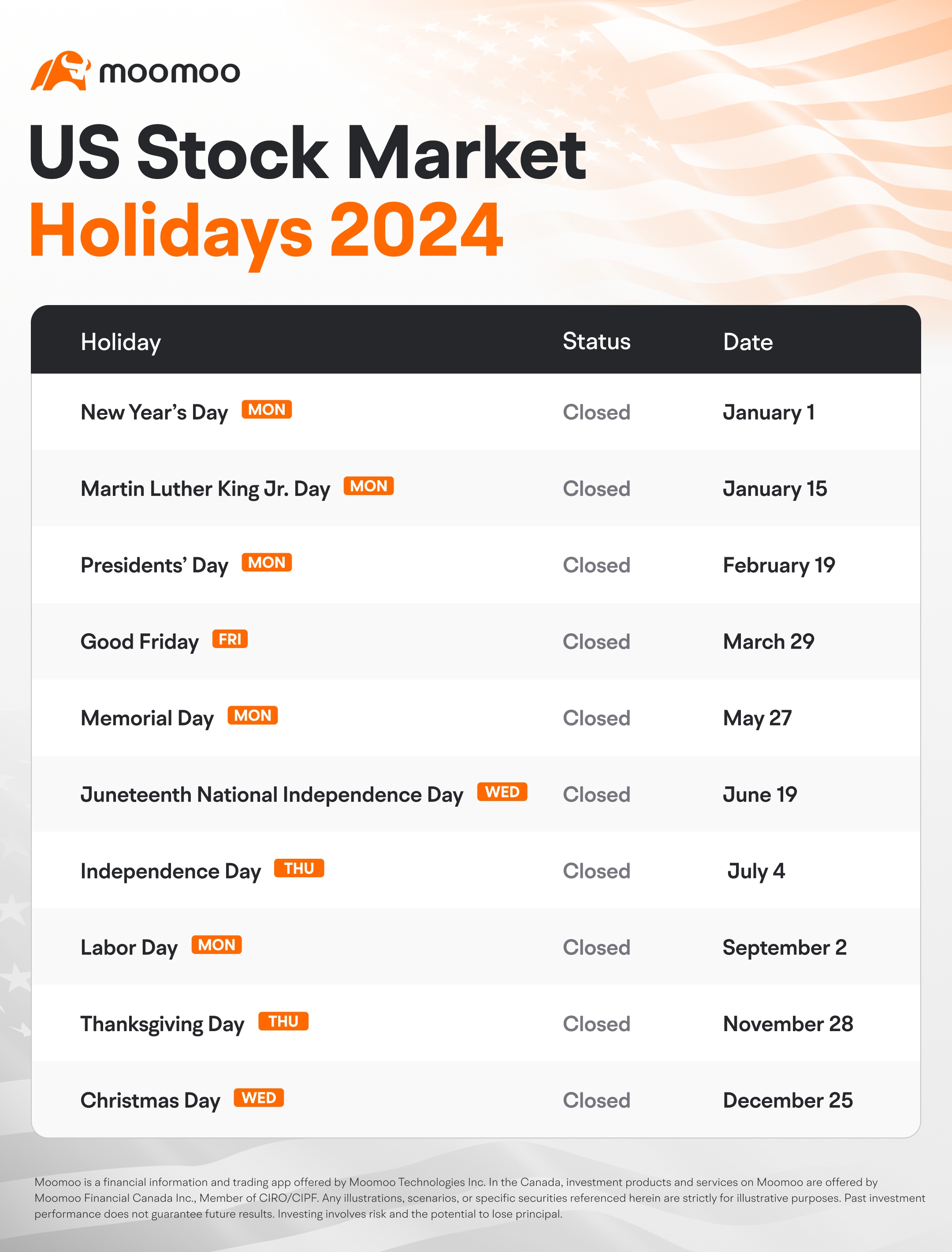
The stock market holiday schedule is a blend of federal recognition, historical tradition, and operational necessity. For those managing personal portfolios, corporate accounts, or side hustles in swing trading, these closures represent critical periods for rebalancing, reflection, and risk management.
The Importance of the Trading Calendar in Modern Finance
To the uninitiated, a market holiday might seem like a simple day off. However, in the ecosystem of high-frequency trading and global capital flows, these pauses are structural. The closing of major exchanges like the NYSE and Nasdaq serves several functions that directly impact an investor’s bottom line.
Liquidity and Volatility Management
In the days leading up to a major holiday, market liquidity often thins. Professional institutional traders and hedge fund managers frequently “square their books” or reduce exposure before a long weekend to avoid “gap risk”—the possibility that significant news will break while the markets are closed, causing prices to jump or dive when trading resumes. By understanding the holiday schedule, investors can anticipate these periods of lower volume, which often lead to higher-than-usual volatility. Entering a large position on the Wednesday before Thanksgiving, for instance, might result in less favorable pricing due to the lack of active participants.
Psychological Breathers for Market Participants
The “Money” niche often focuses on the mechanics of math and logic, but psychology is a dominant force in price discovery. Market closures provide a necessary mental reset for the human elements still behind the algorithms. For the self-directed investor, these breaks are the perfect time to step back from the “noise” of daily price fluctuations. It is during these quiet periods that the most effective long-term strategies are often forged, away from the dopamine hits of real-time charts.
Standard Market Holidays: The NYSE and Nasdaq Schedule
The U.S. stock markets generally follow the federal holiday schedule, with a few notable exceptions and specific rules regarding weekend occurrences. If a holiday falls on a Saturday, the market typically closes on the preceding Friday. If it falls on a Sunday, the market closes on the following Monday.
New Year’s Day and the “January Effect”
The first of January marks more than just a new calendar year; it is the official reset for tax-loss harvesting strategies. The market is closed on New Year’s Day, but the surrounding weeks are some of the most analyzed in the financial world. Investors often look for the “January Effect,” a perceived seasonal increase in stock prices, particularly for small-cap stocks, as investors return to the market with fresh capital and optimism after the holiday closure.
Martin Luther King Jr. Day and Presidents’ Day
Observed on the third Monday of January and February, respectively, these holidays create three-day weekends early in the fiscal year. From a financial perspective, these closures often serve as the first checkpoints for Q1 performance. Investors use this time to digest the initial wave of corporate earnings reports that typically begin in mid-January.
Good Friday: The Religious Exception
Unlike most federal holidays, the stock market observes Good Friday, despite it not being a federal holiday in the United States. This is a unique quirk of the U.S. financial system. Because many international markets (particularly in Europe) are also closed for Easter celebrations, the NYSE and Nasdaq close to maintain alignment with global banking partners. Trading on the Thursday before Good Friday often sees a “holiday drift,” where volumes taper off by mid-afternoon.
Memorial Day, Juneteenth, and Independence Day
The summer months bring a trio of closures. Memorial Day (late May) and Independence Day (July 4th) are long-standing staples. Juneteenth (June 19th) is the newest addition to the market calendar, established as a federal and market holiday in 2021. Summer trading is historically characterized by “low-conviction” movements, as many institutional players are on vacation. Knowing these dates helps investors avoid the frustration of stagnant limit orders during the “summer doldrums.”
Labor Day and the Fall Shift
The first Monday in September marks the unofficial end of summer and a significant psychological shift in the pits. After the Labor Day closure, trading volumes typically surge as “the smart money” returns to the desk to position for the final quarter of the year. This is often a period of increased volatility and heightened focus on year-end tax strategies.
Thanksgiving and the Black Friday Early Close
Thanksgiving Thursday is a full closure, but the following Friday—famously known as Black Friday—is an “early close” day. The market opens at the usual 9:30 AM EST but shutters at 1:00 PM EST. This shortened session is notoriously thin on volume and is often used by retail analysts to gauge the strength of the consumer economy based on early holiday shopping data.

Christmas Day and Year-End Rebalancing
The market closes on December 25th. If Christmas falls on a weekend, the closure is observed on the nearest weekday. This period is the heart of the “Santa Claus Rally,” a statistical tendency for the markets to rise during the last five trading days of December and the first two of January. The closure provides a final pause before the year-end “window dressing,” where fund managers sell underperforming assets to clean up their balance sheets for annual reports.
Understanding Early Closures and Special Rules
Strategic investing requires a granular understanding of time. It isn’t enough to know which days are closed; you must also know which days are “short.”
The 1:00 PM Rule
Beyond Black Friday, the market occasionally closes early on the day before Independence Day (July 3rd) or Christmas Eve (December 24th), depending on how the calendar falls in a given year. During these shortened sessions, the bond market often closes even earlier (usually 2:00 PM EST), which can lead to strange decoupling between equities and fixed-income assets. For an investor, these sessions are rarely the time for complex maneuvers.
The Saturday/Sunday Adjustments
If a holiday like Independence Day falls on a Saturday, the market will close on Friday, July 3rd. If it falls on a Sunday, the market will close on Monday, July 5th. This ensures that the labor force and the banking systems that settle trades (like the Depository Trust & Clearing Corporation) maintain a consistent schedule. Investors should always check the “observed” date rather than the calendar date to avoid missing a trading window.
Global Diversification: When International Markets Diverge
For the sophisticated investor with a globalized portfolio, the U.S. holiday schedule is only half the story. If you hold ADRs (American Depositary Receipts) or trade on foreign exchanges like the LSE (London) or the HKEX (Hong Kong), you must navigate a different set of closures.
Banking Holidays in London and Tokyo
While the U.S. celebrates Thanksgiving, the London Stock Exchange remains open. Conversely, the U.S. market may be open during British “Bank Holidays.” This divergence creates unique arbitrage opportunities and risks. If you are holding a UK-based company’s stock on the NYSE, and the London market is closed, the price discovery happens entirely in the U.S., often leading to wider spreads and less efficient pricing.
The Impact of Cross-Border Arbitrage
During periods where U.S. markets are closed but international markets are open, global news still happens. If a major geopolitical event occurs on a Monday while the U.S. is closed for Presidents’ Day, European and Asian markets will react first. U.S. investors must then prepare for “gap openings” on Tuesday morning. Monitoring global indices during U.S. holidays is a hallmark of a professional-grade financial strategy.
Strategic Investing During Market Downtime
A market closure is not a vacation for the serious investor; it is a tactical intermission. How you use the time when the ticker stops moving often determines your success when it starts again.
Portfolio Auditing and Review
The frantic nature of an open market often leads to “reactive” investing—responding to headlines rather than fundamentals. Holidays are the perfect time for a “cold-eyed” review. Investors should use this downtime to calculate their current asset allocation, check their diversification across sectors, and ensure their risk tolerance hasn’t been overextended by recent market runs.
Research and Educational Deep Dives
Success in finance is built on an information advantage. When the market is closed, the “noise” of price action is removed. This is the optimal time to read through 10-K filings, listen to recorded earnings calls, or study a new financial tool. Whether it’s mastering options Greeks or understanding the mechanics of a new DeFi protocol, the holiday schedule provides the necessary focus time.

Setting Limit Orders and Protective Stops
While you cannot execute a trade on a holiday, most brokerage platforms allow you to queue orders. After a day of research during a market closure, an investor can set disciplined limit orders or stop-loss triggers. This removes the emotional element of trying to “time” the opening bell on the following Tuesday. By setting these orders while the market is quiet, you ensure that you are trading based on a pre-planned strategy rather than a knee-jerk reaction to the morning’s opening volatility.
Ultimately, the stock market holiday schedule is a reminder that even the most aggressive financial systems require structure. By integrating these dates into your broader financial plan, you move from being a reactive participant to a proactive strategist, capable of navigating both the high-volume surges and the quiet lulls of the global economy.
aViewFromTheCave is a participant in the Amazon Services LLC Associates Program, an affiliate advertising program designed to provide a means for sites to earn advertising fees by advertising and linking to Amazon.com. Amazon, the Amazon logo, AmazonSupply, and the AmazonSupply logo are trademarks of Amazon.com, Inc. or its affiliates. As an Amazon Associate we earn affiliate commissions from qualifying purchases.