
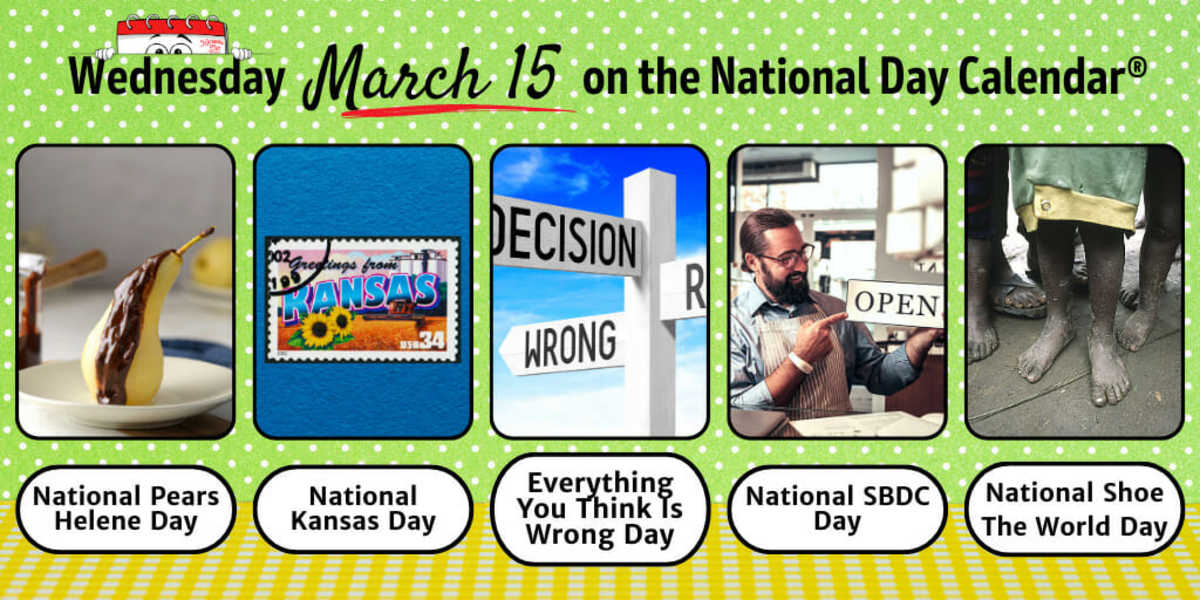
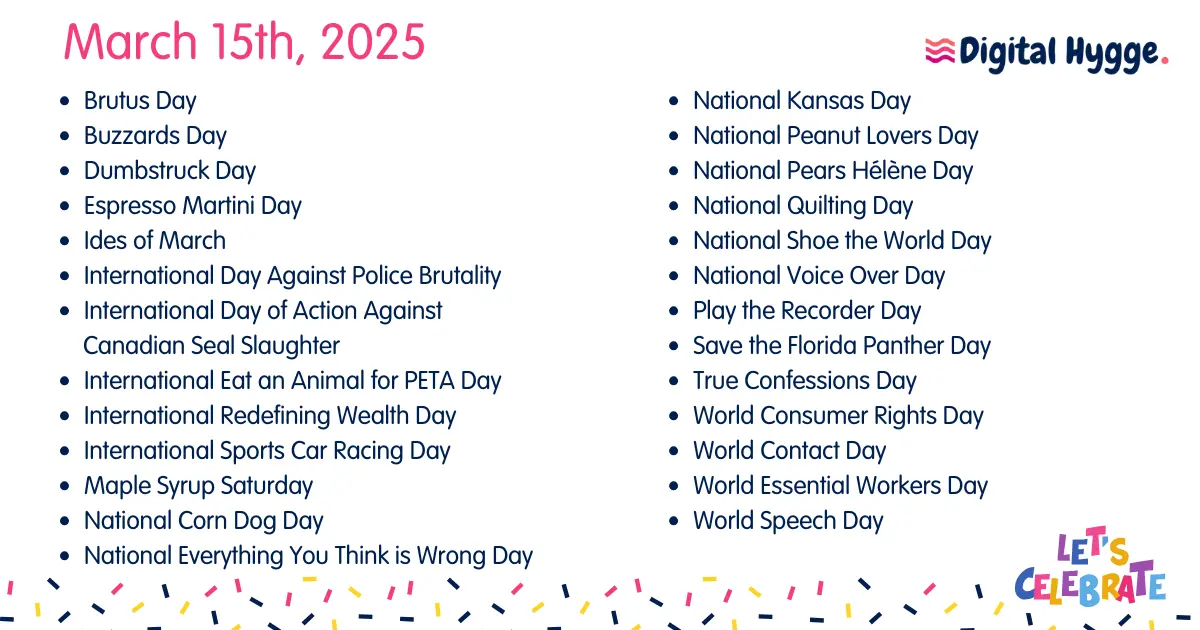
While many history buffs recognize March 15 as the “Ides of March”—the date of Julius Caesar’s infamous assassination—in the modern financial world, this date carries a far more constructive significance. Since 1983, March 15 has been observed globally as World Consumer Rights Day. This “holiday” serves as a critical focal point for the global economy, emphasizing the power of the individual in the marketplace and the necessity of fair, transparent, and secure financial systems.
For anyone navigating the complexities of personal finance, investing, or the burgeoning world of online side hustles, March 15 is a date to mark on the calendar. It is a day to audit your financial health, understand your protections under the law, and demand greater accountability from the institutions that manage your wealth.
The Significance of March 15 in the Financial World
World Consumer Rights Day was inspired by President John F. Kennedy, who sent a special message to the US Congress on March 15, 1962, formally addressing the issue of consumer rights. He was the first world leader to do so, establishing a framework that would eventually evolve into an international movement. In the context of “Money,” this day represents the shift from a caveat emptor (buyer beware) philosophy to one where financial stability is built on consumer confidence.
The Origins of Consumer Advocacy and Wealth Protection
The original four consumer rights identified by Kennedy—the right to safety, the right to be informed, the right to choose, and the right to be heard—remain the bedrock of modern personal finance. In the 1960s, these rights were largely applied to physical goods. Today, they apply to digital banking, high-frequency trading apps, and cryptocurrency exchanges. Understanding these origins helps investors realize that their right to transparent fee structures and honest marketing is not a privilege, but a hard-won standard.
Why March 15 Matters for Your Wallet
In a globalized economy, March 15 serves as an annual reminder for regulatory bodies to introduce new consumer protection measures and for individuals to re-evaluate their relationship with their money. It is a day when financial watchdogs often release reports on market trends, predatory lending practices, and the state of global inflation. For the proactive individual, this is the ideal time to review bank statements for hidden fees or to check credit reports for discrepancies.
Navigating Digital Finance and Fintech Protection
As we move further into a cashless society, the definition of “consumer rights” has expanded into the digital realm. The modern holiday on March 15 now heavily emphasizes digital finance. With the rise of fintech (financial technology), the line between a “tech tool” and a “financial institution” has blurred, making it more important than ever for consumers to know where their money is and who is protecting it.
The Rise of E-Commerce and Digital Payment Security
E-commerce has democratized access to goods, but it has also created new vulnerabilities. On World Consumer Rights Day, financial experts often highlight the importance of secure payment gateways. Whether you are running an online business or simply shopping, understanding the “right to safety” in a digital context means using tools like two-factor authentication (2FA) and virtual credit cards. These are not just tech features; they are financial safeguards that protect your capital from the rampant rise of “friendly fraud” and sophisticated phishing schemes.
Safeguarding Your Financial Identity in the Age of AI
Artificial Intelligence has revolutionized how we manage money, from automated budgeting apps to AI-driven investment advisors. However, the use of personal data in financial algorithms presents new challenges. Consumer rights now include “data portability” and the “right to be forgotten.” For the modern earner, March 15 is a reminder to review privacy settings on financial apps. Ensuring that your financial data isn’t being sold to third-party lenders without your consent is a vital step in maintaining long-term financial autonomy.

Investment Literacy as a Form of Consumer Right
One of the most significant shifts in the “Money” niche over the last decade is the democratization of investing. From retail trading on smartphones to decentralized finance (DeFi), the average person has more access to the markets than ever before. However, the “right to be informed” becomes exponentially more important when your life savings are at stake.
The Right to Transparent Information in Volatile Markets
Transparency is the currency of a healthy market. On March 15, the focus often turns to “greenwashing” in ESG (Environmental, Social, and Governance) investing and the hidden costs of “commission-free” trading. Investors are encouraged to look beyond the marketing veneer of investment platforms. A consumer-centric approach to investing involves demanding clear disclosures on expense ratios, management fees, and the underlying assets of complex financial products like ETFs and mutual funds.
Recognizing Red Flags in Modern Side Hustles
The “online income” revolution has empowered millions to leave traditional 9-to-5 roles. Yet, the gig economy and “get rich quick” side hustle culture are rife with scams. World Consumer Rights Day emphasizes the right to “redress”—the ability to get a fair settlement for just claims. For those exploring side hustles, this means vetting platforms before investing time and capital. Whether it is an affiliate marketing program or a freelance marketplace, ensuring the platform has a clear dispute-resolution process is a fundamental consumer right that protects your labor and your income.
Strategies for Maximizing Financial Health by Mid-March
By the time March 15 arrives, we are halfway through the first quarter of the year. This makes the “holiday” a perfect fiscal checkpoint. Instead of viewing it as a symbolic day, savvy money managers use this time to perform a “Spring Cleaning” of their financial portfolios and consumer habits.
Evaluating Your Q1 Financial Performance
The first two and a half months of the year often dictate the trajectory for the remaining nine. Use March 15 as a deadline to review your budget. Are your subscription costs creeping up? Is your high-yield savings account (HYSA) still offering a competitive rate? Consumer rights include the “right to choose,” which implies that you should never feel “locked in” to a financial product that no longer serves your interests. If a different bank offers better protection or higher interest, March 15 is the day to make the switch.
Leveraging Consumer Protection Laws to Save Money
Many people are unaware of the various financial protections available to them, such as “Chargeback” rights on credit card purchases or the ability to freeze a credit report for free. Understanding the Fair Credit Reporting Act (FCRA) or the Truth in Lending Act (TILA) can literally save you thousands of dollars. On World Consumer Rights Day, take an hour to research the specific financial ombudsman or consumer protection agency in your region. Knowing exactly who to call when a bank makes an error or a company refuses a refund is a core component of sophisticated wealth management.
Conclusion: Empowerment Through Financial Knowledge
While March 15 may always be remembered for Caesar and the Ides, its modern iteration as World Consumer Rights Day is far more relevant to our daily lives. In the “Money” niche, this date stands as a testament to the fact that we are not just passive participants in the economy—we are its primary drivers.
True financial freedom isn’t just about how much money you earn; it’s about how well you protect what you have and how effectively you navigate the systems designed to manage it. By focusing on your rights to information, safety, and choice, you can transform from a mere “customer” into an empowered “consumer.”
This March 15, celebrate by taking control. Review your digital security, audit your investment fees, and educate yourself on the protections that govern your finances. In the world of money, knowledge is not just power—it is the ultimate form of insurance.
aViewFromTheCave is a participant in the Amazon Services LLC Associates Program, an affiliate advertising program designed to provide a means for sites to earn advertising fees by advertising and linking to Amazon.com. Amazon, the Amazon logo, AmazonSupply, and the AmazonSupply logo are trademarks of Amazon.com, Inc. or its affiliates. As an Amazon Associate we earn affiliate commissions from qualifying purchases.