
For multinational corporations, cross-border e-commerce platforms, and global investors, the Chinese calendar is not merely a cultural reference—it is a critical determinant of operational flow. In the modern globalized economy, the question “What holiday is it today in China?” carries significant weight. Understanding the timing of public holidays is essential for managing supply chain logistics, predicting market volatility, and optimizing digital marketing budgets.
Navigating the Chinese Work Calendar and “Golden Weeks”
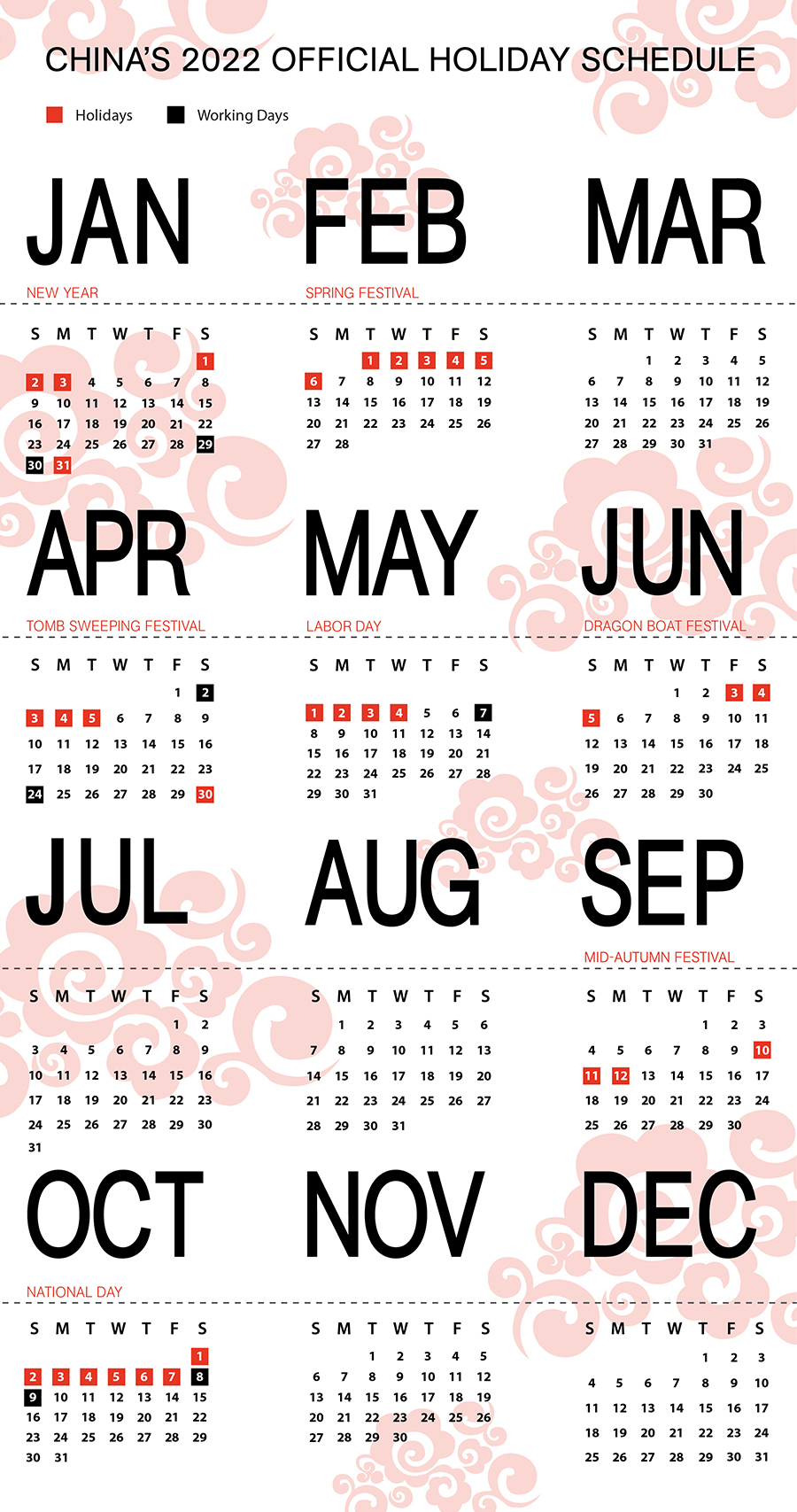
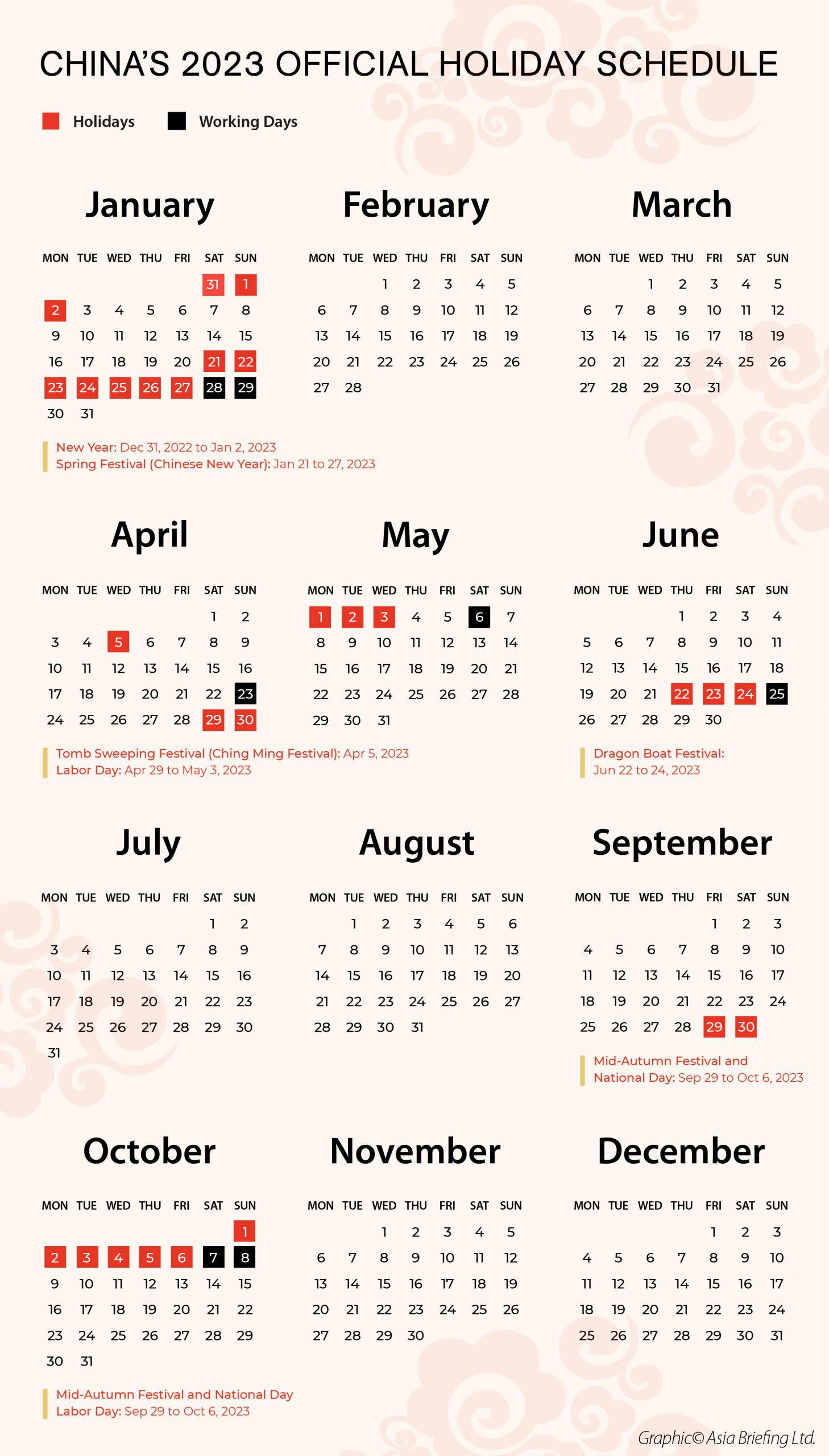
The structure of the Chinese holiday system is unique due to the practice of “bridge holidays.” To create long periods of rest, the Chinese government frequently designates weekends as working days to compensate for additional time off around major festivals. This makes the traditional calendar deceptive for international managers who rely on standard Monday-to-Friday assumptions.
The Impact of Golden Weeks on Supply Chain and Logistics
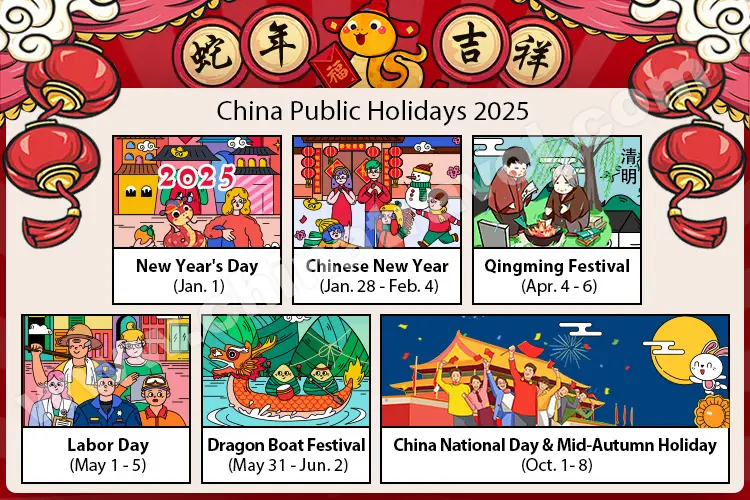
China’s two primary “Golden Weeks”—the Lunar New Year (Spring Festival) and the National Day holiday in October—are periods of near-total economic suspension. During these windows, manufacturing plants shutter, long-haul trucking slows to a crawl, and air freight capacity fluctuates wildly.
For businesses operating on a Just-in-Time (JIT) model, failing to account for these dates results in catastrophic inventory shortages. Financial controllers and supply chain managers must incorporate these specific dates into their annual fiscal planning. Missing a production window before the Spring Festival exodus can mean a three-week delay in product delivery, directly impacting quarterly revenue targets and cash flow stability.
Managing Expectations in B2B Communications
When conducting business with Chinese counterparts, recognizing a holiday serves as a powerful professional courtesy. Sending urgent project proposals or financial requests on the first day of the Mid-Autumn Festival, for instance, not only guarantees a delay in response but also highlights a lack of cultural awareness. Effective cross-border management requires synchronizing your internal project timelines with the specific “make-up” workdays mandated by the Chinese State Council.
Financial Market Volatility and Holiday Closures
For investors focused on the Shanghai and Shenzhen stock exchanges, the holiday calendar is a direct driver of liquidity and volume. When mainland markets close for holidays, the ripple effect is felt across global commodity prices, particularly in sectors heavily reliant on Chinese industrial output, such as steel, iron ore, and energy.
Pre-Holiday Market Positioning
Data shows that trading volume often dips in the days leading up to major Chinese holidays as institutional investors move to reduce exposure and mitigate risk. Financial planners should analyze how holiday-induced market closures impact currency exchange rates—specifically the offshore RMB (CNH).
When the mainland markets are dark, the lack of central bank guidance and daily market activity can lead to increased volatility in the CNH. Traders should leverage this knowledge to hedge positions effectively, ensuring that portfolios are shielded from the “holiday vacuum” that occurs when the world’s second-largest economy goes offline.
Fiscal Year Reporting and Tax Deadlines
Beyond logistics, financial officers must remember that Chinese tax cycles and fiscal reporting periods operate independently of Western standards. While the fiscal year for Chinese companies typically follows the calendar year, tax declaration deadlines and banking hours can be disrupted by regional or national observances. Failing to account for these localized bank holidays can lead to late payment penalties or payroll processing errors, which can complicate the accounting books of foreign subsidiaries.
Digital Marketing and Consumer Spending Cycles
For businesses engaged in cross-border digital marketing or social commerce, knowing what holiday is currently taking place in China is the difference between a high-converting campaign and a wasted ad budget. Chinese consumer behavior is hyper-seasonal, driven by a blend of traditional festivals, modern shopping holidays, and national observances.
Optimizing Ad Spend During Peak Shopping Seasons
The Chinese retail landscape is defined by massive spending events. The 11.11 (Singles’ Day) festival, for example, is the largest online shopping day in the world. However, this is not a public holiday in the traditional sense; it is a retail powerhouse that requires months of digital infrastructure preparation.
Marketing teams must categorize their outreach based on the nature of the holiday. Is it a gift-giving holiday like the Qixi Festival (Chinese Valentine’s Day), which drives consumer luxury spending? Or is it a tomb-sweeping holiday like Qingming, where high-energy marketing campaigns might be perceived as tone-deaf or culturally inappropriate? Aligning the “tone” of your brand assets with the specific cultural significance of the day is paramount for maintaining brand equity in the Chinese market.
Influencer Engagement and Platform Traffic
Digital platforms in China, such as WeChat, Douyin, and Xiaohongshu, experience massive traffic spikes during holiday periods. However, the nature of this traffic changes. Users are often moving from productivity-focused interactions to leisure-based consumption.
A brand’s content strategy must pivot to reflect the mood of the nation. During the Lunar New Year, for instance, family-centric and traditional-themed content outperforms professional or corporate messaging. Brands that attempt to maintain a rigid, “business-as-usual” content calendar throughout these periods often see engagement rates plummet. Savvy digital strategists use this time to shift from hard-selling product features to building emotional brand resonance, a long-term investment that pays dividends in customer loyalty.
Strategic Operational Planning for Long-Term Success
To remain competitive, firms must treat the Chinese holiday calendar as a foundational element of their business architecture. This involves more than just checking a calendar app once a year; it requires the integration of Chinese holiday data into enterprise resource planning (ERP) systems.
Integrating Cultural Awareness into Corporate Strategy
The most successful foreign brands in China are those that integrate local cultural nuances into their corporate identity. This is not just about translating marketing copy; it is about respecting the rhythm of life in China. When a company acknowledges its Chinese employees’ need for leave during the Spring Festival, or adjusts its international call schedules to accommodate the Dragon Boat Festival, it builds significant internal capital.
Automated Alerts and Data Monitoring
Financial and operational leads should implement automated calendar synchronization. By importing the official Chinese holiday schedule into organizational project management tools, companies can ensure that automated workflows, payment triggers, and delivery schedules are automatically adjusted. This removes human error from the equation and ensures that your business remains in lock-step with the Chinese market, regardless of the time of year.
In summary, the question “What holiday is it today in China?” is a multi-dimensional query that touches upon the very core of business efficiency. Whether you are managing inventory, balancing a portfolio, or crafting a viral social media campaign, the ability to anticipate and adapt to these dates is a hallmark of global professional excellence. As the Chinese market continues to integrate with the global economy, the businesses that master the nuances of its calendar will be the ones that sustain long-term growth and operational resilience.
aViewFromTheCave is a participant in the Amazon Services LLC Associates Program, an affiliate advertising program designed to provide a means for sites to earn advertising fees by advertising and linking to Amazon.com. Amazon, the Amazon logo, AmazonSupply, and the AmazonSupply logo are trademarks of Amazon.com, Inc. or its affiliates. As an Amazon Associate we earn affiliate commissions from qualifying purchases.