
For the global investor, the multinational business owner, or the personal finance enthusiast, the question “What holiday is it in Mexico today?” is far more than a matter of cultural curiosity. In the context of the second-largest economy in Latin America, holidays are significant economic catalysts that dictate market liquidity, consumer spending patterns, labor costs, and currency fluctuations. Understanding the Mexican holiday calendar is an essential component of financial literacy for anyone operating within or alongside the Mexican market.
Mexico’s relationship with its statutory and traditional holidays—often referred to as días feriados—is governed by strict federal laws and deep-seated cultural traditions that create predictable, yet intense, shifts in the financial landscape. From the “Puentes” (long weekends) to the month-long “Guadalupe-Reyes” marathon, each date on the calendar carries a specific price tag and a unique opportunity for wealth generation or capital protection.

The Statutory Framework: Labor Law and Operational Costs
The financial implications of a holiday in Mexico begin with the Ley Federal del Trabajo (Federal Labor Law). Unlike some jurisdictions where holiday pay is a matter of company policy, Mexico has rigid mandates that directly affect a firm’s bottom line and a worker’s disposable income.
The Financial Burden of Triple Pay
According to Article 75 of the Federal Labor Law, employees who are required to work on a mandatory national holiday are entitled to their regular salary plus double pay for the service rendered—effectively triple pay for the day. For manufacturing plants, hospitality groups, and retail chains, this creates a significant spike in operational expenses. Businesses must perform rigorous cost-benefit analyses to determine if the projected revenue of staying open outweighs the 300% surge in labor costs. For the worker, these holidays represent a strategic “side hustle” internal to their primary job, providing a seasonal boost to household liquidity.
The Strategic “Puentes” and Market Liquidity
In an effort to boost domestic tourism, the Mexican government transitioned several historical holidays to the nearest Monday. These “Puentes” (bridges) are designed to create three-day weekends. Financially, these periods result in a temporary dip in industrial productivity but a massive surge in the service and tourism sectors. For investors, these long weekends often correlate with lower trading volumes on the Bolsa Mexicana de Valores (BMV), as institutional traders step away, leading to potential volatility or “thin” markets where small trades can have outsized impacts on stock prices.
Macroeconomic Drivers: Tourism and Remittance Influx
When asking what holiday it is in Mexico, one must consider the macro-level movement of capital. Holidays are the primary drivers for two of Mexico’s biggest financial pillars: international tourism and foreign remittances.
Tourism as a Revenue Engine
During major holidays like Semana Santa (Holy Week) or Día de Muertos (Day of the Dead), the influx of foreign currency is staggering. Tourism accounts for approximately 8.5% of Mexico’s GDP. During these peak periods, hotel occupancy in hubs like Cancún, Los Cabos, and Mexico City often reaches 90-100%, driving up the “average daily rate” (ADR). For those invested in Real Estate Investment Trusts (REITs) or hospitality stocks, the Mexican holiday calendar is the most reliable predictor of quarterly earnings performance.
The Remittance Spike
Mexico is one of the world’s largest recipients of remittances, primarily from the United States. There is a direct correlation between Mexican holidays and the volume of money transfers. Data from Banco de México consistently shows surges in remittance inflows during Mother’s Day (Día de las Madres) and the December holiday season. These inflows strengthen the Mexican Peso (MXN) temporarily against the USD and provide a massive injection of liquidity into the Mexican retail market, as families use these funds for celebratory consumption.
Consumer Behavior and the “Buen Fin” Phenomenon
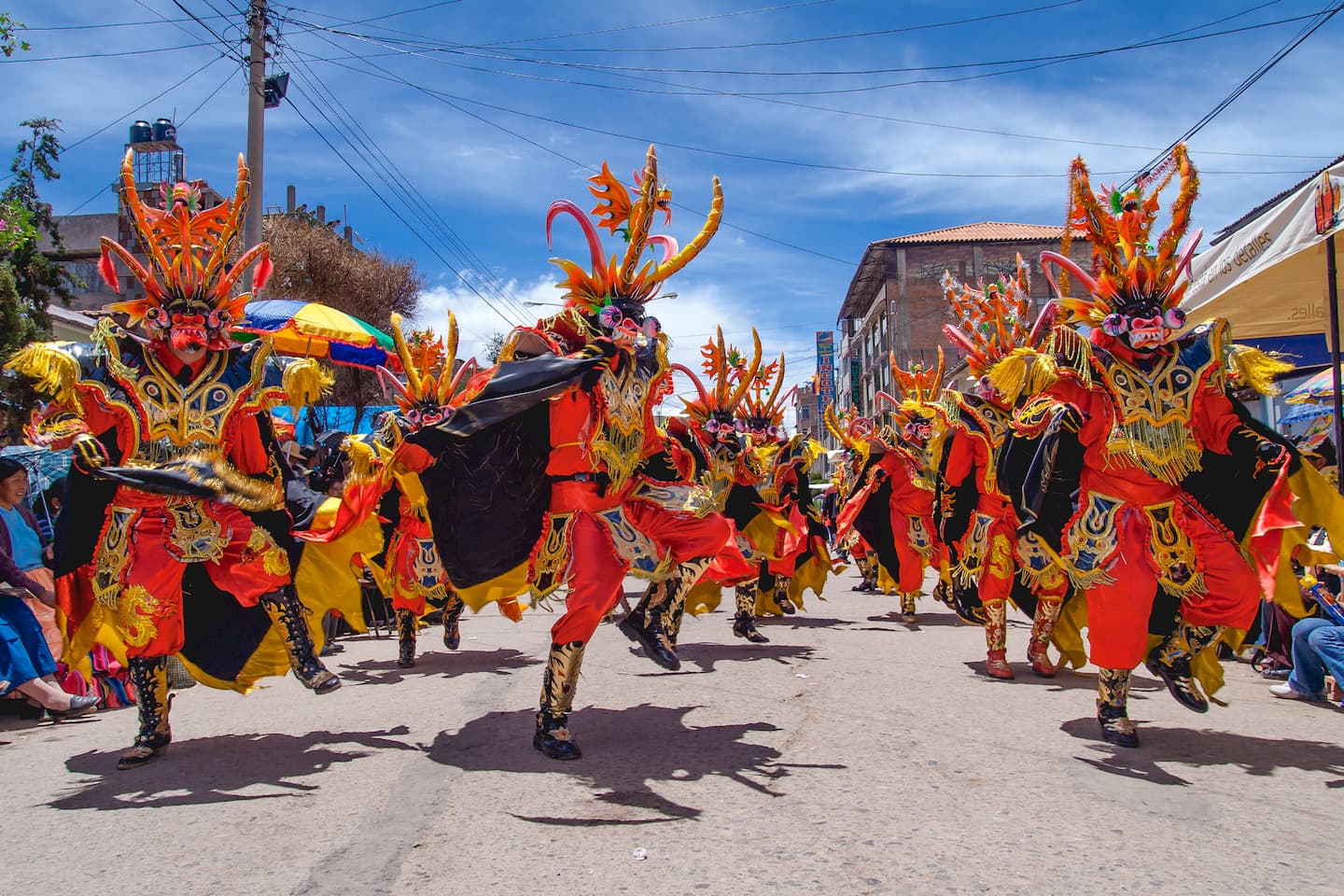
In the world of personal finance and retail strategy, the holiday calendar dictates the “when” and “how” of consumer spending. Mexico has successfully integrated commercial holidays into its fiscal culture, creating high-velocity spending windows.
El Buen Fin: Mexico’s Answer to Black Friday
While not a traditional religious or civic holiday, El Buen Fin (The Good Weekend) is a government-and-industry-sponsored shopping event held annually in November, usually around the holiday commemorating the Mexican Revolution. It is a critical period for the retail sector. Financial institutions often offer interest-free months (meses sin intereses), a staple of Mexican consumer credit. For the savvy consumer, it is a period of strategic debt management; for the business owner, it is often the most significant period of cash flow for the entire fiscal year.
The “Guadalupe-Reyes” Consumption Cycle
The period from December 12th (Day of the Virgin of Guadalupe) to January 6th (Three Kings Day) is known as the “Guadalupe-Reyes” marathon. This is not just a social period; it is a period of extreme financial movement. Most Mexican employees receive their Aguinaldo—a mandatory year-end bonus equivalent to at least 15 days of salary—during this time. This massive injection of capital into the population leads to a surge in retail, dining, and travel. Understanding this cycle is vital for businesses to manage inventory and for individuals to avoid the pitfalls of seasonal overspending.
Navigating Business Finance and Banking Obstacles
For international firms doing business in Mexico, the question of “what holiday is it” is a matter of operational continuity. The Mexican banking system adheres strictly to the calendar set by the Comisión Nacional Bancaria y de Valores (CNBV).
Banking Holidays and Settlement Risks
On official holidays, Mexican banks are closed. This can lead to significant delays in wire transfers, payroll processing, and cross-border settlements. A business that fails to account for a Monday holiday in Mexico may find itself in a liquidity crunch if they expected funds to clear. For those managing corporate treasury, it is essential to synchronize accounts-payable and accounts-receivable cycles with the CNBV calendar to avoid “trapped” cash during holiday closures.
Logistics and Supply Chain Adjustments
Public holidays often come with restrictions on heavy transport in certain urban areas or decreased staffing at customs and ports. This creates a “holiday tax” in the form of increased logistics costs or storage fees. Companies utilizing “Just-in-Time” manufacturing must build holiday buffers into their financial models to account for these predictable disruptions in the supply chain.
Financial Planning for the “Cuesta de Enero”
The flip side of the holiday-induced spending spree is the Cuesta de Enero, or the “January Slope.” This is a well-documented financial phenomenon in Mexico where inflation and the exhaustion of holiday bonuses lead to a significant contraction in consumer spending.
Inflationary Pressures and Pricing Strategies
Historically, many prices for goods and services in Mexico are adjusted in January. Combined with the debt incurred during the December holidays, this creates a period of financial hardship for many households. For investors, this is often a period of “cooling” in the markets. For businesses, it is a time for defensive financial strategies, such as offering discounts to stimulate sluggish demand or tightening credit requirements.
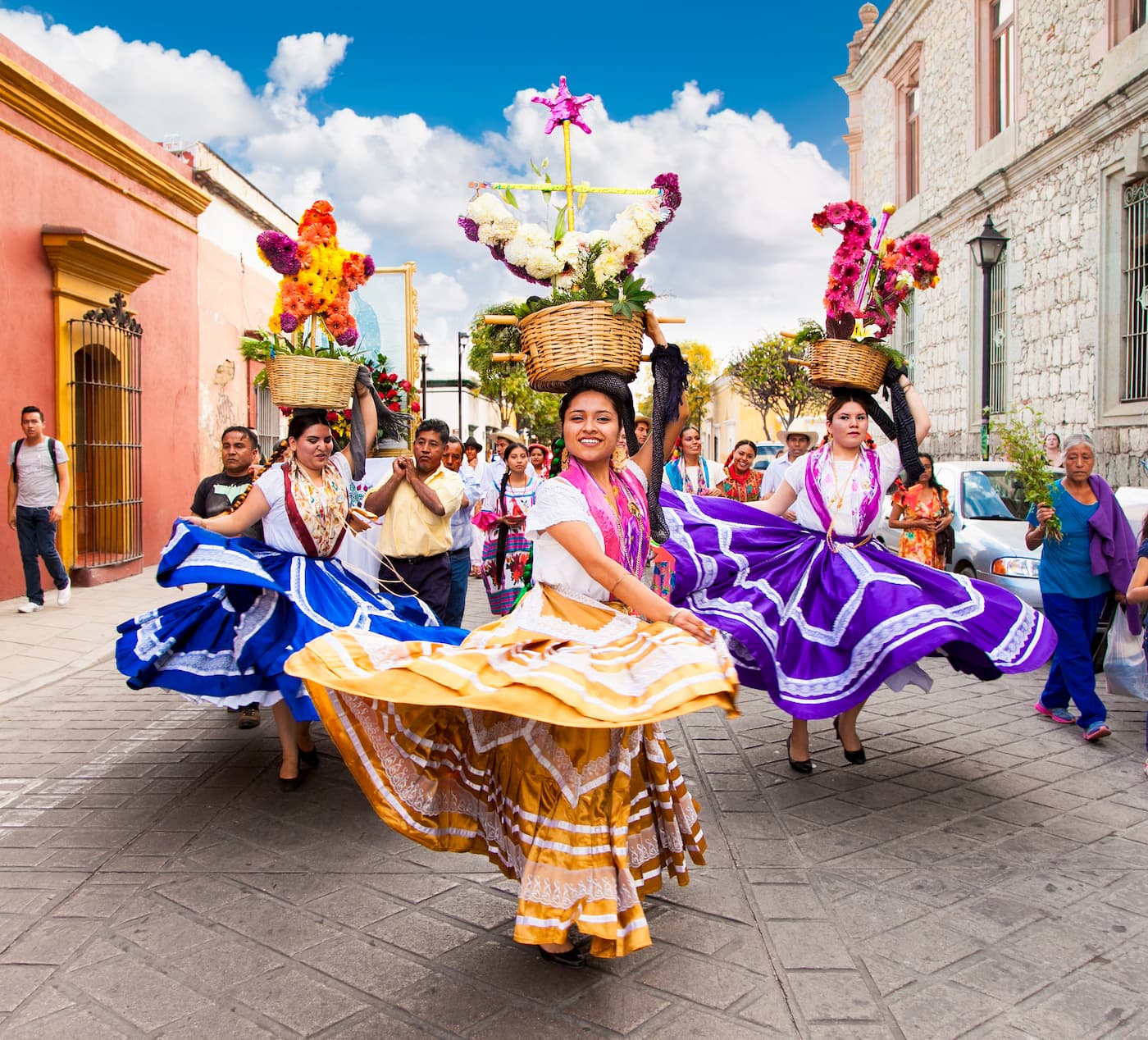
Long-term Wealth Management
From a personal finance perspective, navigating the Mexican holiday calendar requires a disciplined “sinking fund” approach. Rather than viewing the Aguinaldo bonus as “free money” for the Guadalupe-Reyes festivities, financial advisors in the region suggest allocating a portion of it toward debt repayment and January’s fixed costs. Understanding the cyclical nature of these holidays allows individuals to transform a period of high stress into a period of strategic wealth preservation.
In conclusion, knowing “what holiday it is in Mexico today” is a vital data point for anyone looking to master the financial nuances of the region. Whether it is calculating the triple-pay liabilities of a statutory holiday, timing a currency exchange to coincide with remittance surges, or preparing a retail business for the Buen Fin rush, the calendar is the ultimate roadmap for economic activity. In Mexico, culture and capital are inextricably linked; to understand one, you must inevitably master the other.
aViewFromTheCave is a participant in the Amazon Services LLC Associates Program, an affiliate advertising program designed to provide a means for sites to earn advertising fees by advertising and linking to Amazon.com. Amazon, the Amazon logo, AmazonSupply, and the AmazonSupply logo are trademarks of Amazon.com, Inc. or its affiliates. As an Amazon Associate we earn affiliate commissions from qualifying purchases.