
The seemingly simple act of a car tire staying securely attached to a vehicle is, in fact, a testament to decades of sophisticated engineering, meticulous material science, and continuous technological refinement. Far from a basic connection, the wheel assembly represents a critical interface where immense forces are managed, ensuring both performance and, most importantly, safety. Understanding the intricate system that keeps a tire firmly in place reveals a deeper appreciation for the technological backbone of modern automotive design.
The Wheel Assembly: An Engineering Marvel
At its core, the system holding the tire to a car is a complex integration of several components, each engineered to withstand dynamic loads, vibrations, and environmental stresses. This entire assembly translates the engine’s power into motion and absorbs the impacts of the road, all while maintaining a steadfast connection.
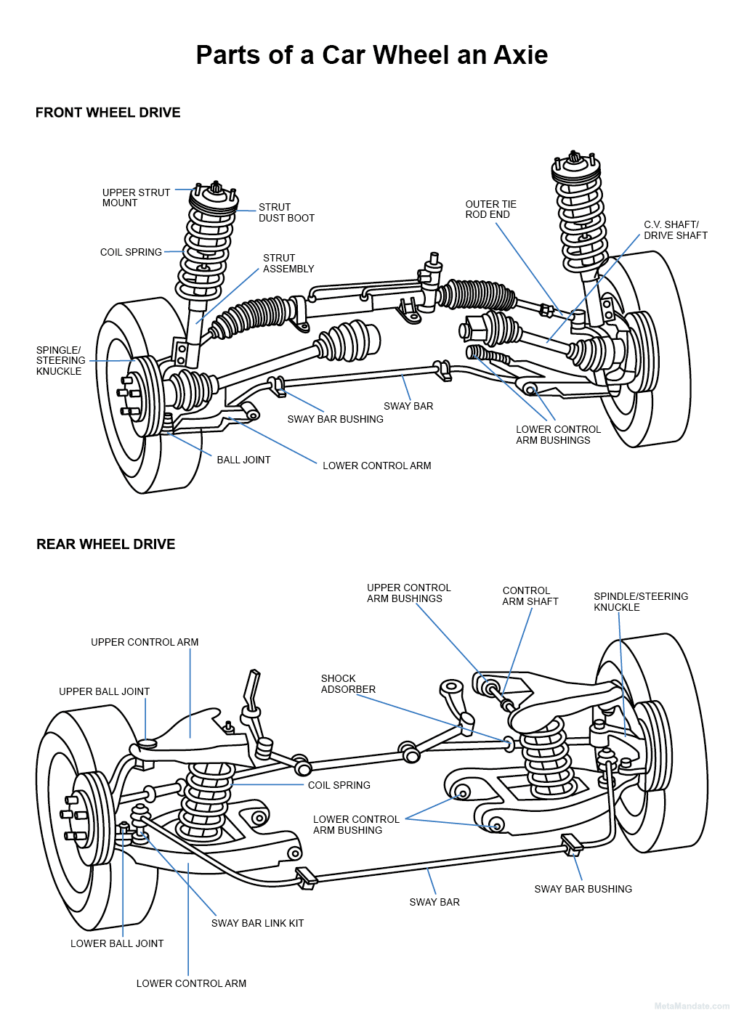
Hub and Axle: The Foundation of Connection
The journey begins with the vehicle’s axle, a central shaft that transmits power from the engine and provides the mounting point for the wheel. At the end of the axle is the hub, a robust casting or forging that forms the direct interface with the wheel. The hub is typically bolted to the suspension system, acting as a rotational anchor. Integrated into the hub are the wheel bearings, precision-engineered components that allow the wheel to spin freely with minimal friction while supporting the vehicle’s weight. Modern vehicles often employ integrated hub bearing units, which are sealed, pre-lubricated assemblies designed for longevity and reduced maintenance, representing an advancement in efficiency and reliability. The hub itself features a series of threaded studs or bolt holes, which are the primary attachment points for the wheel.
Wheel Studs and Lug Nuts: The Core Connection
The most visible and direct components responsible for holding the wheel – and thus the tire – onto the car are the wheel studs and lug nuts (or lug bolts in some European designs). Wheel studs are hardened steel bolts permanently pressed into the wheel hub, protruding outwards. The wheel is then slid over these studs. Lug nuts, also made of hardened steel, are threaded onto the studs, clamping the wheel securely against the hub face. The design of lug nuts is critical:
- Tapered Seat: Most lug nuts feature a tapered (conical) or spherical (ball) seat that matches a corresponding taper or sphere machined into the wheel’s lug holes. This design not only helps center the wheel accurately on the hub but also creates a self-locking friction fit when tightened, resisting loosening under vibration and stress.
- Material and Strength: Made from high-strength steel alloys, lug nuts are designed to withstand the immense shear and tensile forces exerted during vehicle operation, acceleration, braking, and cornering.
- Torque Specification: The precise tightening of lug nuts to a specific torque value, typically measured in foot-pounds or Newton-meters, is paramount. This ensures an optimal clamping force, preventing the wheel from becoming loose while avoiding over-tightening, which could stretch or break the studs or damage the wheel and hub. Modern automotive garages often use calibrated torque wrenches or impact wrenches with torque-limiting features to adhere to manufacturer specifications, underscoring the technical precision required.
Wheel Design and Construction
The wheel itself is not merely a decorative element but a highly engineered structure. It’s designed to be lightweight yet strong enough to support the vehicle’s weight, absorb road impacts, and withstand rotational and lateral forces.
- Material Composition: Historically, wheels were primarily steel. Today, aluminum alloys are dominant due to their superior strength-to-weight ratio, which reduces unsprung mass, improving ride quality, handling, and fuel efficiency. Magnesium alloys and carbon fiber composites are also used in high-performance and luxury vehicles for further weight reduction and increased stiffness.
- Manufacturing Processes: Wheels are produced through various sophisticated methods including casting (gravity casting, low-pressure casting), forging, and flow-forming. Forging, in particular, produces wheels with a denser, more uniform grain structure, resulting in exceptional strength and durability. These processes ensure structural integrity and precise dimensions, critical for safe wheel retention.
- Mounting Face: The flat surface of the wheel that mates directly with the hub is machined to extremely tight tolerances. Any imperfection or debris on this mating surface can prevent the wheel from sitting flush, leading to uneven clamping force, vibrations, and potentially loosening of the lug nuts over time.
Materials Science and Manufacturing Innovations
The ability of a wheel to stay securely attached is deeply rooted in advancements in materials science and precision manufacturing. These technological strides have made today’s automotive wheels stronger, lighter, and more reliable than ever.
Alloys and Composites in Wheel Production
The shift from simple steel to advanced aluminum alloys marked a significant leap. These alloys are meticulously formulated with elements like silicon, magnesium, and titanium to achieve specific properties: high tensile strength, fatigue resistance, and corrosion resistance. The heat treatment processes applied to these alloys further enhance their mechanical properties. For ultra-high-performance applications, carbon fiber composites offer unparalleled weight savings and stiffness. These materials require specialized manufacturing techniques, such as resin transfer molding or autoclave curing, ensuring defect-free components that can withstand extreme forces. The ongoing research into new alloys and composite structures continues to push the boundaries of performance and safety for wheel retention systems.
Precision Engineering for Safety
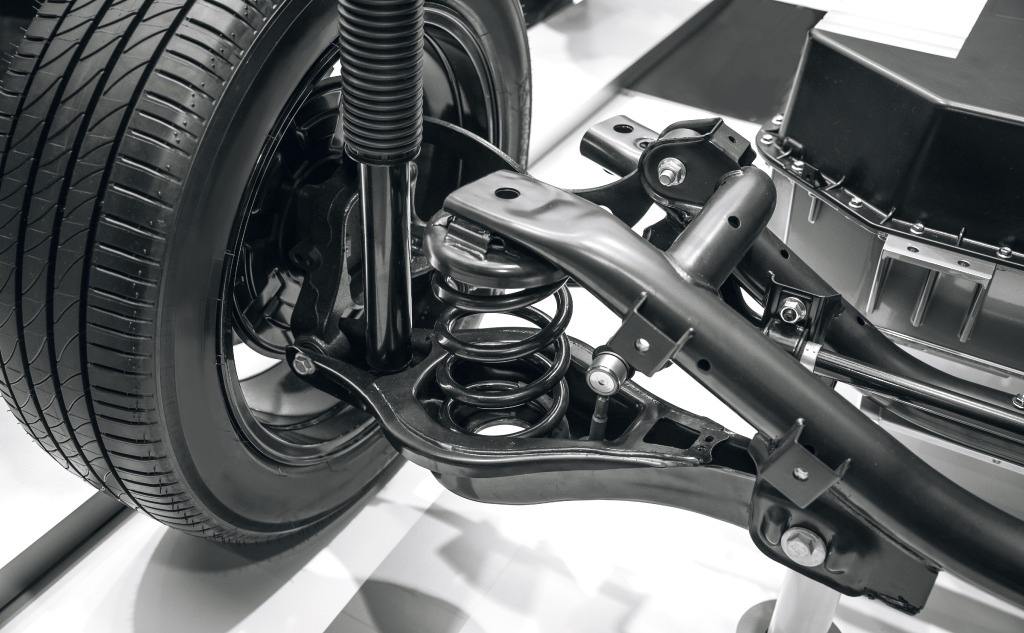
Manufacturing tolerances for wheel components are incredibly tight. Automated CNC (Computer Numerical Control) machining centers carve hubs, wheels, and lug nuts with micron-level precision. This ensures that:
- Concentricity: The wheel rotates perfectly concentrically around the hub, preventing vibrations and uneven wear.
- Flatness: The mating surfaces of the wheel and hub are perfectly flat, ensuring maximum contact area and uniform clamping force when the lug nuts are tightened.
- Thread Integrity: The threads on the wheel studs and lug nuts are precisely cut and formed, allowing for smooth engagement and consistent torque application without stripping or galling.
These manufacturing standards are directly linked to preventing wheel detachment, highlighting the role of advanced industrial technology in road safety.
Beyond the Basics: Advanced Retention Systems
While the stud-and-nut system is ubiquitous, specialized and evolving technologies offer enhanced security and performance for wheel retention.
Central Lock Wheels
Predominantly found on high-performance sports cars and racing vehicles, central lock wheels (also known as centerlock wheels) replace multiple lug nuts with a single, large nut in the center of the wheel. This system allows for incredibly fast wheel changes, crucial in motorsport, but also offers a highly robust clamping mechanism. The central nut often features an intricate design with multiple engagement points and a massive thread pitch, ensuring a secure connection under extreme loads. Advanced locking mechanisms, sometimes spring-loaded or using specific keying, prevent accidental loosening. The engineering behind these single-point connections is even more demanding, requiring incredibly strong materials and precise machining to distribute forces effectively across the entire wheel hub.
Integrated Hub Bearing Units
Modern vehicles increasingly use integrated hub bearing units, where the wheel bearings, hub, and sometimes even the ABS sensor ring are sold as a single, sealed unit. This technological integration offers several benefits for wheel retention:
- Reduced Complexity: Fewer individual components mean fewer potential points of failure and simpler assembly.
- Enhanced Precision: Manufactured as a single unit, the concentricity and alignment of the bearing and hub are factory-set to extremely tight tolerances, which directly contributes to the stability and secure mounting of the wheel.
- Improved Durability: Sealed units protect sensitive bearing components from contaminants, extending lifespan and maintaining performance.
These units exemplify how automotive technology continually seeks to consolidate and optimize components for greater reliability and safety, implicitly strengthening the wheel-to-vehicle bond.
The Role of Maintenance and Digital Diagnostics
Even the most advanced engineering requires proper care. Technological tools and practices are crucial for maintaining the integrity of the wheel retention system.
Torque Specifications and Sensors
Adhering to manufacturer-specified torque values for lug nuts is non-negotiable. Over-tightening can stretch or break studs, distort the wheel or hub, and make future removal difficult. Under-tightening can lead to lug nuts loosening, causing vibrations, stud damage, and potentially wheel detachment. Professional service centers utilize calibrated torque wrenches and pneumatic impact wrenches with controlled torque settings to ensure correct application. Furthermore, advanced diagnostic tools can detect issues like hub runout or bearing play, which, while not directly related to lug nut torque, can affect the overall stability of the wheel assembly and hint at underlying problems.
Monitoring Systems and Predictive Maintenance
In the future, sophisticated sensor technology may play an even greater role in wheel retention. While not yet common, concepts for real-time monitoring of lug nut torque or stud stress could alert drivers to potential loosening before it becomes critical. Existing tire pressure monitoring systems (TPMS) are an example of how embedded sensors enhance safety by relaying vital information to the driver. Predictive maintenance algorithms, powered by vehicle telematics, could analyze data from wheel speed sensors, vibration sensors, and other parameters to identify subtle changes that indicate impending issues with wheel bearings or retention components, allowing for proactive intervention. This represents the cutting edge of digital security and proactive safety in automotive technology.

Ensuring Road Safety Through Design and Technology
The question of “what holds the tire on a car” unveils a sophisticated technological ecosystem. From the material science behind advanced alloys to the precision engineering of hubs, studs, and lug nuts, and extending to future digital monitoring systems, every element is designed to manage immense forces and ensure unwavering stability. It’s a continuous cycle of innovation, where technological advancements in design, manufacturing, and maintenance converge to safeguard every journey, highlighting that the robust connection of a tire to a car is a paramount engineering achievement, perpetually evolving for enhanced safety and performance.
aViewFromTheCave is a participant in the Amazon Services LLC Associates Program, an affiliate advertising program designed to provide a means for sites to earn advertising fees by advertising and linking to Amazon.com. Amazon, the Amazon logo, AmazonSupply, and the AmazonSupply logo are trademarks of Amazon.com, Inc. or its affiliates. As an Amazon Associate we earn affiliate commissions from qualifying purchases.