
The onset of wisdom tooth pain is often treated as a strictly medical concern, yet the reality for most adults is that the experience is deeply rooted in personal finance. Between diagnostic imaging, surgical intervention, and the potential for lost productivity, the “cost” of impacted third molars extends far beyond the physical discomfort. Understanding how to navigate the financial landscape of oral surgery is just as critical as managing the inflammation itself. By approaching this dental health challenge with a strategic financial mindset, you can mitigate the economic impact while securing the necessary care.
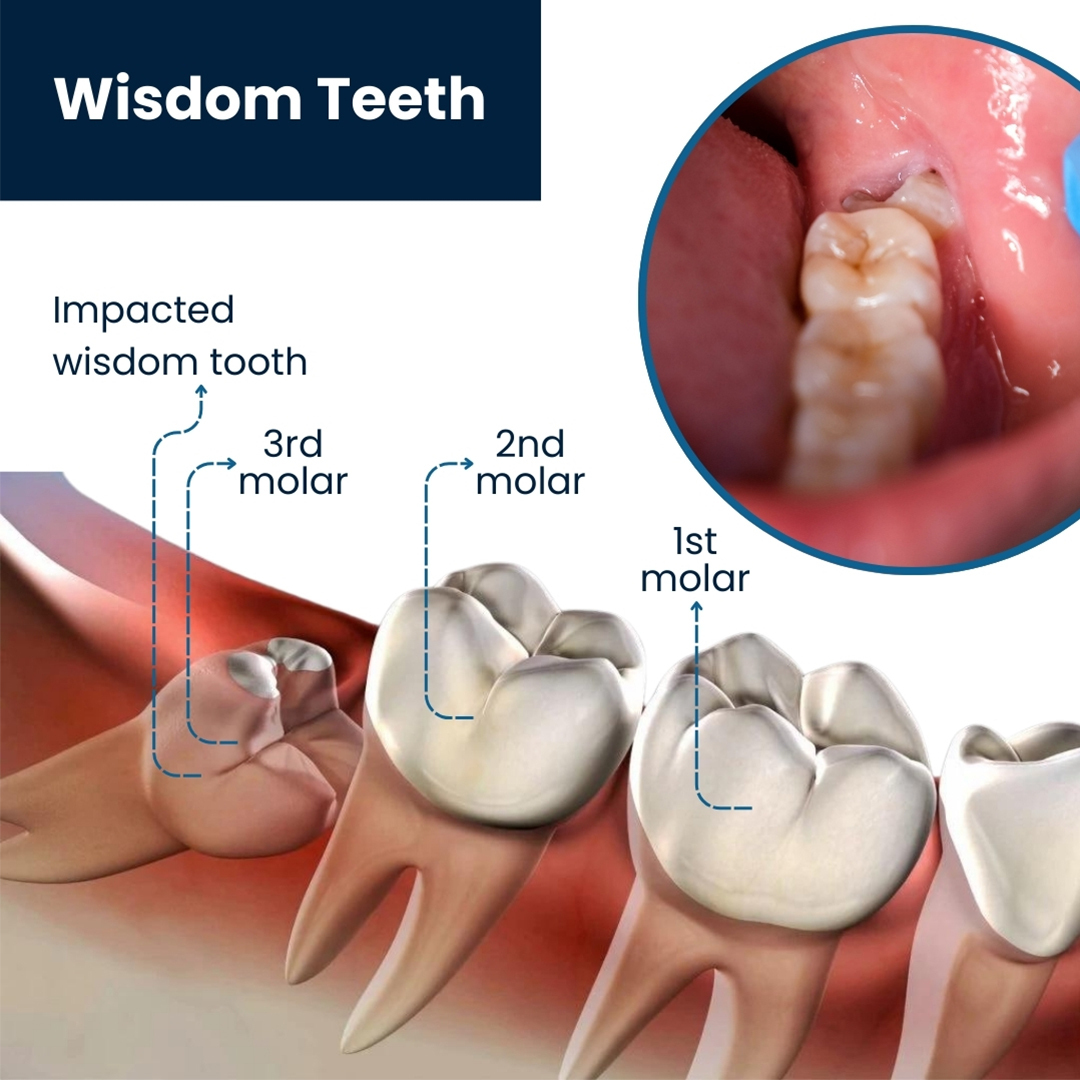
The Cost of Procrastination: Analyzing Financial Risk
When the first signs of wisdom tooth pain emerge, the immediate instinct is often to delay action, hoping the discomfort will subside. From a personal finance perspective, this “wait and see” approach is frequently the most expensive strategy an individual can adopt. Ignoring the onset of pericoronitis or decay in third molars rarely results in a self-resolving issue; instead, it typically leads to an escalation of complications that necessitate more complex, and therefore more costly, medical intervention.
Quantifying Emergency Intervention vs. Elective Care
Scheduled, elective oral surgery is priced according to standard billing codes and typically benefits from pre-negotiated insurance rates. Emergency extractions, conversely, often occur during off-hours, over weekends, or in urgent care settings that may not be “in-network.” The price differential between a planned procedure and an emergency hospital visit can be staggering. When you experience wisdom tooth pain, the most cost-effective action is to schedule an evaluation with an oral surgeon immediately. Acting early allows you to leverage your insurance deductibles and out-of-pocket maximums during a timeframe that you control, rather than being forced into high-cost emergency care when the pain becomes unbearable.
The Opportunity Cost of Lost Productivity
Beyond the direct invoice for a dental procedure, one must account for the opportunity cost of lost labor. Recovery from surgical extraction typically requires two to three days of limited activity. If you fail to budget this time or attempt to work through post-operative recovery, your professional performance—and potential income—will suffer. Strategic management of your dental health includes planning your recovery window around your professional schedule to ensure that you are not sacrificing billable hours or professional reputation due to poor preparation.
Navigating Dental Insurance and Financial Planning
For those with employer-sponsored benefits, wisdom tooth removal is often a significant use of annual dental allowances. Navigating the complexities of these plans is an essential exercise in personal finance. Many dental insurance plans have annual maximums—the total amount the insurer will pay for services within a calendar year. If your wisdom tooth pain emerges late in the year, you may find yourself in a position where you have already utilized a portion of your benefit, leaving you to cover the remainder out-of-pocket.
Maximizing Benefits and Flexible Spending Accounts
If you are currently experiencing dental discomfort, consult your benefits package immediately. If you have a Flexible Spending Account (FSA) or a Health Savings Account (HSA), oral surgery is a qualified medical expense. These accounts allow you to pay for your surgery with pre-tax dollars, effectively securing a discount equivalent to your marginal tax rate. If you have an FSA with a “use-it-or-lose-it” policy, scheduling your extraction before the end of the calendar year is a strategic way to utilize funds that would otherwise be forfeited.

Negotiation and Payment Plans
Do not assume that the price quoted by a dental office is immutable. Medical billing departments are often accustomed to patients seeking payment flexibility. If you are uninsured or facing high out-of-pocket costs, inquire about office-specific payment plans or financing options like CareCredit. Many oral surgeons partner with third-party lenders that offer zero-interest promotional periods if the balance is paid within a set timeframe. By treating the dental invoice like any other large, non-budgeted expense, you can protect your cash flow and avoid high-interest credit card debt.
Long-Term Asset Protection: Why Oral Health is an Investment
Viewing your oral health as an asset class is a shift in mindset that pays dividends over time. Neglected wisdom teeth do not merely cause temporary pain; they can lead to periodontal disease that affects the health of adjacent second molars. Second molars are essential for chewing and long-term oral function. Replacing a second molar due to decay or shifting caused by wisdom teeth is a significantly more expensive endeavor than the proactive extraction of the third molars.
The Downstream Cost of Secondary Damage
When you invest in the extraction of wisdom teeth, you are essentially purchasing “insurance” for the integrity of your remaining dentition. The cost of a crown, bridge, or dental implant to replace a second molar damaged by proximity to an impacted wisdom tooth can easily be three to five times higher than the cost of the initial surgery. By addressing wisdom tooth pain early, you are preventing a cascade of secondary dental issues that would otherwise erode your long-term wealth.
Maintaining Productivity Through Health Optimization
Financial stability is inextricably linked to physical health. Chronic pain—whether from dental infections or inflammatory responses—acts as a drag on mental clarity and professional output. If you are distracted by throbbing pain or are relying on a constant regimen of over-the-counter anti-inflammatories, you are operating at less than your peak potential. Investing in professional dental intervention is an investment in your ability to generate income and maintain a high standard of professional life. The expenditure required for oral surgery is a high-yield investment when you consider the return in the form of sustained wellness and productivity.
Managing the Economic Impact of Recovery
Once the financial and medical strategy for the procedure is secured, the final component is managing the fiscal realities of the recovery period. Preparing for the “down time” is as much about logistics as it is about rest.
Budgeting for Post-Operative Requirements
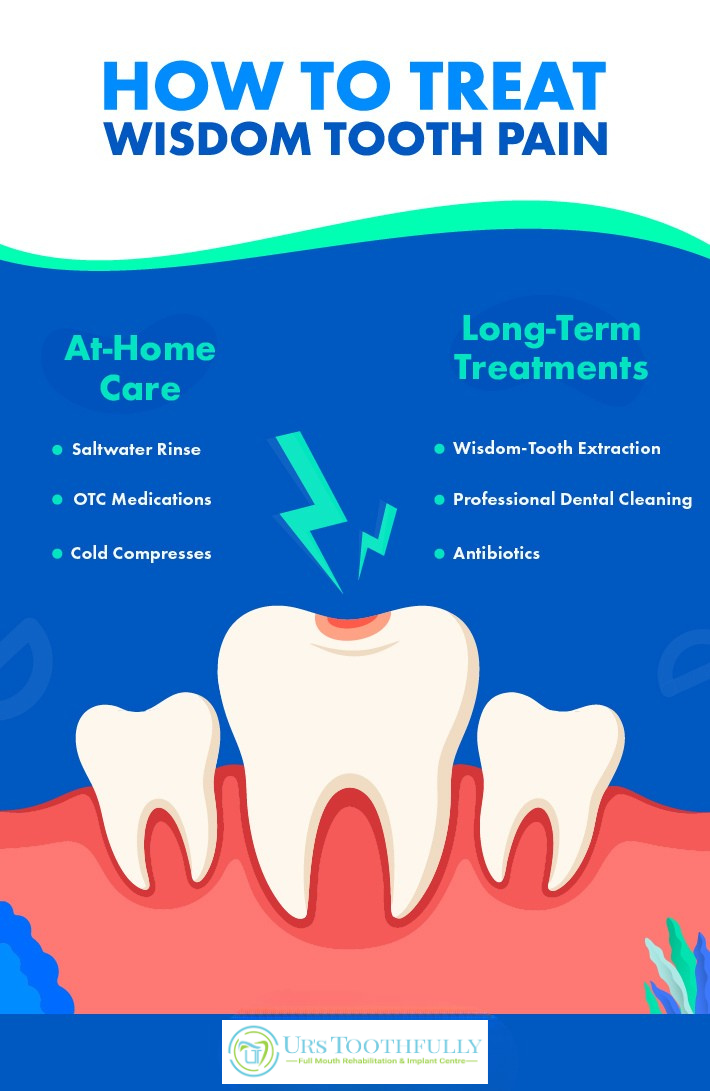
Post-operative care involves specific dietary needs and medication. Rather than relying on last-minute convenience spending, build a recovery budget. This should include the cost of soft-food nourishment, prescribed pain management, and any supplemental comforts—such as cold-therapy packs—that are medically recommended. Unexpectedly high costs during recovery often stem from poor planning, such as ordering expensive delivery meals or failing to procure prescribed medications at insurance-covered pharmacies.
The ROI of Professional Follow-Up
Finally, adhere strictly to post-operative follow-up appointments. While these visits may require additional time and potentially small co-pays, they are essential to preventing “dry socket” or infection. A complication arising from improper post-operative care can lead to additional consultations, secondary prescriptions, and a significantly extended recovery timeline, all of which represent wasted resources. View the post-operative period as a structured project. By finishing the project correctly the first time, you ensure that no further capital or time must be allocated to the same problem in the future.
In summary, wisdom tooth pain is a financial trigger that demands a professional, proactive response. By analyzing the costs of delay, leveraging tax-advantaged accounts, protecting your long-term dental assets, and efficiently managing your recovery, you can resolve the issue with minimal disruption to your overall financial strategy. Approaching this health challenge with the same rigor you apply to your personal finances ensures that your recovery is swift, economical, and permanent.
aViewFromTheCave is a participant in the Amazon Services LLC Associates Program, an affiliate advertising program designed to provide a means for sites to earn advertising fees by advertising and linking to Amazon.com. Amazon, the Amazon logo, AmazonSupply, and the AmazonSupply logo are trademarks of Amazon.com, Inc. or its affiliates. As an Amazon Associate we earn affiliate commissions from qualifying purchases.