
Dust, an ubiquitous presence in every indoor space, is more than just a visible nuisance. Composed of everything from dead skin cells and pet dander to pollen, textile fibers, and microscopic particles, it impacts indoor air quality, triggers allergies, exacerbates respiratory conditions, and dulls the aesthetic of even the most meticulously designed interiors. For generations, combating dust relied primarily on manual labor: dusting, sweeping, and vacuuming. While these methods remain fundamental, modern technological advancements have revolutionized our approach to dust management, offering more efficient, automated, and intelligent solutions. Integrating smart devices and advanced systems into our homes and workplaces not only reduces the visible signs of dust but also significantly improves overall environmental health.

The Pervasive Problem of Dust in Modern Living
Understanding the nature of dust is the first step toward effective mitigation. It’s not just inert particles; it’s a complex matrix carrying allergens, bacteria, and volatile organic compounds (VOCs). The sheer volume and microscopic nature of dust mean that traditional cleaning methods often merely stir it up, relocating particles rather than removing them from the air or the environment.
Understanding Dust Composition and its Impact
Dust originates from both indoor and outdoor sources. Indoor contributors include human skin flakes, pet dander, textile fibers, and food crumbs. Outdoor sources, like pollen, mold spores, and pollutants, infiltrate through windows, doors, and ventilation systems. These particles settle on surfaces, circulate in the air, and are often too small to be seen individually, accumulating over time. Exposure to high concentrations of dust, particularly those laden with allergens or irritants, can lead to chronic sneezing, coughing, itchy eyes, and exacerbated asthma symptoms. Beyond health, dust degrades electronics, clogs vents, and reduces the lifespan of appliances by acting as an insulator, trapping heat and causing components to overheat.
Traditional Approaches vs. Tech Solutions
Historically, dust control involved regular wiping with cloths, manual vacuuming, and ventilation. While effective to a degree, these methods are labor-intensive, time-consuming, and often less efficient at capturing microscopic particles or continuously purifying the air. Traditional vacuums, for instance, might recirculate fine dust back into the air if not equipped with adequate filtration. Damp cloths help, but they require constant rinsing and can miss airborne particles. The paradigm shift brought by technology offers proactive, continuous, and automated solutions that not only clean but also monitor and maintain optimal air quality, fundamentally changing how we tackle dust.
Smart Home Innovations for Dust Management
The advent of smart home technology has ushered in an era where dust control can be largely automated and highly effective. These devices integrate seamlessly into daily life, working autonomously or on command to maintain a cleaner, healthier living space.
Robotic Vacuums and Mops: Autonomous Cleaning
Robotic vacuums and mops are perhaps the most visible ambassadors of smart dust management. These autonomous devices are designed to patrol floors, systematically collecting dust, dirt, and debris without direct human intervention.
Navigation and Mapping Technologies
Modern robotic vacuums leverage sophisticated navigation technologies such as LiDAR (Light Detection and Ranging) sensors, vSLAM (visual Simultaneous Localization and Mapping), and gyroscopes to create precise maps of a home’s layout. This allows them to navigate around furniture, avoid obstacles, and clean systematically without missing spots or repeating areas unnecessarily. Users can define no-go zones, virtual walls, or specific areas for concentrated cleaning through companion apps, optimizing the robot’s performance.
Advanced Filtration Systems (HEPA)
A critical feature in high-performance robotic vacuums is the inclusion of advanced filtration, most notably High-Efficiency Particulate Air (HEPA) filters. These filters are capable of capturing 99.97% of airborne particles 0.3 micrometers (µm) in diameter, including pollen, dust mites, pet dander, and smoke. This ensures that the dust collected is trapped within the vacuum’s bin and not recirculated back into the air, a common failing of older, less capable models. Some models also incorporate multi-layered filters and cyclonic separation technology to maintain consistent suction power even as the dustbin fills.
Smart Home Integration and Scheduling
Robotic vacuums and mops can be integrated into broader smart home ecosystems, allowing for voice control via smart assistants (like Alexa or Google Assistant) or automated routines triggered by other smart devices. Users can schedule daily or weekly cleaning sessions, initiating the process even when they are away from home. Some advanced models can even empty their own dustbins into larger, sealed receptacles, providing weeks of hands-free operation.
Air Purifiers: The Invisible Shield
While robotic vacuums tackle dust on surfaces, air purifiers address the airborne particulate matter that constantly circulates. These devices are crucial for capturing the invisible dust that contributes to allergies and poor indoor air quality.
Types of Air Filtration (HEPA, Activated Carbon, UV-C)
The core of an air purifier’s effectiveness lies in its filtration system. HEPA filters, as mentioned, are essential for capturing microscopic particles. Activated carbon filters are often paired with HEPA filters to absorb odors, gases, and VOCs (Volatile Organic Compounds) that traditional filters cannot trap. Some high-end models also include UV-C light sterilization, which can kill airborne bacteria, viruses, and mold spores, adding another layer of purification. Pre-filters extend the life of main filters by capturing larger particles like hair and lint.
CADR Ratings and Room Size Suitability
When selecting an air purifier, the Clean Air Delivery Rate (CADR) is a critical metric. CADR measures how quickly an air purifier removes pollutants from a room, indicating the volume of filtered air delivered per minute. Higher CADR ratings signify faster and more effective air cleaning. Air purifiers are designed for specific room sizes, and matching the device’s capacity to the room it will occupy is vital for optimal performance. Many purifiers specify how many “air changes per hour” (ACH) they can achieve in a given space, ideally aiming for at least 4-5 ACH for allergy sufferers.

Smart Features: Sensors, Auto Mode, App Control
Modern air purifiers are far from simple fans with filters. They often incorporate sophisticated sensors that detect particulate matter (PM2.5, PM10), VOCs, and humidity levels in real-time. An “auto mode” allows the purifier to adjust its fan speed automatically based on detected air quality, optimizing energy consumption and cleaning efficiency. Companion apps provide remote control, scheduling, filter life monitoring, and detailed air quality reports, allowing users to understand and manage their indoor environment more effectively. Some can even integrate with smart home systems to trigger other devices, like smart vents, when air quality dips.
Advanced Tools and Techniques for Targeted Dust Control
Beyond autonomous systems, a range of advanced tools and techniques employing cutting-edge technology enhance targeted dust control, providing powerful and precise cleaning capabilities where needed most.
Cordless Stick Vacuums with Specialized Attachments
Cordless stick vacuums have evolved significantly, becoming powerful, lightweight, and versatile tools for quick clean-ups and thorough detailing. Their portability and maneuverability make them ideal for reaching high places, under furniture, and into crevices where dust accumulates.
Motor Technology and Suction Power
Modern stick vacuums feature advanced brushless motors that provide high suction power while being energy-efficient and quieter than traditional brushed motors. Many incorporate cyclonic technology that separates dust and air, preventing filter clogging and maintaining consistent suction throughout the cleaning process. Multiple power modes allow users to switch between energy-saving and high-power options depending on the cleaning task.
Filtration and Dust Bin Design
Similar to robotic vacuums, high-quality stick vacuums often integrate multi-stage filtration systems, including HEPA filters, to ensure that captured dust is retained within the device. The design of dust bins has also improved, featuring “point-and-shoot” or hygienic emptying mechanisms that minimize user contact with dust. Specialized attachments, such as crevice tools, mini motorized tools for pet hair, and soft dusting brushes, enable targeted cleaning of various surfaces and hard-to-reach areas.
Smart Monitoring and Environmental Control
Dust management isn’t just about removal; it’s also about preventing its accumulation and mitigating its impact. Smart environmental controls play a crucial role in maintaining conditions that are less conducive to dust and its associated issues.
Air Quality Sensors and Smart Thermostats
Dedicated indoor air quality (IAQ) monitors and smart thermostats equipped with IAQ sensors provide real-time data on particulate matter, VOCs, CO2 levels, and humidity. These devices can alert users to poor air quality and, in integrated smart homes, even trigger air purifiers or ventilation systems automatically. Some smart thermostats can optimize HVAC fan operation to improve air circulation and filtration, reducing dust build-up within the system.
Humidifiers and Dehumidifiers for Dust Mite Control
Humidity levels play a significant role in dust mite proliferation. Dust mites thrive in environments with high humidity (above 70%). Smart humidifiers and dehumidifiers, often controllable via apps and integrated with smart home ecosystems, can maintain optimal indoor humidity levels (ideally between 40-50%). By keeping humidity within this range, these devices create an environment less hospitable to dust mites, significantly reducing this common allergen source. Dehumidifiers are particularly useful in humid climates or basements prone to moisture.
Future Trends in Dust Mitigation Technology
The evolution of dust control technology is ongoing, promising even more sophisticated and integrated solutions in the near future. Artificial intelligence, sustainable practices, and holistic home ecosystems are at the forefront of these advancements.
AI and Machine Learning in Cleaning Devices
Future cleaning devices will increasingly leverage AI and machine learning to optimize their performance. Robotic vacuums will learn evolving home layouts, identify specific areas that accumulate more dust (e.g., high-traffic zones, pet resting spots), and adapt cleaning routines accordingly. AI could enable predictive maintenance, alerting users when filters need replacement or specific components require attention based on usage patterns. Expect robots with enhanced object recognition, capable of distinguishing between temporary clutter and permanent fixtures.
Eco-Friendly and Sustainable Tech Solutions
The drive for sustainability will influence dust control technology. This includes developing more energy-efficient motors, creating recyclable components, and designing filters with longer lifespans or biodegradable materials. Innovations might also focus on reducing the need for disposable parts, promoting reusable alternatives, and utilizing smarter energy management algorithms to minimize environmental impact.
Integrated Home Ecosystems for Holistic Air Quality
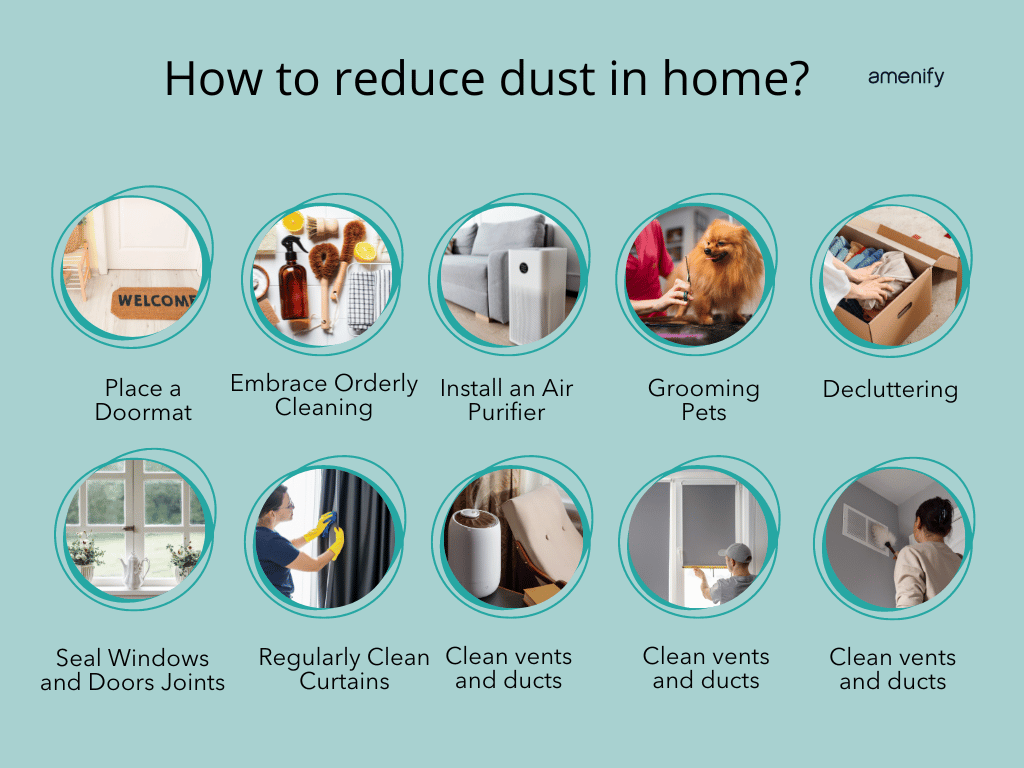
The future envisions a truly integrated home where all smart devices communicate seamlessly to manage the indoor environment. Air purifiers, smart HVAC systems, robotic vacuums, and environmental sensors will form a cohesive ecosystem. This means a thermostat might detect rising outdoor pollen, prompting the air purifier to activate and the smart blinds to close. Or, an air quality sensor detecting elevated dust levels might trigger the robotic vacuum for an impromptu cleaning session. This holistic approach will move beyond individual device functionalities to create an intelligent, self-regulating home environment that proactively combats dust and ensures optimal air quality around the clock, with minimal human intervention.
Embracing these technological advancements offers a powerful means to significantly reduce dust, enhance air quality, and foster healthier, more comfortable living and working environments. The future of dust control is intelligent, automated, and deeply integrated into the smart homes of tomorrow.
aViewFromTheCave is a participant in the Amazon Services LLC Associates Program, an affiliate advertising program designed to provide a means for sites to earn advertising fees by advertising and linking to Amazon.com. Amazon, the Amazon logo, AmazonSupply, and the AmazonSupply logo are trademarks of Amazon.com, Inc. or its affiliates. As an Amazon Associate we earn affiliate commissions from qualifying purchases.