
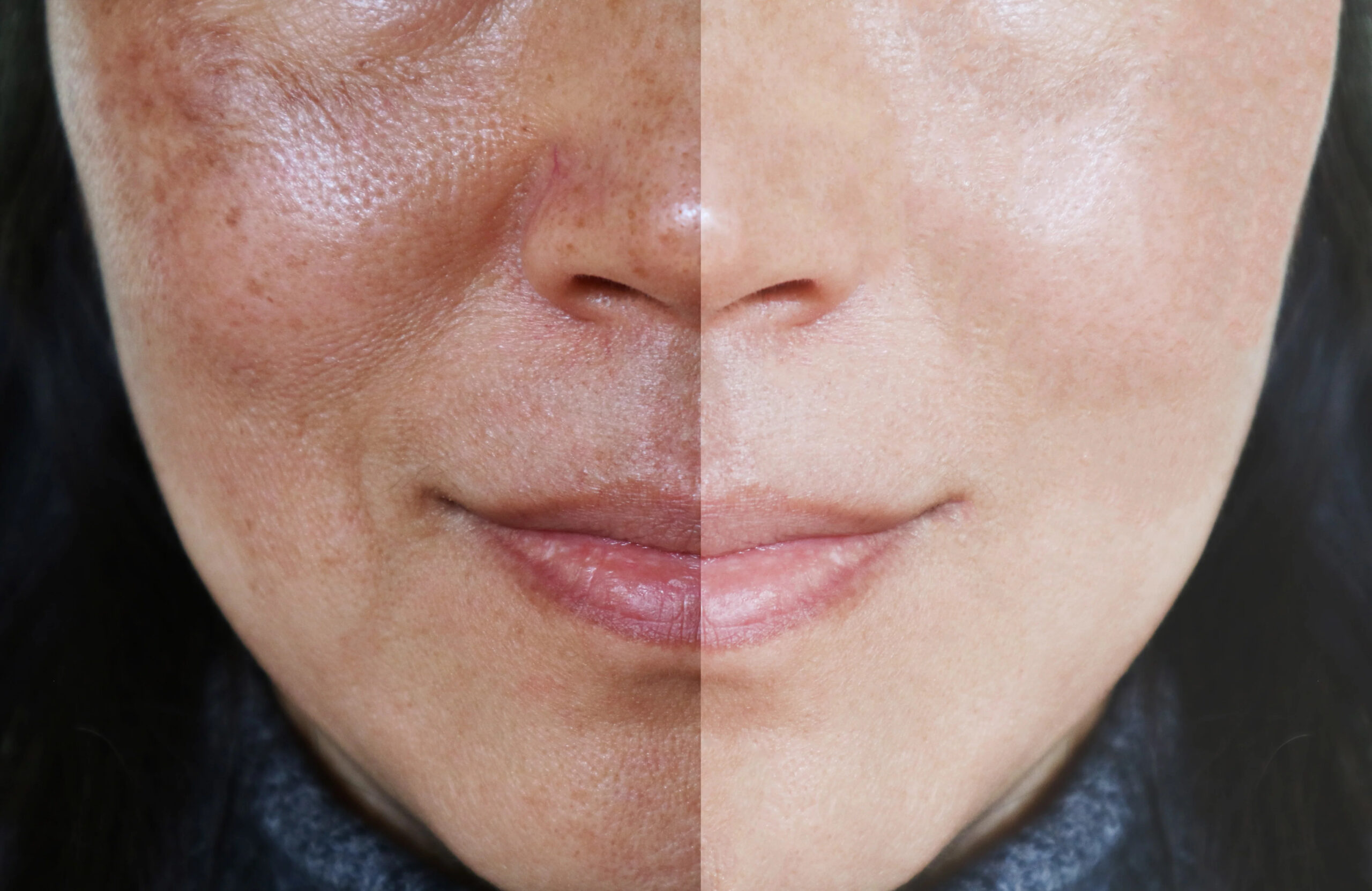
Achieving a uniform complexion has long been a pursuit in skincare, with uneven skin tone manifesting as hyperpigmentation, dark spots, sun spots, melasma, and post-inflammatory pigmentation. While traditional topical treatments have played a significant role, the digital age has ushered in a new era of sophisticated technological solutions, fundamentally transforming how individuals approach and manage this common concern. From AI-powered diagnostics to advanced at-home devices and biotechnological breakthroughs, technology is now at the forefront of the fight against uneven skin tone, offering precision, personalization, and unprecedented accessibility.
The Technological Revolution in Skin Pigmentation Correction
The landscape of skincare has been dramatically reshaped by technological advancements, moving beyond conventional creams and serums to embrace innovative tools and methodologies that offer more targeted and effective solutions for uneven skin tone. This evolution signifies a shift towards data-driven, device-assisted care, providing users with more control and insight into their skin health.
AI-Powered Skin Diagnostics and Personalized Skincare Platforms
Artificial intelligence (AI) has emerged as a cornerstone in modern dermatology and cosmetology, offering unparalleled diagnostic capabilities. AI-powered applications and handheld devices leverage advanced image recognition algorithms to analyze skin conditions with remarkable accuracy. By scanning facial skin, these tools can identify subtle variations in pigmentation, detect underlying causes of uneven tone, assess UV damage, and even predict future skin concerns.
These diagnostic insights form the basis for highly personalized skincare regimens. Rather than relying on generic product recommendations, AI platforms can suggest specific ingredients, product formulations, and even treatment protocols tailored to an individual’s unique skin profile, lifestyle, and environmental factors. For instance, an AI might recommend a regimen incorporating potent antioxidants and tyrosinase inhibitors for sun-induced hyperpigmentation, or specific soothing ingredients and barrier repair for post-inflammatory erythema. This data-driven personalization maximizes efficacy, minimizes trial-and-error, and significantly enhances the user’s journey towards a more even skin tone. The ability to monitor progress over time through repeated scans further refines the treatment approach, ensuring continuous adaptation to the skin’s evolving needs.
Advanced At-Home Devices for Targeted Treatment
The proliferation of sophisticated at-home skincare devices has empowered consumers to take a proactive role in managing uneven skin tone from the comfort of their homes. These gadgets, once exclusive to professional settings, now offer a safe and effective means to complement daily skincare routines.
- LED Light Therapy Masks: Utilizing specific wavelengths of light, LED masks target various skin concerns. Red light therapy, for instance, is known to stimulate collagen production, reduce inflammation, and improve overall skin texture, which can indirectly contribute to a more even tone by fostering healthier skin cell turnover. Blue light is primarily used for acne, but the overall improvement in skin health and reduction in inflammation can mitigate post-inflammatory hyperpigmentation. Certain green LED lights are also being explored for their potential to inhibit melanin production, directly addressing dark spots.
- Microcurrent Devices: These devices deliver low-level electrical currents to stimulate facial muscles and promote cellular activity. While primarily known for their lifting and firming effects, improved circulation and cellular regeneration can enhance skin radiance and contribute to a more uniform complexion by supporting overall skin health and healing.
- Handheld Laser and IPL (Intense Pulsed Light) Devices: Designed for home use, these devices emit controlled pulses of light or laser energy to target pigment in dark spots and sun damage. They work by breaking down melanin clusters, which are then naturally cleared by the body. While less powerful than professional-grade machines, consistent and correct use of these devices can lead to noticeable improvements in localized hyperpigmentation, offering a convenient alternative for managing persistent unevenness.
These at-home technologies provide a cost-effective and convenient way to maintain professional treatment results or address milder forms of uneven skin tone, bridging the gap between daily topicals and clinical procedures.
Professional-Grade Technologies Accessible in Med-Spas
Beyond home use, technological advancements have also revolutionized professional treatments for uneven skin tone, making them more precise, safer, and more effective. Med-spas and dermatological clinics now offer an array of high-tech solutions that deliver transformative results.
- Fractional Lasers: These advanced lasers create microscopic thermal zones in the skin, stimulating the body’s natural healing process to produce new, healthy skin cells. This process effectively resurfaces the skin, significantly reducing the appearance of sun spots, age spots, and acne scars that contribute to uneven tone.
- Intense Pulsed Light (IPL) Therapy: IPL uses broad-spectrum light to target melanin in pigmented lesions and hemoglobin in blood vessels. It is highly effective in treating sun damage, brown spots, and diffused redness, leading to a clearer and more even complexion.
- Chemical Peels with Tech-Assisted Delivery: While chemical peels are not new, technology has enhanced their application and efficacy. Devices are now used to prepare the skin, ensure uniform application of the peeling agent, and monitor skin response during the procedure, leading to more controlled and predictable outcomes in addressing pigmentation.
These professional technologies, guided by expert practitioners, offer potent solutions for more stubborn or widespread uneven skin tone, often achieving results that topical products alone cannot.
Digital Tools for Enhanced Skin Health Management
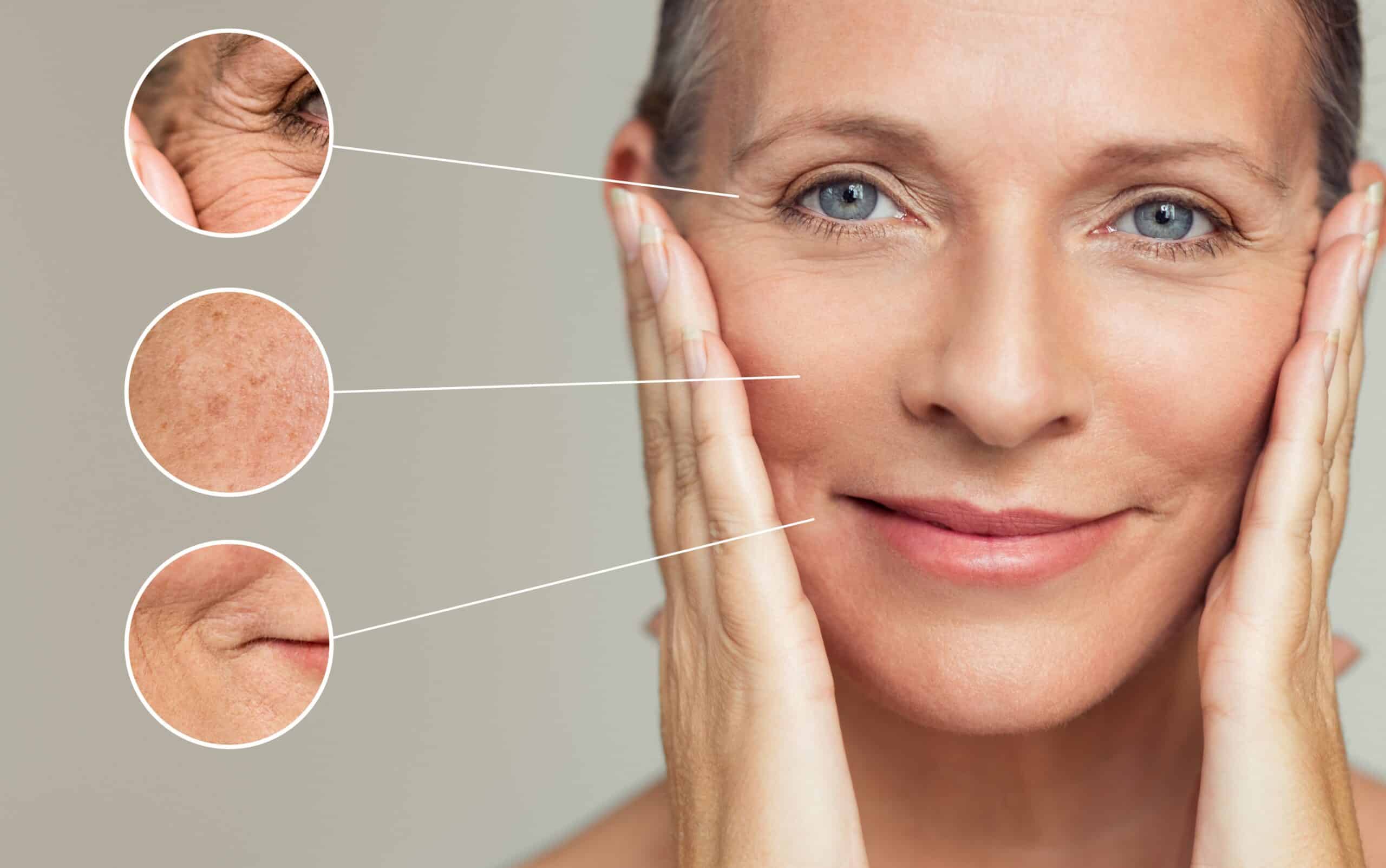
The ubiquity of smartphones and the continuous development of intuitive applications have introduced a new paradigm in personal skin health management. These digital tools empower individuals with knowledge, tracking capabilities, and professional access, fostering a more informed and proactive approach to achieving an even skin tone.
Mobile Applications for Skin Tracking and Ingredient Analysis
Modern mobile applications serve as invaluable companions in the journey towards even skin. Many apps allow users to meticulously log their daily skincare routines, detailing products used, environmental exposure, and lifestyle factors. Critically, they enable photographic tracking of skin changes over time. By taking regular, standardized photos, users can visually monitor the progress of dark spots fading, overall skin tone improvement, or the emergence of new concerns. This objective data helps users understand what works and what doesn’t, allowing them to adjust their routines more effectively.
Furthermore, ingredient analysis features within these apps are indispensable. Users can scan product barcodes or input ingredient lists to receive detailed breakdowns of active components, potential irritants, and their efficacy in addressing specific concerns like hyperpigmentation. This demystifies complex chemical names and empowers consumers to make educated choices about products that truly align with their goal of achieving an even skin tone, avoiding ingredients that might exacerbate unevenness or simply be ineffective.
Virtual Consultations and Teledermatology
Technology has dissolved geographical barriers, making expert dermatological advice more accessible than ever through virtual consultations and teledermatology platforms. For individuals struggling with persistent uneven skin tone, these services offer the convenience of connecting with board-certified dermatologists and skincare professionals from anywhere.
Patients can upload high-resolution images of their skin concerns, describe their symptoms, and discuss their skincare history via secure digital platforms. Dermatologists can then provide accurate diagnoses, recommend personalized treatment plans (including prescription medications, in-office procedures, or advanced topical formulations), and monitor progress through follow-up virtual appointments. This significantly reduces wait times, eliminates the need for travel, and provides timely expert intervention, which is crucial for conditions like melasma or severe hyperpigmentation that benefit from early and consistent management. Teledermatology makes specialized care for uneven skin tone not just possible, but practical for a broader population.
Innovation on the Horizon: The Future of Even Skin Tone
The rapid pace of technological innovation suggests an even more exciting future for addressing uneven skin tone. Emerging technologies promise not only more effective treatments but also preventative measures and highly customized experiences that integrate seamlessly into daily life.
Smart Skincare Devices and Wearables
The next wave of skincare technology will likely see the integration of smart sensors and artificial intelligence into everyday devices and wearables. Imagine smart patches that monitor skin hydration, pH levels, and even melanin production in real-time, delivering targeted active ingredients only when and where they are needed. Wearable devices could continuously track UV exposure, alerting users to reapply sunscreen or seek shade, thus preventing new pigmentation issues before they even begin. These adaptive technologies promise a dynamic and responsive approach to skincare, moving beyond static routines to embrace real-time biological data for optimal skin health and tone uniformity.
Biotechnology and Gene-Based Approaches
At the cutting edge of science, biotechnology holds immense promise for revolutionizing the treatment of uneven skin tone. Research into gene-editing technologies, such as CRISPR, is exploring ways to precisely target and modulate the genes responsible for melanin production, offering the potential for highly specific and long-lasting correction of hyperpigmentation disorders. Furthermore, biotechnologically engineered ingredients, designed for superior bioavailability and targeted action at the cellular level, are being developed. These innovations could lead to novel active compounds that are far more effective at inhibiting melanogenesis or accelerating pigment removal than anything currently available, addressing the root causes of uneven skin tone with unprecedented precision.

Augmented Reality for Skincare Simulation and Product Testing
Augmented Reality (AR) is poised to transform the product selection and treatment planning process for uneven skin tone. AR applications could allow users to visualize the potential effects of specific treatments or products on their own skin in a simulated environment. Before committing to a laser treatment or purchasing a new serum, users could “try on” the expected results, seeing how dark spots might fade or overall tone could even out in a virtual overlay. This technology enhances consumer confidence, personalizes the shopping experience, and reduces the guesswork involved in selecting the most appropriate solutions for individual concerns.
The convergence of AI, advanced devices, digital platforms, and biotechnological research is fundamentally reshaping the approach to uneven skin tone. These technological advancements offer a future where achieving a luminous, uniform complexion is not just a dream, but an increasingly attainable reality, driven by personalization, precision, and proactive care.
aViewFromTheCave is a participant in the Amazon Services LLC Associates Program, an affiliate advertising program designed to provide a means for sites to earn advertising fees by advertising and linking to Amazon.com. Amazon, the Amazon logo, AmazonSupply, and the AmazonSupply logo are trademarks of Amazon.com, Inc. or its affiliates. As an Amazon Associate we earn affiliate commissions from qualifying purchases.