
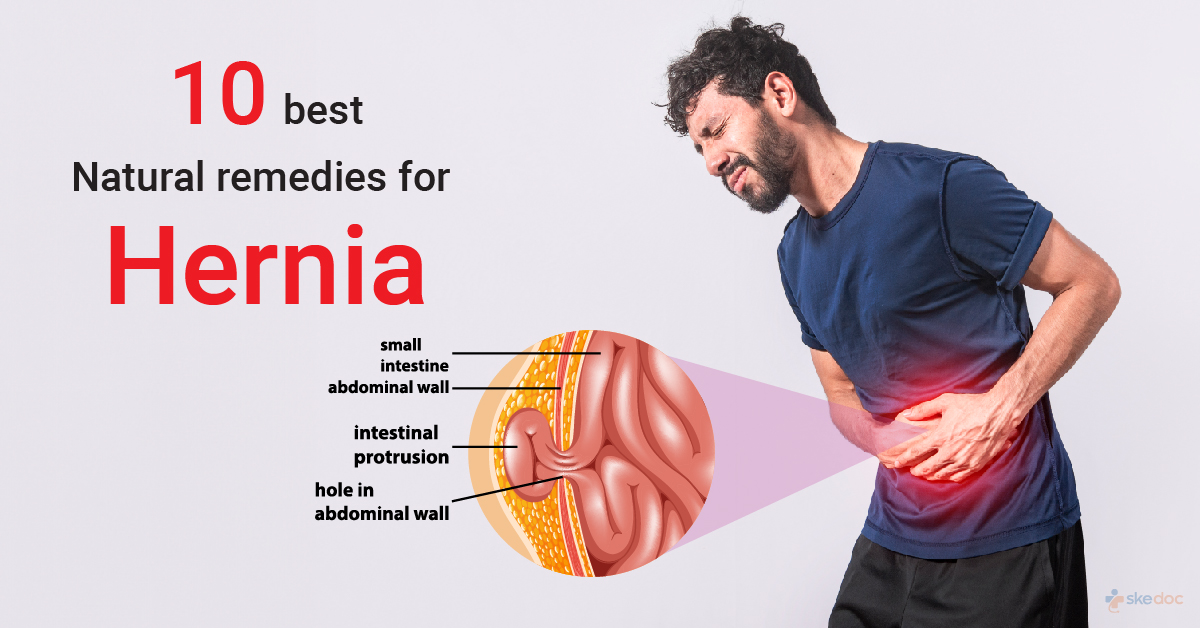
Navigating the discomfort associated with a hernia requires a strategic blend of lifestyle adjustments, tactical physical management, and a deep understanding of how internal pressure impacts your physical integrity. While a hernia—a protrusion of an organ through the structure that normally contains it—often requires surgical intervention for a permanent solution, the interim management of pain is a matter of precision and discipline. By focusing on mechanical load reduction, abdominal wall support, and physiological stabilization, individuals can mitigate symptoms while preparing for long-term health resolutions.
The Mechanics of Pain: Understanding Intra-Abdominal Pressure
To manage hernia pain effectively, one must first view the body as a pressurized system. The core is not merely a collection of muscles; it is a pressurized cylinder designed to protect internal organs. When the integrity of the abdominal wall is compromised, any spike in intra-abdominal pressure acts as a force pushing contents through the defect, resulting in sharp pain, aching, or a sensation of heaviness.
The Physics of Physical Exertion
The primary trigger for hernia pain is the Valsalva maneuver—the act of holding one’s breath while straining or exerting effort. This action dramatically increases internal pressure. To manage pain, one must master the art of “exhale-on-exertion.” Whether lifting a bag of groceries or rising from a chair, exhaling during the moment of effort prevents the diaphragm from descending forcibly against the abdominal cavity, thereby reducing the pressure that exacerbates the hernia.
Gravity and Positional Relief
Gravity is a constant factor in hernia discomfort. When standing or sitting upright, the weight of the viscera exerts downward pressure on the abdominal floor. Frequent transitions to a recumbent position allow gravity to shift the load away from the defect, offering immediate mechanical relief. By incorporating short periods of horizontal rest throughout the day, the tissues surrounding the hernia are given the opportunity to decompress and settle, preventing the inflammation associated with prolonged vertical strain.
Tactical Support: Using Medical Compression as an Anchor
When the natural musculature fails to provide enough structural integrity, external support becomes the most effective intervention. Compression garments are not merely comfort items; they are structural reinforcements for a weakened abdominal wall.
The Role of Hernia Belts and Trusses
A well-fitted hernia belt acts as an external anchor. By applying localized pressure to the hernia site, these devices prevent the contents from protruding outward during movement. It is critical, however, to ensure the fit is precise. An ill-fitting belt can cause skin irritation or, worse, compress the hernia contents too tightly, leading to tissue damage. The goal is to provide enough structural support to contain the protrusion without restricting blood flow or hindering deep breathing.
Fabric Selection and Skin Integrity
Because a support belt is often worn for extended periods, the material choice is vital. Moisture-wicking, breathable fabrics are essential to prevent maceration of the skin around the hernia site. A clean, dry barrier between the skin and the compression device prevents dermatitis, which, if left untreated, can turn into a secondary source of pain that mimics or obscures the underlying hernia discomfort. Regularly cleansing the area and rotating support garments ensures that your tactical management strategy does not lead to dermatological complications.
Lifestyle Engineering: Modifying Movement Patterns
Managing a hernia is an exercise in lifestyle recalibration. Every movement must be audited for its potential to trigger the protrusion. This does not mean becoming sedentary, which can weaken the core further, but rather becoming “movement-efficient.”
The “Log Roll” and Vertical Transition
How you move in and out of bed or a chair can significantly dictate your daily pain levels. The “log roll” method—turning onto your side and using your arms to push your torso up while keeping the spine neutral—prevents the massive engagement of the rectus abdominis muscles that occurs when one performs a traditional sit-up. By relying on upper body strength to initiate movement, the abdominal wall is bypassed, minimizing the stress on the weakened area.
Strategic Ergonomics
Work environments often exacerbate hernia pain through poor posture. Slouching increases the laxity of the abdominal muscles, while excessive bracing can cause fatigue and inflammation. Setting up an ergonomic workstation that encourages an upright, neutral spine allows the deep core stabilizers—the transverse abdominis—to function optimally without being overtaxed. Using footrests to elevate the knees slightly can also reduce the tension on the lower abdominal wall, making it easier to maintain a comfortable posture during long work sessions.
Nutritional and Physiological Maintenance
While lifestyle adjustments manage the mechanical side of hernia pain, physiological maintenance addresses the internal environment. Chronic constipation, for example, is a major enemy of hernia sufferers.
Fiber and Hydration: The Internal Pressure Valve
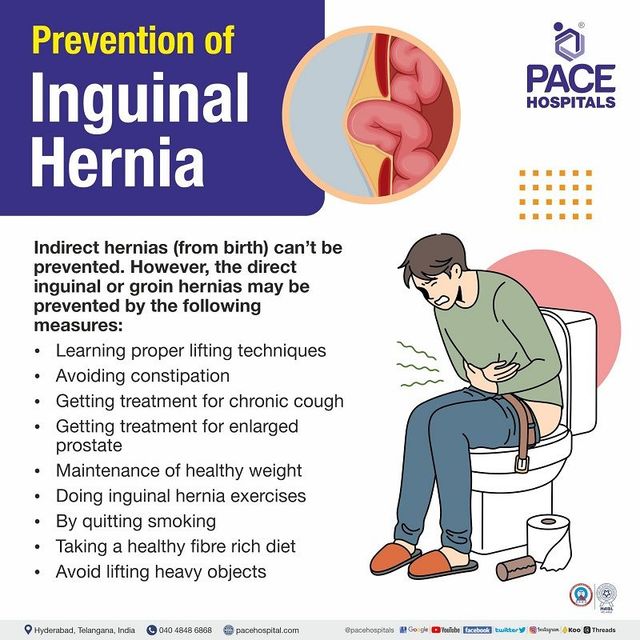
Straining during bowel movements is one of the most common ways to exacerbate an existing hernia. A high-fiber diet, combined with consistent hydration, ensures that waste moves efficiently through the digestive tract. By eliminating the need to push or strain, you prevent the periodic, high-pressure spikes that can push the hernia through the defect. This is a form of “internal stress reduction” that is as vital as any physical brace or movement modification.
Anti-Inflammatory Mindset
Inflammation is the body’s response to the tissue irritation caused by the protruding organ. While no specific diet will “heal” a hernia, reducing systemic inflammation can help manage the sensitivity of the surrounding tissues. Incorporating omega-3 fatty acids, turmeric, and a diet rich in antioxidants can aid the body in managing the localized inflammation caused by the hernia, making the daily sensation of discomfort more manageable.
Knowing When to Pivot: Recognizing Emergency Signs
Finally, the most important aspect of managing hernia pain is understanding the limit of conservative management. There is a fine line between manageable discomfort and a medical emergency.
Identifying Incarceration and Strangulation
If a hernia suddenly becomes firm, extremely painful, red, or warm to the touch, and can no longer be gently pushed back into the abdominal cavity, it may be incarcerated. If the blood supply to the trapped tissue is cut off—strangulation—the situation becomes life-threatening. Symptoms such as nausea, vomiting, fever, or the inability to pass gas or stool are red flags that the body’s structural failure has reached a critical threshold.
In these instances, external support and lifestyle modifications are no longer sufficient. Professional surgical intervention is required to prevent tissue necrosis. Understanding this threshold is not a defeat; it is the ultimate form of responsible self-care. Managing a hernia is a process of balancing comfort against the reality of a physical defect, and recognizing when that balance has shifted is the most critical component of long-term health. By maintaining a disciplined approach to internal pressure, structural support, and ergonomic movement, you can maintain a high quality of life while navigating the path toward definitive treatment.
aViewFromTheCave is a participant in the Amazon Services LLC Associates Program, an affiliate advertising program designed to provide a means for sites to earn advertising fees by advertising and linking to Amazon.com. Amazon, the Amazon logo, AmazonSupply, and the AmazonSupply logo are trademarks of Amazon.com, Inc. or its affiliates. As an Amazon Associate we earn affiliate commissions from qualifying purchases.