
The pursuit of hair health is often treated as a vanity project, but from a strategic perspective, it is a masterclass in asset management. Much like a business entity, your hair is an asset that requires a long-term brand strategy to maintain its value, durability, and aesthetic appeal. When hair begins to break, it is not merely a cosmetic issue; it is a signal of structural failure and a lack of protective maintenance. To stop breakage, one must approach the scalp and strands as a portfolio of delicate fibers that require investment in high-quality inputs, consistent protection, and the elimination of “toxic” practices that lead to depreciation.
Auditing Your Structural Integrity: Identifying the Root Cause
Before implementing a restorative strategy, you must conduct a thorough audit of your current habits. In the world of branding, consistency is key, but if your consistent practices are detrimental, you are simply compounding your losses. Hair breakage occurs when the cuticle—the protective outer layer of the hair shaft—is compromised, allowing the inner cortex to become brittle and eventually snap.
The Thermal Liability
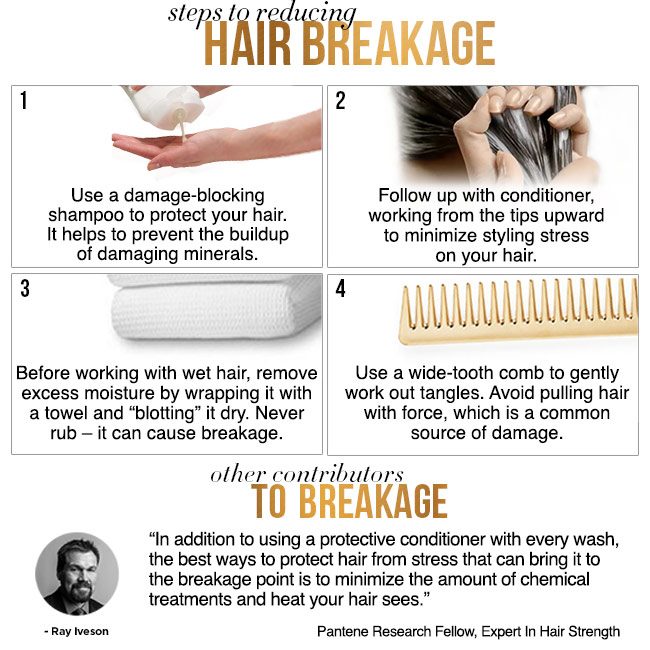
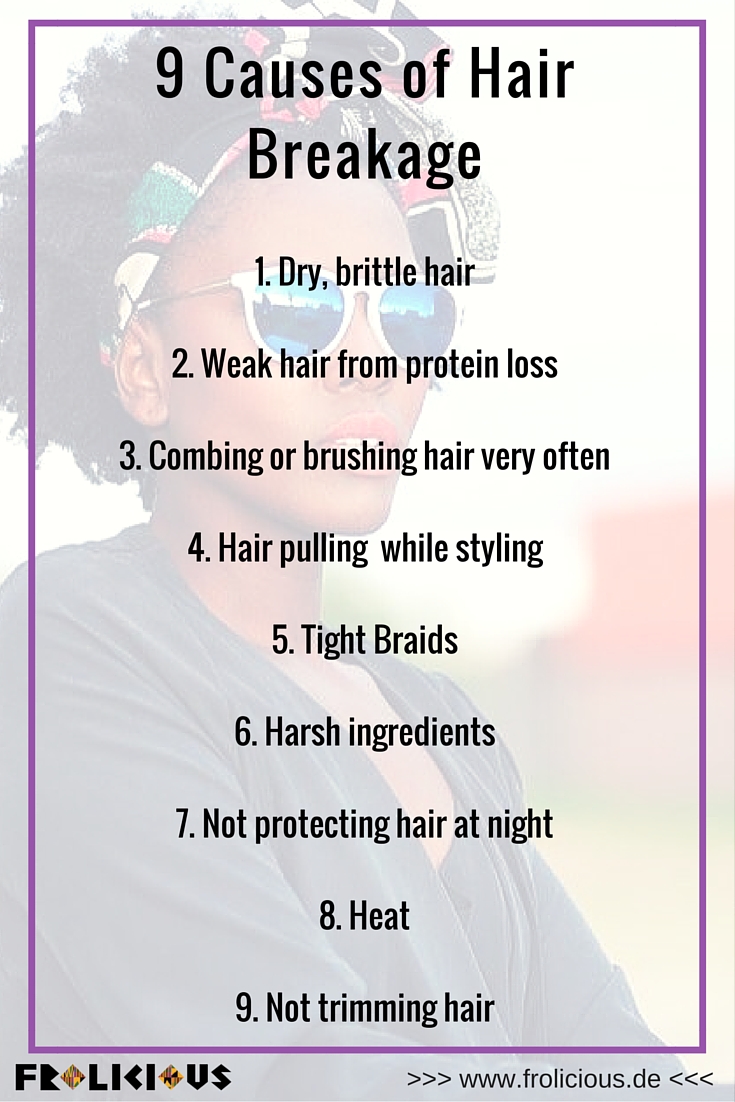
Heat styling is the most common cause of structural bankruptcy. High-temperature tools like flat irons and curling wands essentially “cook” the moisture out of the hair, leading to microscopic fractures in the strand. From a strategic standpoint, heat is a high-risk investment. If you must use it, you need a robust mitigation plan. This involves using heat-protectant sprays that create a thermal barrier, effectively lowering the risk of direct exposure damage. However, the most effective strategy for long-term health is diversification: transitioning to heatless styling methods that preserve the integrity of the asset without high-stakes energy consumption.
Chemical Depreciation
Chemical treatments—including coloring, bleaching, and relaxing—are aggressive maneuvers that reformat the molecular structure of the hair. While these changes can offer high “market value” in terms of style, they carry significant overhead. If your brand strategy involves frequent color changes, you are paying a tax on your hair’s strength. To mitigate this, you must prioritize structural reinforcement products, such as bond builders, which act as a technical patch for the damage caused by these chemical processes.
Investing in High-Yield Maintenance Protocols
Just as a business cannot function on reactive problem-solving alone, hair care requires a proactive maintenance schedule. The objective is to increase the longevity of each strand by reducing the friction and environmental stress that lead to mechanical breakage.
The Mechanics of Gentle Detangling
Breakage is frequently a result of poor “logistics”—namely, how you treat your hair while it is wet. Wet hair is in its most vulnerable state, with the hair follicle at its weakest point of expansion. Using a fine-toothed comb on wet hair is the equivalent of trying to force a complex software integration without the proper API; it creates friction, snagging, and inevitable breakage. Instead, transition to wide-toothed combs or professional-grade detangling brushes designed to minimize tension. Always work from the ends upward, a “bottom-up” organizational strategy that prevents small knots from compounding into impossible tangles at the root.
Optimized Conditioning Assets
Your choice of products should reflect your commitment to the long-term appreciation of your hair. Look for deep-conditioning treatments that function as “recapitalization” efforts for your strands. Proteins like keratin or hydrolyzed silk are essential, as they fill in the gaps in the cuticle, providing a temporary scaffold that prevents further snapping. However, protein must be balanced with moisture (humectants) to maintain flexibility. A rigid asset is a brittle asset; flexibility is what allows hair to survive the daily “wear and tear” of environmental exposure.
Protecting Your Asset from Environmental Hazards
Environmental factors are the external market forces you cannot fully control, but you can certainly hedge against. Ultraviolet radiation, dry air, and air pollution act as stressors that degrade the protein bonds within the hair.
Developing a Protective Barrier
Think of your hair care routine as a brand identity that needs protection from hostile external environments. In the same way a corporation protects its intellectual property, you must shield your hair from the elements. UV-protective hair oils or leave-in sprays act as a literal screen against the sun’s rays, which can oxidize hair color and weaken the internal structure. During the winter months, when the air is stripped of humidity, the environment effectively “siphons” moisture from your hair. Using a silk or satin pillowcase is a low-effort, high-impact strategy to reduce the friction that causes mechanical breakage overnight, ensuring your asset isn’t devalued while you sleep.
Strategic Trimming: Cutting the Losses
There comes a point in every asset management cycle where “pruning” is necessary for future growth. Holding onto split ends is a failing strategy; split ends are not static—they travel upward. If left unchecked, a split end will eventually migrate to the mid-shaft, turning a minor repair into a total loss of the strand’s length. Regular “dusting” or micro-trims every 8–12 weeks are essential for quality control. By removing the damaged ends, you protect the health of the remaining follicle, ensuring that your hair maintains a uniform appearance of strength and vitality.
Scalp Health: The Foundation of Your Portfolio
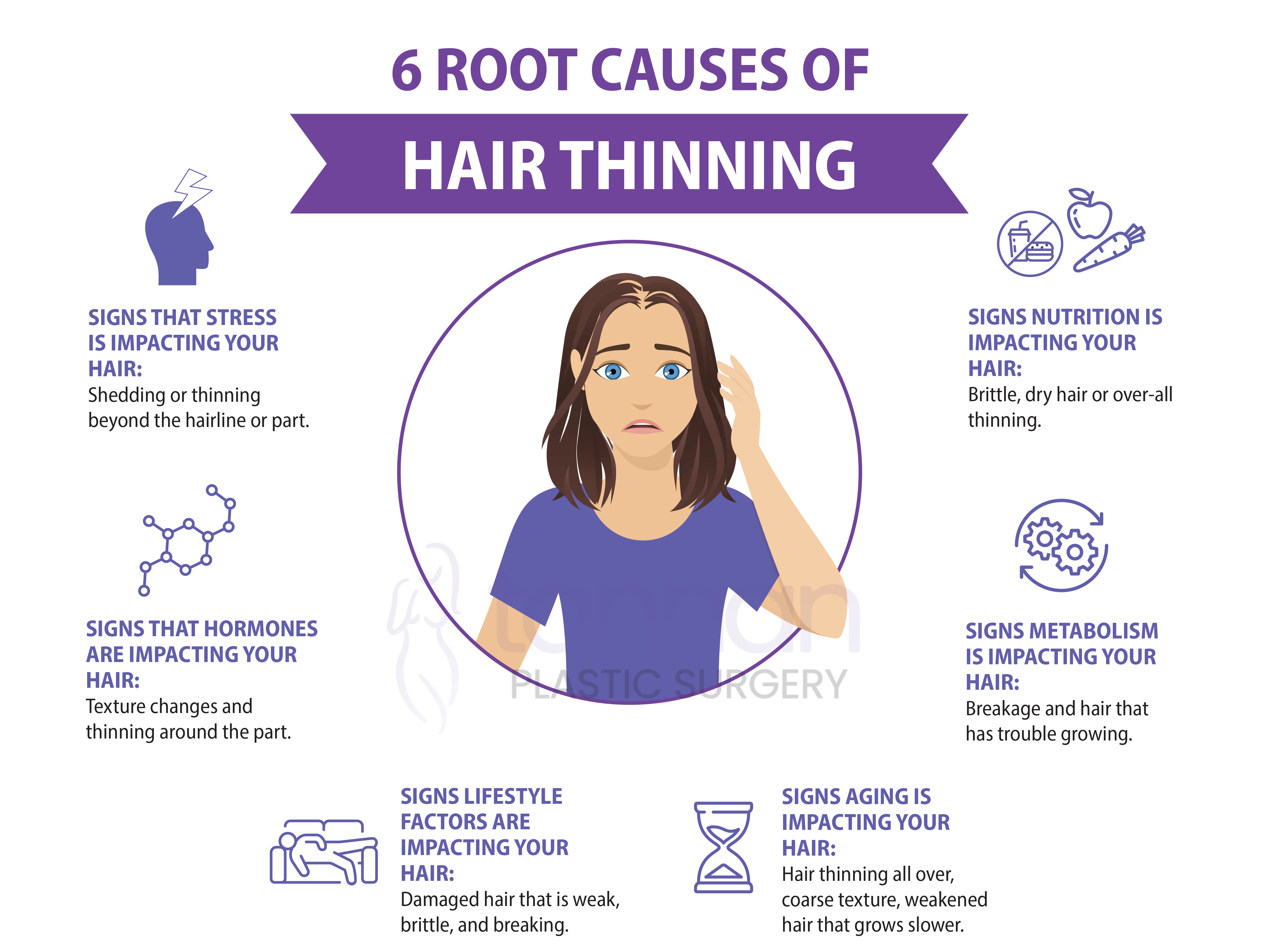
Finally, it is essential to remember that the hair shaft is only as healthy as the follicle it emerges from. You can apply the best products on the market, but if the foundation is unstable, the returns will be marginal.
The Scalp Micro-Environment
Your scalp is the “infrastructure” that produces the hair. If the scalp is clogged with sebum, product buildup, or dead skin, the growth cycle can be stunted, leading to thinner, weaker hair that is more prone to breaking later in its life cycle. Incorporating scalp exfoliation into your monthly routine is the equivalent of server maintenance; it cleans the slate, improves blood circulation, and optimizes the growth environment.
Managing Internal Inputs
Finally, the “internal audit” of your nutrition is paramount. Hair is a non-essential tissue, meaning the body will divert resources away from it if it perceives a deficiency elsewhere. A diet rich in biotin, omega-3 fatty acids, and collagen is the most fundamental investment you can make. If you are not funding the hair’s growth from the inside through high-quality nutrition, all external treatments will function only as a temporary “mask” rather than a true restorative measure.
In summary, stopping hair breakage requires moving away from the “quick fix” mindset and adopting a long-term, strategic approach to maintenance. By identifying your liabilities, investing in high-quality protective assets, managing your environmental risks, and optimizing your foundational infrastructure, you turn hair care into a predictable, high-value asset. Treat your hair with the same rigor you would apply to any other portfolio, and the results will be reflected in the strength, luster, and resilience of your strands for years to come.
aViewFromTheCave is a participant in the Amazon Services LLC Associates Program, an affiliate advertising program designed to provide a means for sites to earn advertising fees by advertising and linking to Amazon.com. Amazon, the Amazon logo, AmazonSupply, and the AmazonSupply logo are trademarks of Amazon.com, Inc. or its affiliates. As an Amazon Associate we earn affiliate commissions from qualifying purchases.