
The quintessential suburban image often includes a perfectly manicured lawn. But beyond the aesthetic appeal, the height at which you cut your grass is a critical factor influencing its health, resilience, and overall appearance. In an era where technology permeates every aspect of our lives, even the humble act of lawn mowing has been revolutionized. This exploration delves into the optimal grass heights, not just from a horticultural standpoint, but through the lens of the technological advancements that are reshaping how we approach lawn care. From smart sensors that monitor soil conditions to robotic mowers that execute precision cuts, understanding the “why” behind grass height is the first step in leveraging technology for a superior lawn.
The Science of Grass Height: Fundamental Principles for Optimal Growth
Before we delve into the technological applications, a solid understanding of the biological imperatives of grass growth is paramount. The optimal cutting height is not a one-size-fits-all solution; it’s a dynamic interplay of grass species, seasonal changes, and environmental factors. Technology, in its most advanced forms, aims to replicate and even enhance this understanding, providing data-driven insights for precise lawn maintenance.
Understanding Photosynthesis and Root Development
The height of your grass directly impacts its ability to perform photosynthesis, the process by which plants convert sunlight into energy. Longer grass blades provide a larger surface area for capturing sunlight, which is essential for robust growth and the development of a strong root system. Cutting the grass too short, often referred to as “scalping,” can stunt this process, leaving the plant weakened and vulnerable. Conversely, excessively long grass can lead to shading of lower blades, reducing overall photosynthetic efficiency.
The root system of a healthy lawn is directly proportional to the length of the grass blades. Longer grass encourages deeper root growth, making the lawn more drought-tolerant and better equipped to absorb nutrients from the soil. Technology, through soil moisture sensors and advanced weather forecasting integrated with smart irrigation systems, can help optimize watering schedules based on the grass’s needs, which are in turn influenced by its cutting height. Robotic mowers, equipped with sophisticated algorithms, can be programmed to maintain a consistent height, thereby promoting consistent root development.
Species-Specific Needs: The Foundation of Precision Mowing
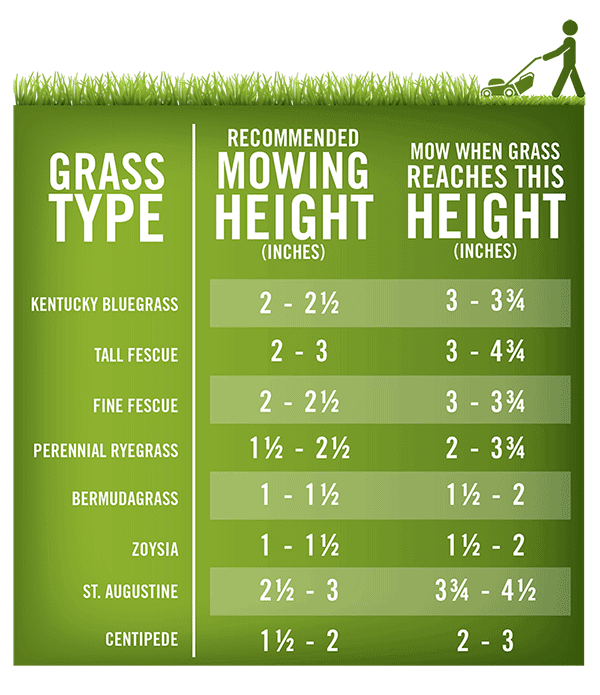
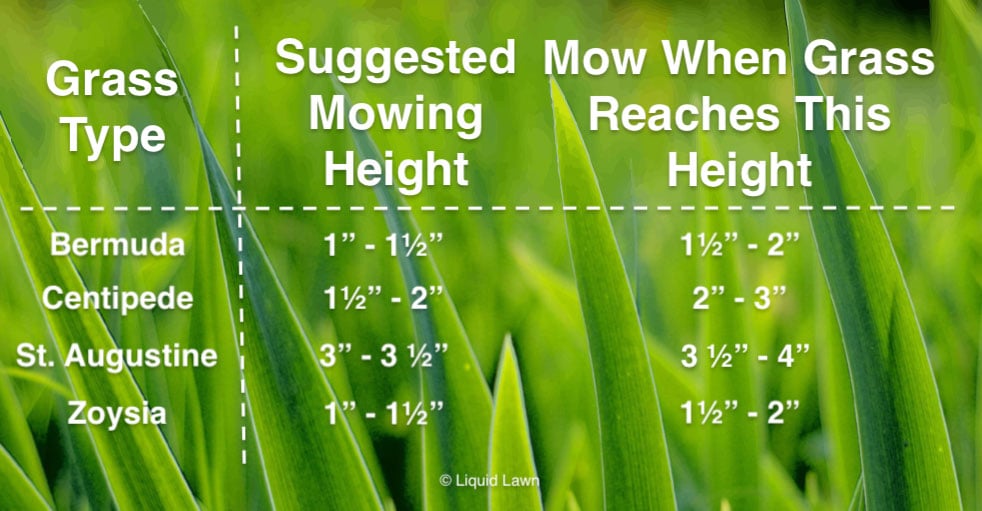
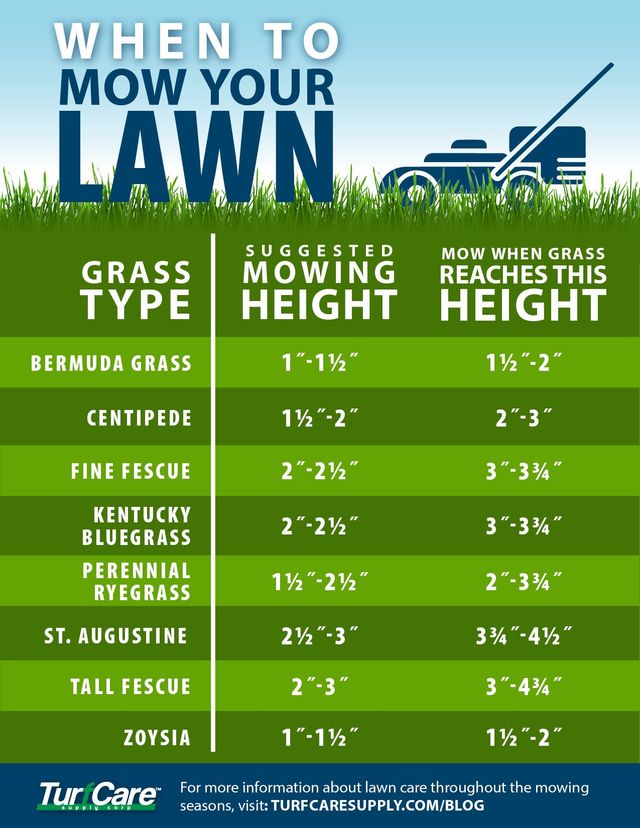
Different grass species have evolved to thrive under varying conditions, and this includes their ideal mowing heights. Common cool-season grasses like Kentucky Bluegrass and Fescue generally benefit from being cut at higher heights (around 3 to 4 inches) to promote deeper roots and better shade out weeds. Warm-season grasses, such as Bermuda and Zoysia, can tolerate and often prefer slightly shorter cuts (around 1 to 2.5 inches) for optimal density and resilience.
Modern lawn care technology is increasingly able to cater to these species-specific needs. Advanced robotic mowers, for instance, can be programmed with specific mowing patterns and heights tailored to the type of grass in your lawn. Some sophisticated systems even allow for zone-based settings, enabling different heights for different areas of your yard if you have a mix of grass types or specific aesthetic goals. This level of precision, once achievable only through expert knowledge and meticulous manual effort, is now accessible through intelligent automation.
Seasonal Considerations: Adapting to Environmental Fluctuations
The ideal cutting height also fluctuates with the seasons. During the peak growing season of spring and summer, grass can typically be cut slightly shorter as it’s actively producing new growth. As temperatures cool and growth slows in the fall, it’s generally advisable to raise the mower deck. Cutting the grass a bit longer before winter sets in helps protect the crown of the plant from harsh weather conditions and disease.
Smart lawn care systems can integrate weather data and seasonal patterns into their operational logic. For example, a connected sprinkler system might adjust watering based on predicted rainfall, and a robotic mower could be programmed to gradually increase its cutting height as autumn approaches, ensuring the lawn is well-prepared for dormancy. This proactive, data-driven approach minimizes manual intervention and ensures the lawn’s health through changing environmental conditions.
The Technological Evolution of Lawn Maintenance: From Manual to Automated Precision
The question of “what height should I cut my lawn” has moved beyond simple manual adjustment of a mower’s deck. The advent of sophisticated technology has transformed lawn maintenance into an intelligent, often automated, process. This section explores the key technological innovations that are making precision lawn care more accessible and efficient than ever before.
Robotic Mowers: The Autonomous Lawnkeepers
The most significant technological leap in lawn care is undoubtedly the robotic mower. These intelligent machines are designed to autonomously navigate and mow your lawn, often on a scheduled basis. They utilize a perimeter wire or GPS-based navigation systems to define the mowing area and employ sensors to detect obstacles, preventing damage to property or the mower itself.
The beauty of robotic mowers lies in their ability to maintain a consistent cutting height. Users can typically set their desired height via a smartphone app, and the mower will adhere to this setting for each mowing session. This consistent approach, unlike sporadic manual mowing, leads to a uniformly cut lawn that is less stressed. Furthermore, many robotic mowers employ a mulching system, finely chopping grass clippings and returning them to the soil as natural fertilizer, enriching the turf and reducing waste. Advanced models can even adjust their mowing frequency and height based on grass growth rates, which can be inferred through integrated sensors or user-defined parameters.
Smart Sensors and Connectivity: Data-Driven Lawn Health
Beyond the mower itself, a network of smart sensors and connected devices can provide invaluable data for optimizing lawn care. Soil moisture sensors, for example, can alert you (or your smart irrigation system) when the lawn needs watering, preventing over or under-watering, both of which can impact grass health and its ideal cutting height.
These sensors, often integrated into a broader smart home ecosystem, can feed data to sophisticated lawn management platforms. These platforms can then recommend or even automatically adjust mowing schedules and heights based on real-time environmental conditions. For instance, if a prolonged dry spell is predicted, the system might suggest raising the cutting height to help the grass retain moisture and reduce stress. Conversely, after a period of heavy rain and rapid growth, it might recommend a slightly lower cut to manage the surge in biomass. This interconnectedness allows for a truly responsive and intelligent approach to lawn maintenance.
AI and Machine Learning: Predictive and Adaptive Lawn Care
The integration of Artificial Intelligence (AI) and Machine Learning (ML) is pushing the boundaries of automated lawn care even further. AI algorithms can analyze vast amounts of data, including historical weather patterns, soil composition, grass species, and mowing performance, to predict future needs and optimize mowing strategies.
Imagine a robotic mower that learns the unique growth patterns of your specific lawn. It can identify areas that grow faster or slower and adjust its mowing schedule and height accordingly. ML models can also be used to detect early signs of disease or pest infestation by analyzing visual data from the mower’s sensors or external monitoring devices. This predictive capability allows for proactive intervention, ensuring the lawn remains healthy and vibrant, and that the cutting height remains optimal for addressing any emerging issues. The goal is to move from reactive maintenance to proactive, intelligent lawn stewardship.
Optimizing Your Lawn’s Health and Appearance Through Smart Cutting Heights
Choosing the correct cutting height for your lawn is a foundational element of effective lawn care. When combined with the intelligent capabilities of modern technology, this simple decision can lead to significant improvements in grass health, resilience, and aesthetic appeal.
The Role of Height in Weed and Disease Suppression
A well-maintained lawn, cut at the appropriate height, is inherently more resistant to weeds and diseases. Longer grass blades provide shade to the soil surface, making it difficult for weed seeds to germinate and establish. This natural suppression reduces the need for chemical herbicides. Similarly, a healthy, robust turf, promoted by optimal cutting heights, is better equipped to fend off common lawn diseases.
Technology plays a crucial role in achieving this optimal state. By ensuring consistent cutting at the recommended height, robotic mowers minimize stress on the grass, making it less susceptible to opportunistic weeds and pathogens. Smart sensors that monitor soil conditions can alert homeowners to potential issues that might lead to disease, such as excessive moisture, allowing for timely adjustments to watering or mowing practices. The ability to precisely control cutting height, coupled with data-driven insights into lawn health, creates a proactive defense against common lawn problems.
Enhancing Drought Tolerance and Reducing Water Needs
In many regions, water conservation is a growing concern. The height of your grass directly impacts its ability to withstand drought conditions. As mentioned earlier, longer grass blades encourage deeper root systems. These deeper roots can access moisture further down in the soil profile, making the lawn more resilient during dry spells and reducing its reliance on supplemental watering.
Smart irrigation systems, often integrated with weather forecasting and soil moisture sensors, can intelligently manage watering schedules. When coupled with a lawn that is maintained at an optimal cutting height, these systems become incredibly efficient. The robotic mower ensures the grass is consistently at a length that promotes deep roots, and the smart irrigation system ensures that water is applied only when and where it’s needed, further conserving resources. This synergy between intelligent mowing and smart watering creates a more sustainable and drought-resilient lawn.
The Aesthetic Impact: Achieving a Professional Finish
While health and resilience are paramount, the visual appeal of a well-kept lawn cannot be overlooked. The correct cutting height contributes significantly to the uniformity and density of the turf. A lawn cut too short can appear patchy and stressed, while a lawn cut too high might look unkempt.
The precision offered by robotic mowers, combined with the ability to set and maintain specific cutting heights through intuitive apps, allows homeowners to achieve a professional, manicured look with minimal effort. Advanced AI can even learn to optimize mowing patterns to create aesthetically pleasing stripes or ensure a uniform finish across complex lawn layouts. The technology not only simplifies the process but elevates the final result, turning a routine chore into a sophisticated display of horticultural excellence.
Leveraging Technology for Informed Decisions on Grass Height
The question of “what height should I cut my lawn” is no longer a matter of guesswork or simple manual adjustment. The integration of technology provides a sophisticated framework for making informed decisions that benefit both the health and appearance of your lawn.
Utilizing App-Based Controls and Scheduling
Modern robotic mowers and smart lawn care systems are predominantly controlled through intuitive smartphone applications. These apps allow users to easily set and adjust the desired cutting height for their lawn, often with graphical sliders or pre-set recommendations for different grass types. Beyond height, these apps enable scheduling mowing sessions, defining mowing zones, and receiving notifications about the mower’s status or any potential issues.
This level of control puts the power of precision lawn care directly into the hands of the homeowner. You can easily adapt the cutting height based on seasonal changes, observed grass growth, or even specific aesthetic goals. The convenience of adjusting settings remotely, whether you’re at work or on vacation, ensures your lawn is always maintained to your specifications.
Interpreting Data from Smart Sensors and Analytics Platforms
As mentioned, smart sensors provide a wealth of data about your lawn’s environment. Soil moisture, temperature, and even nutrient levels can be monitored and analyzed. Many lawn care platforms and apps integrate this sensor data with historical mowing performance and weather forecasts. This provides users with actionable insights, such as recommended adjustments to cutting height based on upcoming weather patterns or soil conditions.
For instance, if a sensor indicates that the soil is becoming excessively dry, the analytics platform might suggest raising the cutting height by a quarter-inch to help the grass conserve moisture. Conversely, if rapid growth is detected after a period of optimal conditions, the system might recommend a slightly shorter cut to maintain density. This data-driven approach moves lawn care from a routine task to an intelligent, responsive process.
The Future of Lawn Care: Predictive Maintenance and AI-Driven Optimization
The trajectory of lawn care technology points towards increasingly predictive and AI-driven systems. Future robotic mowers will likely feature more advanced onboard sensors capable of real-time grass health analysis. AI algorithms will become even more sophisticated in their ability to learn the unique characteristics of individual lawns and proactively recommend or implement adjustments to cutting height, watering, and fertilization.
The goal is to create a truly autonomous and self-optimizing lawn care system. Homeowners will still set their overarching goals and preferences, but the technology will handle the granular decision-making, ensuring the lawn is always at its peak health and appearance. This evolution promises to make perfect lawn maintenance not only achievable but effortless, transforming the way we interact with our outdoor spaces through intelligent technology.
aViewFromTheCave is a participant in the Amazon Services LLC Associates Program, an affiliate advertising program designed to provide a means for sites to earn advertising fees by advertising and linking to Amazon.com. Amazon, the Amazon logo, AmazonSupply, and the AmazonSupply logo are trademarks of Amazon.com, Inc. or its affiliates. As an Amazon Associate we earn affiliate commissions from qualifying purchases.