
The insistent throb, the dull ache, the sharp stab – headaches are a universally unwelcome guest. While often dismissed as mere discomfort, the location of a headache can be a surprisingly powerful indicator of its underlying cause. In the digital age, we have unprecedented tools at our disposal to not only understand these signals but to proactively manage and even prevent headaches. This article delves into the fascinating relationship between headache location and its implications, exploring how technology can empower us to take control of our well-being.
Decoding the Pain: Digital Tools for Headache Localization
Traditionally, understanding headache location involved careful self-observation and description to a healthcare professional. Today, a sophisticated ecosystem of tech solutions can augment this process, providing more precise data and actionable insights. From simple symptom trackers to advanced AI-powered diagnostic aids, technology is revolutionizing how we interpret headache pain.
The Rise of Digital Symptom Trackers
The most accessible and widely adopted tech solution for headache management is the digital symptom tracker. These mobile applications, available on both iOS and Android platforms, move beyond simple pen-and-paper diaries to offer a dynamic and data-rich approach.
Comprehensive Data Input and Pattern Recognition
Modern symptom trackers allow users to log a multitude of details beyond just the headache location. This includes:
- Pain Intensity: Often using a numerical scale (e.g., 1-10) or descriptive terms.
- Pain Quality: Describing the sensation – throbbing, sharp, dull, pressure-like, burning.
- Associated Symptoms: Nausea, vomiting, sensitivity to light or sound, dizziness, visual disturbances (aura), nasal congestion, neck stiffness, jaw pain.
- Duration and Frequency: Precise start and end times, how often headaches occur.
- Triggers: Food and drink consumed, sleep patterns, stress levels, environmental factors (weather changes, strong odors), physical activity, hormonal fluctuations, medications taken.
By meticulously logging this information, users begin to build a personal headache profile. The true power of these apps, however, lies in their analytical capabilities. Algorithms within these applications can identify patterns that might be invisible to the human eye. For instance, an app might highlight a correlation between consuming aged cheese and experiencing frontal headaches, or a link between a stressful workday and cluster headaches behind the eye. This pattern recognition is crucial for pinpointing specific triggers and understanding the nuances of your individual headache experience.
Personalized Insights and Visualizations
Beyond simple data logging, advanced trackers offer personalized insights. Based on the entered data, they can suggest potential triggers, recommend lifestyle adjustments, or even alert users to potential red flags that warrant medical attention. Visualizations such as graphs and charts provide a clear overview of headache frequency, intensity over time, and the impact of various factors. This visual representation makes it easier to communicate with healthcare providers, offering them objective data rather than relying solely on subjective recall. Some apps even integrate with wearable devices, automatically logging sleep data, activity levels, and heart rate, further enriching the diagnostic picture.
AI-Powered Diagnostic Assistants and Predictive Analytics
The next frontier in headache tech involves Artificial Intelligence (AI). While still evolving, AI-powered diagnostic assistants are beginning to offer more sophisticated analysis and even predictive capabilities.
Machine Learning for Identifying Complex Correlations
AI algorithms can process vast datasets of headache information, identifying complex correlations that may not be immediately obvious. By analyzing patterns across a large user base, AI can learn to recognize subtle indicators of specific headache types, such as migraines with aura, tension-type headaches, or even more serious secondary headaches. These systems can cross-reference reported symptoms with known medical literature and diagnostic criteria, offering a preliminary assessment of potential causes.
Predictive Modeling for Proactive Management
The ultimate goal of AI in headache management is predictive modeling. By understanding an individual’s unique patterns and external factors (like upcoming weather changes or periods of high stress), AI could potentially predict when a headache is likely to occur. This predictive power allows for proactive management, enabling individuals to take preventative measures – such as adjusting medication, practicing relaxation techniques, or avoiding known triggers – before the pain even begins. This shift from reactive treatment to proactive prevention is a paradigm change in headache care, driven by technological innovation.
Navigating the Headscape: Correlating Location with Potential Causes
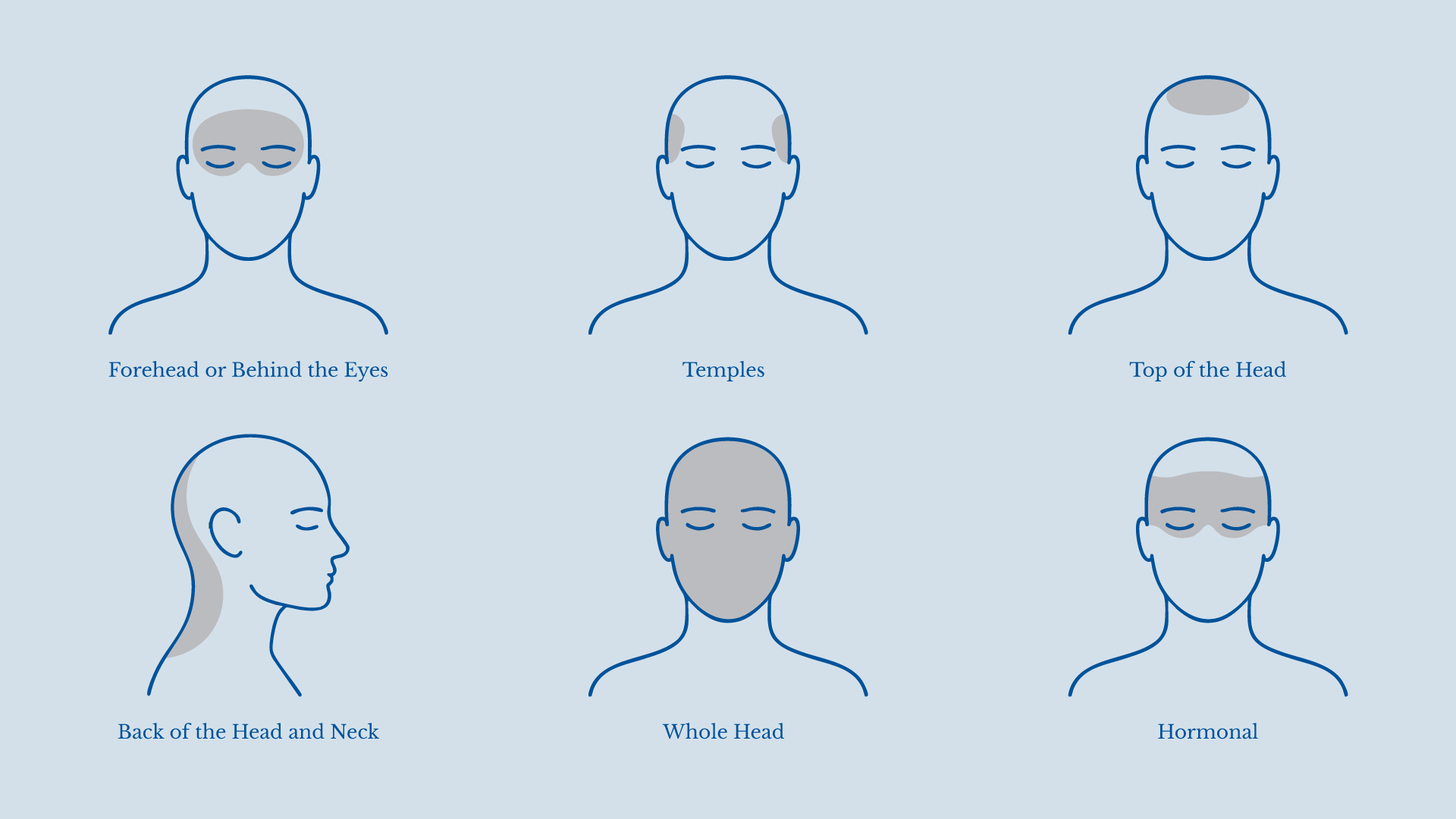
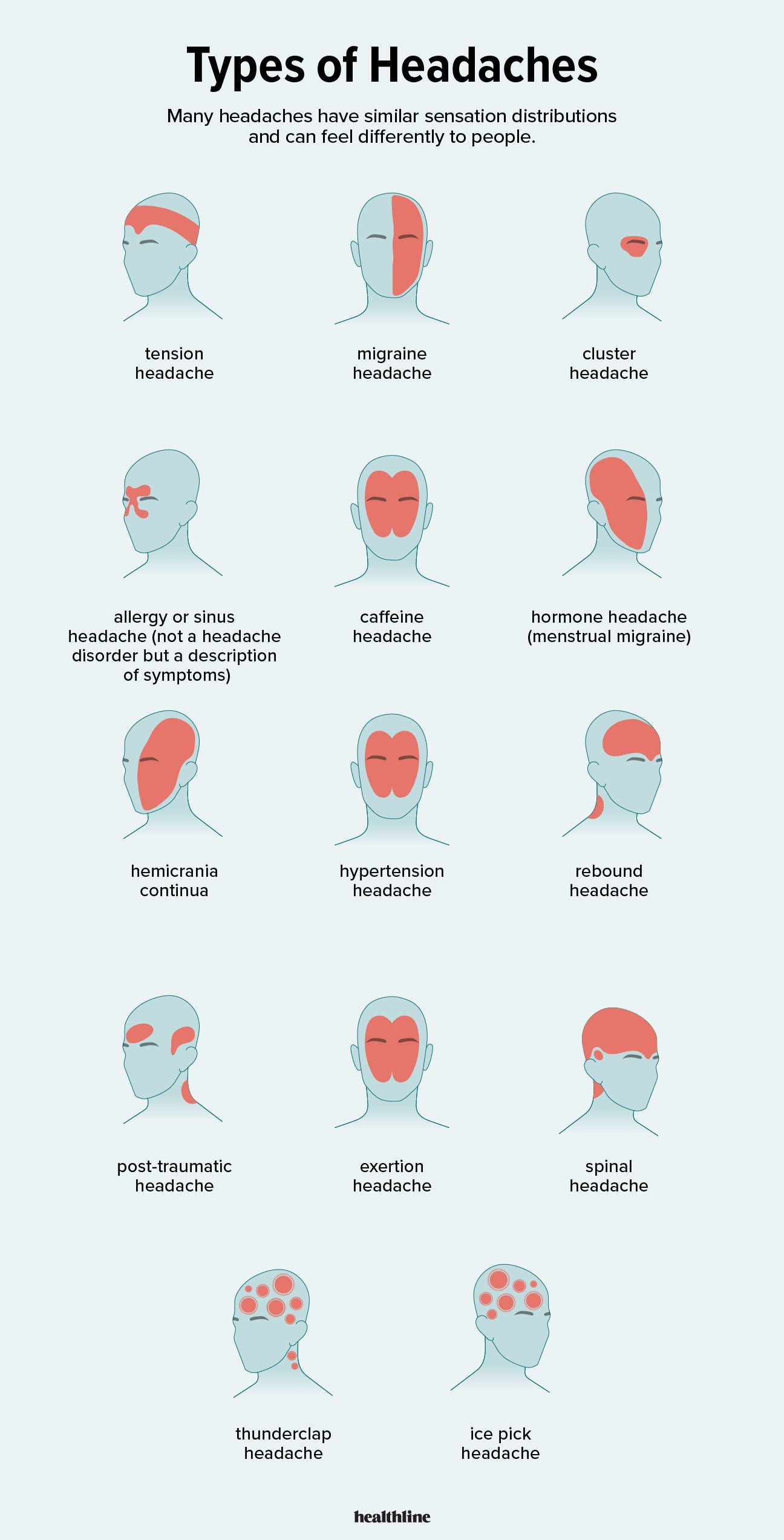
The physical location of a headache is a critical piece of information that can guide diagnostic efforts. While not a definitive diagnosis on its own, it provides valuable clues about the underlying mechanisms at play. Technology can help us map these clues and understand their significance.
Frontal Headaches: The Forehead and Above
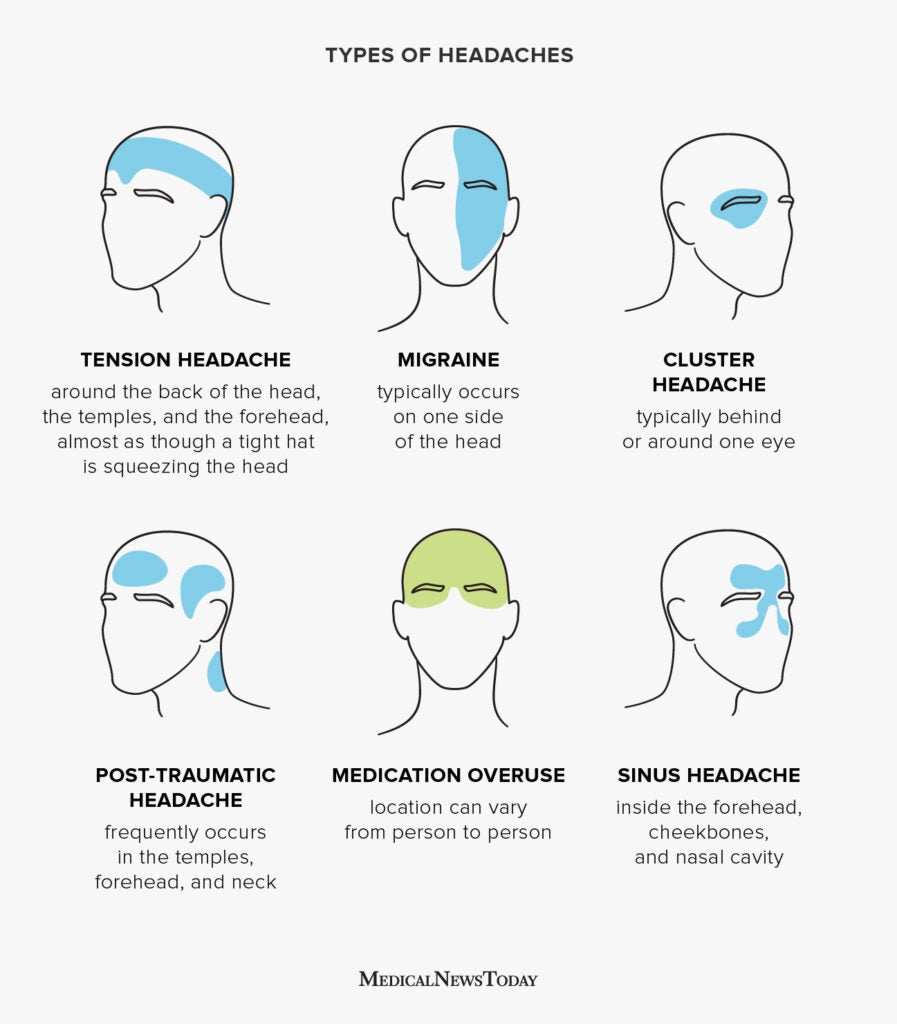
Pain localized to the front of the head, across the forehead, or behind the eyes is a common complaint. Digital tools help differentiate between various causes.
Tension-Type Headaches and Sinusitis
The most frequent culprit for frontal headaches is tension-type headache, often described as a tight band around the head. Stress, anxiety, poor posture, and fatigue are common triggers. Symptom trackers can help users identify specific stressors or postural habits that coincide with these headaches.
Sinusitis, an inflammation of the sinuses, is another significant cause of frontal pain. The pressure often intensifies when bending over. Advanced symptom trackers can include prompts for nasal congestion, facial pressure, and mucus color, helping to differentiate between primary headaches and those secondary to sinus issues. Some apps even integrate with weather data, noting if pollen counts or barometric pressure changes correlate with increased frontal sinus pressure and headaches.
Migraines and Eye Strain
Migraines can also manifest as frontal pain, though they are often unilateral (on one side of the head) and accompanied by nausea, vomiting, and sensitivity to light and sound. Users tracking their headaches might notice a pattern of throbbing pain in the forehead, which then spreads.
Prolonged screen time, a pervasive aspect of modern life, can lead to digital eye strain, which often manifests as frontal headaches. Apps designed to promote digital wellness, such as screen time limiters and blue light filters, can be indirectly helpful in preventing these types of headaches. By logging time spent on devices and correlating it with frontal headache occurrence, users can gain a better understanding of their digital habits’ impact.
Temporal Headaches: The Sides of the Head
Pain located on the sides of the head, above the temples, can also point to specific conditions.
Migraines and Cluster Headaches
Temporal migraines are common, often characterized by throbbing pain that can be severe. The pulsation can be directly felt in the temple area. Again, associated symptoms like nausea and photophobia are key indicators.
Cluster headaches, while less common, are notoriously severe and often localized to one side of the head, frequently around the eye and temple. These headaches occur in clusters, with periods of frequent attacks followed by remission. Digital trackers are invaluable for documenting the precise timing and intensity of these excruciating headaches, aiding physicians in diagnosis and treatment. The ability to log the duration of each cluster period can also be crucial for identifying potential treatment strategies.
Temporomandibular Joint (TMJ) Disorders
Problems with the temporomandibular joint (the hinge connecting the jawbone to the skull) can cause pain in the temple area, as well as jaw pain and clicking sounds. Logging these symptoms in a comprehensive tracker can reveal a correlation between jaw clenching or grinding (often exacerbated by stress) and temporal headaches. Some apps even offer guided jaw relaxation exercises that users can log as interventions.
Occipital Headaches: The Back of the Head
Pain at the back of the head, particularly at the base of the skull, has its own set of potential causes.
Cervicogenic Headaches and Muscle Tension
Cervicogenic headaches originate from the neck, with pain referred to the back of the head. Poor posture, prolonged sitting, and neck injuries are common contributors. Technology can help identify postural habits that exacerbate this pain. For example, an app could prompt users to log their posture throughout the day or integrate with posture-correcting devices.
Muscle tension in the neck and upper shoulders is a frequent cause of occipital pain. Stress and anxiety often manifest as physical tension, leading to these headaches. Digital tools can help users track stress levels alongside headache pain, highlighting the mind-body connection. Guided meditation and mindfulness apps, whose usage can be logged, can be powerful interventions for managing this type of headache.
Occipital Neuralgia
Occipital neuralgia is a condition characterized by sharp, shooting pain in the occipital nerve, which runs from the base of the skull up the back of the head. While the exact cause is often unknown, it can be triggered by neck injury or inflammation. Precise logging of the character of the pain (shooting, electric-shock-like) and its exact location can be vital for diagnosis by a medical professional.
Leveraging Technology for Proactive Headache Management
Understanding the location of your headache is the first step; the next is to use technology to actively manage and prevent them. A holistic approach, integrating digital tools with lifestyle adjustments, offers the most effective path to sustained relief.
Personalized Prevention Strategies Through Data Analysis
The wealth of data collected by symptom trackers and AI-powered platforms can be leveraged to develop highly personalized prevention strategies.
Identifying and Mitigating Triggers with Digital Feedback Loops
By consistently tracking headaches and potential triggers, users can create a sophisticated digital feedback loop. If a user notices a pattern of headaches after consuming artificial sweeteners, for instance, they can then consciously avoid them for a period and log the results. Technology makes this iterative process of identification and mitigation far more efficient and objective.
Optimizing Lifestyle Factors with Smart Devices
Wearable devices play a crucial role in optimizing lifestyle factors that influence headaches. Sleep tracking can identify poor sleep quality or insufficient sleep, which are common headache triggers. Activity trackers can encourage regular physical activity, which can reduce stress and improve circulation. Smart water bottles can remind users to stay hydrated, another key preventative measure. By integrating data from these devices into comprehensive symptom trackers, users gain a 360-degree view of their health and its impact on their headaches.
Accessing Digital Health Resources and Telemedicine
The digital landscape also provides unprecedented access to information and professional help.
Online Educational Resources and Self-Help Tools
A plethora of reputable online resources offer detailed information about different headache types, their causes, and management strategies. Websites of neurological associations, research institutions, and patient advocacy groups provide a wealth of knowledge. Many apps also include educational modules that users can access directly within the platform, explaining the potential significance of their reported symptoms.
Telemedicine for Remote Consultation and Monitoring
For individuals who experience frequent or severe headaches, telemedicine offers a convenient and efficient way to consult with healthcare professionals. Through secure video conferencing, individuals can discuss their symptoms, share their tracked data, and receive medical advice without needing to travel to a clinic. This is particularly beneficial for individuals in remote areas or those with mobility issues. Furthermore, ongoing monitoring of headache patterns can be conducted remotely, allowing physicians to adjust treatment plans based on real-time data.
The Future of Headache Management: AI, Wearables, and Personalized Medicine
The synergy between headache location understanding and technological advancement promises a future where headaches are not just managed, but proactively prevented and even predicted.
Predictive Headaches: The Role of AI and Big Data
The continued development of AI algorithms, trained on ever-larger datasets of anonymized user information, will lead to increasingly accurate predictive models. Imagine an app that, based on your personal data, upcoming weather forecasts, and even local air quality reports, can alert you to a high probability of a migraine tomorrow, suggesting specific preventative actions. This proactive approach, powered by big data and AI, will transform headache sufferers from reactive patients into empowered managers of their own health.
The Wearable Revolution and Continuous Monitoring
The proliferation of advanced wearable devices, equipped with an ever-increasing array of biosensors, will enable continuous, passive monitoring of physiological data relevant to headaches. Beyond sleep and activity, future wearables might monitor subtle changes in heart rate variability, electrodermal activity, or even brainwave patterns, providing real-time insights into an individual’s stress levels and neurological state. This continuous stream of data, when analyzed by sophisticated AI, will offer an unprecedented understanding of the complex interplay of factors contributing to headaches.
Personalized Treatment Plans Driven by Digital Diagnostics
Ultimately, the integration of sophisticated digital diagnostic tools, detailed personal data, and advanced AI will pave the way for truly personalized medicine in headache management. Instead of a one-size-fits-all approach, treatments will be tailored to an individual’s specific headache type, location, triggers, and physiological responses. This data-driven approach, facilitated by the technology discussed, will empower individuals to live lives with fewer headaches and greater well-being. The humble headache, once a source of mystery and discomfort, is becoming a decipherable signal, with technology providing the keys to unlock its secrets and forge a path towards lasting relief.
aViewFromTheCave is a participant in the Amazon Services LLC Associates Program, an affiliate advertising program designed to provide a means for sites to earn advertising fees by advertising and linking to Amazon.com. Amazon, the Amazon logo, AmazonSupply, and the AmazonSupply logo are trademarks of Amazon.com, Inc. or its affiliates. As an Amazon Associate we earn affiliate commissions from qualifying purchases.