
For decades, the question of which over-the-counter (OTC) medications are safe during pregnancy was answered through frantic calls to a primary care physician or by leafing through thick, paper-bound medical encyclopedias. Today, the landscape has shifted. When a person asks, “What head cold medicine can I take while pregnant?” they are increasingly turning to a sophisticated ecosystem of Health-Tech (Health Technology) tools.
This digital transformation in maternal healthcare—often categorized under the “FemTech” umbrella—has revolutionized how patients access pharmaceutical data, interact with healthcare providers, and manage symptoms from the comfort of home. By utilizing AI-driven symptom checkers, comprehensive drug-interaction databases, and integrated telehealth platforms, the modern expectant mother can navigate the complexities of cold and flu season with data-backed confidence.
The Rise of AI-Powered Symptom Checkers and Drug Interaction Software
The first line of defense for a pregnant woman suffering from a head cold is no longer a generic search engine; it is the sophisticated AI-powered symptom checker. Unlike traditional search results that may return anecdotal or unverified advice, modern health software utilizes structured medical databases to provide risk-stratified information.
How AI Algorithms Assess Pregnancy Risk Levels
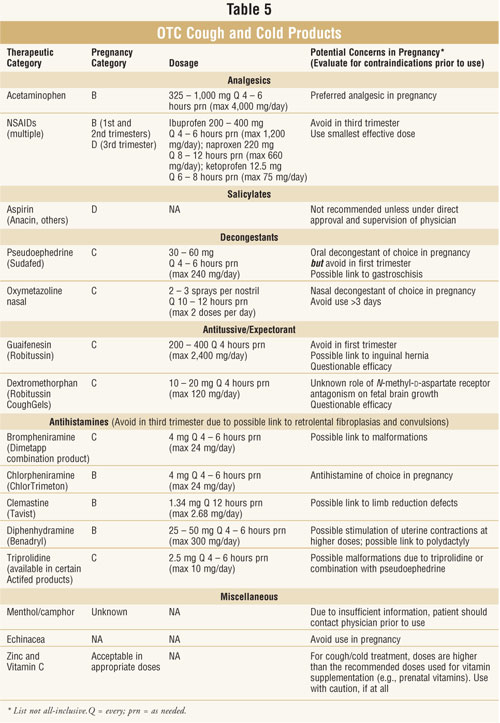
Modern health applications utilize machine learning algorithms to categorize medications based on regulatory data, such as the FDA’s previous letter-grade system (A, B, C, D, and X) and the current Pregnancy and Lactation Labeling Rule (PLLR). When a user inputs a symptom—such as nasal congestion or a sinus headache—the AI does not just list medicines; it cross-references the user’s current trimester with a vast database of clinical trials and observational studies.
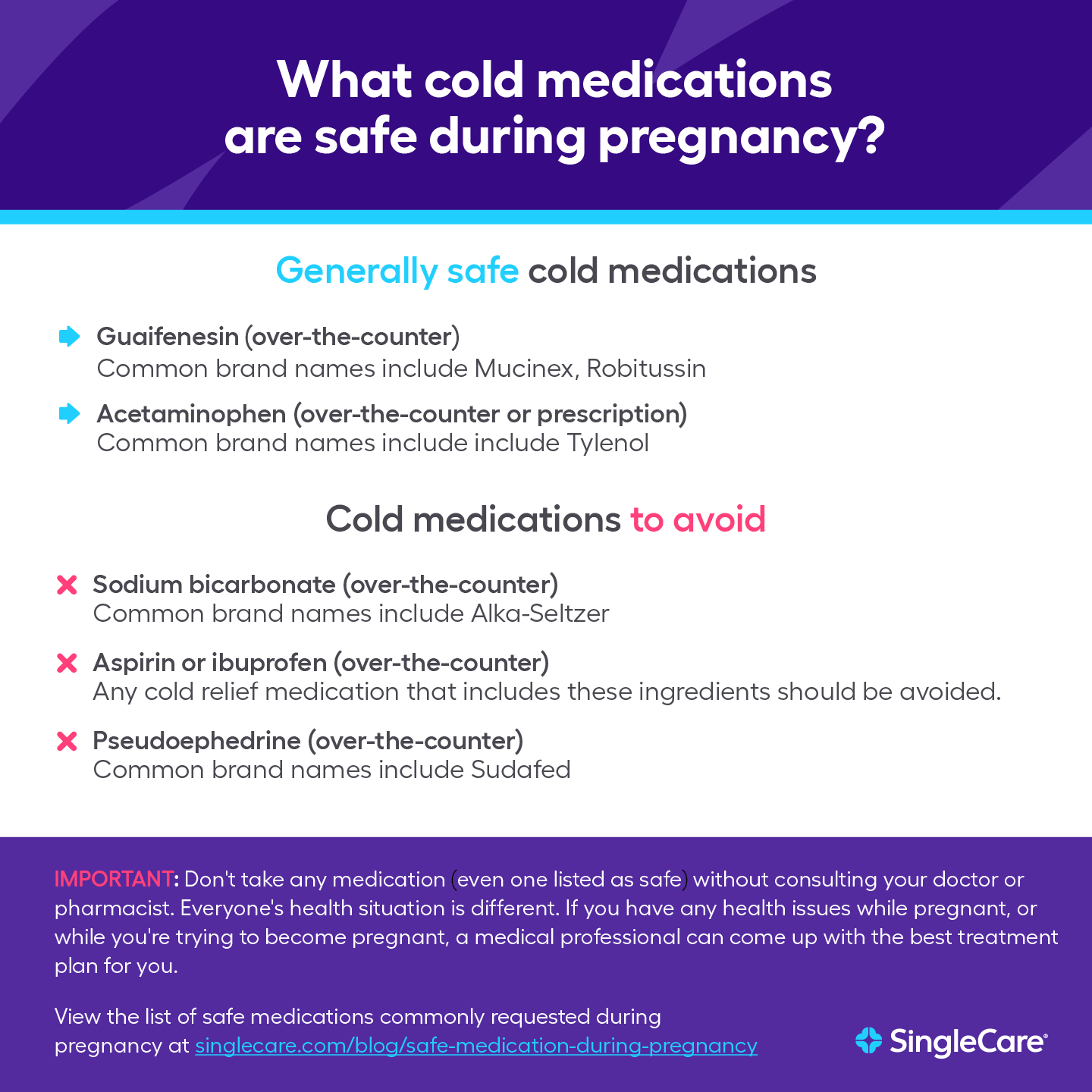
For instance, an AI tool might identify that while acetaminophen is generally considered a first-line treatment for pain during pregnancy, certain decongestants like pseudoephedrine require more caution, particularly in the first trimester. These algorithms are designed to provide a nuanced safety profile that a standard “top 10” list cannot match.
Reducing Human Error with Database Integration
Software integration is the backbone of digital pharmacy safety. Many apps now feature “Smart Scan” technology, allowing users to scan the barcode of a cold medicine bottle. The software then instantly parses the active ingredients against the user’s digital health record. This tech-driven approach significantly reduces the risk of accidental ingestion of harmful ingredients, such as ibuprofen or high-alcohol-content cough syrups, which are often contraindicated during various stages of gestation.
Mobile Apps: The Digital Pharmacy in Your Pocket
The proliferation of specialized pregnancy apps has turned the smartphone into a vital medical device. These platforms do more than track fetal growth; they serve as comprehensive resource hubs for pharmaceutical safety, ensuring that the answer to “what can I take?” is always at the user’s fingertips.
Top-Rated Apps for Verifying OTC Safety
Platforms like Ovia Health, The Bump, and WebMD Pregnancy have integrated “Medication Safety” tools. These apps act as a curated interface for the massive amounts of data provided by organizations like the American College of Obstetricians and Gynecologists (ACOG).
The technical advantage of these apps lies in their User Experience (UX) design. For a user dealing with the brain fog of a head cold, the software provides a high-contrast, easy-to-navigate interface that highlights “Safe,” “Check with Doctor,” and “Avoid” categories. By translating complex pharmacological data into actionable UI elements, these apps empower users to make informed decisions at the pharmacy aisle.
Integrating Wearable Data with Cold Symptom Monitoring
We are also seeing an increase in the integration between maternal apps and wearable technology like the Apple Watch or Oura Ring. If a pregnant user is suffering from a head cold, her wearable device may track an elevated resting heart rate or a slight rise in basal body temperature.
This biometric data can be synced with health apps to provide a more holistic view of the illness. If the software detects signs of a more serious infection—such as a sustained high fever—it can trigger a notification suggesting that the user bypass OTC meds and contact a provider immediately. This proactive tech intervention ensures that a simple head cold doesn’t escalate into a more significant health risk.

Telehealth and Virtual Consultations: Instant Access to Expert Advice
While apps and AI provide a wealth of information, the most critical tech advancement in maternal care is the rise of Telehealth. When uncertainty remains regarding a specific brand of cold medicine, the ability to launch a virtual consultation bridges the gap between digital data and human expertise.
The Shift from Google Searches to On-Demand Specialists
Telehealth platforms like Teladoc, Amwell, and niche maternal startups like Maven Clinic offer 24/7 access to OB-GYNs and pharmacists. The technology behind these platforms involves secure, high-definition video streaming and integrated Electronic Health Records (EHR).
When a pregnant patient is unsure if a specific antihistamine is safe for her head cold, she can consult a specialist in minutes. The specialist, in turn, has immediate access to the patient’s history via the cloud-based EHR, ensuring that any advice given is personalized to the patient’s specific health profile and pregnancy complications, if any exist.
Enhancing Patient Security and Data Privacy in Health Apps
A significant hurdle in the adoption of health-tech has always been data security. However, current software development standards have evolved to meet rigorous HIPAA (Health Insurance Portability and Accountability Act) and GDPR requirements.
Leading maternal health apps now utilize end-to-end encryption for all user-entered data regarding medication use and symptoms. This ensures that a user’s pregnancy status and health queries remain private. The implementation of biometric authentication (FaceID or fingerprint) on these apps provides an additional layer of security, making the digital health space a safe environment for sensitive maternal queries.
The Future of FemTech: Personalized Medicine and Predictive Analytics
As we look toward the future of technology in maternal health, the focus is shifting from “general safety” to “personalized pharmacology.” The next generation of software will likely utilize predictive analytics to determine how a specific individual will react to common cold medications.
Genomic Tech and Individualized Medication Responses
One of the most exciting frontiers in Tech is the intersection of genomics and mobile health. In the future, a user might upload their genetic profile to a health app. When they catch a cold during pregnancy, the app could use this data to predict which medications—such as specific expectorants or antihistamines—will be most effective for their unique metabolic rate, while minimizing fetal exposure. This level of personalization represents the pinnacle of digital health integration.
Blockchain for Verifying Pharmaceutical Authenticity
Another emerging trend is the use of blockchain technology to ensure the integrity of the pharmaceutical supply chain. For a pregnant woman, the stakes of taking a counterfeit or improperly stored medication are incredibly high.
Blockchain-enabled apps allow users to track a box of cold medicine from the manufacturer to the pharmacy shelf. By scanning a QR code, the user can verify that the medicine is authentic and has not been subject to recalls. This transparency, powered by distributed ledger technology, adds a vital layer of trust for consumers navigating the OTC market.
Conclusion: Empowering the Modern Expectant Mother
The question of “what head cold medicine can I take while pregnant” is no longer a source of solitary stress. Through the lens of modern technology, it is a query that can be answered with precision, speed, and security.
The synergy between AI-driven databases, user-friendly mobile interfaces, and the immediacy of telehealth has fundamentally changed the patient experience. By leveraging these tech tools, pregnant individuals can move beyond the “best guess” approach and enter a realm of evidence-based, digitally-supported wellness. As Health-Tech continues to evolve, the integration of biometric data, genomic insights, and blockchain security will only further refine our ability to provide safe, effective care for the next generation.
aViewFromTheCave is a participant in the Amazon Services LLC Associates Program, an affiliate advertising program designed to provide a means for sites to earn advertising fees by advertising and linking to Amazon.com. Amazon, the Amazon logo, AmazonSupply, and the AmazonSupply logo are trademarks of Amazon.com, Inc. or its affiliates. As an Amazon Associate we earn affiliate commissions from qualifying purchases.