
The question “What has electrolyte drinks?” might seem straightforward, a simple query about ingredients. However, in the competitive landscape of beverage marketing, this question is a powerful hook, an entry point into understanding how brands position themselves, communicate their value, and ultimately capture consumer attention. Electrolyte drinks have transcended their niche origins in sports nutrition to become mainstream hydration solutions, and the brands behind them have masterfully woven the concept of electrolytes into their narratives. This article delves into the world of electrolyte drinks, not just from a functional standpoint, but from a strategic branding perspective, exploring how companies are educating consumers, differentiating their products, and building loyal followings around the science of hydration.
The Evolving Landscape of Hydration: From Sports to Everyday Life
The journey of electrolyte drinks from specialized athletic aids to ubiquitous consumer products is a testament to successful brand evolution and marketing. Initially, the focus was purely on performance enhancement for athletes. However, astute brands recognized a broader market need and began to adapt their messaging and product formulations.
From the Athlete’s Canteen to the Grocery Aisle: A Market Shift
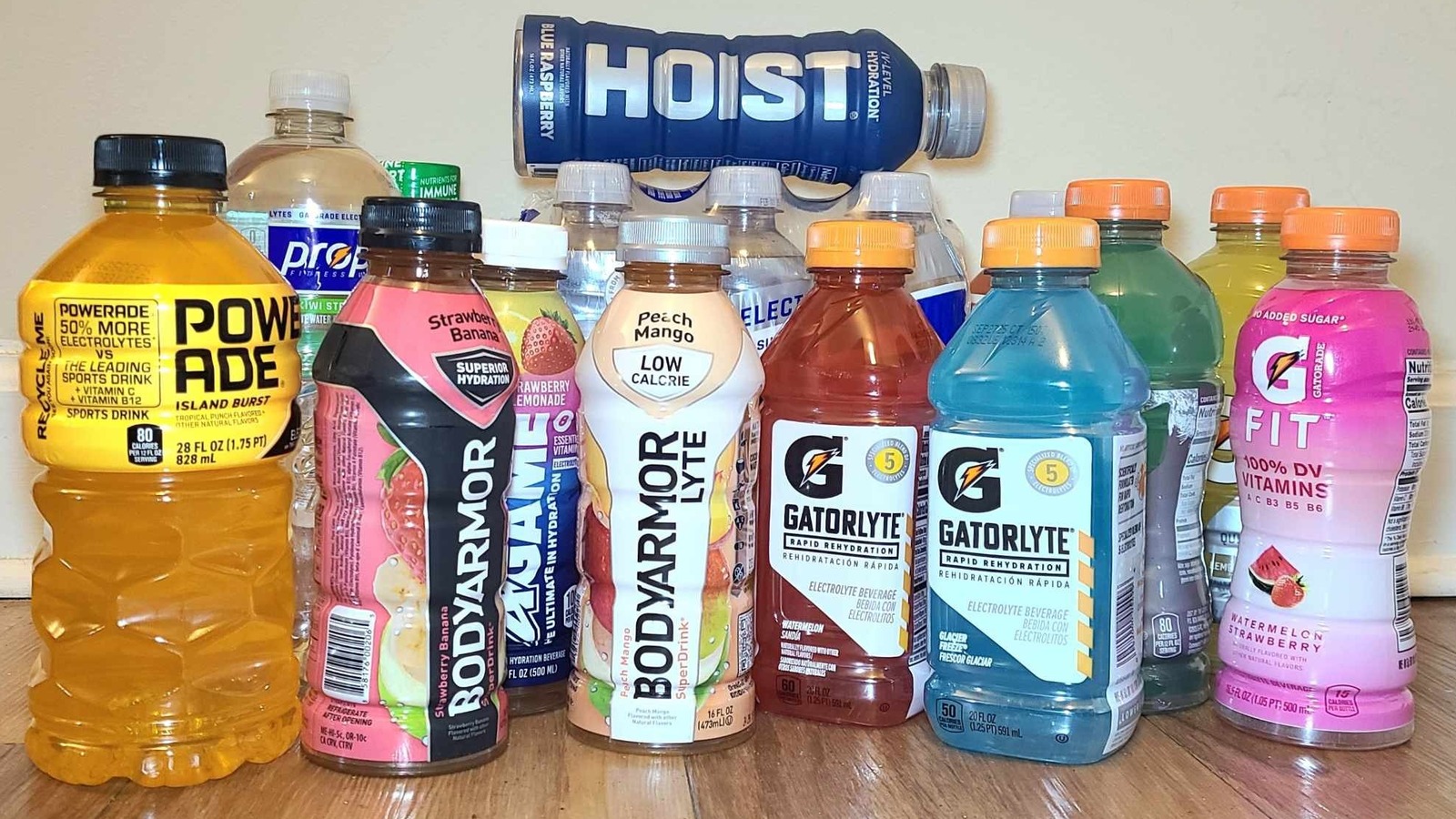
For decades, electrolyte drinks were synonymous with intense physical exertion. Brands like Gatorade and Powerade dominated this space, their marketing efforts laser-focused on athletes needing to replenish fluids and minerals lost through sweat. Commercials featured professional athletes, rigorous training sessions, and the promise of improved performance. This established a strong, albeit niche, brand identity centered on athletic prowess.
However, as consumer awareness around health and wellness grew, so did the understanding of hydration’s importance beyond the playing field. The concept of “everyday hydration” began to take root. Busy professionals, students, and individuals leading active lifestyles, even if not competing professionally, started seeking solutions to combat fatigue, improve focus, and simply feel better. This created a significant market opportunity for brands to broaden their appeal. They began repositioning their products, emphasizing benefits like “replenishing fluids and essential minerals lost throughout the day,” or “supporting optimal body function.” This strategic shift transformed electrolyte drinks from a niche sports beverage into a widely accepted wellness drink.
Defining “Electrolytes” for the Modern Consumer: A Branding Challenge
A significant hurdle for brands in this market is educating consumers about what electrolytes are and why they matter. The term itself can sound scientific and intimidating. Therefore, effective branding involves simplifying this message and making it relatable.
Brands have tackled this in several ways. They use clear, accessible language in their marketing materials, often associating electrolytes with common symptoms of dehydration like fatigue, headaches, and muscle cramps. Visuals often play a crucial role, showing individuals enjoying the drinks in various everyday scenarios – at the office, during a commute, or while engaging in light exercise. Furthermore, brands often highlight the specific electrolytes present (sodium, potassium, magnesium, calcium) and their purported benefits in an easily digestible format. This educational aspect is not just about informing; it’s about building trust and demonstrating the tangible value of their products, moving beyond just a refreshing taste.
Brands at the Forefront: Strategies for Electrolyte Drink Success
The electrolyte drink market is a vibrant and competitive space, characterized by innovative branding and diverse marketing approaches. Companies have employed a range of strategies to capture market share and build strong brand loyalty.
Product Diversification and Segmentation: Catering to Every Need
The most successful electrolyte drink brands have recognized that a one-size-fits-all approach is no longer effective. They have invested heavily in product diversification, creating a portfolio that caters to a wide array of consumer needs and preferences. This segmentation strategy allows brands to target specific demographics and occasions with tailored offerings.
For instance, some brands offer “performance” lines with higher concentrations of electrolytes, specifically targeting athletes and fitness enthusiasts. Others have developed “hydration” or “wellness” lines, often with lower sugar content, natural ingredients, or added vitamins and minerals, aimed at the broader health-conscious consumer. We also see “recovery” drinks designed for post-exercise replenishment, and even “immunity” focused beverages that incorporate electrolytes alongside other beneficial ingredients. This strategic product segmentation not only broadens the consumer base but also reinforces the brand’s versatility and its ability to be a comprehensive solution for hydration needs at various points in a person’s day and life.
Marketing and Communication: The Art of the Hydration Message
The way brands communicate the benefits of electrolytes is paramount to their success. It’s a delicate balance between scientific accuracy and consumer appeal.
H3: Leveraging Influencers and Endorsements: Many brands have tapped into the power of social media influencers and celebrity endorsements. By partnering with individuals who resonate with their target audience – whether they are fitness gurus, wellness advocates, or even everyday people with compelling stories – brands can lend authenticity and credibility to their claims. These partnerships often involve sponsored content, product placements, and co-created campaigns designed to showcase the drink in real-life scenarios and highlight its perceived benefits.
H3: Content Marketing and Education: Beyond direct advertising, many electrolyte drink brands engage in robust content marketing. This includes creating blog posts, informative videos, and social media campaigns that explain the science behind electrolytes, the importance of hydration, and how their products can contribute to overall well-being. This educational approach aims to empower consumers with knowledge, positioning the brand as a trusted authority in the hydration space. For example, a brand might publish an article explaining the role of potassium in muscle function or the impact of sodium on fluid balance, subtly linking these concepts back to their product’s ingredients and benefits.

H3: Packaging and Design: The visual presentation of electrolyte drinks is also a critical element of their branding. Packaging often communicates key selling points, such as “zero sugar,” “natural flavors,” “replenishes electrolytes,” or specific vitamin fortifications. Color palettes, font choices, and imagery are carefully selected to evoke feelings of freshness, energy, or health, depending on the brand’s specific positioning. For instance, vibrant blues and greens might be used for a refreshing, active image, while softer, earthier tones could be employed for a more natural, wellness-focused brand.
Beyond the Bottle: Case Studies in Electrolyte Drink Branding
Examining specific brands offers valuable insights into successful electrolyte drink marketing strategies. These case studies highlight how companies have navigated the market, differentiated themselves, and built lasting consumer connections.
Case Study 1: Gatorade – The Enduring Sports Nutrition Icon
Gatorade, arguably the pioneer in the electrolyte drink market, has maintained its dominance through a consistent and powerful brand strategy. Its core message has always revolved around athletic performance. Even as the market has expanded, Gatorade has largely stayed true to its roots, continually innovating within the sports nutrition sphere.
Their marketing remains heavily invested in endorsements from top-tier athletes across various sports, reinforcing their association with elite performance. They also engage in extensive scientific research, partnering with universities and sports science institutions to further validate their product’s efficacy. This commitment to science lends an air of authority and credibility. Furthermore, Gatorade has diversified its product line with specific offerings like G Zero for those seeking low-sugar options, and G Series, which is designed to support athletes before, during, and after exercise. Their consistent messaging, strong athlete partnerships, and commitment to scientific backing have solidified their position as the go-to brand for sports hydration.
Case Study 2: Liquid I.V. – Elevating Hydration Through Science and Social Impact
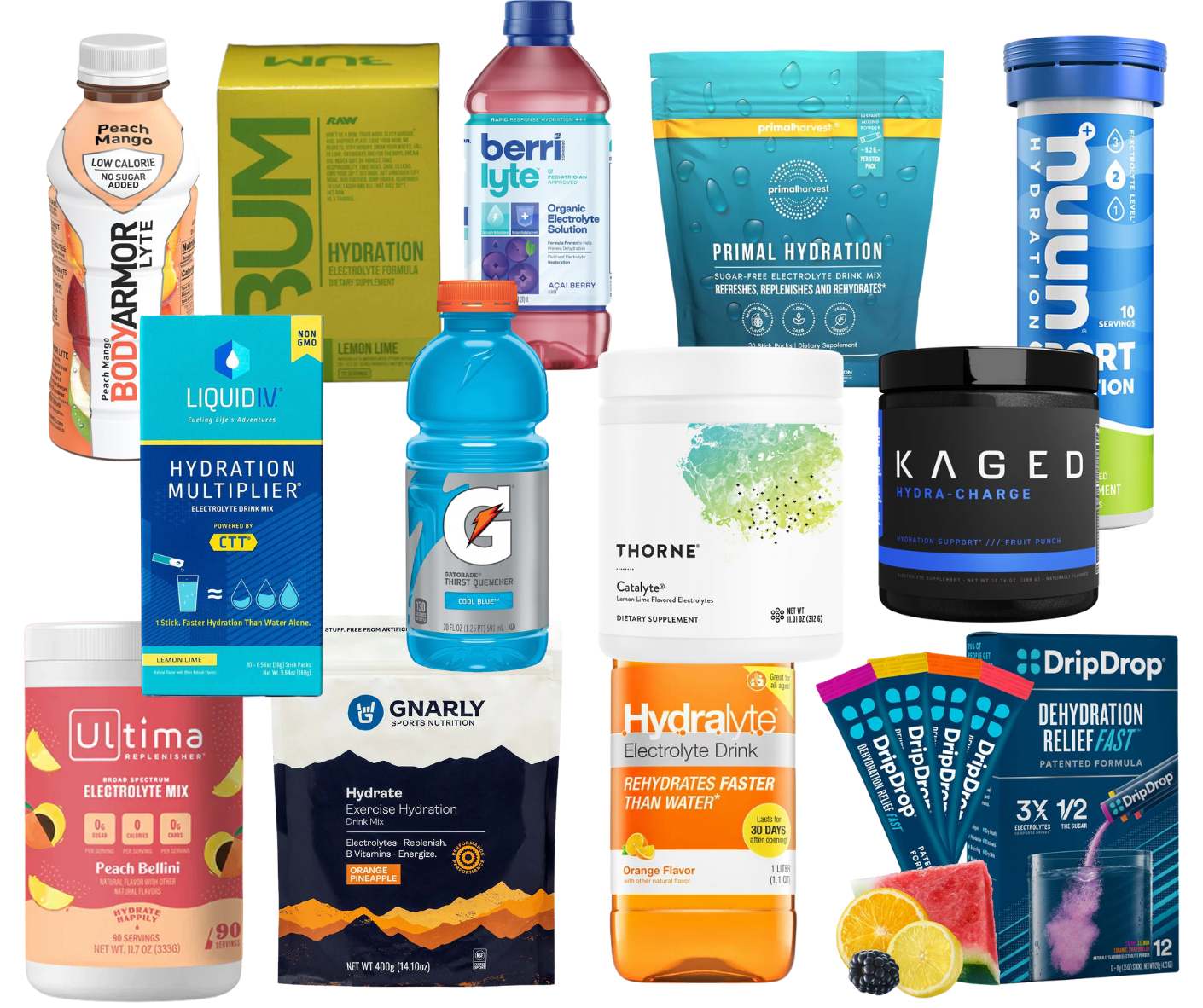
Liquid I.V. represents a modern approach to electrolyte drinks, blending advanced hydration science with a strong social mission. Their branding emphasizes cellular hydration through their proprietary “Hydration Multiplier” technology, which aims to deliver water and other key nutrients more efficiently.
Their marketing strategy is multi-faceted. They leverage influencer marketing effectively, partnering with a diverse range of individuals in the wellness, fitness, and lifestyle spaces. They also prioritize educational content, explaining the science behind their technology in an accessible manner. A key differentiator for Liquid I.V. is their “One for One” donation model, where for every unit purchased, they donate a serving of their product to someone in need around the world. This social impact component resonates deeply with consumers who are increasingly seeking brands that align with their values. By combining scientific innovation, relatable marketing, and a powerful social mission, Liquid I.V. has successfully carved out a significant niche in the market, appealing to a consumer base that values both personal well-being and global responsibility.
Case Study 3: Nuun – Sustainability and Active Lifestyles
Nuun has built its brand around the concept of sustainable hydration for active lifestyles. Their flagship products are effervescent tablets that consumers can drop into their own reusable water bottles, significantly reducing plastic waste. This commitment to sustainability is a core tenet of their brand identity and a major differentiator.
Nuun’s marketing often features individuals enjoying outdoor activities – hiking, biking, running – in natural settings. They emphasize the convenience and portability of their tablets, making them ideal for on-the-go hydration. Their messaging focuses on clean ingredients, with many of their products being vegan, gluten-free, and non-GMO. Nuun also actively engages with the athletic community through sponsorships of races and events, and by supporting grassroots athletes. Their strategy is about offering a high-quality, functional hydration solution that also aligns with environmental consciousness, appealing to a growing segment of consumers who prioritize both personal health and planetary well-being.
The Future of Electrolyte Drinks: Continued Innovation in Branding and Product Development
The market for electrolyte drinks is far from saturated. As consumer understanding of hydration deepens and technological advancements continue, brands will need to remain agile and innovative in their approach.
Personalization and Functional Fortification: The Next Frontier
The future of electrolyte drinks likely lies in greater personalization and more sophisticated functional fortification. We may see brands leveraging wearable technology and data analytics to offer customized hydration solutions based on an individual’s specific physiological needs, activity levels, and even environmental conditions. Imagine an app that analyzes your sweat rate and dietary intake to recommend the optimal electrolyte blend for your next workout.
Furthermore, brands will continue to explore new ingredients and delivery systems. This could include incorporating adaptogens for stress management, nootropics for cognitive enhancement, or probiotics for gut health, all while maintaining or enhancing the core electrolyte benefits. The packaging itself might also evolve, with smart packaging that monitors product freshness or provides real-time hydration tracking.
Embracing Transparency and Authenticity: Building Lasting Consumer Trust
In an era of increasing consumer scrutiny, transparency and authenticity will be paramount for brands. Consumers are demanding to know not only what is in their drinks but also how those ingredients are sourced and what ethical practices the company adheres to. Brands that can demonstrate a genuine commitment to quality, sustainability, and ethical sourcing will build deeper and more lasting trust with their customers. This could involve detailed ingredient traceability, certifications for ethical production, and open communication about their supply chains.
Ultimately, the question “What has electrolyte drinks?” is answered not just by listing ingredients, but by understanding the brand stories, the scientific backing, and the strategic marketing that have propelled these beverages into the mainstream. The success of electrolyte drinks is a powerful illustration of how brands can effectively communicate complex scientific concepts, adapt to evolving consumer needs, and build robust market positions through insightful branding and consistent delivery of value.
aViewFromTheCave is a participant in the Amazon Services LLC Associates Program, an affiliate advertising program designed to provide a means for sites to earn advertising fees by advertising and linking to Amazon.com. Amazon, the Amazon logo, AmazonSupply, and the AmazonSupply logo are trademarks of Amazon.com, Inc. or its affiliates. As an Amazon Associate we earn affiliate commissions from qualifying purchases.