
In the fast-paced world of card games, few elicit the same blend of strategic thinking, tactical foresight, and thrilling anticipation as Rummy. For millions globally, Rummy isn’t just a pastime; it’s a mental exercise, a social lubricant, and increasingly, a platform for competitive play with real financial stakes. A pivotal moment in any Rummy game, and one that directly dictates its financial outcome, is when a player “runs out of cards.” This seemingly simple act—declaring your hand and concluding the round—is the culmination of strategic decisions, calculated risks, and a keen understanding of both the game’s mechanics and its economic underpinnings.
This article delves deep into the multifaceted implications of running out of cards in Rummy, particularly within the context of real-money gaming. We will explore not just the immediate financial consequences, but also the strategic maneuvers that lead to this decisive moment, the psychological factors at play, and how online platforms facilitate and monetize these game endings. For anyone engaging with Rummy for profit or simply seeking to master its intricacies, understanding this critical juncture is non-negotiable.
The Decisive Moment: Understanding Game Endings and Financial Outcomes
The act of “running out of cards” in Rummy is formally known as making a “declaration” or “going out.” It signifies that a player has successfully arranged all their cards into valid sets and sequences, leaving no unmatched cards (deadwood). This moment is the trigger for the game’s immediate financial resolution, transforming strategic play into tangible gains or losses.
The Declaration: When a Player Goes Out
For a player to successfully declare, they must meet specific criteria, which can vary slightly depending on the Rummy variant (e.g., Gin Rummy, Indian Rummy, 500 Rummy). Generally, this involves:
-
Valid Sets and Sequences: All cards in hand must be organized into at least two sequences, one of which must be a “pure sequence” (without a joker). The remaining cards must form valid sets (three or four of a kind) or sequences.
-
The Final Discard: The player making the declaration typically finishes their turn by discarding one last card face down into the finish slot or onto the discard pile, indicating their readiness to show their hand.
The moment a player declares, the game immediately stops, and no further moves are permitted. This is where the financial accounting begins, and the fortunes of all players are decided based on their remaining cards.
Point Calculation: The Immediate Financial Impact
The core of Rummy’s financial outcome lies in its point system. When a player declares, all other players must reveal their hands, and the value of their “deadwood” (unmelded, unmatched cards) is calculated. Each card carries a specific point value:
-
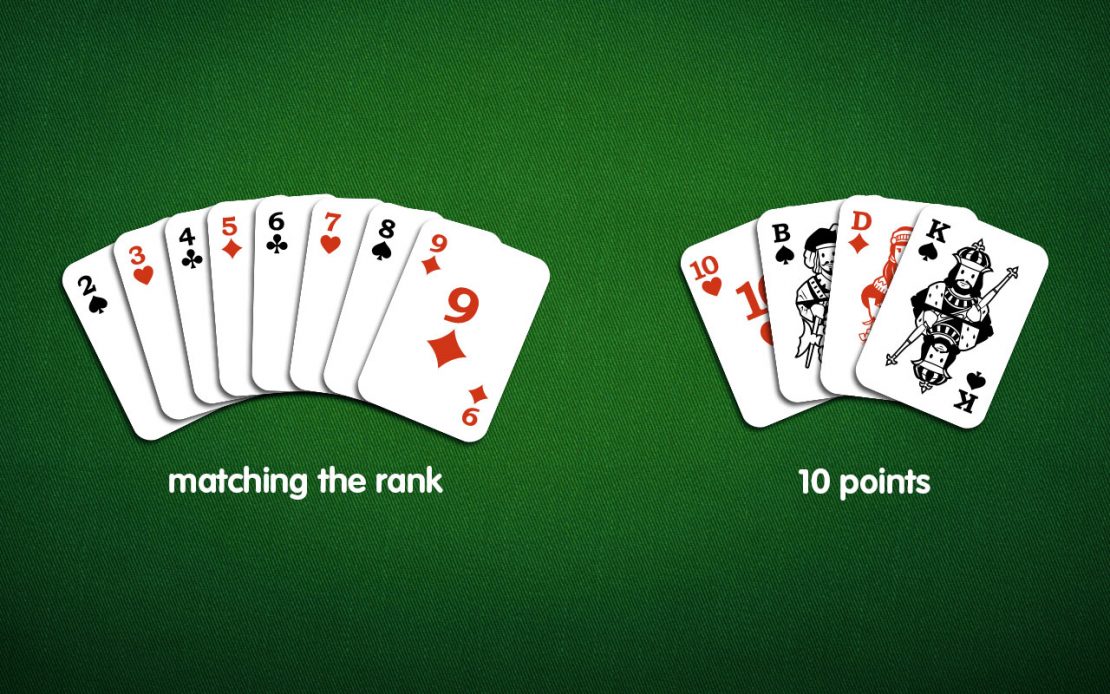
Face Cards (King, Queen, Jack): Usually 10 points each.
-
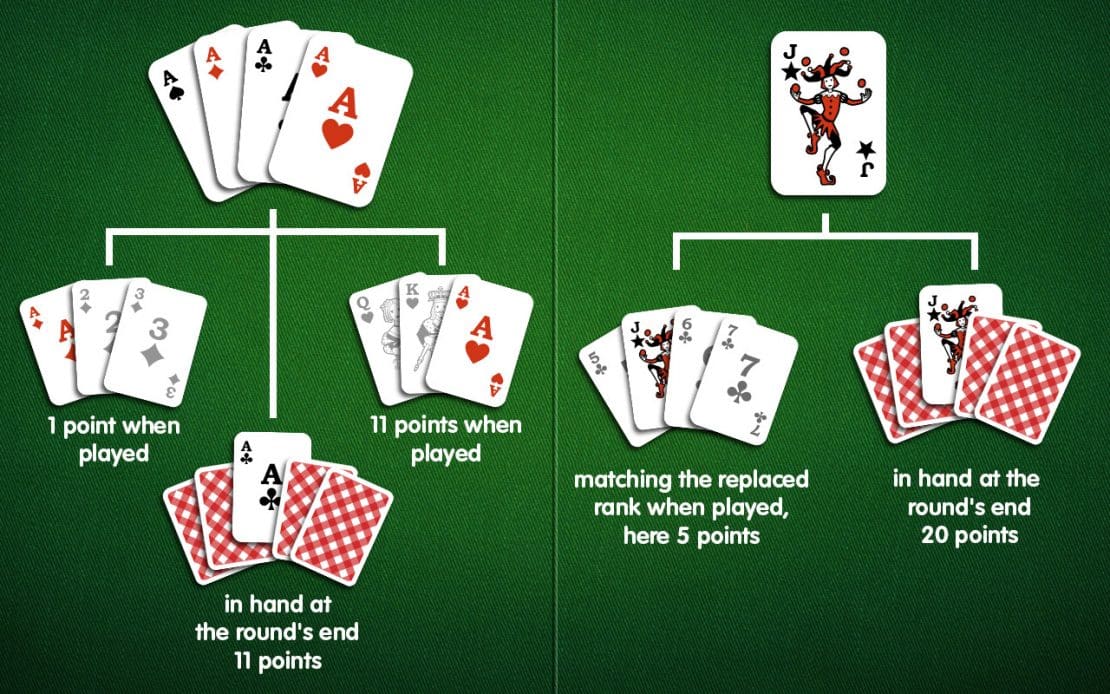
Aces: Can be 1 point (in a low sequence like A-2-3) or 10 points (like K-Q-A or as a set of Aces). The specific value depends on the variant.
-
Numbered Cards (2-10): Their face value.
-
Jokers/Wild Cards: Typically carry zero points, as they are used to complete sets/sequences and therefore do not contribute to deadwood.
The total points from a player’s deadwood determine their score for that round. The player who declared successfully gets zero points. The financial implication is direct: the lower your points, the better. In a real-money game, points are directly converted into monetary value.
Stakes and Winnings: Translating Points to Cash
Real-money Rummy platforms operate on a “points value” system. Before a game begins, players agree on a pre-determined monetary value for each point. For example, a game might be set at ₹2 per point. If Player A declares, and Player B is left with 50 deadwood points, Player B pays Player A ₹100 (50 points * ₹2/point). In a multi-player game, the declaring player collects from each opponent based on their respective deadwood scores.
This system highlights:
-
Direct Correlation: Every point not melded costs money.
-
Risk Management: The higher the points you hold, the greater your potential financial loss if an opponent declares.
-
Dynamic Payouts: Winnings are not fixed but are contingent on the opponents’ remaining card values, making each game a unique financial proposition.
Understanding this conversion is fundamental to playing Rummy for profit. It shifts the focus from merely “winning” to “winning by a large margin” (i.e., opponents having high deadwood) or “losing by a small margin” (keeping deadwood low to minimize losses).
Strategic Implications: Mastering the ‘Out-of-Cards’ Scenario for Profit
For the astute Rummy player, the “running out of cards” scenario is not a passive outcome but an active strategic objective. Mastering the art of making a declaration, and preventing opponents from doing so effectively, is crucial for consistent financial success.
Early Melding and Laying Off: Aggressive Play for Quick Wins
One common strategy is to aim for an early declaration. This involves:
-
Prioritizing Pure Sequences: As a pure sequence is mandatory for a valid declaration, players often focus on securing this first.
-
Rapid Melding: As soon as valid sets and sequences are formed, they are melded (laid down). This reduces deadwood and signals intent to opponents.
-
Laying Off: When opponents have melded, players can “lay off” their matching cards onto those existing melds. This instantly reduces their deadwood points without having to form complete sets themselves.
An aggressive approach aims to declare before opponents have a chance to significantly reduce their high-value cards. This can lead to larger payouts, as opponents are often caught with numerous high-point cards. However, it also carries risk; if an early declaration turns out to be invalid, it incurs a hefty penalty, potentially negating earlier gains.
Controlling the Discard Pile: Denying Opponents and Forcing Their Hand
The discard pile is a battleground of information and opportunity. Strategic players use it to:
-
Deny Opponents Key Cards: By observing opponents’ picks from the discard pile and their melded cards, a player can infer what cards they might need. Discarding cards that are “safe” (unlikely to help an opponent) while holding onto cards that an opponent might be waiting for is a critical skill.
-
Force Bad Discards: Sometimes, players can manipulate the discard pile to compel opponents to discard high-value cards they can’t meld. This increases the opponent’s potential deadwood and paves the way for a more lucrative declaration.
-
Bluffing: Occasionally, a player might discard a seemingly useful card to mislead opponents about their hand, creating opportunities for a surprise declaration.
Effective control of the discard pile directly impacts an opponent’s ability to reduce their points and declare, thereby influencing the financial outcome of the round.
Risk vs. Reward: Knowing When to Declare
The decision to declare is a finely balanced risk-reward calculation.
-
Declaring Too Early: If you declare prematurely without consolidating your hand perfectly, or if you misinterpret an opponent’s hand, you might declare with invalid sets/sequences. This typically results in a “penalty for an invalid declaration,” which is often a significant fixed point penalty (e.g., 80 points), or sometimes even the maximum possible points. This immediately turns a potential win into a substantial financial loss.
-
Holding Back Too Long: Conversely, waiting too long to declare increases the risk that an opponent will declare first. If an opponent declares, and you’re caught with high-value deadwood, your potential winnings evaporate, and you incur a loss.
A seasoned player understands the tipping point: the moment when their hand is strong enough for a valid declaration, and the risk of holding on outweighs the potential for further reducing their own deadwood or increasing opponents’ deadwood. This judgment is sharpened by experience and a keen awareness of the game’s flow and opponents’ tendencies.
The Psychology and Financial Discipline of Rummy
Playing Rummy for money extends beyond card skills; it demands robust psychological fortitude and strict financial discipline. The fluctuating nature of wins and losses, often dictated by the “running out of cards” moment, can significantly impact a player’s mindset and bankroll.
Managing Your Bankroll: Protecting Your Capital
Effective bankroll management is the bedrock of sustainable Rummy play. This involves:
-
Setting Limits: Defining a fixed amount of capital dedicated to Rummy and never exceeding it. This includes daily, weekly, or monthly loss limits.
-
Staking Appropriately: Only playing at tables where the “points value” aligns with your bankroll. A common guideline is to have at least 100-200 buy-ins for the stakes you choose, ensuring you can withstand losing streaks.
-
Segregating Funds: Keeping Rummy funds separate from personal finances to prevent emotional decisions from impacting essential expenditures.

When an opponent runs out of cards and you lose, good bankroll management ensures that a single loss, or even a series of losses, does not cripple your ability to continue playing. It transforms individual game outcomes into statistical fluctuations within a larger financial strategy.
Emotional Control: Avoiding Impulsive Decisions
The “running out of cards” moment can be a source of intense emotion. The thrill of a declaration or the frustration of being caught with high points can lead to:
-
Tilt Play: When frustrated by losses, players might engage in riskier, impulsive decisions, chasing losses at higher stakes or making illogical moves. This “tilt” often compounds financial damage.
-
Overconfidence: After a big win from an opponent being caught with high deadwood, players might become overconfident, leading to relaxed play and an underestimation of risk.
Maintaining emotional equilibrium is vital. Sticking to a pre-defined strategy, accepting the inherent variance of card games, and knowing when to take a break are crucial for long-term financial health in Rummy.
Learning from Losses: Continuous Improvement for Future Gains
Every game, especially those where an opponent declares and you incur points, offers a learning opportunity.
-
Post-Game Analysis: Reviewing why you were caught with high points. Did you hold onto high-value cards too long? Did you miss opportunities to lay off? Did you misread an opponent’s hand?
-
Adapting Strategy: Using these insights to refine your melding strategy, discard choices, and risk assessment for future games.
This continuous cycle of play, analysis, and adaptation is how casual players evolve into financially astute strategists, minimizing losses and maximizing wins over time.
Online Rummy Platforms: Business Models and Fair Play
The financial ecosystem of Rummy extends beyond individual player transactions to the platforms that host these games. Understanding their business model and commitment to fair play is crucial for players investing their money.
Rake and Commissions: How Platforms Monetize Game Endings
Online Rummy platforms primarily generate revenue through “rake” or “commissions.” This is a small percentage (typically 5-10%) of the total pot collected from the winning player(s) at the end of each round, right after a player runs out of cards and the points are tallied.
-
Operational Costs: This rake covers the platform’s operational costs, including software development, server maintenance, customer support, marketing, and regulatory compliance.
-
Profit Margins: It also constitutes the platform’s profit margin.
-
Volume-Based: The model is volume-based; platforms thrive on a high number of games played, regardless of who wins or loses, as they take a small cut from every completed transaction.
This model makes platforms incentivized to ensure fair and engaging gameplay, as their revenue directly correlates with player activity and satisfaction.
Ensuring Game Integrity: The Role of RNG and Anti-Cheating
For players to trust a platform with their money, particularly when outcomes are determined by cards, game integrity is paramount.
-
Random Number Generators (RNGs): Reputable Rummy platforms use certified RNGs to ensure that card distribution is truly random and unbiased. This means the probability of receiving any specific card is consistent, preventing any manipulation.
-
Anti-Cheating Mechanisms: Platforms employ sophisticated algorithms and human monitoring to detect and prevent collusion, bot usage, and other forms of cheating. This protects the financial interests of honest players.
-
Security Measures: Secure payment gateways, encryption, and data protection protocols ensure that players’ financial transactions and personal information are safe.
These measures build player confidence, ensuring that when a player runs out of cards, the financial outcome is a result of skill and luck, not unfair play.
Responsible Gaming: Setting Limits and Understanding Risks
Recognizing the potential for addiction and financial harm, responsible Rummy platforms actively promote responsible gaming practices.
-
Self-Exclusion Tools: Players can set limits on deposits, losses, and playing time, or opt for temporary/permanent self-exclusion.
-
Reality Checks: Notifications reminding players of their session duration and financial activity.
-
Support Resources: Providing links and information for professional help organizations dealing with gambling addiction.
For players, understanding these features and utilizing them effectively is a crucial aspect of responsible personal finance when engaging with online Rummy, ensuring that the pursuit of online income remains a controlled and enjoyable activity.
Beyond the Table: Rummy as a Source of Online Income
For a select few, the strategic mastery of Rummy, culminating in effectively “running out of cards” consistently, transcends casual play and becomes a legitimate source of online income.
Professional Rummy Players: A Viable Niche?
Yes, professional Rummy players exist, though it’s a challenging and competitive niche. These individuals treat Rummy not as a game but as a serious endeavor, akin to day trading or professional poker.
-
Dedicated Study: They meticulously study strategy, probability, and opponent psychology.
-
Volume Play: They play a high volume of games across various stakes to leverage their skill edge over the long run.
-
Strict Bankroll Management: They adhere to stringent financial discipline to navigate variance.
For these players, “running out of cards” is the ultimate objective, executed with precision and aiming for maximum financial return on investment.
Skill vs. Luck: Building a Sustainable Earning Strategy
While luck plays a role in the cards dealt, Rummy is fundamentally a game of skill, especially in determining the outcome when a player declares.
-
Decision-Making: The choices of which cards to pick, which to discard, and when to declare are skill-based.
-
Probability: Calculating the odds of drawing needed cards or opponents holding certain cards.
-
Adaptation: Adjusting strategy based on opponents’ play and table dynamics.
A sustainable earning strategy focuses on consistently making superior decisions, thereby turning the statistical edge into long-term profit. This means minimizing losses when opponents declare and maximizing wins when you declare.
Diversifying Your Online Income Portfolio
For those exploring Rummy as a form of online income, it’s often wise to view it as part of a diversified portfolio of online earning activities.
-
Risk Mitigation: Relying solely on one income stream, especially one with inherent variance like card games, can be risky.
-
Complementary Skills: The analytical and strategic thinking developed in Rummy can be valuable in other online ventures.
-
Avoiding Burnout: Diversification can help prevent burnout and maintain a fresh perspective.
In conclusion, the act of “running out of cards” in Rummy is far more than a simple game mechanic. In the context of real-money play, it is the critical juncture where skill, strategy, psychology, and financial implications converge. Mastering this moment—knowing when to declare, how to minimize deadwood, and managing your bankroll effectively—is not just about winning a game; it’s about navigating a complex financial landscape where every decision has a direct impact on your wallet. For those who approach Rummy with insight and discipline, understanding this crucial aspect can transform casual play into a rewarding financial endeavor.
aViewFromTheCave is a participant in the Amazon Services LLC Associates Program, an affiliate advertising program designed to provide a means for sites to earn advertising fees by advertising and linking to Amazon.com. Amazon, the Amazon logo, AmazonSupply, and the AmazonSupply logo are trademarks of Amazon.com, Inc. or its affiliates. As an Amazon Associate we earn affiliate commissions from qualifying purchases.