
In an era of instant global connectivity, few technical feats are as critical—yet as invisible—as the emergency call. While most people are familiar with 112 as the pan-European and international emergency number, the technological infrastructure that springs into action the moment those three digits are pressed is a marvel of telecommunications engineering, digital security, and data synchronization.
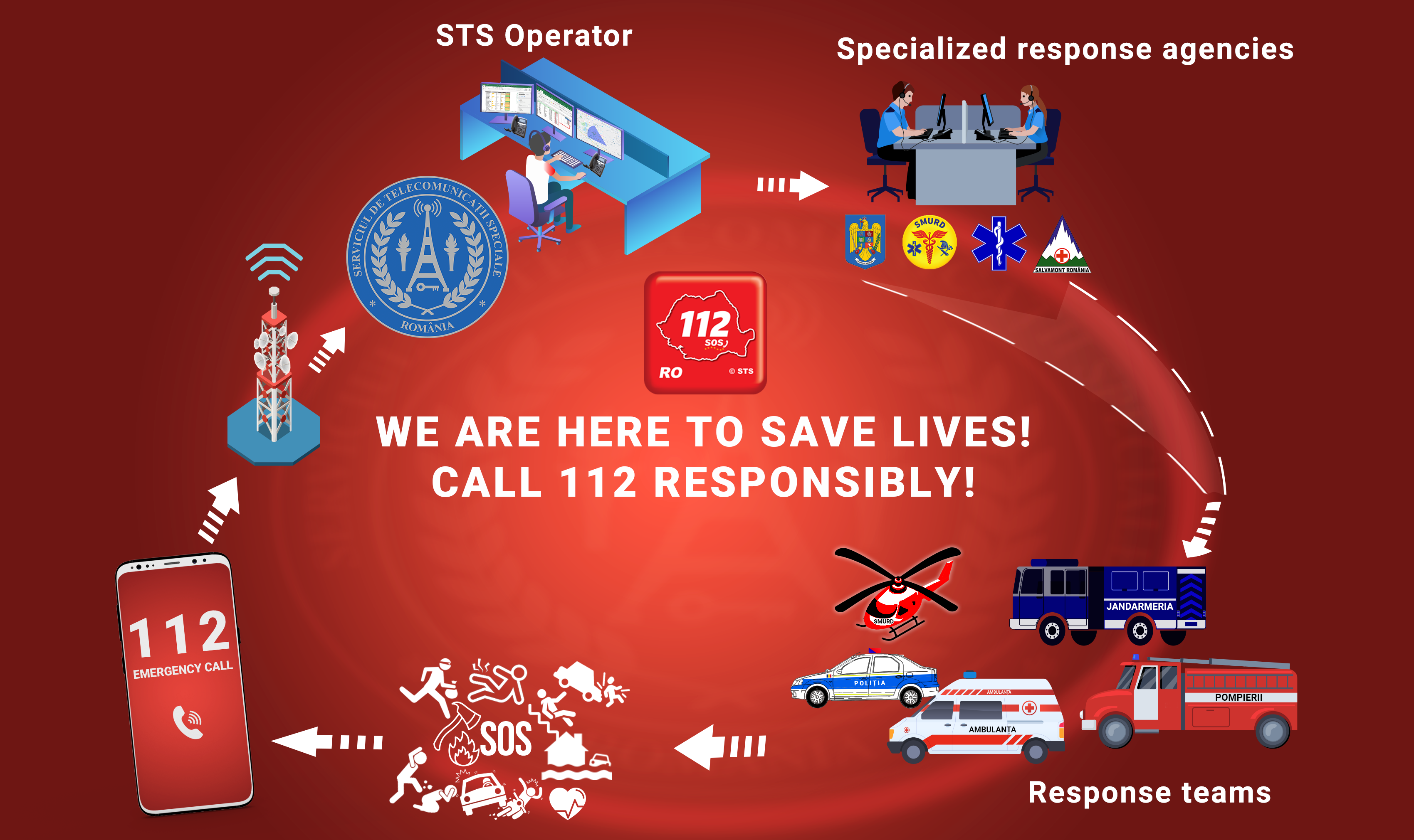
When you dial 112, you are not merely making a standard phone call. You are triggering a high-priority sequence within the Global System for Mobile Communications (GSM) architecture designed to bypass traditional network barriers, pinpoint your exact coordinates, and establish a “lifeline” through a complex web of hardware and software.
The GSM Standard: How a Global Protocol Connects You
The technical foundation of 112 lies in the standardized protocols established by the European Telecommunications Standards Institute (ETSI). Unlike a standard voice call, an emergency call is treated as a “high-priority burst” within the network’s signaling layer.
Overriding Network Barriers
One of the most significant technical features of the 112 protocol is its ability to bypass standard authentication. On a hardware level, when a mobile device initiates a 112 call, the internal firmware recognizes the digits as an Emergency Setup Message.
Even if your phone has no SIM card, or if the SIM is locked due to an incorrect PIN, the device is programmed to search for any available signal from any carrier. This is known as “Limited Service State” connectivity. If your primary provider has no coverage in a specific valley or building, your phone will “roam” onto a competitor’s spectrum specifically to transmit the 112 signal. This cross-carrier handshake is a mandatory requirement for all telecommunications hardware manufacturers globally.
The Priority Protocol Hierarchy
On the network side, the Mobile Switching Center (MSC) recognizes the emergency category of the call. In the event of network congestion—such as during a stadium event or a natural disaster—the system utilizes a “Priority Access and Retention” mechanism. This means that if all radio channels are occupied, the network infrastructure is designed to forcibly terminate a non-emergency call to vacate a slot for the 112 transmission. This technical hierarchy ensures that even in a saturated digital environment, emergency packets are delivered first.
Geolocation Tech: From Cell Towers to AML
Historically, the biggest challenge for emergency dispatchers was the “where.” In the early days of mobile tech, responders relied on cell tower triangulation, which could only narrow a caller’s location down to several square kilometers. Today, the integration of Advanced Mobile Location (AML) has revolutionized this process.
Advanced Mobile Location (AML) Integration
AML is a software-based solution integrated into the operating systems of almost all modern smartphones (Android’s Emergency Location Service and Apple’s HELO). When 112 is dialed, the phone’s operating system automatically activates its high-precision location sensors—even if the user has previously disabled GPS to save battery or for privacy reasons.
The device calculates its position using a combination of Global Navigation Satellite Systems (GNSS) and local Wi-Fi hotspots. It then sends a data packet, usually via a “silent” SMS or an HTTPS post, directly to the emergency services. This happens in the background, without the caller needing to do anything, providing an accuracy of up to 5 meters. This technological leap has reduced response times by minutes, which, in medical emergencies, is the difference between life and death.
The Role of Wi-Fi Positioning and Barometers
In dense urban environments where skyscrapers block satellite signals, the tech shifts to Wi-Fi Positioning Systems (WPS). By scanning local Wi-Fi Mac addresses and comparing them against a database of known locations, the phone can determine its position indoors. Furthermore, high-end smartphones now utilize internal barometers to measure air pressure, allowing dispatchers to receive “Z-axis” data—essentially identifying which floor of a high-rise building the caller is on.
Software and Infrastructure: Inside the PSAP
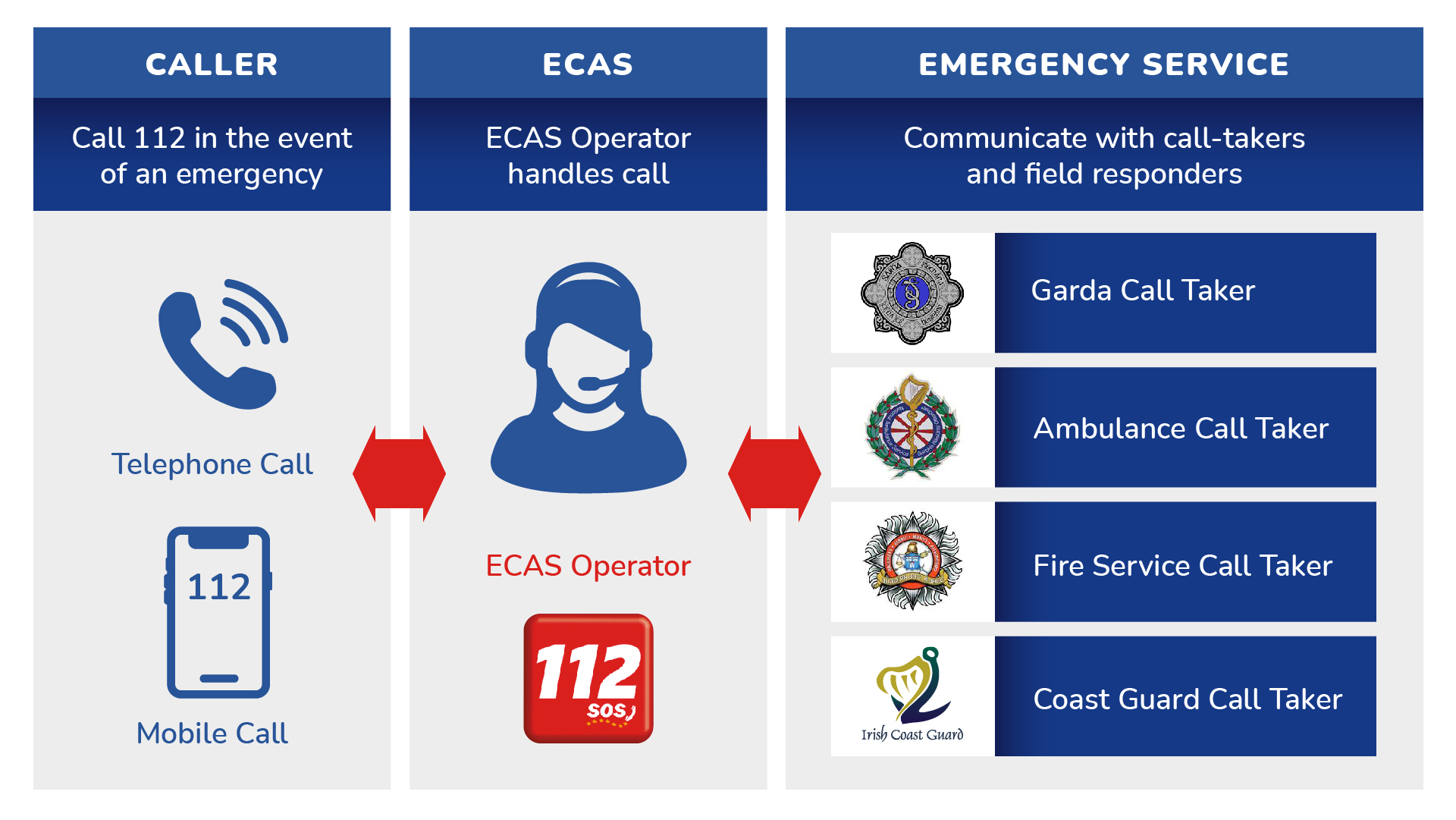
Once the call and data packets leave the mobile network, they enter the Public Safety Answering Point (PSAP). This is where the telecommunications world meets specialized enterprise software.
Computer-Aided Dispatch (CAD) Systems
The heart of the emergency center is the Computer-Aided Dispatch (CAD) system. As the 112 call arrives, the CAD software automatically “populates” the dispatcher’s screen with the caller’s phone number, service provider, and the AML-derived map location.
These systems are built on high-availability clusters—redundant server environments designed to ensure 99.999% uptime. The software must handle massive throughput, integrating real-time traffic data to suggest the fastest routes for ambulances or fire trucks and identifying the closest available units via Automated Vehicle Location (AVL) tech.
VoIP and Next-Generation 112 (NG112)
The industry is currently transitioning from legacy circuit-switched networks to Next-Generation 112 (NG112), which is based on Internet Protocol (IP). This shift allows for more than just voice. NG112 infrastructure enables “Total Conversation,” which includes real-time text (RTT), video calling, and the transmission of high-resolution images from the scene. This tech is particularly vital for the hearing impaired and for providing dispatchers with visual context that can change the nature of the response.
Digital Security and Privacy in Emergency Communications
Handling emergency data requires a delicate balance between life-saving transparency and digital security. Because 112 calls involve the transmission of highly sensitive metadata (real-time location, identity, and sometimes health data), the security protocols are rigorous.
Protecting Sensitive Location Data
The data packets sent via AML are typically encrypted in transit to prevent intercept. Furthermore, the “privacy-by-design” principle is applied: the high-accuracy location services are only active for the duration of the 112 call and for a short window afterward. Once the call is terminated, the phone’s emergency location mode is deactivated to prevent any ongoing tracking. From a legal and technical standpoint, these systems are often exempted from certain aspects of data protection laws (like GDPR) under the “vital interests” clause, but the technical silos remain strictly guarded.
Preventing DDoS Attacks on Emergency Lines
A major concern for modern PSAPs is the threat of Telephony Denial of Service (TDoS) attacks. Because 112 is an open access point, it is a potential target for malicious actors or botnets. To counter this, emergency networks use sophisticated traffic-shaping and filtering software. These tools can identify abnormal calling patterns—such as thousands of calls originating from a single IP range or cell tower—and reroute or “scrub” the traffic to ensure that legitimate human callers can still reach a dispatcher.
The Future of 112: AI and IoT Integration
The evolution of 112 is moving toward a more proactive, automated ecosystem where the “caller” might not even be a human.
AI-Driven Triage and Speech Recognition
Artificial Intelligence is beginning to play a role in the 112 workflow. AI-powered speech recognition can assist dispatchers by transcribing calls in real-time and highlighting keywords like “chest pain,” “unconscious,” or “weapon.” In multilingual regions, AI translation tools are being tested to provide near-instant interpretation, ensuring that language barriers do not delay the dispatch of services. Moreover, AI can analyze the background noise of a call—identifying the sound of a specific type of gunfire or a car engine—to provide additional intelligence to responders.
eCall and the Internet of Life-Saving Things
The most prominent example of IoT in this space is eCall. Since 2018, all new car models sold in the EU must be equipped with eCall technology. When sensors detect a serious crash (via airbag deployment), the vehicle autonomously dials 112. It transmits a “Minimum Set of Data” (MSD), including the vehicle’s exact location, the direction of travel, and the type of fuel used (critical for fire crews).
As we move toward a fully connected world, we can expect “Internet of Life-Saving Things” integration. Imagine a wearable heart monitor that detects a cardiac arrest and autonomously initiates a 112 call, providing the victim’s medical history to the paramedics before they even arrive.
When you dial 112, you are tapping into a global masterpiece of technical integration. From the priority signaling on the radio masts to the sub-meter accuracy of AML and the high-availability servers of the PSAP, the technology is designed to work perfectly every time, under the most extreme conditions. It is a silent, digital guardian that proves how, when engineered correctly, technology can serve as the ultimate tool for human preservation.
aViewFromTheCave is a participant in the Amazon Services LLC Associates Program, an affiliate advertising program designed to provide a means for sites to earn advertising fees by advertising and linking to Amazon.com. Amazon, the Amazon logo, AmazonSupply, and the AmazonSupply logo are trademarks of Amazon.com, Inc. or its affiliates. As an Amazon Associate we earn affiliate commissions from qualifying purchases.