
The simple, involuntary act of breathing is fundamental to life. For most of us, the mechanism of nasal respiration is so ingrained that we rarely give it a second thought. However, when breathing shifts to the mouth, a cascade of physiological changes occurs, and increasingly, technology is stepping in to detect, analyze, and even offer solutions to this often-overlooked habit. From sophisticated sensors embedded in wearables to AI algorithms that can pinpoint breathing patterns, the technological landscape is rapidly evolving to illuminate the consequences of mouth breathing and empower individuals with data-driven insights.
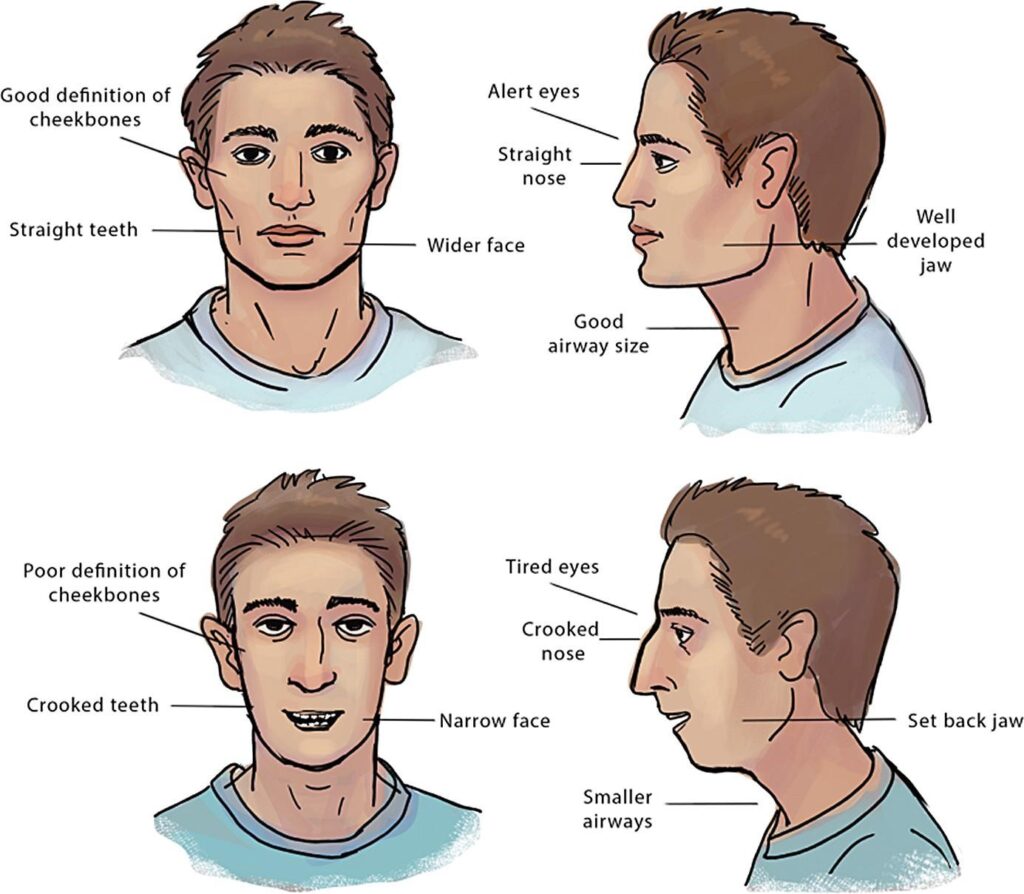
This article will explore the intersection of mouth breathing and technology, examining how advancements in sensing, data analysis, and smart devices are helping us understand and address this physiological shift. We will delve into the devices that can detect mouth breathing, the software that analyzes its impact, and the future potential of AI in this domain, all from a strictly technological perspective.
The Rise of Smart Sleep and Respiratory Monitoring
The growing awareness of sleep quality’s impact on overall health has fueled a boom in wearable technology designed for sleep and respiratory tracking. These devices, often discreet and user-friendly, are becoming the first line of defense in identifying mouth breathing patterns, providing users with objective data that was once only accessible through clinical settings.
Wearable Sensors: Your Personal Breathing Detectors
The core of modern respiratory monitoring lies in innovative sensor technology. Many smartwatches and dedicated sleep trackers now incorporate sensors capable of detecting subtle physiological cues associated with different breathing methods.
Accelerometers and Gyroscopes for Movement Analysis
While not directly measuring airflow, accelerometers and gyroscopes, common in most wearables, can infer breathing patterns by detecting subtle chest and body movements. When breathing through the mouth, especially during sleep, there can be increased agitation, tossing and turning, and even slight positional shifts. Algorithms analyze these movement patterns to identify periods of restlessness that correlate with potentially disrupted breathing. More advanced devices are even beginning to analyze the subtle vibratory patterns of the chest to differentiate between diaphragmatic (nasal) and shallow (often mouth) breathing.
Heart Rate Variability (HRV) and Autonomic Nervous System Response
Heart Rate Variability (HRV) is a powerful metric that reflects the balance of the autonomic nervous system. Nasal breathing, particularly slow, deep breaths, is known to stimulate the parasympathetic nervous system, leading to higher HRV. Conversely, mouth breathing, often associated with shallow, rapid breaths and increased stress, can lead to lower HRV. Wearables equipped with optical heart rate sensors can track HRV throughout the night, providing an indirect indicator of breathing quality. A consistently low HRV during sleep, coupled with other detected anomalies, can suggest mouth breathing as a contributing factor to an imbalanced autonomic state.
Acoustic Sensors and Sound Analysis
A more direct approach to identifying mouth breathing involves acoustic sensors. Some advanced sleep trackers and even dedicated mouth breathing detectors are now being developed with microphones that can analyze the sounds produced during sleep. These sensors can differentiate between the characteristic sounds of snoring (often exacerbated by mouth breathing) and other subtle sounds associated with open-mouth breathing. Machine learning algorithms are trained to recognize specific acoustic signatures associated with mouth breathing, allowing for more precise detection than simple movement analysis.
Smart Mouthguards and Oral Appliance Sensors
Beyond wrist-worn devices, innovative technologies are emerging that directly address oral positioning during sleep. Smart mouthguards, for instance, are being developed with embedded sensors to detect jaw position and mouth opening.
Jaw Position Sensors
These advanced mouthguards utilize pressure or strain sensors to monitor the degree to which the jaw is open. When the mouth is relaxed and closed during nasal breathing, the sensor readings will be consistent. However, any significant opening, indicative of mouth breathing, will trigger a distinct sensor response. This provides a highly localized and accurate measure of oral posture during sleep.
Humidity and Airflow Sensors within Oral Appliances
Further innovation is seen in specialized oral appliances designed to encourage nasal breathing. Some of these integrate miniature humidity or airflow sensors. These sensors can detect the presence of exhaled air directly from the mouth, providing real-time feedback on breathing patterns. This data can then be transmitted wirelessly to a companion app for analysis.
Data Analysis and AI: Unlocking Insights from Breathing Patterns
The sheer volume of data collected by these sophisticated sensors would be overwhelming without intelligent analysis. This is where the power of software and artificial intelligence truly comes into play, transforming raw data into actionable insights for users and potentially healthcare professionals.
Companion Apps and User-Friendly Dashboards
The data collected by wearable devices is typically fed into companion smartphone applications. These apps serve as the central hub for users to understand their breathing habits.
Visualizing Breathing Metrics
Instead of just raw sensor readings, these apps present data in intuitive visual formats. Users can see charts and graphs illustrating their sleep duration, periods of restlessness, estimated mouth breathing episodes, and changes in HRV throughout the night. This visual representation makes complex physiological data easily digestible and allows users to track trends over time.
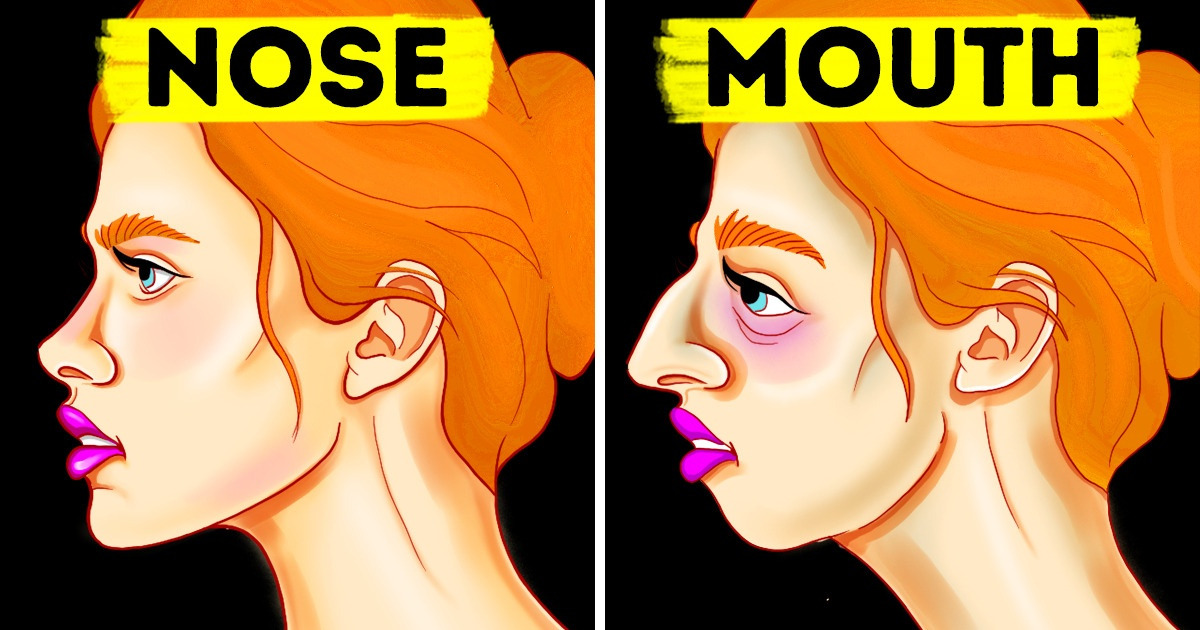
Personalized Feedback and Trend Analysis
Beyond mere visualization, the software analyzes these trends to provide personalized feedback. For example, an app might highlight that mouth breathing episodes are more frequent on nights following late-night meals or during periods of high stress. This contextual information empowers users to identify potential triggers and make lifestyle adjustments. Over weeks and months, the app can track the effectiveness of any interventions or changes made, providing a clear picture of progress.
AI-Powered Algorithms for Enhanced Accuracy and Diagnosis
The true power of modern respiratory technology lies in the application of Artificial Intelligence (AI) and Machine Learning (ML). These sophisticated algorithms can process vast datasets to identify subtle patterns and provide more accurate diagnoses.
Differentiating Breathing Modes
AI algorithms are trained on large datasets of breathing patterns, allowing them to distinguish with increasing accuracy between nasal and mouth breathing. By analyzing a combination of sensor inputs – including movement, heart rate, and potentially acoustic data – AI can develop a more holistic understanding of an individual’s respiratory behavior, minimizing false positives and negatives.
Predictive Analytics and Risk Assessment
In the future, AI could move beyond simply detecting current habits to predicting potential health risks associated with chronic mouth breathing. By analyzing long-term data trends, AI might identify individuals at higher risk for conditions such as sleep apnea, dental issues, or even impaired cognitive function due to oxygen deprivation. This predictive capability could revolutionize preventative healthcare.
Integration with Telehealth and Clinical Tools
The data generated by these consumer-level technologies holds immense potential for integration with professional healthcare. AI-powered platforms could synthesize data from multiple wearables and other sources to provide clinicians with a more comprehensive view of a patient’s respiratory health. This could facilitate remote patient monitoring and lead to more efficient and personalized treatment plans.
Addressing Mouth Breathing: Technological Interventions and Future Directions
While detection and analysis are crucial first steps, technology is also increasingly playing a role in actively helping individuals address mouth breathing habits and mitigate their negative consequences.
Smart Devices for Intervention and Habit Modification
Several technological solutions are emerging to actively encourage nasal breathing and support individuals in changing their habits.
Nasal Dilators and Airway Support Devices with Feedback Mechanisms
While traditional nasal dilators mechanically open the nasal passages, next-generation devices are being explored with integrated sensors. These could provide gentle haptic feedback (vibrations) if mouth breathing is detected, nudging the user back towards nasal respiration without disrupting sleep. Similarly, smart oral appliances could offer targeted electrical stimulation or biofeedback based on detected mouth opening.
Smart Pillows and Positioners for Optimal Airway Alignment
The physical positioning of the head and neck can significantly impact airway patency. Smart pillows are being developed that can subtly adjust their shape or firmness based on detected sleep position, aiming to promote an optimal airway alignment that favors nasal breathing. These devices might use pressure sensors or even small inflatable chambers to achieve this.
The Role of Virtual Reality and Gamification in Behavioral Change
The application of engaging technologies like Virtual Reality (VR) and gamification holds promise for long-term behavioral modification.
Immersive Breathing Training Programs
VR platforms could offer immersive environments where users learn and practice diaphragmatic, nasal breathing techniques. These programs can provide real-time visual and auditory feedback on breathing patterns, making the learning process more interactive and effective than traditional methods. Imagine a user “floating” through a serene landscape, their breath control directly influencing the visual and auditory elements around them.
Gamified Challenges and Rewards for Consistent Nasal Breathing
Gamification principles can be applied to wearable device apps or standalone platforms to incentivize consistent nasal breathing. Users could earn points, unlock new features, or compete with friends based on their adherence to nasal breathing goals. This playful approach can foster long-term commitment and make the habit-forming process more enjoyable and sustainable.

Conclusion: A Technological Frontier in Respiratory Wellness
The simple act of breathing through one’s mouth, once a largely unexamined physiological habit, is now at the forefront of technological innovation. From the miniature sensors embedded in our wearables to the sophisticated AI algorithms processing complex data, technology is providing unprecedented insights into how and why we breathe. This burgeoning field is not just about detection; it’s about empowering individuals with objective data, enabling personalized interventions, and paving the way for a future where respiratory wellness is proactively managed through intelligent, data-driven solutions. As technology continues to advance, we can expect even more innovative tools to emerge, helping us unlock the full potential of nasal breathing for our health and well-being.
aViewFromTheCave is a participant in the Amazon Services LLC Associates Program, an affiliate advertising program designed to provide a means for sites to earn advertising fees by advertising and linking to Amazon.com. Amazon, the Amazon logo, AmazonSupply, and the AmazonSupply logo are trademarks of Amazon.com, Inc. or its affiliates. As an Amazon Associate we earn affiliate commissions from qualifying purchases.