
It’s a scenario that strikes a quiet dread into the heart of any driver: pulling up to the fuel pump, distracted for a moment, and inadvertently selecting the wrong type of fuel. While putting gasoline into a diesel car is a common worry, the reverse—pumping diesel into a gasoline vehicle—is an equally perilous and surprisingly frequent mistake. Far from being a minor inconvenience, this seemingly innocent slip-up unleashes a cascade of mechanical, financial, and even reputational challenges that span the modern intersections of technology, personal finance, and brand perception. Understanding the intricacies of this error, from the immediate technical fallout to the long-term financial implications and the role of digital resources, is crucial for both prevention and mitigation in our increasingly complex world.
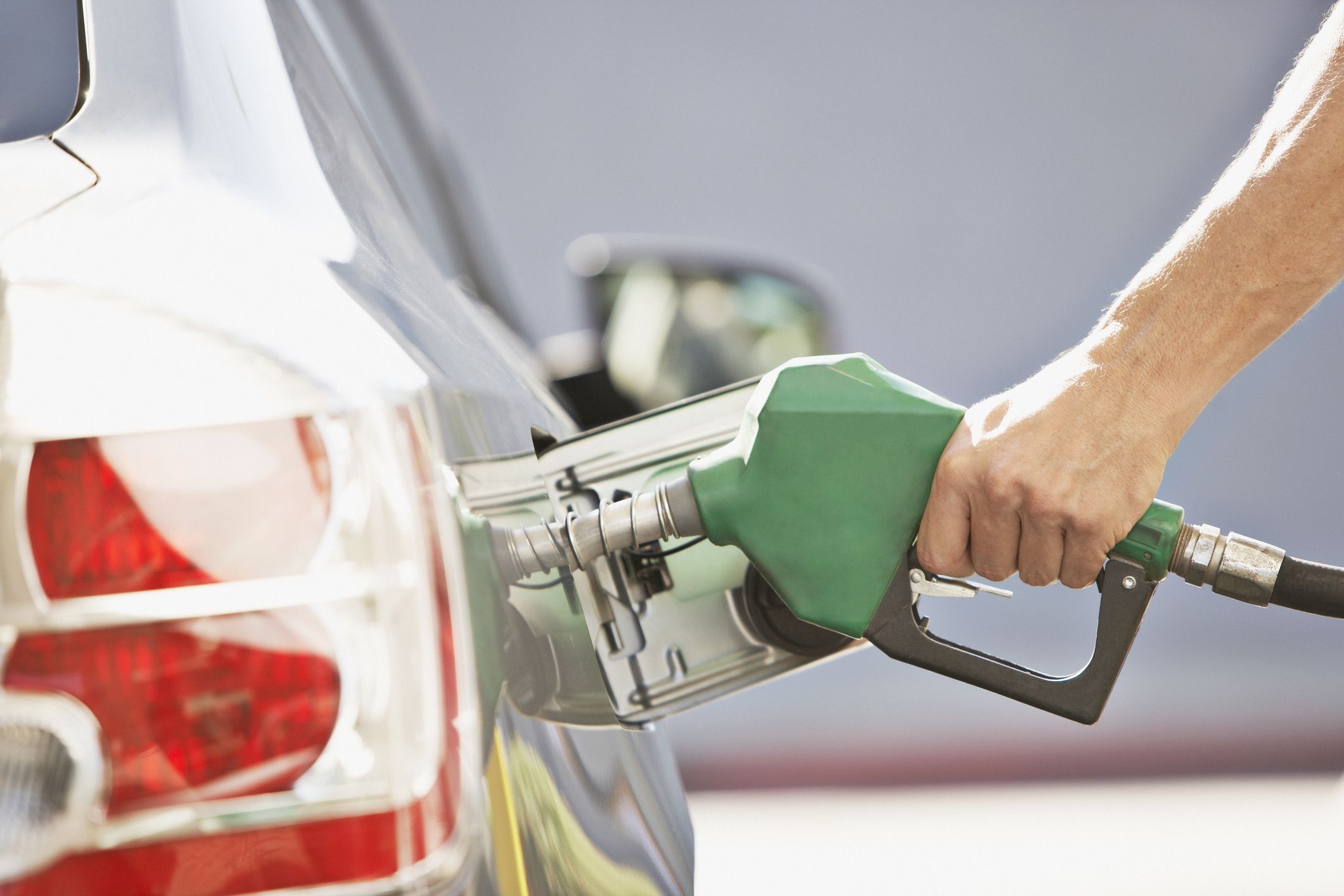
The Immediate Mechanical Fallout: A Technical Breakdown
At its core, putting diesel into a gas car is akin to trying to fit a square peg in a round hole – their fundamental properties and the engines designed to use them are entirely different. This mismatch creates immediate and significant problems for a gasoline engine, which is simply not equipped to handle the characteristics of diesel fuel.
Understanding the Fundamental Differences
Gasoline and diesel are both petroleum products, but their molecular structures, ignition properties, and how they burn are vastly different. Gasoline engines, also known as spark-ignition engines, rely on a spark plug to ignite a highly volatile air-fuel mixture under compression. Gasoline is designed to atomize easily and burn quickly and cleanly. Diesel fuel, on the other hand, is denser, less volatile, and designed for compression-ignition (CI) engines. In a diesel engine, air is compressed to such an extent that it heats up significantly, igniting the injected diesel fuel without a spark plug. Diesel also contains lubricants that are absent in gasoline.
When diesel enters a gasoline engine’s fuel system, it immediately begins to cause problems. Its higher viscosity and lower volatility make it difficult for the gasoline engine’s fuel pump to efficiently move it and for the fuel injectors to properly atomize it. Instead of a fine mist, diesel might enter the combustion chamber as larger droplets, which are difficult for the spark plugs to ignite effectively.
Engine Performance and Damage Indicators
The moment a gasoline engine attempts to run on diesel, symptoms will begin to manifest, often quite rapidly. If only a small amount of diesel has been mixed with gasoline, the car might run rough, misfire, hesitate, or experience a noticeable loss of power. The engine might make unusual noises, such as knocking or pinging. The exhaust could emit excessive smoke, often white or bluish, as the diesel struggles to combust fully.
If a significant amount of diesel is present, the engine may not even start, or it might start briefly, sputter, and then die. This is because the diesel’s high flash point prevents it from igniting easily under the conditions of a gasoline engine. Beyond immediate performance issues, the long-term damage can be severe. The fuel pump, designed for the specific viscosity of gasoline, can strain or fail. The fuel injectors, meant for precise gasoline atomization, can become clogged or damaged by the thicker, less refined diesel. Spark plugs can foul quickly. Perhaps most critically, unburnt diesel can wash down the cylinder walls, diluting the engine oil and leading to increased friction and wear on vital engine components, potentially causing catastrophic engine damage. The catalytic converter, responsible for reducing harmful emissions, can also become contaminated and damaged by the improper combustion of diesel.
The Role of Onboard Diagnostics and Modern ECUs
In the age of smart vehicles, one might hope that advanced technology could prevent or detect such a fundamental error. Modern vehicles are equipped with sophisticated Engine Control Units (ECUs) and an array of sensors designed to monitor engine performance, fuel-air mixture, emissions, and more. When diesel fuel is introduced, the ECU will likely detect abnormal conditions, such as misfires, incorrect oxygen sensor readings, and unusual combustion patterns. This can trigger “check engine” lights and store diagnostic trouble codes (DTCs).
However, current automotive technology isn’t explicitly designed to differentiate between fuel types once they’ve entered the tank and fuel lines. While an ECU can report symptoms of a problem caused by incorrect fuel, it cannot directly identify “diesel in the tank.” Its primary function is to optimize engine performance and emissions based on anticipated fuel properties. Therefore, while the ECU provides vital diagnostic clues that something is gravely wrong, it doesn’t offer a magic bullet for prevention or instant identification of the specific fuel mix-up. This limitation highlights an area for potential future technological innovation, perhaps involving more advanced fuel composition sensors or AI-driven fuel type recognition, though such systems are not yet commonplace.
Navigating the Aftermath: A Financial and Brand Perspective
Beyond the intricate mechanical failures, the aftermath of a diesel-in-gas incident extends deeply into personal finance and can even touch upon an individual’s or a business’s brand perception. The cost of rectifying such a mistake can be staggering, and the choices made during the repair process can have lasting implications.
The Unexpected Financial Burden: Repair Costs and Insurance
The financial implications of putting diesel in a gas car are often the most immediate and painful consequence for the vehicle owner. The cost of repair can range dramatically depending on when the mistake is caught and how much damage has been done. If the error is realized before the engine is started (or after only a few moments of running), the repair might be limited to draining the fuel tank, flushing the fuel lines, and replacing the fuel filter. This could still cost several hundred dollars, primarily for labor and proper disposal of the contaminated fuel.
However, if the engine has been run for a significant period, the repair bill can skyrocket. Damaged fuel pumps, injectors, spark plugs, catalytic converters, and even engine components can lead to costs running into thousands of dollars. In worst-case scenarios, a completely seized or destroyed engine could necessitate an engine replacement, an expense that often rivals the value of the car itself, especially for older models.

When it comes to insurance, the situation is nuanced. Most standard auto insurance policies (comprehensive or collision coverage) do not cover damage resulting from putting the wrong fuel type in a vehicle, as it’s typically considered driver error or negligence rather than an accidental event like a collision or theft. Some premium policies or extended warranties might offer limited coverage for “misfueling errors,” but these are exceptions. This means the vast majority of drivers will bear the full financial burden out of pocket, a significant unplanned expense that can disrupt personal budgets, savings, or even small business finances. It underscores the importance of having an emergency fund or understanding the limitations of one’s insurance policy.
Protecting Your Investment and Your Brand Image
The decision of where to take your vehicle for repair after such an incident isn’t just a matter of convenience; it’s a strategic choice that can impact both your automotive investment and, in a broader sense, your personal or professional brand. Choosing a reputable, certified mechanic or dealership is paramount. Their expertise ensures that all affected components are properly diagnosed and repaired, preventing lingering issues that could further damage the vehicle or compromise its long-term reliability. A shoddy repair, on the other hand, can diminish the car’s performance, safety, and ultimately its resale value. The service records, now containing a significant “wrong fuel” incident, become part of the car’s history, influencing its perceived quality and value to future buyers.
From a brand perspective, both the individual car owner and the businesses involved play a role. For an individual, admitting such an error, especially if it impacts work or business operations, might carry a slight social stigma of carelessness. However, being transparent and proactive in resolving the issue, using trusted service providers, and sharing lessons learned can transform a mishap into a testament to responsible ownership. For automotive repair shops, their brand reputation hinges on providing expert, trustworthy service during such critical times. How they handle customer communication, pricing transparency, and the quality of their work directly reinforces or erodes their standing in the community. Similarly, fuel station brands have a vested interest in clearly labeling pumps and potentially implementing design features to prevent such errors, safeguarding their own reputation for customer care and safety.
Digital Resources and Community Support
In today’s interconnected world, navigating a fuel mix-up is rarely done in isolation. The internet, a cornerstone of our “Tech” ecosystem, offers a wealth of resources for drivers facing this predicament. Online forums and automotive communities provide platforms where individuals can share their experiences, seek advice from seasoned mechanics or fellow drivers, and find step-by-step tutorials on initial checks or even minor repairs. These digital spaces foster a sense of community, allowing drivers to learn from others’ mistakes and find solace in shared experiences.
Furthermore, digital tools facilitate finding trusted mechanics. Online review platforms, business directories, and dealership websites allow drivers to research reputable repair shops, compare quotes, and assess the quality of service based on others’ feedback. This digital vetting process is crucial in an emergency, helping owners make informed decisions about their valuable asset. The ease of access to information and peer support available through technology helps mitigate the feeling of helplessness and empowers drivers to navigate what can be a very stressful and costly situation.
Prevention and the Future: Leveraging Technology and Awareness
While the consequences of misfueling are severe, the good news is that many instances are preventable. A combination of technological advancements, enhanced brand awareness, and sound financial planning can significantly reduce the likelihood and impact of such mistakes.
Technological Safeguards and Innovations
The most direct way to prevent misfueling lies in technology. One existing safeguard is the physical difference in nozzle sizes: diesel nozzles are typically larger than gasoline nozzles, making it difficult to fit a diesel nozzle into a standard gasoline car’s fill port. However, this is not always foolproof, as some older gasoline cars or smaller diesel nozzles can still create a match.
Future innovations could take this further. “Smart” fuel nozzles could incorporate sensors that detect the fuel type of the vehicle before dispensing, using RFID tags on the fuel cap or advanced spectroscopy. Vehicle ECUs, as mentioned, could evolve to include more direct fuel composition analysis, providing real-time alerts if an incorrect fuel type is detected during filling, before the engine is even started. Apps integrated with vehicle telematics could provide reminders or warnings when approaching a fuel station. The potential for AI to learn driver habits and provide predictive alerts, or even for autonomous fueling systems to handle the selection process flawlessly, represents a significant leap in preventing human error at the pump. These technological solutions underscore the “Tech” aspect of problem-solving in the automotive industry.
Enhancing Brand Awareness and User Education
Beyond technology, clear communication and user education are vital. Fuel station brands play a crucial role in preventing misfueling through clear and unambiguous labeling of pumps. This includes distinct color coding, large fonts, and prominent warnings for diesel pumps. Consistent branding across stations, both nationally and internationally, can help minimize confusion, especially for drivers traveling in unfamiliar areas.
Car manufacturers also bear a responsibility to integrate clear fuel type indicators into vehicle design, such as prominent labels on the fuel cap or within the dashboard display. Educational campaigns by automotive associations or government bodies, often leveraging digital marketing and social media, can raise public awareness about the dangers of misfueling. These efforts strengthen the “Brand” aspect of safety and customer care, building trust and ensuring that drivers are well-informed. A well-educated driver is the first line of defense against such an error.

Financial Foresight: Emergency Funds and Preventive Measures
Finally, the “Money” aspect is central to resilience against such unforeseen events. While technology and awareness aim to prevent the mistake, financial foresight helps mitigate its impact if it does occur. Maintaining an adequate emergency fund is paramount for any unexpected car repairs. As discussed, insurance rarely covers misfueling, leaving the owner to bear the full cost. A robust emergency fund provides a crucial safety net, preventing the need to incur high-interest debt or compromise other financial goals.
Additionally, understanding the specifics of one’s auto insurance policy and any extended warranties is a proactive measure. While coverage for misfueling is rare, being aware of what is and isn’t covered for various types of damage can prevent financial surprises. Simple preventive measures, like taking an extra moment to verify the fuel type at the pump, especially when distracted or in an unfamiliar location, is a small investment of time that can save thousands of dollars and countless headaches. These financial strategies are not just about reacting to problems but about building a resilient personal financial framework that can withstand the unexpected shocks of life, including automotive mishaps.
In conclusion, putting diesel in a gas car is a complex problem that extends far beyond a simple mechanical error. It’s a vivid illustration of how a seemingly minor human oversight can trigger a chain reaction affecting sophisticated technology, personal finances, and even the branding of products and services we rely upon daily. By embracing technological advancements in vehicle design and fueling systems, promoting clearer brand messaging and user education, and fostering robust personal financial preparedness, we can collectively work towards a future where such costly and disruptive mistakes become a rarity.
aViewFromTheCave is a participant in the Amazon Services LLC Associates Program, an affiliate advertising program designed to provide a means for sites to earn advertising fees by advertising and linking to Amazon.com. Amazon, the Amazon logo, AmazonSupply, and the AmazonSupply logo are trademarks of Amazon.com, Inc. or its affiliates. As an Amazon Associate we earn affiliate commissions from qualifying purchases.