
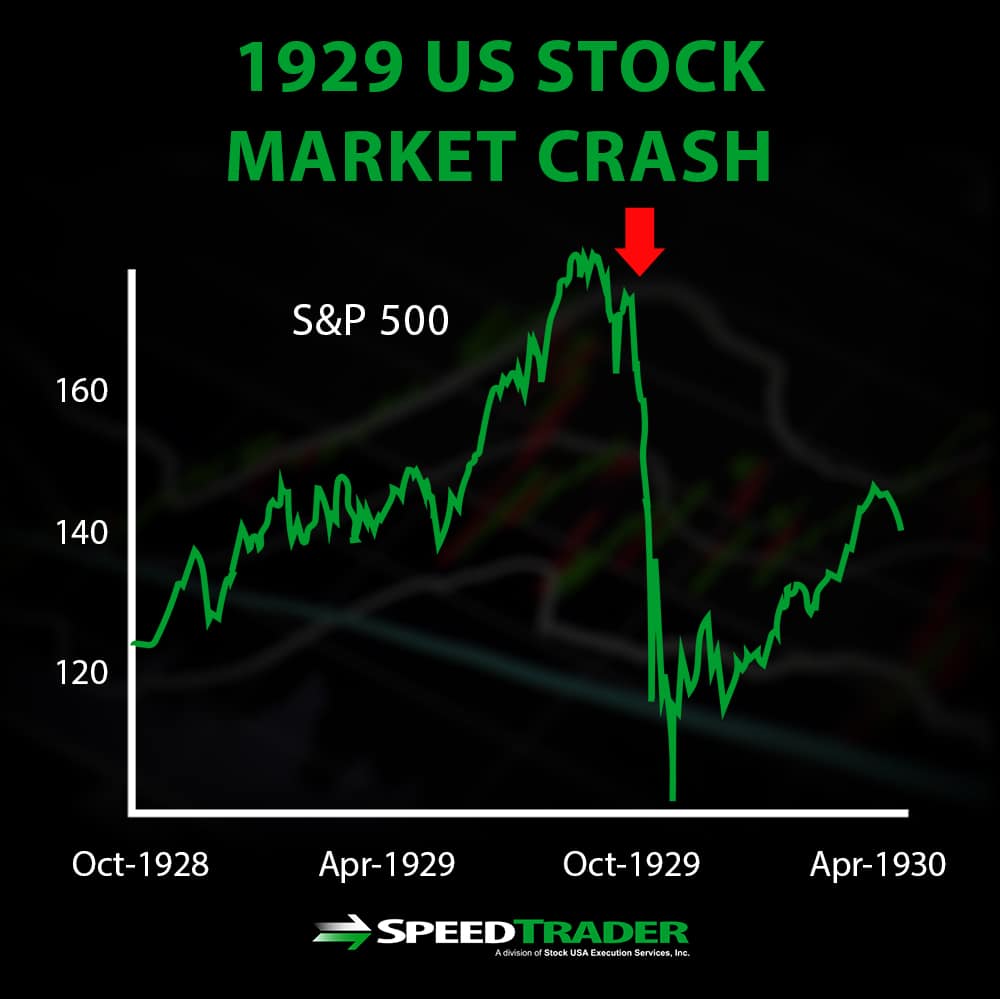
The stock market is often viewed as the heartbeat of the global economy. When it beats steadily, there is a sense of collective prosperity; however, when it falters significantly—entering what is technically defined as a “crash”—the repercussions vibrate through every level of society. A stock market crash is typically defined as a sudden, dramatic decline in stock prices across a major cross-section of a stock market, often losing more than 20% of its value in a very short period.
While the immediate imagery of a crash often involves frantic traders and red tickers on news screens, the reality of what happens when the market plunges is a complex tapestry of psychological shifts, mechanical failures, and long-term economic restructuring. Understanding these dynamics is essential for any investor or professional looking to navigate the volatile waters of personal and business finance.
The Mechanics of a Market Meltdown
When a crash begins, it is rarely a slow descent. Instead, it is characterized by a rapid loss of liquidity and a breakdown in the traditional “bid-ask” spread. Understanding the technical side of a crash helps demystify why prices fall so fast and how the infrastructure of the financial world attempts to catch the falling knife.
Panic Selling and the Liquidity Gap
In a healthy market, for every seller, there is a buyer willing to take the other side of the trade at a slightly different price. During a crash, this balance evaporates. Fear drives a massive influx of sell orders, but buyers—anticipating even lower prices—disappear. This creates a “liquidity gap.” When there are no buyers at the current price, the system “gaps down” to the next available price where a buyer exists, which might be 5% or 10% lower. This rapid jump downward fuels further panic, creating a self-reinforcing cycle of devaluation.
Algorithmic Triggers and Margin Calls
In the modern era, much of the market’s movement is dictated by high-frequency trading (HFT) and automated algorithms. Many of these programs are designed to sell automatically when certain price thresholds are breached to “stop the loss.” When thousands of algorithms trigger simultaneously, the speed of the crash accelerates beyond human capability to intervene.
Compounding this is the “margin call.” Investors who borrow money from brokers to buy stocks (trading on margin) are forced to sell their positions if the value of their portfolio drops below a certain level. These forced liquidations happen regardless of the investor’s long-term belief in the stock, adding massive sell pressure to an already fragile market.
Regulatory Interventions: Circuit Breakers
To prevent a total systemic collapse, stock exchanges employ “circuit breakers.” These are automated hurdles that pause trading for a set period (usually 15 minutes) if the market drops by specific percentages (e.g., 7%, 13%, and 20%). The goal is to allow investors to catch their breath, evaluate the situation, and prevent irrational “flash crashes.” While these pauses provide a temporary reprieve, they cannot stop a fundamental shift in economic sentiment.
The Ripple Effect on the Real Economy
It is a common saying that “Wall Street is not Main Street,” but a prolonged stock market crash eventually bridges that gap. The destruction of paper wealth has tangible consequences for consumer behavior, corporate strategy, and the availability of capital.
The Reverse Wealth Effect
When stock portfolios thrive, people feel wealthier and are more likely to spend money on discretionary items like cars, vacations, and luxury goods. This is known as the “wealth effect.” Conversely, a market crash triggers the “reverse wealth effect.” Even if an individual hasn’t sold their stocks at a loss, the sight of a dwindling 401(k) or brokerage account causes them to tighten their belts. This sudden drop in consumer spending can lead to reduced revenues for businesses, potentially tipping a slowing economy into a full-scale recession.
Corporate Deleveraging and Job Security
Publicly traded companies often use their stock price as a form of currency for acquisitions or as collateral for loans. When a stock market crashes, a company’s valuation shrinks, making it harder and more expensive to raise capital. In response, corporations often shift from “growth mode” to “survival mode.” This involves cutting costs, freezing hiring, or initiating layoffs to preserve cash flow. Thus, a crash in the digital numbers on a screen can eventually manifest as a pink slip in an employee’s hand.

Access to Credit and Interest Rate Shifting
During a crash, “flight to safety” occurs. Investors pull money out of risky stocks and pour it into “safe-haven” assets like Gold or U.S. Treasury bonds. This movement affects interest rates. Central banks, such as the Federal Reserve, often respond to market crashes by lowering interest rates to stimulate borrowing and spending. While this can help the economy in the long run, the immediate aftermath of a crash usually involves a “credit crunch,” where banks become much more hesitant to lend money to individuals or small businesses due to the heightened risk of default.
The Psychological Landscape of a Downturn
The stock market is, at its core, a giant machine that measures human emotion in real-time. A crash is the ultimate expression of the “fear” side of the “fear and greed” spectrum.
From Euphoria to Capitulation
Most market crashes are preceded by a period of irrational exuberance or euphoria. When the crash hits, investors go through a cycle of grief: denial (thinking it’s just a healthy correction), anger (blaming regulators or “the system”), and finally, capitulation. Capitulation is the point where the last remaining optimists give up and sell their shares at any price just to make the pain stop. Paradoxically, financial historians often note that the moment of maximum “pain” and capitulation is usually the point where the market bottom is formed.
The Trap of Recency Bias
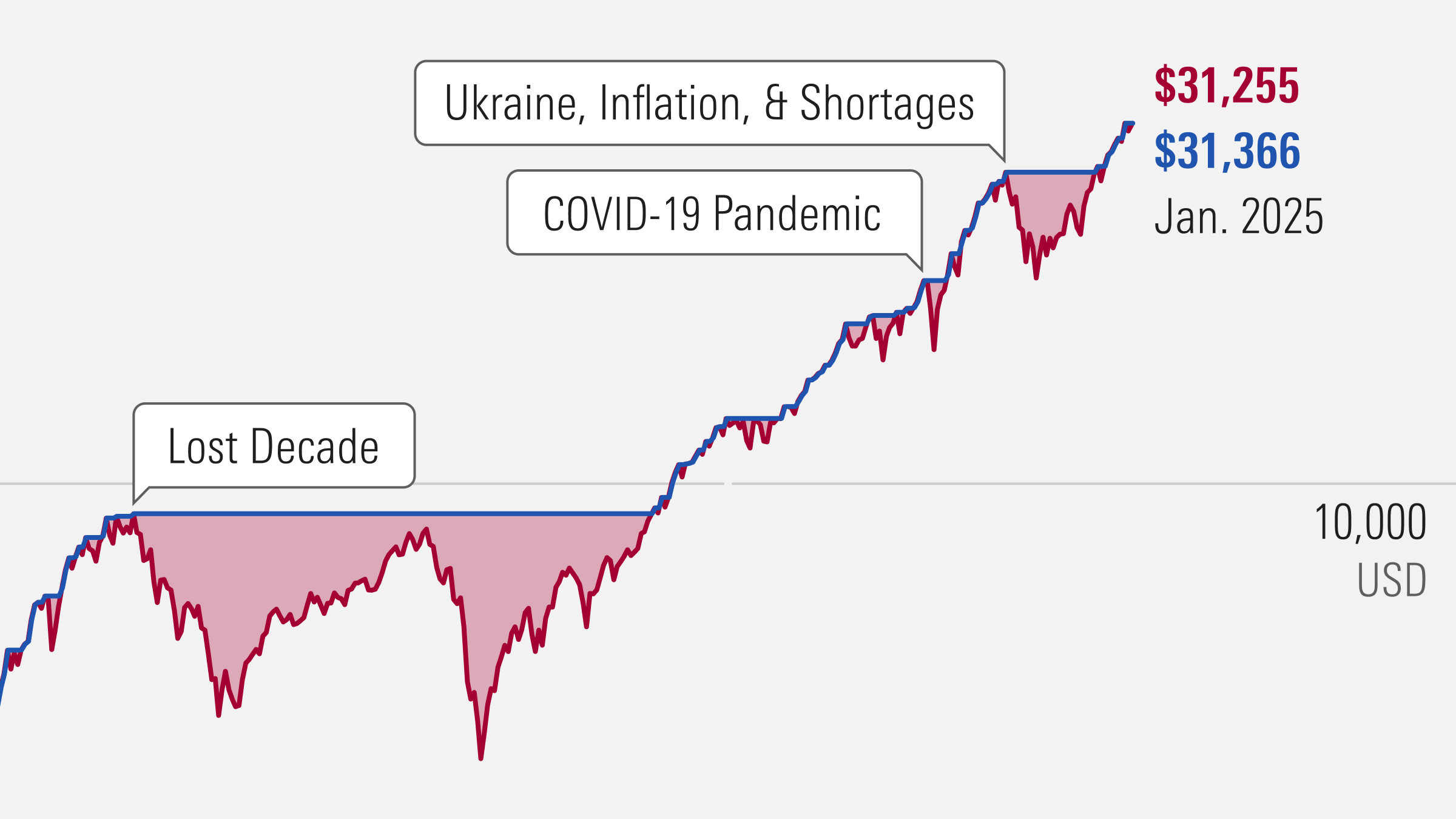
One of the most dangerous psychological hurdles during a crash is recency bias—the tendency to believe that what has happened recently will continue to happen indefinitely. During a crash, people begin to believe the market will go to zero. This leads to “panic selling” at the bottom. History shows that the market has a 100% recovery rate over the long term, yet the psychological weight of a 30% drop in a month makes it nearly impossible for many to maintain a logical perspective.
Strategic Response: Navigating the Aftermath
For the prepared investor, a stock market crash is not just a crisis; it is a structural realignment that offers unique opportunities for wealth building and risk management.
Rebalancing and the Power of Diversification
A crash often leaves an investor’s portfolio “unbalanced.” For example, if you aimed for a 60% stock and 40% bond split, a crash might leave you with 40% stocks and 60% bonds. Professional financial strategy dictates “rebalancing” at this stage—selling some of the bonds that held their value to buy stocks at their new, lower prices. This forced “buy low, sell high” strategy is one of the most effective ways to accelerate recovery when the market eventually turns.
Tax-Loss Harvesting
A market crash allows investors to utilize a strategy called “tax-loss harvesting.” By selling securities that are at a loss, investors can use those losses to offset capital gains in other areas of their portfolio or reduce their taxable income (up to $3,000 per year in the U.S.). This turns a portfolio “lemon” into a “lemonade” of tax savings, effectively subsidizing the cost of the market downturn.
Identifying Long-Term Value Opportunities
Warren Buffett famously said, “Be fearful when others are greedy, and greedy when others are fearful.” A market crash often drags down the stock prices of excellent, profitable companies along with the bad ones. When the “baby is thrown out with the bathwater,” long-term investors can acquire shares in high-quality businesses at price-to-earnings ratios not seen in a decade. Focusing on fundamental value—dividend yields, cash flow, and moat—rather than price action is the hallmark of those who build generational wealth during a crash.
Conclusion
A stock market crash is a violent but natural part of the financial cycle. It serves as a clearing mechanism that flushes out excess speculation, resets valuations, and tests the resilience of investors. While the immediate effects involve a loss of wealth and economic uncertainty, the long-term history of the markets is one of innovation and upward mobility.
By understanding the mechanics of liquidity, the ripple effects on the real economy, and the psychological traps of fear, individuals can transform a period of chaos into a period of strategic positioning. The key to surviving and thriving after a crash is not the ability to predict when it will happen, but the discipline to remain rational when everyone else is reacting with emotion. Wealth is rarely made during the heights of a bull market; it is made during the depths of a crash, only to be realized when the sun eventually rises again.
aViewFromTheCave is a participant in the Amazon Services LLC Associates Program, an affiliate advertising program designed to provide a means for sites to earn advertising fees by advertising and linking to Amazon.com. Amazon, the Amazon logo, AmazonSupply, and the AmazonSupply logo are trademarks of Amazon.com, Inc. or its affiliates. As an Amazon Associate we earn affiliate commissions from qualifying purchases.