
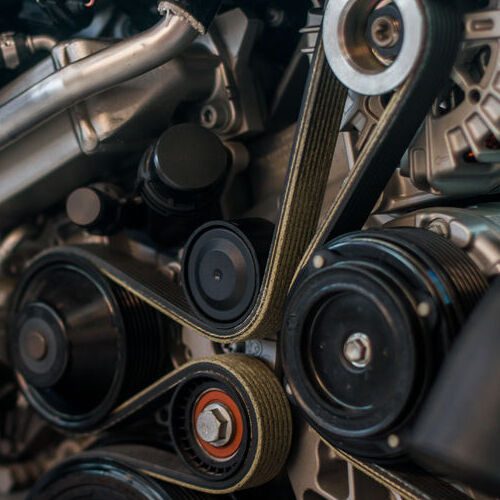
The serpentine belt, often an unsung hero of your vehicle’s operation, is a critical component that orchestrates the function of numerous vital systems. It’s a single, continuous rubber belt that snakes its way around various pulleys, driving everything from the alternator and power steering pump to the air conditioning compressor and water pump. Its seemingly simple design belies its profound importance. When this crucial piece of automotive technology fails, the consequences can range from inconvenient to catastrophic, impacting the immediate drivability of your vehicle and potentially leading to more significant, costly damage. Understanding the cascade of events that unfold when a serpentine belt breaks is paramount for any car owner.
The Immediate System Failures
The moment a serpentine belt snaps, a chain reaction of system failures begins. Because this belt powers multiple components, its absence leads to a rapid and widespread shutdown of essential functions. This is not a gradual decline; it’s an abrupt halt to the systems that keep your car running smoothly and safely.
Loss of Power Steering
One of the most immediately noticeable effects of a broken serpentine belt is the loss of power steering. The power steering pump is driven by this belt, and without its rotation, the hydraulic assistance that makes turning your steering wheel effortless disappears. Suddenly, steering becomes incredibly heavy, requiring significant physical effort. This can be particularly dangerous when attempting to maneuver at low speeds or during a sudden emergency evasive action. For drivers unaccustomed to this, it can lead to panic and loss of control. The steering wheel will still turn, but the mechanical resistance will be dramatically increased, making it feel like you’re wrestling with a much larger vehicle.
Inoperable Alternator and Battery Drain
The alternator, responsible for recharging your vehicle’s battery and supplying electrical power to all the car’s systems while the engine is running, is also driven by the serpentine belt. When the belt breaks, the alternator stops spinning, and therefore, it can no longer generate electricity. The vehicle will then rely solely on the stored power within the battery. While the battery can power essential functions for a short period, it is not designed to sustain the demands of a running engine indefinitely. You will likely notice dashboard warning lights illuminating, most notably the battery warning light, which signifies a problem with charging. As the battery’s charge depletes, various electrical components will begin to fail. Lights will dim, the radio will likely cut out, and other electronic systems will cease to function. Eventually, the engine will stall as there is insufficient electrical power to keep it running.
Overheating Engine Due to Water Pump Failure
The water pump is another critical component powered by the serpentine belt. Its function is to circulate coolant through the engine’s radiator, thereby preventing the engine from overheating. When the serpentine belt breaks, the water pump stops working, and coolant circulation ceases. The engine will begin to rapidly build up heat, as it is no longer being cooled. The temperature gauge on your dashboard will climb quickly into the red zone. If the vehicle is not stopped immediately upon noticing signs of overheating, the engine can suffer severe and expensive damage, including warped cylinder heads or a blown head gasket. The steam and intense heat generated can lead to permanent mechanical compromise.
Inoperative Air Conditioning
While not a safety-critical system, the air conditioning compressor is also driven by the serpentine belt. Therefore, a broken belt will result in the immediate cessation of air conditioning. While this is a comfort issue rather than a mechanical failure, it can be an uncomfortable experience, especially in hot weather. The fan for the climate control system might continue to blow air, but it will be unconditioned air from outside the cabin.
Diagnostic Indicators and Warning Signs
Fortunately, a failing serpentine belt often provides some audible and visual cues before it completely breaks. Recognizing these warning signs can help you address the problem before it leads to a roadside breakdown.
Squealing or Chirping Noises
One of the most common precursor symptoms of a worn or failing serpentine belt is a high-pitched squealing or chirping sound, particularly noticeable when the engine is first started or when the steering wheel is turned. This noise often indicates that the belt is slipping on the pulleys due to wear, a lack of tension, or contamination from fluids like oil or coolant. As the belt deteriorates, the friction and grip on the pulleys are compromised, leading to these auditory warnings. The intensity and frequency of the squeal can often correlate with the severity of the belt’s condition.
Visual Cracks and Fraying
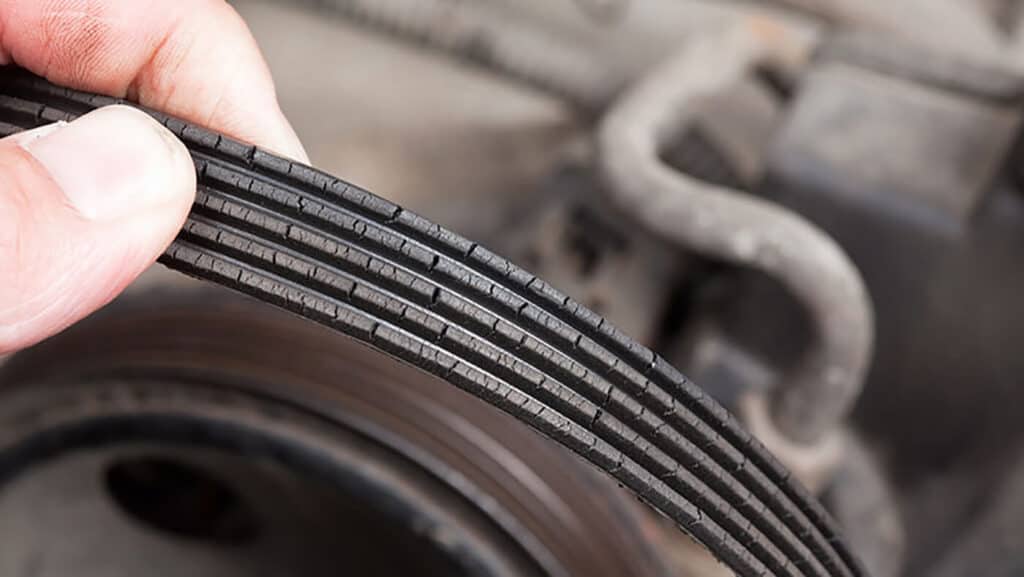
A visual inspection of the serpentine belt can reveal significant wear and tear. Look for visible cracks on the ribbed surface of the belt, fraying edges, or areas where the rubber appears hardened or glazed. If you notice any of these signs, it’s a strong indication that the belt is nearing the end of its service life and should be replaced proactively. Some belts also have wear indicators, such as missing ribs or a change in color. Regularly checking the belt’s condition during routine maintenance is a simple yet effective preventive measure.
Visible Belt Damage or Misalignment
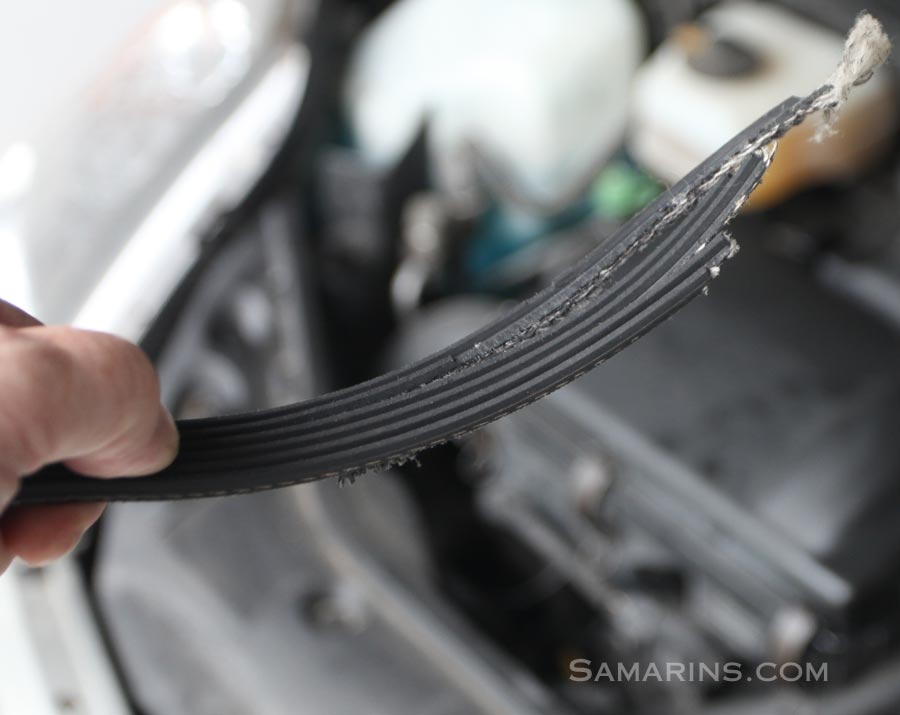
Beyond cracks and fraying, inspect the belt for any signs of glazing (a shiny, hardened surface) or contamination with oil or coolant. These substances can degrade the rubber and reduce its grip. Also, check if the belt appears to be running off-center on any of the pulleys, which could indicate a worn pulley bearing or a misaligned pulley, both of which can accelerate belt wear and lead to premature failure.
The Mechanics of Failure and Subsequent Damage
The serpentine belt’s failure isn’t an isolated event; it’s often a symptom of underlying wear and tear or external factors. The consequences of this failure can extend beyond the immediate loss of function, potentially causing further damage to other engine components.
Belt Material Degradation
Over time and with exposure to engine heat, oils, and other environmental factors, the rubber compound of the serpentine belt begins to degrade. This degradation leads to a loss of flexibility and tensile strength. The once pliable belt becomes brittle, prone to cracking, and less able to maintain consistent tension on the pulleys. Microscopic tears can form, which eventually propagate into larger fissures, leading to the belt snapping.
Pulley and Tensioner Issues
The smooth operation of the serpentine belt is dependent on the integrity of the pulleys it rides on and the tensioner that keeps it taut. Worn pulley bearings can create excessive friction, heat up, and seize, causing the belt to slip, break, or even shred. Similarly, a faulty tensioner, which is designed to maintain the correct belt tension, can either over-tension the belt (leading to premature wear and possible breakage) or under-tension it (causing slippage and noise). If a pulley seizes, the belt can rapidly wear down or snap trying to force rotation.
Consequences of a Broken Belt on Other Components
When the serpentine belt breaks, the sudden loss of its driving force can put stress on the very components it was meant to power. For instance, the sudden cessation of the water pump’s operation can lead to rapid engine overheating. If the belt snaps while the engine is at high RPMs, the abrupt stop of the alternator can cause a sudden electrical surge or drop that could potentially damage sensitive electronic modules. In extreme cases, a broken belt can get caught in other engine components, causing further physical damage.
Navigating a Breakdown and Prevention Strategies
Experiencing a serpentine belt failure can be a stressful situation, but knowing how to react and implementing preventative measures can significantly mitigate the disruption and potential costs.
Immediate Actions Upon Belt Failure
If you suspect your serpentine belt has broken, the first and most crucial step is to pull over to a safe location as soon as possible. Turn off the engine immediately to prevent further overheating and potential engine damage. Do not attempt to drive the vehicle further, as the lack of power steering makes it difficult to control, and the overheating can cause irreparable harm to the engine. Once safely stopped, you can visually confirm the broken belt.
Towing and Repair Considerations
Once it’s confirmed that the serpentine belt has broken, your vehicle will likely need to be towed to a qualified repair shop. Do not try to drive it. The repair itself usually involves replacing the belt and, depending on the cause of failure, potentially replacing the tensioner or any damaged pulleys. A mechanic will be able to diagnose the underlying issue and ensure all related components are functioning correctly.
Preventative Maintenance Schedule
Regularly scheduled maintenance is the most effective strategy to prevent serpentine belt failure. Refer to your vehicle’s owner’s manual for the recommended replacement intervals for the serpentine belt. These intervals are typically based on mileage or age. However, it’s also wise to have the belt inspected during every oil change or regular service appointment. A trained technician can identify early signs of wear, such as cracks, fraying, or glazing, and recommend replacement before a breakdown occurs. Proactive replacement can save you from the inconvenience and potential additional damage associated with a sudden belt failure.
Understanding Belt Quality and Installation
When replacing a serpentine belt, using a high-quality, OEM-equivalent part is crucial. Cheap, low-quality belts may not have the same durability or resistance to heat and wear, leading to premature failure. Ensure that the installation is performed by a qualified mechanic who will also check the condition of the pulleys and the tensioner. Incorrect installation or ignoring related component wear can lead to repeat failures. By understanding the role of the serpentine belt and adhering to a diligent maintenance schedule, you can significantly reduce the risk of encountering this common yet disruptive automotive issue.
aViewFromTheCave is a participant in the Amazon Services LLC Associates Program, an affiliate advertising program designed to provide a means for sites to earn advertising fees by advertising and linking to Amazon.com. Amazon, the Amazon logo, AmazonSupply, and the AmazonSupply logo are trademarks of Amazon.com, Inc. or its affiliates. As an Amazon Associate we earn affiliate commissions from qualifying purchases.