
The moment you make that final mortgage payment is often described as one of the most significant financial milestones in an individual’s life. It’s a goal many strive for, envisioning a future free from the largest monthly financial obligation. But what truly happens when you pay off your mortgage? Beyond the immediate relief and celebratory feeling, a significant shift occurs in your financial landscape, your responsibilities, and the opportunities available to you. This transition marks not an end, but a new beginning, demanding careful consideration and strategic planning to fully leverage your newfound financial freedom.
The Immediate Financial and Psychological Shift
Paying off your mortgage isn’t just a transaction; it’s a transformation. It alters your financial statements, your cash flow, and your psychological relationship with your home and money.
Eliminating the Largest Monthly Debt
For most homeowners, the mortgage payment represents their single largest recurring monthly expense. Once that obligation is fulfilled, a substantial sum is suddenly freed up in your monthly budget. Imagine the average American mortgage payment, which can range from $1,500 to $3,000 or more depending on location and home value, suddenly disappearing from your outgoings. This creates an immediate and dramatic improvement in your monthly cash flow.
This newfound liquidity doesn’t just mean more disposable income; it signifies a reduction in your financial overhead. Your “nut” — the absolute minimum you need to cover your essential bills each month — shrinks considerably. This makes your personal finances far more resilient to unexpected challenges like job loss, medical emergencies, or economic downturns. It’s not just about what you can buy, but about the financial security you gain.
The Emotional Impact of Freedom from Debt
Beyond the tangible financial benefits, the psychological impact of paying off a mortgage is profound. The weight of a large, long-term debt often lingers in the subconscious, influencing decisions and creating a subtle undercurrent of stress. Eliminating that debt brings a powerful sense of relief, accomplishment, and liberation.
Homeownership without a mortgage transforms your house from an asset with an attached liability into a purer asset. It fosters a deeper sense of security and belonging. This emotional freedom can spill over into other areas of life, potentially reducing stress, improving overall well-being, and even influencing career decisions, as the pressure to maintain a high income to cover the mortgage is lifted. It allows for a shift in focus from “making ends meet” to “living life on your own terms.”
Understanding Your New Financial Landscape
With the mortgage gone, your financial statements will look different. Your personal balance sheet will show a significant reduction in liabilities and a corresponding increase in net worth. Your cash flow statement will reveal a large surplus each month. However, it’s crucial to understand that while the mortgage payment itself is gone, other housing-related expenses persist.
You will still be responsible for property taxes, homeowner’s insurance premiums, and ongoing maintenance costs. In some communities, homeowners’ association (HOA) fees also remain. It’s important to budget for these ongoing expenses to avoid any surprises. The key is that these fixed costs are generally much lower than a combined principal, interest, taxes, and insurance (PITI) mortgage payment, leaving you with substantially more discretionary funds.
Navigating Post-Mortgage Financial Decisions
The absence of a mortgage payment presents a unique opportunity to strategically reallocate funds and accelerate other financial goals. This phase requires deliberate planning and often a reassessment of existing financial priorities.
Reallocating Former Mortgage Payments
The money you once dedicated to your mortgage now becomes available for other purposes. This is where strategic allocation can significantly impact your future financial health.
- Emergency Fund Enhancement: Even if you had an emergency fund before, now is an excellent time to bolster it. A larger emergency fund provides an even greater buffer against life’s uncertainties, typically covering 6-12 months of living expenses (now reduced due to no mortgage).
- Retirement Savings Acceleration: Maximizing contributions to tax-advantaged retirement accounts like 401(k)s, IRAs, and Roth IRAs should be a top priority. The power of compounding interest over time can turn these additional contributions into substantial wealth for your golden years.
- Investment Opportunities: Beyond retirement accounts, consider investing in a diversified portfolio of stocks, bonds, exchange-traded funds (ETFs), or even other real estate. With no mortgage, your risk tolerance might shift, allowing for more aggressive growth strategies or diversified income streams.
- Paying Down Other Debts: If you have high-interest debts like credit card balances, personal loans, or even student loans and car loans, redirecting your former mortgage payment towards these can rapidly eliminate them, further reducing your overall debt burden and interest payments.
Tax Implications and Benefits
Paying off your mortgage also brings about changes in your tax situation, primarily related to deductions.
- Loss of Mortgage Interest Deduction: For many years, homeowners have benefited from deducting mortgage interest on their federal income taxes (and some state taxes). Once the mortgage is paid off, this deduction is no longer available. For those who itemize deductions, this might mean a higher taxable income.
- Itemized vs. Standard Deduction: It’s crucial to re-evaluate whether itemizing deductions still makes sense. With the mortgage interest deduction gone, many homeowners may find that the standard deduction now provides a greater tax benefit, simplifying their tax filing.
- Property Tax and Homeowner’s Insurance Remain: As mentioned, these costs persist and are still potentially deductible if you itemize, subject to state and local tax (SALT) limits.
- Capital Gains on Future Sale: If you eventually sell your home, the capital gains exclusion (up to $250,000 for single filers, $500,000 for married filing jointly, if you meet residency requirements) still applies. Owning your home outright doesn’t change this, but it’s a good reminder of how your home fits into your broader financial picture regarding future asset sales.
Exploring New Opportunities and Risks
With no mortgage payment, you enter a new phase of financial management, characterized by both exciting opportunities and some considerations that were less prominent before.
Unlocking Home Equity
One of the most significant assets you now possess is 100% equity in your home. This full equity can be leveraged, but often it’s best to proceed with caution.
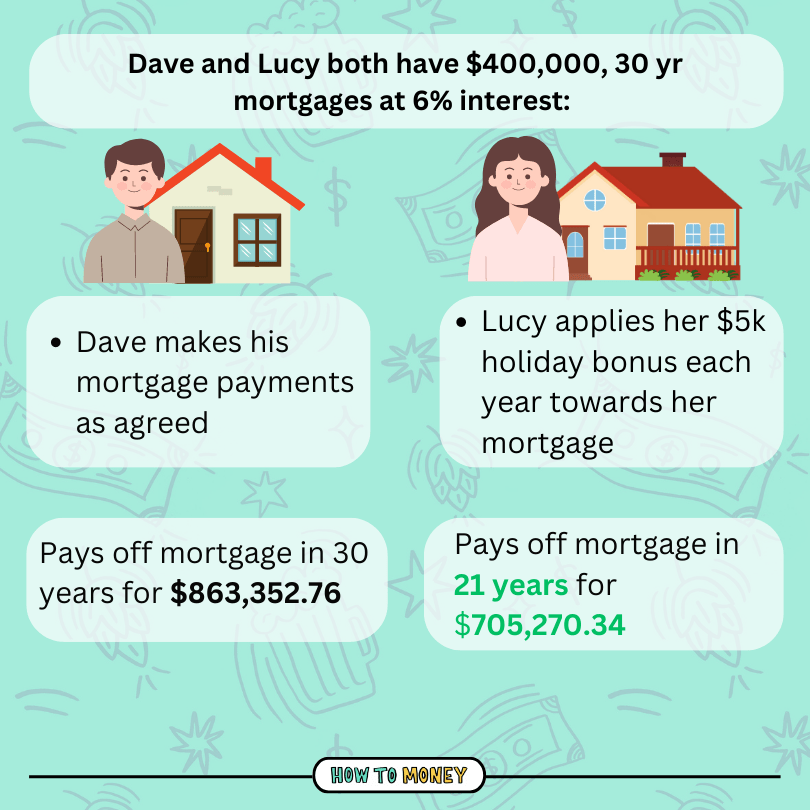
- Home Equity Line of Credit (HELOC) or Home Equity Loan: You might be tempted to take out a HELOC or home equity loan for various purposes—home renovations, education expenses, or even starting a business. While these can provide access to funds at relatively low interest rates, it’s crucial to remember that your home is the collateral. Re-indebting yourself, even with good intentions, means putting your paid-off asset back at risk. This decision should not be taken lightly and only after careful consideration of your ability to repay.
- Reverse Mortgages: For older homeowners, a reverse mortgage might become an option, allowing you to convert a portion of your home equity into cash without having to sell the home or make monthly mortgage payments. This can be a valuable tool for those needing to supplement retirement income, but it comes with complexities and fees that require thorough understanding.
- Strategic Avoidance: For many, the greatest benefit of a paid-off mortgage is the freedom from debt. Deliberately avoiding new loans against your home preserves this freedom and eliminates the risk of foreclosure, which is the ultimate goal of many who prioritize mortgage payoff.
Diversifying Your Portfolio and Reducing Concentration Risk
Having all your net worth tied up in a single asset – your home – can be a concentration risk, even if it’s paid off. While your home provides shelter and stability, it doesn’t offer the same liquidity or diversification as a broad investment portfolio.
- Rebalancing Your Assets: With no mortgage, you have the financial bandwidth to consciously diversify your wealth. This means investing in a variety of asset classes beyond real estate, such as stocks, bonds, mutual funds, or other alternative investments. This diversification can protect you from downturns in any single market and potentially generate greater long-term returns.
- Liquidity: A paid-off home, while valuable, is not liquid. Selling it can take months. By investing your former mortgage payments into more liquid assets, you create a balanced portfolio that includes both stable, long-term assets and accessible funds for emergencies or opportunities.
The Importance of Estate Planning and Legacy
Once your home is paid off, it becomes an even more significant component of your estate. This makes robust estate planning more critical than ever.
- Updated Wills and Trusts: Ensure your will clearly outlines who inherits your home. Consider whether a living trust is appropriate, as it can help avoid probate and provide for a smoother transfer of assets to your heirs.
- Beneficiary Designations: Review beneficiary designations on all other accounts (retirement, investment, insurance) to ensure they align with your wishes.
- Minimizing Tax Burden for Heirs: Explore strategies to potentially minimize estate taxes for your beneficiaries, depending on the size of your overall estate. Working with an estate planning attorney is highly recommended to navigate these complexities and ensure your legacy is protected.
Common Misconceptions and Strategic Considerations
The path to a mortgage-free life isn’t without its nuances and common pitfalls. Understanding these can help you make more informed decisions.
“House Rich, Cash Poor” Syndrome
A common trap for those who aggressively pay off their mortgage is becoming “house rich, cash poor.” This occurs when nearly all available funds are poured into the home, leaving insufficient cash reserves for emergencies, living expenses, or other investments. While a paid-off home is a fantastic asset, if it means foregoing an adequate emergency fund, neglecting retirement savings, or carrying high-interest consumer debt, the trade-off may not be ideal. The goal is to be both “house rich” and “cash rich” through balanced financial planning.
The Debate: Pay Off Mortgage vs. Invest
One of the longest-standing debates in personal finance is whether to pay off your mortgage early or invest the money instead. The “correct” answer depends heavily on individual circumstances, risk tolerance, and interest rates.
- Paying Off Early: Guarantees a “return” equal to your mortgage interest rate (e.g., if your mortgage is 4%, paying it off saves you 4% in interest, a guaranteed, tax-free return). It provides unparalleled peace of mind and reduces fixed expenses.
- Investing Instead: If you believe you can consistently earn a higher after-tax return in the market than your mortgage interest rate, then investing might be financially superior. For example, if your mortgage is 4% and you can average 7-8% in the stock market over the long term, you’d theoretically be better off investing.
- Hybrid Approach: Many choose a hybrid approach, contributing extra to their mortgage while also investing.
Ultimately, once the mortgage is paid off, this debate shifts from active decision-making to reflecting on the “return” of having no mortgage versus the potential returns foregone by not investing that capital elsewhere during the payoff period. The freedom you now have is the direct result of that choice.
Preparing for Future Large Expenses
While the mortgage payment is gone, the costs of maintaining a home, especially an older one, can be substantial. Future large expenses could include a new roof, HVAC system replacement, major appliance failures, or extensive renovations.
- Dedicated Home Maintenance Fund: It’s wise to establish a dedicated savings account specifically for home repairs and upgrades. Aim to set aside a percentage of your home’s value annually (e.g., 1-4%) for maintenance.
- Long-Term Planning: As you age, healthcare costs can also become a significant concern. The extra cash flow from a paid-off mortgage can be strategically directed towards health savings accounts (HSAs) or other medical savings vehicles to prepare for these future needs.
Beyond the Financial: Lifestyle and Legacy
The benefits of a paid-off mortgage extend far beyond the balance sheet, influencing your lifestyle, goals, and ability to leave a lasting legacy.
Redefining Financial Goals and Priorities
With the primary financial goal of mortgage payoff achieved, it’s an opportune time to redefine your financial aspirations. Perhaps you want to accelerate charitable giving, fund a child’s education more aggressively, travel extensively, start a passion project, or even consider early retirement. The elimination of the mortgage opens up a world of possibilities, allowing you to align your spending and savings with your deepest personal values and dreams.
Peace of Mind and Reduced Stress
The psychological relief associated with being mortgage-free is perhaps the most cherished benefit for many. It’s the peace of mind that comes from knowing your home is truly yours, free from the threat of foreclosure, and that a significant portion of your future income is no longer pre-allocated to debt service. This reduced financial stress can lead to improved mental and physical health, allowing you to enjoy life more fully.

Leaving a Legacy
A paid-off home becomes a tangible part of your legacy. It can be passed down to loved ones, providing them with housing security or a significant asset. For those interested in philanthropy, the value locked in your home, once liquidated, can contribute substantially to charitable causes. Your mortgage-free status can also serve as an inspiring example to family and friends, demonstrating the power of disciplined financial planning and debt elimination.
In conclusion, paying off your mortgage is a momentous achievement that redefines your financial freedom. It unlocks immense potential, shifting your focus from debt management to wealth accumulation, strategic investment, and lifestyle enhancement. While the journey to become mortgage-free is challenging, the destination offers profound financial security, unprecedented peace of mind, and a robust platform from which to build a truly fulfilling financial future.
aViewFromTheCave is a participant in the Amazon Services LLC Associates Program, an affiliate advertising program designed to provide a means for sites to earn advertising fees by advertising and linking to Amazon.com. Amazon, the Amazon logo, AmazonSupply, and the AmazonSupply logo are trademarks of Amazon.com, Inc. or its affiliates. As an Amazon Associate we earn affiliate commissions from qualifying purchases.