
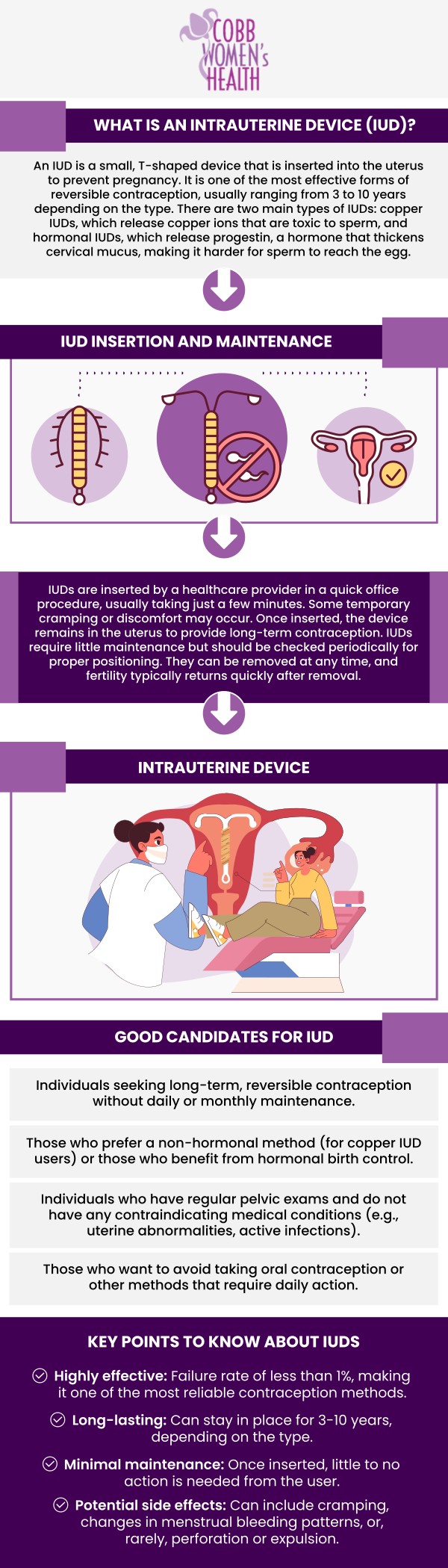
The expiration of an Intrauterine Device (IUD) is a significant milestone in personal health management, yet it is often shrouded in misconceptions regarding financial implications and long-term planning. When an IUD reaches its end-of-life—a date dictated by the manufacturer’s clinical trials rather than a sudden cessation of function—it triggers a series of necessary financial and logistical considerations. For many, this event is not merely a clinical transition but a significant budgetary line item that requires strategic foresight, particularly when navigating the intersection of health insurance, provider fees, and the rising costs of reproductive healthcare.
The Financial Lifecycle of Reproductive Health Tools
To understand the fiscal impact of an expiring IUD, one must view the device as a long-term asset rather than a disposable commodity. In personal finance, this is categorized under the “cost-per-use” model. When you initially invest in an IUD, the upfront cost—which can range from several hundred to over a thousand dollars depending on insurance coverage and regional market rates—is amortized over the lifespan of the device, typically three to eight years.
Amortization and Depreciation of Clinical Assets
Much like a piece of technology or a major appliance, the value of the IUD depreciates over its service life. As the expiration date approaches, the “cost per month” of your protection effectively drops to its lowest point. However, the end of this cycle necessitates a reinvestment. Failing to plan for the replacement of an IUD can lead to a sudden, unbudgeted hit to your emergency fund or monthly cash flow. Understanding the expiration timeline allows individuals to treat the replacement as a planned capital expenditure rather than a surprise liability.
Hidden Costs of Removal and Reinsertion
Beyond the cost of the device itself, the expiration phase introduces a secondary set of financial variables. The removal process and the subsequent reinsertion are often billed as separate clinical services. Depending on your healthcare plan, this may involve co-pays, deductibles, or out-of-pocket facility fees. It is imperative to review your Summary of Benefits and Coverage (SBC) well in advance of the expiration date. If your insurance plan is tied to your employment, and you anticipate a change in job status, timing the replacement of your IUD becomes a strategic financial maneuver to avoid the high costs of uninsured medical procedures.
Navigating Insurance and Healthcare Reimbursement
The financial burden of replacing an expired IUD is heavily dependent on the efficacy of your health insurance policy. In many jurisdictions, the Affordable Care Act and similar regulations mandate coverage for contraceptive devices; however, the administrative realities often fall short of the ideal, leading to surprise billing.
Decoding Your Benefits for Procedure Coverage
When your IUD reaches expiration, the first step is to clarify the “allowable amount” your insurance company will cover for both the removal of the device and the acquisition of the new one. Many insurance providers categorize the IUD as a “durable medical device,” which can lead to complex billing codes. If the device is billed under a pharmacy benefit rather than a medical benefit, your out-of-pocket costs could shift dramatically. Negotiating these hurdles requires a proactive approach: contact your insurer’s member services line and ask specifically for the “bundled” cost of a removal and insertion procedure to ensure no hidden fees emerge after the fact.
Tax-Advantaged Accounts as a Strategic Reserve
For those utilizing Health Savings Accounts (HSAs) or Flexible Spending Accounts (FSAs), the expiration of an IUD is an ideal scenario for utilizing tax-advantaged funds. Because an IUD replacement is a qualified medical expense, you can effectively pay for the procedure with pre-tax dollars. If you know your IUD is set to expire within the next twelve months, it is a sound financial strategy to maximize your HSA contributions for the current tax year. This reduces your taxable income while ensuring you have a liquid reserve specifically earmarked for your reproductive health needs. By treating the expiration as a planned expense, you move from a reactive financial state to one of structured budgeting.
Long-Term Planning and Portfolio Management
Managing an IUD expiration is akin to managing a periodic maintenance schedule for a car or a critical software subscription. It requires tracking, anticipation, and the allocation of resources. Integrating this into your broader financial plan ensures that your health does not become a source of financial instability.
The Opportunity Cost of Delayed Replacement
There is a distinct financial risk associated with failing to replace an expired IUD on time. Should the device exceed its recommended lifespan, the primary risk is the loss of efficacy. The resulting financial impact of an unintended pregnancy—including prenatal care, delivery, and long-term child-rearing costs—is astronomical compared to the cost of a timely replacement. From a risk management perspective, the cost of the new device is a protective premium. Delaying the appointment, even by a few months, increases the “risk exposure” period, which is a gamble that rarely pays off in a personal finance context.
Establishing a “Health Sinking Fund”
A sinking fund is a set amount of money saved for a specific, known future expense. Because you usually know exactly when your IUD will expire the moment it is inserted, you have a multi-year window to save for the replacement. If the total cost for removal, the new device, and reinsertion is $1,000 and your device lasts for five years (60 months), you only need to set aside approximately $16.66 per month. By automating this transfer into a high-yield savings account, you eliminate the financial anxiety associated with the expiration date. When the time comes to schedule the appointment, the funds are already liquid and ready, effectively decoupling your health requirements from your immediate cash flow needs.
Optimizing for Future Stability
When the expiration date nears, it is also an opportunity to evaluate your future needs. Perhaps your financial situation has evolved, or your healthcare plan has changed. Reassessing the type of device or even the method of contraception is a prudent step in your financial roadmap.
The Role of Market Competition
As with any industry, the contraceptive market is subject to supply and demand, as well as shifts in clinical technology. New, more cost-effective options may be available compared to the model you had inserted years prior. Discussing these alternatives with a healthcare provider allows you to make an informed decision that balances clinical efficacy with your budget. Do not be afraid to inquire about “generic” or alternative-brand options that may provide the same hormonal or non-hormonal benefit at a lower price point.
Finalizing the Transition
The expiration of an IUD is a manageable event that serves as a test case for one’s ability to plan for significant, recurring life expenses. By treating the device as a financial asset, leveraging tax-advantaged accounts, and establishing a sinking fund to cover future costs, you can navigate the transition with minimal disruption to your fiscal health. Professional management of these details prevents the medical system from dictating your finances and ensures that you remain in control of both your physical well-being and your monetary resources. Whether you are weeks or months away from the expiration date, starting your planning now is the most effective way to secure your financial future against the unexpected costs of healthcare.
aViewFromTheCave is a participant in the Amazon Services LLC Associates Program, an affiliate advertising program designed to provide a means for sites to earn advertising fees by advertising and linking to Amazon.com. Amazon, the Amazon logo, AmazonSupply, and the AmazonSupply logo are trademarks of Amazon.com, Inc. or its affiliates. As an Amazon Associate we earn affiliate commissions from qualifying purchases.