
Losing your car to repossession is a deeply unsettling experience. Beyond the immediate logistical nightmare, it triggers a cascade of financial, emotional, and even digital consequences. This article delves into the multifaceted repercussions of car repossession, exploring the impact on your finances, creditworthiness, and how technology can both complicate and, potentially, aid in recovery. We’ll also touch upon the crucial aspects of brand perception – both personal and financial – that are intertwined with this event.
The Immediate Financial Fallout: More Than Just Losing Your Ride
When a lender repossesses your vehicle, it’s not simply a matter of them taking back their property. The financial implications are immediate, complex, and often severe. Understanding these repercussions is the first step in mitigating further damage and planning your path forward.
The Deficiency Balance: The Debt That Lingers
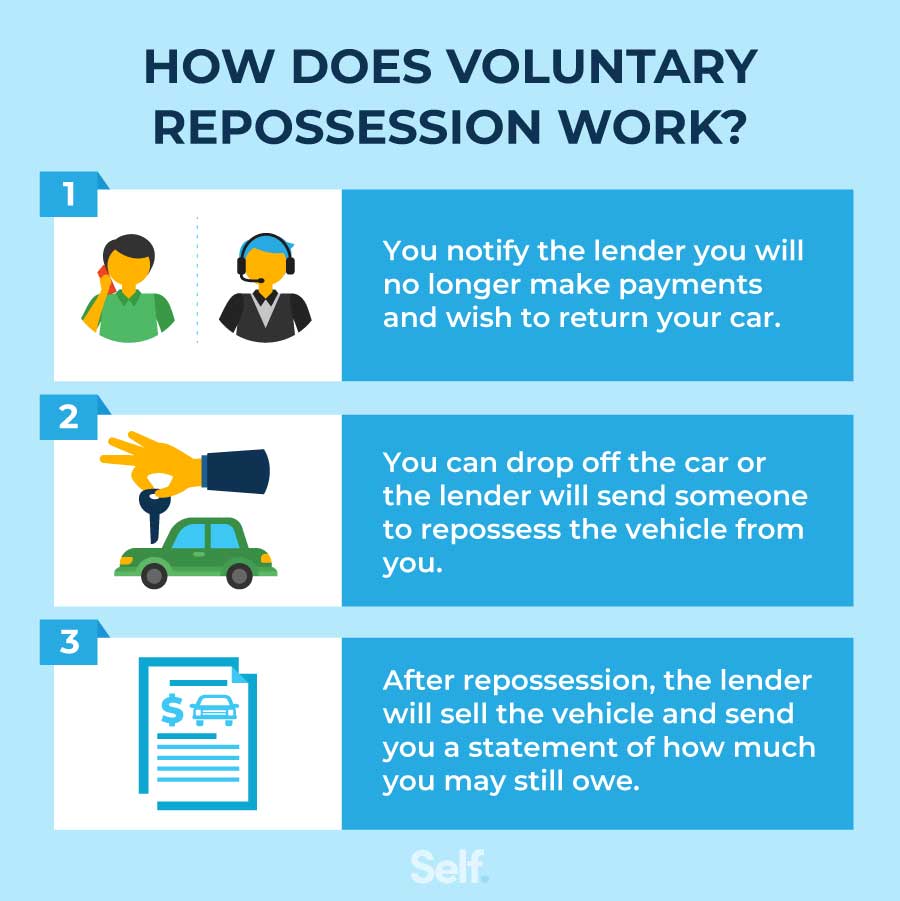
Even after your car is repossessed, your financial obligation to the lender isn’t automatically extinguished. In most cases, the sale of the repossessed vehicle will not cover the full amount you owed on the loan. The difference between the loan balance and the sale proceeds is known as a deficiency balance.
- How it Happens: Lenders typically sell repossessed vehicles at auctions, often at a discounted price to recoup their losses quickly. This sale price is rarely enough to cover the outstanding loan amount, accrued interest, late fees, and the costs associated with the repossession itself (towing, storage, legal fees).
- Your Responsibility: You are legally responsible for this deficiency balance. The lender will likely pursue you for this amount, which can include additional legal fees and court costs if they take you to court to obtain a judgment against you. This can lead to wage garnishment, bank account levies, and further damage to your financial standing.
- Preventing Deficiency: While it’s often too late once repossession has occurred, understanding this concept highlights the importance of proactively communicating with your lender if you anticipate struggling with payments. Exploring options like loan modifications or voluntary surrender (which can sometimes negotiate away a portion of the deficiency) are crucial steps to consider before repossession is initiated.
The Costs of Repossession: Beyond the Loan
The initial loan balance is just one part of the financial equation. Repossession itself incurs significant costs that are usually passed on to the borrower. These can include:
- Towing Fees: The cost of physically moving your vehicle from your location to the repossession agency’s lot.
- Storage Fees: Daily charges for storing your vehicle until it is sold. These fees can accumulate rapidly.
- Legal Fees: If the lender needs to take legal action to recover the deficiency, you’ll be liable for their attorney fees and court costs.
- Auction Costs: Expenses related to preparing and selling the vehicle at auction.
These added costs inflate the total amount you owe, making it even harder to catch up and resolve the debt.
The Long-Term Financial Scar: Credit Damage and Beyond
The immediate financial strain is significant, but the long-term consequences of car repossession are arguably more damaging, particularly to your creditworthiness and future financial opportunities.
The Credit Report Black Mark: A Lasting Stain
A car repossession is a major negative event that will be reported to all three major credit bureaus (Equifax, Experian, and TransUnion). This negative mark can remain on your credit report for up to seven years, significantly impacting your credit score.
- Credit Score Impact: A repossession can cause your credit score to drop by tens or even over a hundred points, depending on your score before the event. This makes it challenging to qualify for new credit, such as:
- New Auto Loans: Lenders will be wary of providing you with another car loan, and if they do, you’ll likely face much higher interest rates.
- Mortgages: A repossession can make it difficult to get approved for a home loan, or you may require a larger down payment and face unfavorable terms.
- Credit Cards: Securing new credit cards, especially those with rewards or low interest rates, will become considerably harder.
- Personal Loans: Obtaining any form of unsecured personal loan will be a significant hurdle.
- Increased Interest Rates: For any credit you are eventually approved for, you can expect to pay substantially higher interest rates. This means borrowing money will be significantly more expensive over time.
- Difficulty Renting: Many landlords conduct credit checks as part of the rental application process. A repossession can lead to rejection from desirable rental properties.
Rebuilding Your Credit: A Marathon, Not a Sprint
The good news is that a repossession is not a permanent financial death sentence. However, rebuilding your credit requires discipline, patience, and strategic financial management.
- Pay Bills on Time: This is the most critical factor in improving your credit score. Ensure all your current obligations are met punctiliously.
- Secured Credit Cards: These require a cash deposit, which acts as your credit limit. They are an excellent tool for demonstrating responsible credit usage over time.
- Credit-Builder Loans: Some credit unions and banks offer loans specifically designed to help individuals rebuild credit. The loan funds are often held in a savings account until the loan is repaid.
- Monitor Your Credit Reports: Regularly review your credit reports for any inaccuracies and dispute them. This is a crucial step in ensuring your report accurately reflects your financial history.
- Avoid New Debt (Initially): While rebuilding, it’s wise to avoid taking on excessive new debt. Focus on managing your existing obligations and using credit-building tools responsibly.

The Digital Footprint: Technology’s Role in Repossession and Recovery
In today’s digitally connected world, technology plays an increasingly significant role in both the process of car repossession and the avenues available for individuals seeking to understand and potentially mitigate its impact.
Tracking and Recovery: The Lender’s Technological Advantage
Modern vehicles are equipped with sophisticated technology that lenders can leverage for tracking and recovery.
- GPS Trackers and LoJack: Many vehicles, especially those financed, are fitted with GPS tracking devices. These devices allow lenders to pinpoint the vehicle’s location remotely, facilitating swift repossession. Some systems, like LoJack, can even immobilize the vehicle.
- OnStar and Connected Car Services: Services like OnStar can be utilized by lenders to disable a vehicle remotely if it’s involved in a repossession scenario. This technology, designed for safety and convenience, can also be used by creditors.
- Data Access: With increasingly connected cars, lenders might have access to data points like mileage, location history, and even diagnostic information, which can inform their repossession strategy.
Digital Tools for Financial Management and Recovery
While technology aids lenders, it also provides individuals with tools to manage their finances and navigate the aftermath of repossession.
- Budgeting Apps: Tools like Mint, YNAB (You Need A Budget), and Personal Capital can help individuals track their spending, identify areas for savings, and create a realistic budget to avoid future financial distress.
- Credit Monitoring Services: Services like Credit Karma, Experian Boost, and others offer free credit score monitoring and access to credit reports. This allows individuals to track their progress in rebuilding credit after a repossession.
- Financial Literacy Resources: Numerous online platforms and apps offer financial education, from articles on budgeting and debt management to tutorials on investing and understanding credit. Websites and apps dedicated to personal finance can be invaluable resources.
- Legal Aid and Advocacy Websites: For understanding legal rights and options, online legal aid societies and consumer advocacy groups can provide crucial information and guidance, especially regarding deficiency balances and consumer protection laws.
The Brand Impact: Personal and Financial Reputation
Repossession, while a financial event, also has a tangible impact on your personal and financial brand. In a world increasingly reliant on credit scores and financial stability as indicators of reliability, a repossession can cast a shadow.
Personal Brand: Perceived Reliability and Responsibility
Your personal brand encompasses how you are perceived by others, including potential employers, landlords, and even friends and family. While not explicitly stated, a car repossession can, unfortunately, lead to perceptions of financial irresponsibility.
- Trust and Reliability: In personal and professional interactions, financial stability is often associated with reliability and responsibility. A repossession can, even unfairly, create doubt in these areas.
- Future Opportunities: As mentioned earlier, a damaged credit score can hinder opportunities for renting, obtaining loans, and even securing certain jobs that require a credit check. This directly impacts your ability to build and maintain a positive personal brand.
Corporate Identity and Financial Reputation
For businesses, a car repossession, particularly for company vehicles or if it affects a key stakeholder’s financial standing, can also impact their corporate identity and reputation.
- Association with Financial Distress: If a business relies on financed vehicles or if its leaders experience significant financial setbacks like repossession, it can create an indirect association with financial instability.
- Lender Relationships: A history of repossessions can make it more challenging for a business or its principals to secure future financing, impacting growth and operational capacity.
Rebuilding Your Financial Brand: Consistent Action
Rebuilding your financial brand after a repossession is about demonstrating consistent positive financial behavior over time.
- Transparency (When Necessary): In certain situations, being transparent about past financial challenges and the steps you’ve taken to overcome them can be more beneficial than trying to hide them. This is particularly true when applying for loans or credit.
- Demonstrate Stability: The most powerful way to rebuild your financial brand is through consistent on-time payments, responsible credit utilization, and building a positive credit history.
- Professionalism: Maintaining professionalism in all your dealings, even during challenging financial times, reinforces a positive personal brand.
In conclusion, while the immediate shock of a car repossession is undeniable, understanding its far-reaching consequences is paramount. From the lingering deficiency balance and the black mark on your credit report to the technological tools that facilitate the process and the subtle impact on your personal brand, a repossession is a complex financial and personal event. By educating yourself, leveraging available digital resources for financial management and credit rebuilding, and demonstrating a consistent commitment to financial responsibility, you can navigate this challenging period and work towards a more stable financial future.
aViewFromTheCave is a participant in the Amazon Services LLC Associates Program, an affiliate advertising program designed to provide a means for sites to earn advertising fees by advertising and linking to Amazon.com. Amazon, the Amazon logo, AmazonSupply, and the AmazonSupply logo are trademarks of Amazon.com, Inc. or its affiliates. As an Amazon Associate we earn affiliate commissions from qualifying purchases.