
The dream of vehicle ownership often comes with the reality of a significant financial commitment: an auto loan. For many, this arrangement works seamlessly for years. However, life can throw unexpected curveballs – job loss, illness, or unforeseen expenses – making it difficult to keep up with monthly payments. When these payments fall behind, a lender’s ultimate recourse is repossession, a legal process where they take back the vehicle you financed. Far more than just losing your car, repossession triggers a cascade of severe financial consequences that can impact your life for years. Understanding this intricate process and its extensive fallout is crucial for anyone navigating financial distress or seeking to prevent such a devastating event. This article delves into the mechanics of vehicle repossession, exploring the immediate aftermath, the long-term financial repercussions, and strategies to avoid it.
The Repossession Process: From Default to Pickup
Repossession isn’t an arbitrary act; it’s a direct consequence of defaulting on a loan agreement. Lenders have a legal right, stipulated in the loan contract you signed, to reclaim their collateral when you fail to meet your financial obligations. Understanding the stages of this process can demystify what often feels like a sudden and overwhelming event.
Understanding Loan Default
The journey to repossession begins with default. While most people associate default solely with missed payments, it’s broader than that. Your loan agreement outlines specific terms, and failing to adhere to any of them can constitute a default. The most common trigger is missed payments – typically, after one or two missed payments, a lender will classify the account as delinquent. However, other actions, such as failing to maintain required insurance, making unauthorized modifications to the vehicle, or even moving the vehicle out of state without notifying the lender, can also be considered breaches of contract leading to default. It’s imperative to read your loan agreement carefully to understand all terms.
Notification and Legal Rights (or Lack Thereof)
A common misconception is that a lender must provide extensive warning before repossessing a vehicle. While some states require a “notice of intent to repossess” after a certain period of delinquency, many do not. The majority of states allow lenders to initiate “self-help” repossession, meaning they can take the vehicle without prior notice or a court order, as long as they do not “breach the peace.” Breach of peace typically refers to using force, threats, or breaking into a secured garage. This often means a repossession agent can take your car from your driveway, a public street, or even your workplace parking lot, sometimes in the middle of the night, without any direct interaction with you.
The Act of Repossession
Once the lender decides to repossess, they typically hire a repossession agency. These agents are skilled at locating and retrieving vehicles. They use various methods, from simple towing to more sophisticated tracking technologies. If you are present during the repossession, it’s crucial to remain calm and not interfere. Attempting to prevent the repossession by physical force or intimidation could lead to criminal charges (e.g., obstruction, assault) or civil liability for damages. Your primary right at this stage is to ensure your personal belongings are removed from the vehicle before it is towed away. Document the interaction if possible, noting the time, date, and names of those involved.
Immediate Aftermath and Your Options
Losing your vehicle to repossession is undoubtedly distressing, but the process doesn’t end with its pickup. There are immediate steps you need to take and options you might have to mitigate the damage or even recover your vehicle.
Retrieving Personal Belongings
After repossession, the lender is legally obligated to allow you to retrieve any personal property left inside the vehicle. This does not include anything that is considered a permanent part of the car, such as custom audio systems that were installed. The repossession agency will typically inventory the items and hold them for a period, often requiring you to arrange a pickup. It’s critical to act quickly, as storage fees may accrue, and if items aren’t claimed, they might eventually be discarded or sold. Contact the lender immediately to inquire about the process for reclaiming your belongings.
Reinstatement vs. Redemption
Depending on your state’s laws and your loan agreement, you might have two primary avenues to get your vehicle back:
-
Reinstatement: This option allows you to get your car back by paying all past due payments, late fees, and the costs associated with the repossession itself (towing, storage, administrative fees). Essentially, you bring the loan current, and the lender returns the vehicle. Not all states or loan contracts offer a right of reinstatement, and even when they do, there might be a strict deadline to exercise it.
-
Redemption: This involves paying the entire outstanding balance of the loan, plus all repossession costs and fees, in a single lump sum. This effectively buys the car outright from the lender. While legally available in most jurisdictions, redemption is often financially impractical for individuals who couldn’t keep up with monthly payments in the first place.
Both options come with tight deadlines and substantial financial requirements. It’s essential to contact your lender immediately after repossession to understand if these options are available to you and what the exact costs and deadlines are.
Legal Recourse and Challenges
In certain situations, repossession can be wrongful. This might occur if the lender violated “breach of peace” rules, if your loan was not actually in default, or if the lender failed to provide required notices. If you believe your repossession was unlawful, it’s wise to consult with an attorney specializing in consumer law or debtor’s rights. They can assess your case and advise you on potential legal challenges or whether negotiation with the lender is possible. While legal challenges can be costly and time-consuming, they may be necessary in cases of clear wrongdoing.
The Financial Fallout: Credit, Deficiency, and Future Borrowing

The immediate stress of losing a vehicle is only the beginning. Repossession leaves a long-lasting scar on your financial health, impacting your creditworthiness, creating new debt, and making future borrowing significantly more challenging.
Impact on Your Credit Score
A vehicle repossession is one of the most damaging events that can appear on your credit report. It signifies a major default on a secured loan, indicating a high risk to future lenders. The repossession itself, along with all the late payments leading up to it, will be recorded. Your credit score can plummet by 100 points or more, depending on your prior credit standing. This negative mark will remain on your credit report for seven years from the date of the first missed payment that led to the repossession, severely limiting your access to credit for a significant period.
The Deficiency Balance
Even after your vehicle is repossessed and sold, your financial obligations may not end. Lenders will typically sell the repossessed vehicle at auction to recover their losses. However, auction prices are often significantly lower than the vehicle’s market value or the outstanding loan balance. The “deficiency balance” is the difference between what you owed on the loan (including any late fees, interest, and repossession costs like towing, storage, and auction fees) and the amount the lender received from the sale. Crucially, you are legally responsible for this deficiency balance.
For example, if you owed $15,000, and the car sold for $10,000, with an additional $2,000 in repossession costs, your deficiency balance would be $15,000 + $2,000 – $10,000 = $7,000. The lender can (and often will) pursue you to collect this amount.
Dealing with a Deficiency Judgment
If you do not pay the deficiency balance, the lender may sue you to obtain a “deficiency judgment.” This is a court order that legally confirms your debt to the lender. Once a judgment is obtained, the lender has powerful collection tools at their disposal, depending on state laws. These can include wage garnishment (where a portion of your paycheck is legally taken to satisfy the debt), bank account levies, or even placing liens on other assets you own. A deficiency judgment can significantly complicate your financial life for years, potentially leading to additional court fees and interest accumulating on the judgment amount.
Future Borrowing Challenges
With a repossession on your credit report and a potential deficiency judgment, securing new credit becomes incredibly difficult. Lenders view a history of repossession as a significant red flag, signaling a high risk of default. You will likely face rejection for standard loans, credit cards, and mortgages. If you are approved for any credit, it will almost certainly come with significantly higher interest rates and less favorable terms (e.g., higher down payments, shorter repayment periods). Even renting an apartment or securing certain types of employment can become challenging, as credit checks are often part of these processes. You may be relegated to subprime lenders, who cater to high-risk borrowers but charge exorbitant interest rates, potentially trapping you in a cycle of debt.
Preventing Repossession and Managing Financial Distress
The best way to deal with repossession is to prevent it entirely. If you find yourself struggling to make vehicle payments, proactive measures and open communication are your strongest allies.
Proactive Communication with Your Lender
The moment you anticipate difficulty making a payment, reach out to your lender. Do not wait until you’ve missed a payment or until the repossession agent is at your door. Lenders often have programs designed to help borrowers in temporary financial distress, as repossession is costly for them too. Be honest about your situation and discuss options such as:
-
Payment Deferment/Forbearance: Allowing you to skip one or more payments, with those payments added to the end of the loan term or paid back later.
-
Loan Modification: Changing the terms of your loan, such as lowering the interest rate or extending the loan term to reduce monthly payments.
-
Temporary Hardship Plans: Short-term arrangements to reduce payments during a difficult period.
Remember, communication is key. An unresponsive borrower is often seen as a higher risk.
Exploring Alternatives to Repossession
If keeping your current loan terms isn’t feasible, consider these alternatives to avoid repossession:
-
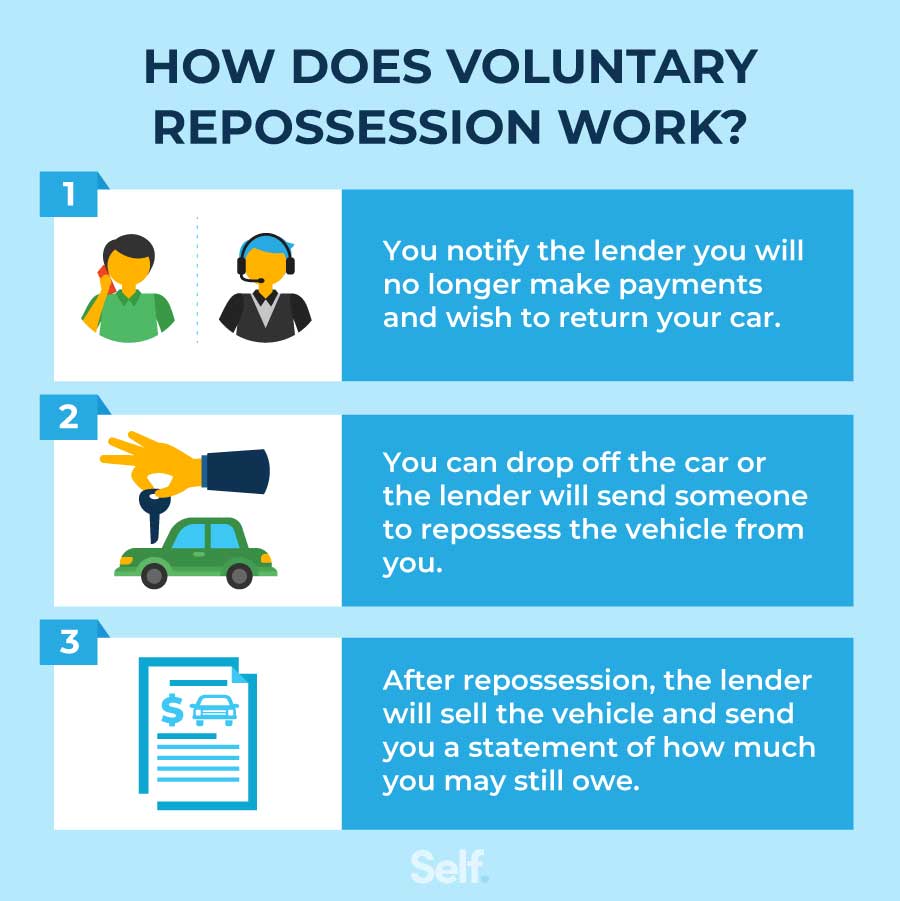
Voluntary Surrender: While still a negative mark on your credit, voluntarily returning the vehicle to the lender is generally less damaging than involuntary repossession. It can also save on some repossession costs, potentially reducing your deficiency balance.
-
Selling the Vehicle: If your vehicle is worth more than what you owe, or if you can cover the difference, selling it privately or trading it in might be an option. This allows you to pay off the loan and avoid repossession entirely, saving your credit.
-
Refinancing: If your credit hasn’t been significantly damaged yet and interest rates have fallen, you might be able to refinance your loan for a lower payment or better terms. However, this is less likely if you are already in default.
-
Debt Counseling: Non-profit credit counseling agencies can help you review your budget, explore debt management plans, and negotiate with creditors on your behalf.
Budgeting and Financial Planning
Long-term prevention of repossession and other financial crises hinges on sound financial planning. This includes creating and sticking to a realistic budget, building an emergency fund (ideally 3-6 months of living expenses) to cover unexpected hardships, and living within your means. Regularly reviewing your income and expenses, prioritizing debt payments, and avoiding taking on more debt than you can comfortably afford are foundational steps to financial stability and protecting your assets, including your vehicle.
Repossession is a stark reminder of the serious implications of defaulting on secured debt. It’s a painful process that extends beyond the immediate loss of transportation, leaving a profound and lasting impact on your personal finances. By understanding the process, being aware of your rights, and most importantly, taking proactive steps to manage financial distress and communicate with lenders, you can significantly reduce the likelihood of experiencing this devastating event and protect your financial future.
aViewFromTheCave is a participant in the Amazon Services LLC Associates Program, an affiliate advertising program designed to provide a means for sites to earn advertising fees by advertising and linking to Amazon.com. Amazon, the Amazon logo, AmazonSupply, and the AmazonSupply logo are trademarks of Amazon.com, Inc. or its affiliates. As an Amazon Associate we earn affiliate commissions from qualifying purchases.