
TikTok Shop has transformed from a experimental feature into a multi-billion dollar juggernaut, fundamentally altering the landscape of online income and digital business finance. As the platform faces a crossroads of regulatory scrutiny and unprecedented growth, stakeholders—from solo entrepreneurs to institutional investors—are asking: What happens to TikTok Shop next? To understand the trajectory of this platform, one must analyze it through the lens of monetary flow, market disruption, and the evolving economics of the creator economy.
The Economic Engine of TikTok Shop: A New Model for Revenue
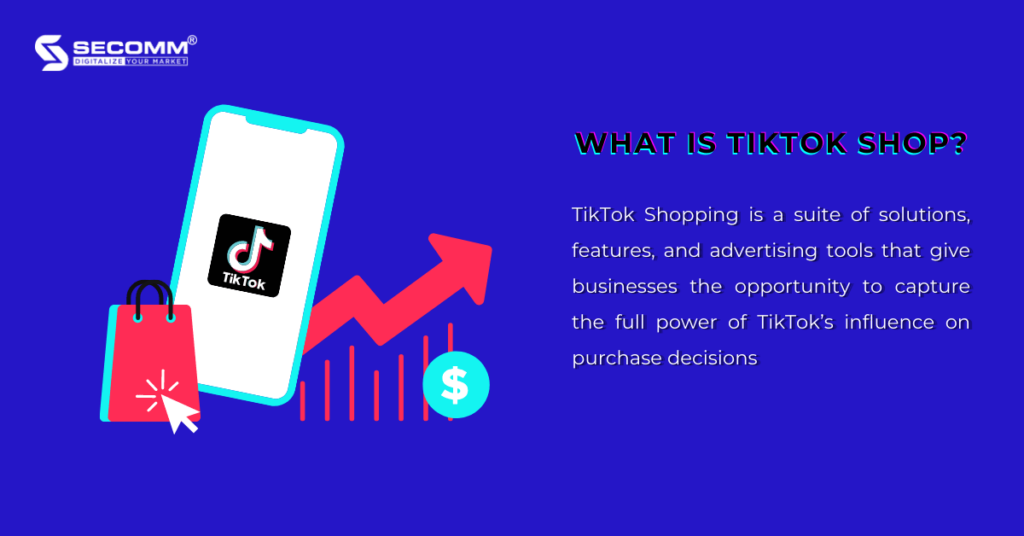
At its core, TikTok Shop represents a seismic shift in how value is captured in the digital age. Unlike traditional e-commerce platforms like Amazon, which rely on intent-based searching, TikTok Shop leverages discovery-based commerce. This distinction is not merely technical; it is a fundamental shift in business finance.

Disrupting the Traditional E-commerce Funnel
In the traditional retail model, businesses spend significant capital on top-of-funnel marketing to drive traffic to a separate storefront. TikTok Shop collapses this funnel. By integrating the checkout process directly within the video feed, the platform reduces “transaction friction,” a major cost-sink for digital businesses. From a financial perspective, this improves the conversion rate (CR) and lowers the customer acquisition cost (CAC), allowing small-to-medium enterprises (SMEs) to achieve profitability much faster than on traditional web-based storefronts.
The Commission Structure and Revenue Streams
ByteDance, the parent company of TikTok, has been strategic with its fee structures to incentivize adoption. Initially, the platform offered low commission rates to undercut competitors. However, as the ecosystem matures, we are seeing a shift toward a more sustainable corporate finance model. For sellers, understanding the “take rate”—the percentage TikTok keeps from each sale—is crucial for margin protection. As TikTok increases these fees to align with industry standards, businesses must recalibrate their pricing strategies to ensure that the high volume of social sales doesn’t come at the expense of net profit margins.
Scaling Side Hustles into Sustainable Enterprises
One of the most profound impacts of TikTok Shop is its democratization of online income. It has turned the “side hustle” into a legitimate corporate entity for thousands of creators who previously struggled to monetize their influence through traditional brand deals.
The Rise of the Creator-Seller
Previously, creators relied on the “Creator Fund,” which paid pennies for millions of views. With the advent of the Shop, the financial model has shifted to a performance-based system. Creators can now act as digital franchisees, selling products directly to their audience without the overhead of inventory management if they choose the affiliate route. This has created a new class of “Creator-Sellers” who manage their content like a high-frequency trading desk, analyzing real-time sales data to pivot their creative output for maximum Return on Ad Spend (ROAS).
Affiliate Marketing 2.0: From Views to Gross Merchandise Value (GMV)
The affiliate program within TikTok Shop is perhaps the most efficient wealth-redistribution tool the platform offers. By allowing creators to earn a commission (often ranging from 5% to 20%) on products they didn’t manufacture or ship, TikTok has streamlined the path to passive and active online income. For the business owner, this is a form of variable-cost marketing. Instead of paying a flat fee for an advertisement that might fail, the business only pays when a sale is realized. This “Pay-for-Performance” model is revolutionary for business finance, as it de-risks the marketing budget for emerging brands.
Strategic Challenges and Market Volatility
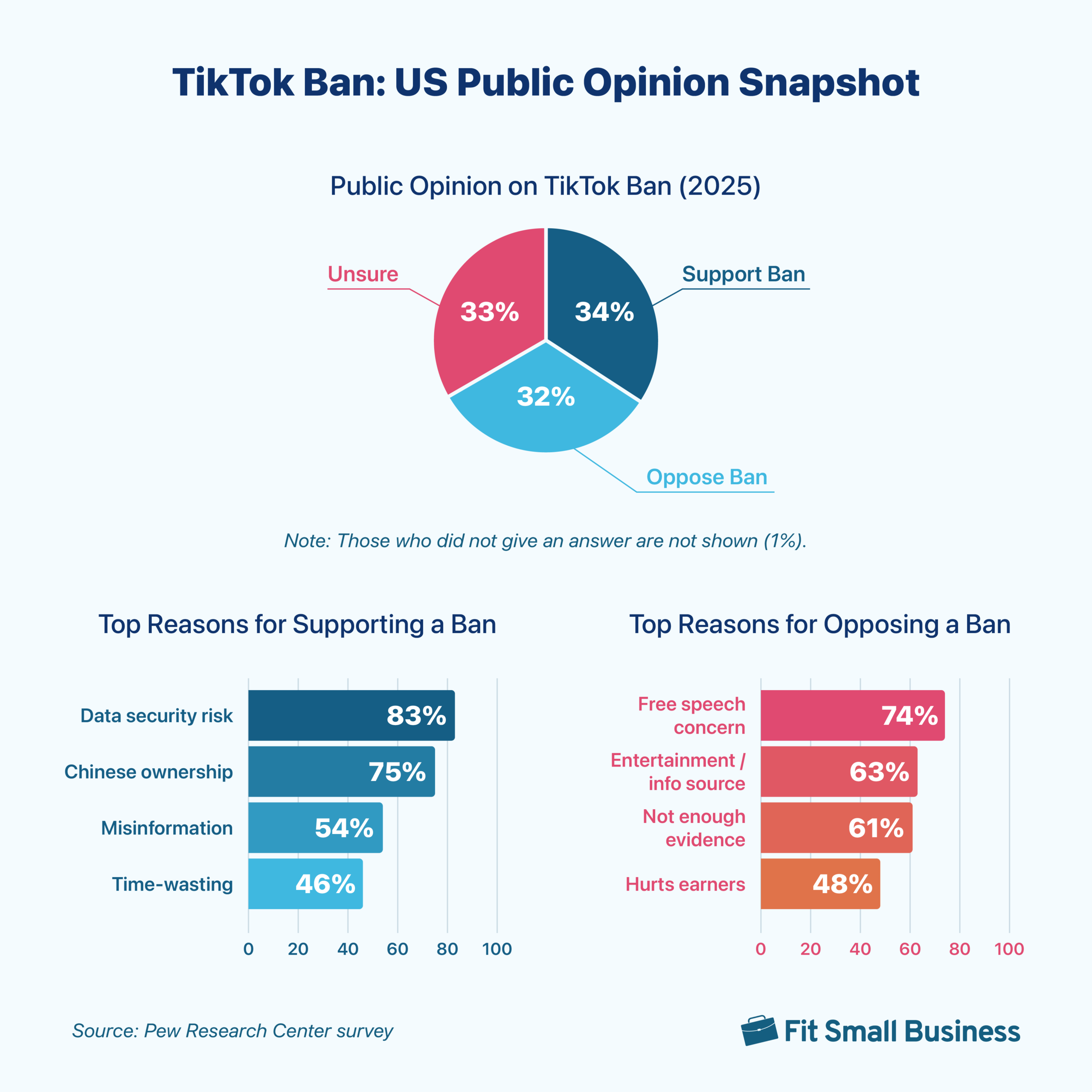
Despite its financial success, the future of TikTok Shop is shadowed by significant capital risks and geopolitical volatility. For investors and business owners, the “what happens next” is intrinsically tied to the platform’s legal standing in key markets like the United States.
The Threat of Regulatory Bans and Capital Risk
The most pressing question for anyone with a financial stake in TikTok Shop is the potential for a total market ban. From an investment perspective, this creates a “binary risk” scenario. If the platform is forced into a sale or banned, the infrastructure built by thousands of sellers—their reviews, follower counts, and “shop health” scores—could vanish overnight. Professional sellers are currently diversifying their capital, using TikTok Shop as a “cash cow” to fund more stable, multi-channel e-commerce operations on platforms like Shopify or Walmart Marketplace to mitigate this systemic risk.
Competing with the Giants: Amazon vs. ByteDance
TikTok Shop is not operating in a vacuum. Its growth has sparked a defensive response from Amazon, which recently launched “Amazon Inspire,” and from Temu and Shein, which compete on aggressive pricing. The “price war” currently underway is a classic study in market share acquisition. While TikTok Shop has the advantage of “attention,” Amazon has the advantage of “logistics.” The financial winner will be the platform that can bridge the gap between entertaining content and 2-day shipping reliability. For the seller, this competition is beneficial in the short term as platforms offer subsidies and shipping discounts, but it requires a keen eye on long-term sustainability once the subsidies dry up.
The Long-term Financial Outlook for Sellers
As the “gold rush” phase of TikTok Shop transitions into a mature market, the businesses that survive will be those that move away from viral “junk” products and toward high-equity brand building.
Logistical Overheads and Profit Margin Optimization
Many early entrants into the TikTok Shop space overlooked the complexities of logistics and “Chargebacks.” In the world of business finance, the cost of returns and shipping delays can quickly erode the gains made from a viral video. TikTok has begun enforcing stricter “Dispatch Time” requirements, and failure to meet these results in financial penalties. Professionalizing the supply chain—moving from dropshipping to localized 3PL (Third-Party Logistics) providers—is becoming a mandatory investment for anyone looking to scale their TikTok income beyond a few thousand dollars a month.
Investment in Proprietary Brands vs. Dropshipping
The highest ROI (Return on Investment) on TikTok Shop is increasingly found in proprietary branding. While dropshipping offers a low barrier to entry, it provides thin margins and no “moat.” Investors are now looking at TikTok Shop as an incubator for the next generation of Direct-to-Consumer (DTC) brands. By using the platform’s unique viral mechanics to test product-market fit at a low cost, entrepreneurs can build a brand that eventually commands a premium valuation. The transition from “selling products” to “building an asset” is the ultimate financial evolution for a TikTok Shop merchant.
Conclusion: A High-Stakes Financial Frontier
What happens to TikTok Shop is ultimately a story of the evolution of money in the digital age. It has successfully merged the entertainment industry with the retail industry, creating a hybrid model that rewards speed, creativity, and financial agility.
For the individual, it remains one of the most accessible avenues for generating online income with minimal upfront capital. For the corporation, it is a high-velocity sales channel that demands a new approach to marketing spend and supply chain management. However, the shadow of regulatory intervention means that the platform remains a high-risk, high-reward environment.
The future of TikTok Shop will likely see it becoming a more regulated, more expensive, but more stable environment. As ByteDance invests more into its fulfillment infrastructure (“Fulfilled by TikTok”) and refines its advertising algorithms, the shop will move closer to the stability of a traditional marketplace. Those who treat it not just as a social media fad, but as a sophisticated business platform requiring rigorous financial oversight, will be the ones who profit regardless of the shifts in the digital landscape. In the world of TikTok Shop, the “scroll” may be the product, but the “sale” is the future of the internet’s economy.
aViewFromTheCave is a participant in the Amazon Services LLC Associates Program, an affiliate advertising program designed to provide a means for sites to earn advertising fees by advertising and linking to Amazon.com. Amazon, the Amazon logo, AmazonSupply, and the AmazonSupply logo are trademarks of Amazon.com, Inc. or its affiliates. As an Amazon Associate we earn affiliate commissions from qualifying purchases.