
In the narrative arc of Wicked, the character of the Wizard serves as a profound allegory for the power—and the inherent danger—of brand strategy. While audiences often focus on the magical elements of Oz, the Wizard’s trajectory is a clinical study in corporate identity, the construction of authority, and the eventual collapse of a brand built on a hollow core. To understand what happens to the Wizard in Wicked is to understand the lifecycle of a brand that prioritizes perception over product, and marketing over mission.
The Architecture of the “Great and Powerful” Brand Identity
The Wizard does not arrive in Oz with magical abilities; he arrives with a skillset rooted in showmanship and psychological manipulation. In professional branding terms, he identifies a “market gap”—the citizens of Oz are fractured and seeking a central authority—and he builds a brand to fill it.
The Power of Visual Assets and Larger-than-Life Presence
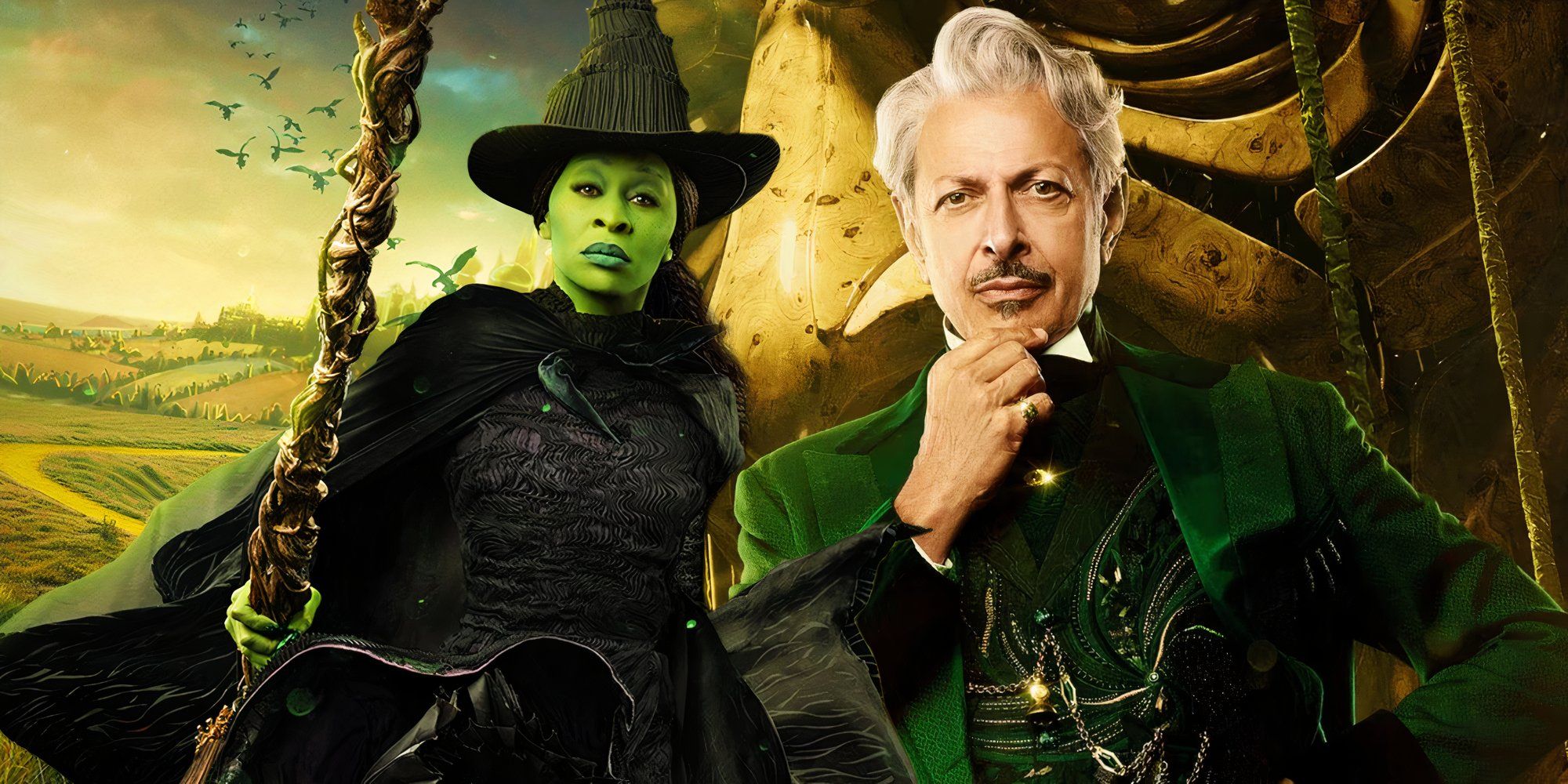
The Wizard’s primary strategy is the “Visual Identity.” Realizing that his physical form (a middle-aged man from Nebraska) lacks the gravitas required for a supreme leader, he creates a giant, mechanical mask. This is the ultimate corporate logo. It is designed to be intimidating, immutable, and divine. In modern brand strategy, this is the equivalent of a company using sleek, high-end aesthetics and aggressive advertising to mask a mediocre service. The Wizard understands that in the absence of a tangible product (true magic), the visual representation of that product must be overwhelming.
Managing the “Behind the Curtain” Product Discrepancy
The Wizard’s greatest challenge is maintaining the “brand promise.” He promises security and order, but his “product” is purely atmospheric. He relies on “Brand Storytelling” to convince the Ozians that he is their savior. He leverages the “othering” of the Animals as a common enemy—a classic marketing tactic of creating a problem that only your brand can solve. By controlling the narrative through propaganda (the Ozian press), he ensures that the public never looks “behind the curtain.” He knows that the moment the brand identity is decoupled from the reality of the individual, the equity of the “Oz” brand will plummet.
Crisis Management and the Collapse of a Corporate Narrative
In every brand’s lifecycle, there comes a point of disruption. In Wicked, that disruptor is Elphaba. She represents the ethical consumer and the internal whistleblower who refuses to accept the brand’s marketing at face value. What happens to the Wizard throughout the middle of the story is a desperate attempt at crisis management.
The Elphaba Factor: When Whistleblowers Challenge the Brand
When Elphaba discovers that the Wizard has no actual power, she presents an existential threat to his corporate identity. The Wizard’s response is a masterclass in aggressive PR: he rebrands the truth-seeker as a villain. By labeling Elphaba as “Wicked,” he uses his media dominance to protect his brand’s reputation. In the business world, this is a “deflection strategy,” where a corporation identifies a critic and attempts to discredit their platform rather than addressing the product flaws they’ve highlighted.
The Shift from Authority to Vulnerability
As the narrative progresses, we see the Wizard attempt to “rebrand” himself to Elphaba in a moment of private negotiation. He offers her a partnership, attempting a “merger” of his established brand name with her genuine talent (the product). This reveals the Wizard’s core strategic weakness: he is a brand manager who is tired of the lie but too invested in the equity he has built to walk away. His song, “Wonderful,” is essentially a manifesto on the fluidity of truth in marketing—arguing that if a brand makes people feel good, it doesn’t matter if the brand is “true.”
The Final Act: Brand Retirement and the Exit Strategy
The climax of Wicked is not just a personal defeat for the Wizard; it is a forced retirement. When Glinda discovers the Wizard’s secret connection to Elphaba—the revelation that he is her biological father—the brand becomes personally and politically untenable. The Wizard’s exit is a calculated move to avoid a total “brand liquidation.”
Negotiating the Departure: Glinda’s Strategic Rebrand
By the end of the musical, the Wizard is forced to leave Oz in a hot air balloon. This isn’t just a departure; it’s an exit strategy negotiated under duress. Glinda, who has learned the mechanics of branding from him, realizes that for the “Good” brand to survive, the “Wizard” brand must be retired. She forces him to leave, ensuring that the transition of power looks like a choice rather than a coup. This mirrors corporate successions where a CEO is allowed to “step down for personal reasons” to protect the company’s stock price, even when their leadership has been compromised.
Lessons in Sustainability: Why False Branding Always Fails
The Wizard’s ultimate fate—wandering back into the unknown, stripped of his titles and his mechanical mask—serves as a warning to modern marketers. A brand built entirely on perception without a foundation of “product-market fit” (actual magic or ethical leadership) is inherently fragile. You can manage a crisis for years, but eventually, the gap between the brand promise and the brand reality will become too wide to bridge.
Applying the “Wizard Effect” to Modern Brand Marketing
In today’s digital landscape, the Wizard’s strategy would be impossible to maintain. The “curtain” has been replaced by social media transparency, Glassdoor reviews, and investigative journalism. However, the psychological principles he used remain at the heart of modern brand strategy.
Authenticity vs. Artifice in the Digital Age
Modern consumers crave “Authentic Branding.” They want to see the person behind the curtain. Companies that try to operate like the Wizard—creating a polished, untouchable facade while hiding internal rot—suffer rapid “brand erosion” when the truth is leaked. The Wizard’s downfall happened because he mistook “fear and awe” for “loyalty.” High-equity brands today focus on community and shared values, rather than top-down propaganda.
The Importance of Internal Culture Alignment
What happened to the Wizard was also a failure of internal branding. He could not keep his subordinates (Madame Morrible and the palace guards) aligned with his vision without resorting to fear. A sustainable brand requires “Internal Brand Alignment,” where every employee believes in the product they are selling. Because the Wizard’s product was a lie, his internal culture was built on corruption, leading to a system that was easily dismantled once a strong external force (Elphaba) and a savvy internal successor (Glinda) converged.

Conclusion: The Legacy of a Fallen Brand
The story of the Wizard in Wicked concludes with the total erasure of his influence. Once he departs, the “Great and Powerful” persona is discarded, and a new era begins. For business leaders and brand strategists, his trajectory is a cautionary tale about the limits of marketing.
The Wizard’s primary mistake was believing that a brand is something you tell the world, rather than something you are. He spent all his resources on the “mask” and none on the “man.” In the end, the Wizard is not remembered for the order he brought to Oz, but for the deception he maintained. True brand longevity is found not in the smoke and mirrors of a giant mechanical head, but in the transparency, utility, and integrity of the entity behind the curtain. When we ask what happens to the Wizard, the answer is simple: he becomes a relic of a defunct marketing era, replaced by the very authenticity he tried so hard to suppress.
aViewFromTheCave is a participant in the Amazon Services LLC Associates Program, an affiliate advertising program designed to provide a means for sites to earn advertising fees by advertising and linking to Amazon.com. Amazon, the Amazon logo, AmazonSupply, and the AmazonSupply logo are trademarks of Amazon.com, Inc. or its affiliates. As an Amazon Associate we earn affiliate commissions from qualifying purchases.