
As the Philippines charges towards the middle of the decade, the year 2025 stands as a crucial juncture, poised to showcase the nation’s economic resilience, strategic shifts, and burgeoning financial landscape. With a young, dynamic population and robust domestic demand, the archipelago nation has consistently defied global economic headwinds, carving out a reputation as one of Asia’s most promising emerging markets. The question of “what happens to the Philippines in 2025” is thus predominantly framed by its financial trajectory – a complex interplay of macroeconomic forces, investment opportunities, evolving personal finance trends, and a rapidly adapting regulatory environment. This article delves into the critical monetary facets that will define the Philippines’ journey in 2025, offering a professional, insightful, and engaging perspective on its economic future.
Navigating Global Headwinds: Macroeconomic Stability and Growth Drivers
The Philippine economy in 2025 is expected to demonstrate continued strength, albeit within a complex global economic environment. The nation’s ability to maintain macroeconomic stability and leverage its intrinsic growth drivers will be paramount to its success.
Sustained GDP Expansion and Sectoral Contributions
Forecasts for 2025 generally project a robust Gross Domestic Product (GDP) growth rate for the Philippines, likely outperforming many regional peers. This expansion will continue to be primarily fueled by strong domestic consumption, which accounts for a significant portion of GDP. A large, youthful, and increasingly urbanized population provides a consistent demand base for goods and services.
Beyond consumption, the services sector remains a powerhouse. The Business Process Outsourcing (BPO) industry, while facing evolution through automation and AI, is expected to continue its growth trajectory, diversifying into higher-value services and creating more specialized jobs. Tourism, having rebounded strongly post-pandemic, is anticipated to maintain its momentum, attracting more international visitors and generating significant foreign exchange. The manufacturing sector is also poised for a resurgence, benefiting from government incentives and a strategic pivot towards localizing supply chains and attracting foreign direct investments into key industrial hubs. Agriculture, while a smaller contributor to GDP, will remain critical for food security and rural employment, with investments likely focused on modernization and climate resilience.
Inflation Management and Monetary Policy Stance
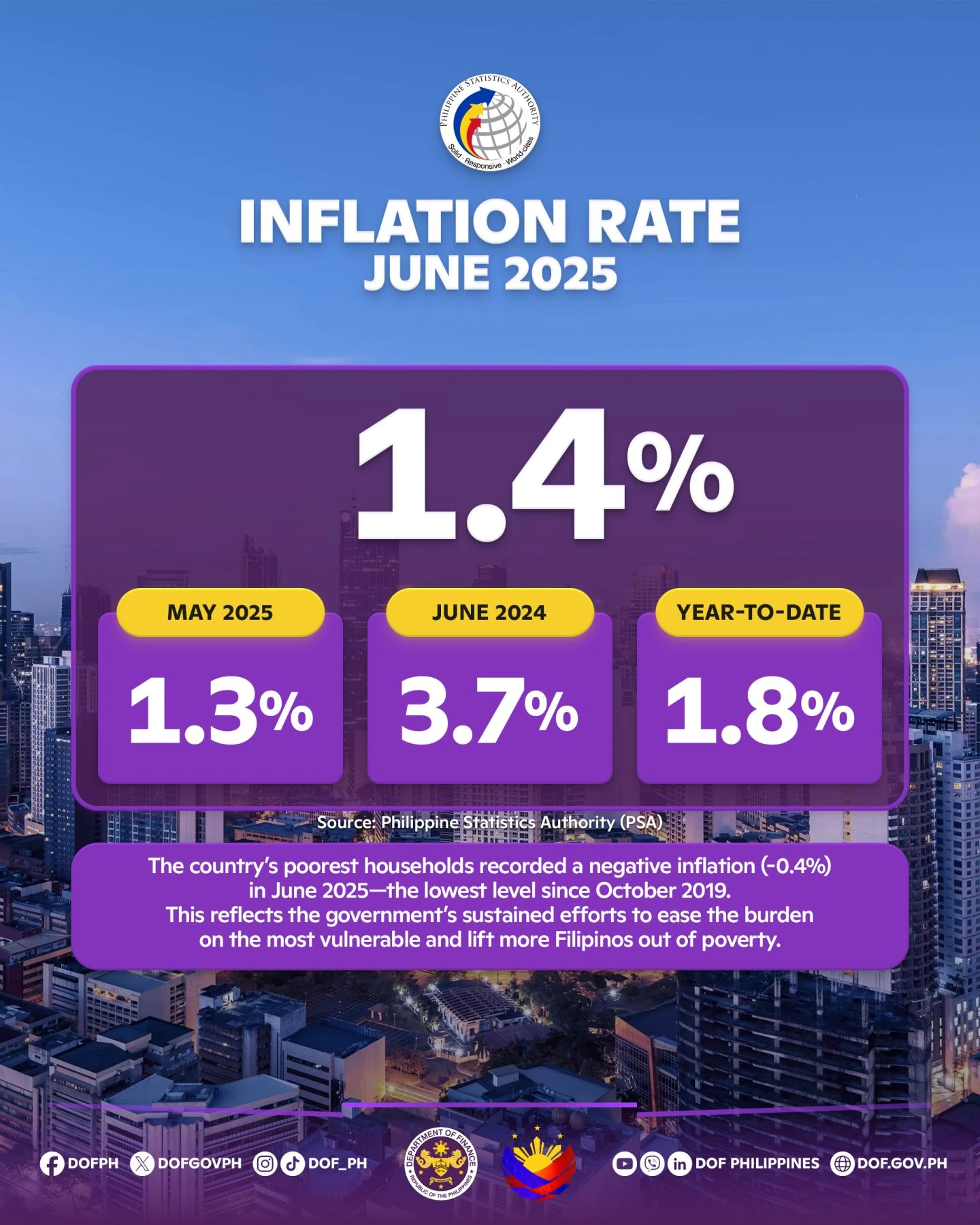
The Bangko Sentral ng Pilipinas (BSP) will continue to play a pivotal role in maintaining price stability, a critical component of economic confidence. By 2025, it is expected that inflation will have stabilized within the BSP’s target range, following global and domestic supply chain adjustments. The BSP’s monetary policy will likely remain data-dependent, balancing the need for economic growth with inflationary pressures.
Potential interest rate adjustments in 2025 will be influenced by global central bank actions, domestic economic performance, and inflation expectations. A stable interest rate environment would foster an amenable climate for borrowing and investment, encouraging businesses to expand and consumers to spend. Conversely, any unexpected inflation shocks could prompt tighter monetary policy, impacting credit availability and cost. The BSP’s proactive and independent stance is crucial for ensuring a predictable financial environment that supports both economic expansion and investor confidence.
Fiscal Prudence and Infrastructure Momentum
Government fiscal policy in 2025 will be characterized by a dual focus: maintaining fiscal prudence to ensure debt sustainability and aggressively pushing forward with infrastructure development. The “Build Better More” program, an expansion of previous administration’s infrastructure initiatives, will be in full swing, with significant allocations for transportation networks, digital infrastructure, energy projects, and social infrastructure. These investments are critical for enhancing productivity, attracting further investment, and improving the quality of life for Filipinos.
To finance these ambitious projects, the government will continue to explore a mix of local and international borrowings, public-private partnerships (PPPs), and efficient tax collection. Ongoing tax reforms aimed at broadening the tax base and simplifying compliance will be instrumental in increasing government revenues. A healthy fiscal position is essential not only for funding development but also for providing the government with the flexibility to respond to unforeseen economic shocks and ensure long-term stability.
Investment Landscape: Attracting Capital and Fostering Local Entrepreneurship
The Philippines in 2025 will present a compelling investment narrative, characterized by a more open economy, expanding capital markets, and a burgeoning entrepreneurial spirit.
Foreign Direct Investment (FDI) Growth Catalysts
The country has been actively pursuing reforms to enhance its attractiveness for foreign direct investment (FDI). Legislative amendments, such as those to the Public Service Act, Foreign Investments Act, and Retail Trade Liberalization Act, have opened up previously restricted sectors to full foreign ownership, significantly improving the investment climate. In 2025, these reforms are expected to yield greater FDI inflows, particularly into sectors critical for national development.
Key industries that will draw substantial foreign capital include digital infrastructure (data centers, 5G networks), renewable energy (solar, wind, geothermal projects), and advanced manufacturing (electronics, automotive components, food processing). The Philippines’ strategic location, large domestic market, and skilled workforce remain strong draws for multinational corporations seeking to expand their presence in Southeast Asia. Government agencies will continue to streamline business registration processes and offer targeted incentives to further boost FDI.
Expanding Capital Markets and Domestic Investment
The Philippine capital markets are projected to deepen and become more sophisticated by 2025. The Philippine Stock Exchange (PSE) will likely see increased listings, including those from technology and emerging growth companies, offering a broader range of investment opportunities for both local and international investors. Efforts to enhance market liquidity and investor protection will continue, contributing to a more robust and attractive equity market.
The bond market is also expected to mature, with a growing issuance of corporate bonds and an expanding base of institutional investors. Local pension funds, insurance companies, and mutual funds will play an increasingly vital role in mobilizing domestic capital for long-term investments. This development of local capital markets is crucial for reducing reliance on foreign financing and fostering sustainable economic growth.
The Rise of the Startup Ecosystem and Venture Capital
The entrepreneurial spirit in the Philippines is thriving, and 2025 will see the continued expansion of a vibrant startup ecosystem. Driven by a young, tech-savvy population and increasing access to digital tools, innovative startups are emerging across various sectors, particularly in fintech, e-commerce, logistics, and agritech.
Venture capital (VC) funding, while still nascent compared to more developed markets, is expected to grow significantly. Local and international VC firms are increasingly recognizing the potential within the Philippine market, backing promising startups with growth capital. Government initiatives and incubators also play a role in nurturing these new ventures, providing mentorship, networking opportunities, and initial funding. This dynamic startup scene is not only creating jobs but also fostering innovation, driving digital transformation, and contributing to economic diversification.
The Evolution of Personal Finance and Consumer Dynamics
The financial lives of ordinary Filipinos are undergoing rapid transformation, driven by technology, evolving consumer preferences, and a growing middle class.
Digitalization of Financial Services and Inclusion
By 2025, the digitalization of financial services will be an undeniable force reshaping personal finance in the Philippines. The widespread adoption of digital wallets (e.g., GCash, PayMaya) for payments, remittances, and even micro-lending will continue its exponential growth. Online banking, driven by both traditional banks and new digital-only banks, will become the norm for a larger segment of the population.
This digital shift is crucial for financial inclusion, bringing millions of previously unbanked Filipinos into the formal financial system. Access to easy, affordable digital financial services empowers individuals, facilitates economic transactions, and provides data for credit scoring, potentially unlocking new lending opportunities for small entrepreneurs and consumers. The convenience and efficiency offered by these platforms will further embed them into daily life.
Remittances as an Economic Pillar
Overseas Filipino Workers (OFWs) continue to be a cornerstone of the Philippine economy, and their remittances will remain a stable and significant source of foreign exchange and household income in 2025. These remittances not only fuel domestic consumption but also help maintain a healthy balance of payments and support the peso’s stability.
While traditional remittance channels persist, digital platforms are increasingly becoming the preferred method for OFWs to send money home, offering lower fees and faster transaction times. The sustained flow of remittances underscores the resilience and global reach of the Filipino workforce, providing a reliable buffer against economic shocks and empowering recipient families to invest in education, housing, and small businesses.
Shifting Consumer Behavior and E-commerce Boom
Filipino consumer behavior in 2025 will be characterized by a blend of traditional values and modern digital influences. E-commerce, which saw explosive growth during the pandemic, is expected to continue its upward trajectory. A young, digitally-savvy population, coupled with improving logistics and payment infrastructure, makes online shopping an increasingly convenient and preferred option.
There will also be a growing emphasis on value, convenience, and sustainability in purchasing decisions. Consumers are becoming more discerning, demanding higher quality, transparency, and ethical practices from brands. The expanding middle class will drive demand for a wider range of discretionary goods and services, from leisure and entertainment to health and wellness, further stimulating various sectors of the economy.
Addressing Financial Literacy and Household Debt
While financial access is expanding, the challenge of financial literacy and prudent household debt management will remain pertinent in 2025. As more Filipinos gain access to credit and digital financial products, there’s an increased need for education on responsible borrowing, saving, and investing.
Initiatives from the government, financial institutions, and NGOs will focus on empowering individuals with the knowledge and tools to make informed financial decisions. Monitoring household debt levels will be crucial for the BSP and other regulatory bodies to ensure financial stability and prevent over-indebtedness, especially as lending markets become more accessible.
Emerging Trends and the Regulatory Environment
The Philippine financial sector in 2025 will be shaped by a dynamic interplay of global trends and an adaptive regulatory framework, fostering innovation while ensuring stability.
Green Finance and Sustainable Investing Imperatives
The global push towards sustainability will significantly influence the Philippine financial landscape in 2025. Green finance, encompassing investments in environmentally friendly projects and sustainable businesses, is expected to gain substantial traction. This includes the issuance of green bonds, sustainable loans, and an increasing focus on Environmental, Social, and Governance (ESG) factors in investment decisions across various sectors.
Philippine financial institutions, encouraged by the BSP and other regulatory bodies, are integrating sustainability into their frameworks, recognizing both the environmental imperative and the long-term financial benefits. Renewable energy projects, sustainable agriculture, and eco-tourism initiatives will attract a growing share of both domestic and foreign capital seeking to align investments with sustainable development goals.
Fintech Regulatory Frameworks and Innovation
The Bangko Sentral ng Pilipinas has been at the forefront of creating an adaptive regulatory environment for financial technology (fintech). In 2025, this will continue with frameworks designed to encourage innovation while mitigating risks. Regulatory sandboxes, allowing fintech firms to test new products and services in a controlled environment, will facilitate the entry of groundbreaking solutions in areas like blockchain, artificial intelligence (AI) in finance, and open banking.
Neobanks (digital-only banks) are expected to mature and expand their customer base, challenging traditional banking models and driving competition. The integration of AI for fraud detection, personalized financial advice, and automated customer service will become more widespread. The BSP’s forward-thinking approach is crucial for positioning the Philippines as a hub for fintech innovation in Southeast Asia, ensuring consumer protection while fostering a dynamic and competitive financial sector.
Regional Economic Integration and Global Financial Linkages
The Philippines’ financial trajectory in 2025 cannot be viewed in isolation. Its deep integration into the ASEAN economic community and its broader global financial linkages will continue to exert significant influence. Harmonization of financial regulations, cross-border payment systems, and increased intra-regional trade and investment within ASEAN will create new opportunities and challenges for Filipino businesses and investors.
Engagement with international financial institutions and adherence to global financial standards will enhance the country’s credibility and access to global capital markets. The Philippines’ participation in global supply chains and its ability to attract diverse sources of capital from various regions will be key to sustaining its growth momentum and navigating the complexities of the global economy.

Conclusion
The year 2025 heralds a period of continued financial dynamism and strategic evolution for the Philippines. Guided by robust macroeconomic policies, a persistent drive for infrastructure development, and an increasingly open investment environment, the nation is poised for sustained economic growth. The ongoing digital transformation of financial services, coupled with the unwavering contribution of remittances and a vibrant entrepreneurial spirit, will reshape personal finance and fuel innovation. While global economic uncertainties and the need for continuous structural reforms remain, the Philippines’ resilience, demographic dividend, and proactive financial management position it strongly. The financial landscape of 2025 will reflect a nation confidently navigating its path towards sustainable prosperity, offering compelling opportunities for investors, businesses, and its growing population alike.
aViewFromTheCave is a participant in the Amazon Services LLC Associates Program, an affiliate advertising program designed to provide a means for sites to earn advertising fees by advertising and linking to Amazon.com. Amazon, the Amazon logo, AmazonSupply, and the AmazonSupply logo are trademarks of Amazon.com, Inc. or its affiliates. As an Amazon Associate we earn affiliate commissions from qualifying purchases.