
In the landscape of modern health, few interventions have shifted the paradigm of wellness as drastically as intermittent fasting. While often debated in clinical circles, fasting—the voluntary abstinence from food for specific periods—is increasingly viewed through the lens of metabolic efficiency and biological optimization. When we strip away the constant influx of calories, the body does not merely “go without”; it shifts into a highly sophisticated, evolutionary-driven state of repair and recalibration.
Understanding the physiological cascade triggered by fasting is essential for anyone looking to master their biology. From cellular cleanup to hormonal stabilization, the process is a masterclass in internal engineering.
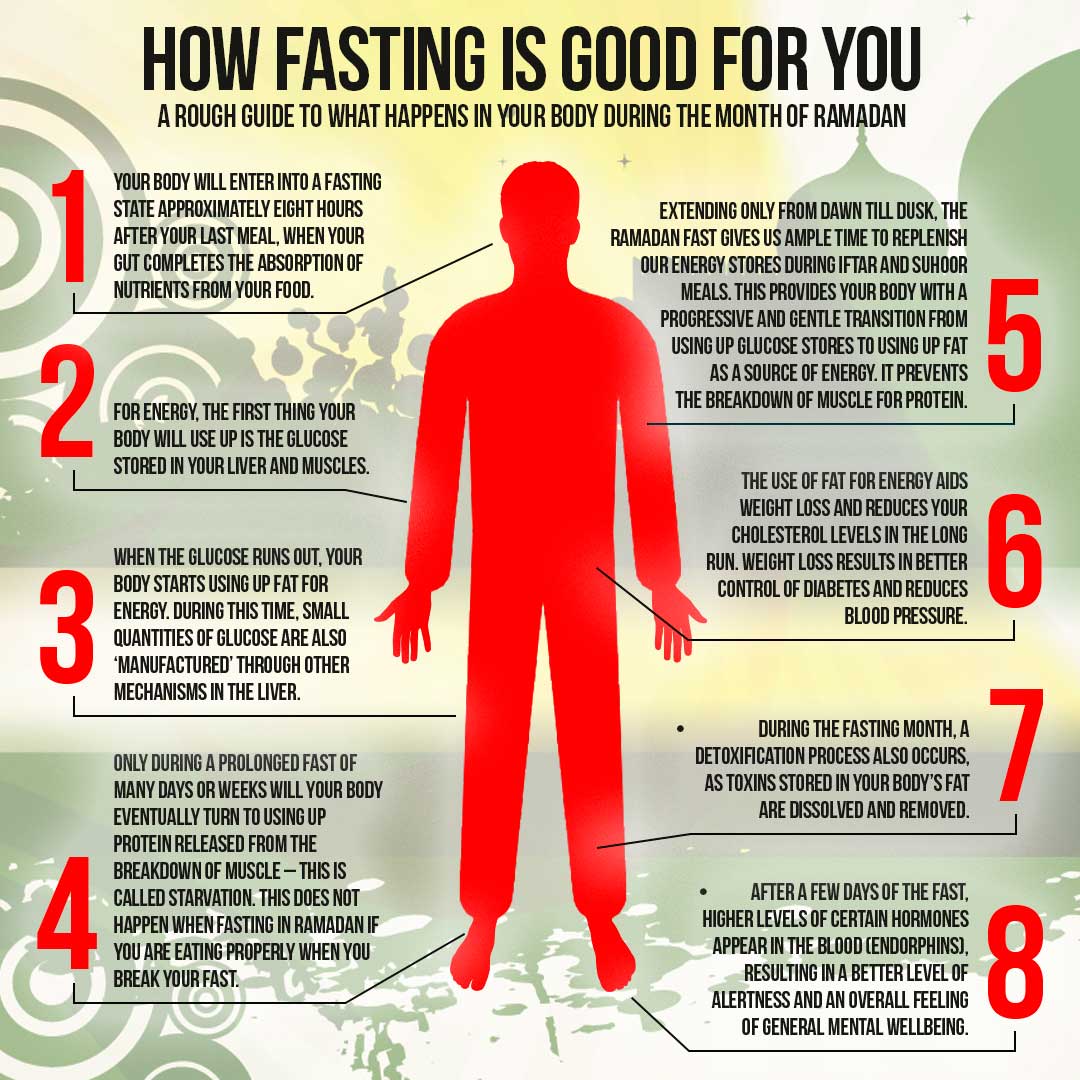
The Metabolic Shift: From Glucose to Ketones
The primary transformation that occurs during a fast is a fundamental change in fuel sources. Under a standard dietary pattern, the body relies on glucose, derived from carbohydrates, as its primary energy currency. Insulin levels remain consistently elevated to manage this influx of sugar, keeping the body in a state of energy storage.
The Glycogen Depletion Phase
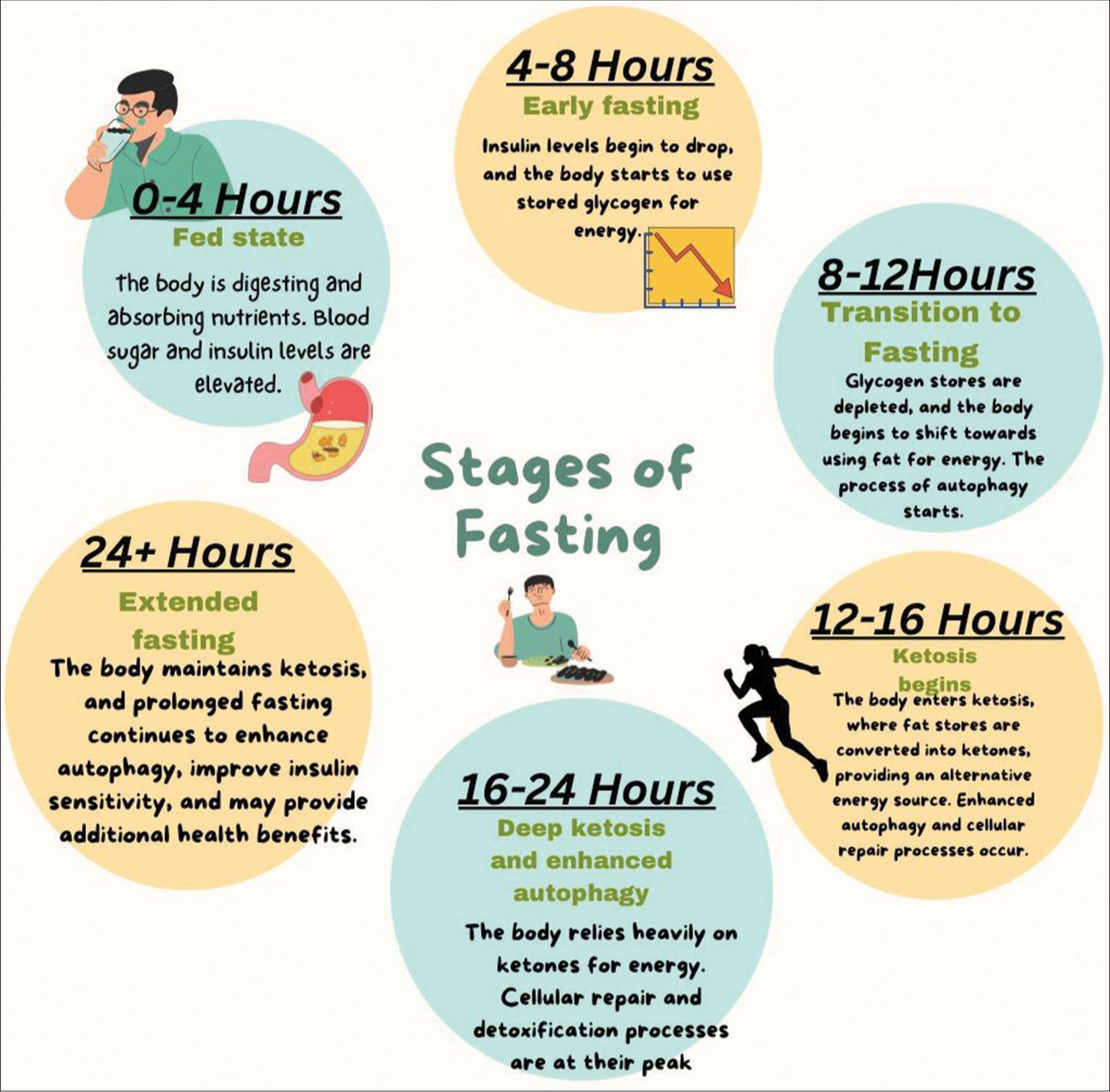
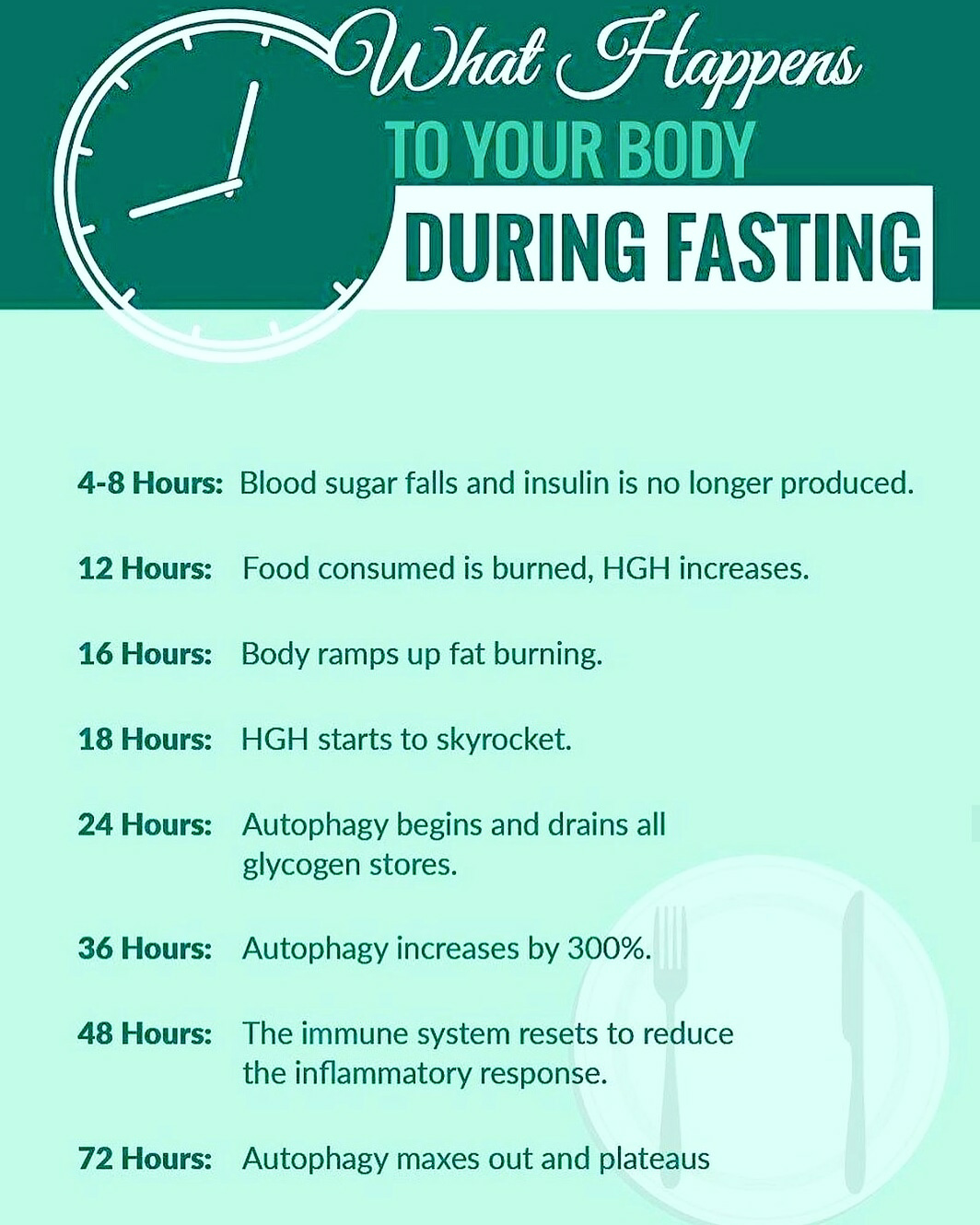
Within the first 12 to 24 hours of fasting, the body exhausts its primary supply of glycogen—the stored form of glucose found in the liver and muscles. As blood sugar levels stabilize and insulin secretion drops significantly, the body reaches a metabolic crossroads. It can no longer rely on readily available glucose, forcing it to look toward stored fat reserves.
The Rise of Ketosis
Once glycogen stores are depleted, the liver begins the process of beta-oxidation, breaking down fatty acids into ketone bodies. These molecules—acetoacetate, beta-hydroxybutyrate, and acetone—act as a highly efficient, alternative fuel source for both the brain and the body. Transitioning into nutritional ketosis is not merely about weight loss; it is about metabolic flexibility—the ability of the body to switch seamlessly between fuel sources depending on availability. This state is marked by heightened mental clarity, reduced inflammation, and a steadier stream of energy that avoids the “crash” associated with high-carbohydrate consumption.
Autophagy: The Body’s Internal Recycling System
Perhaps the most significant physiological benefit of fasting is the activation of autophagy, a process described by Nobel Prize-winning research as the body’s “self-eating” mechanism. Derived from the Greek words for “self” and “eating,” autophagy is a regulated cellular degradation process.
Cellular Quality Control
During periods of nutrient abundance, cells prioritize growth and replication. However, when nutrients are scarce, the cell shifts its focus to survival and maintenance. Autophagy allows the cell to dismantle dysfunctional components—misfolded proteins, damaged organelles, and cellular debris—and repurpose them for energy or as building blocks for new, healthy cell structures.
Long-term Cellular Longevity
Think of autophagy as a deep-cleaning service for the body’s microscopic infrastructure. By clearing out the “junk” that accumulates over time, fasting helps mitigate the risk of cellular decline. This process is increasingly linked to neuroprotection and the reduction of oxidative stress. By optimizing cellular health, the body creates a more resilient system capable of functioning at a higher capacity, essentially resetting the biological clock at the most fundamental level.
Hormonal Recalibration and Insulin Sensitivity
One of the most profound effects of fasting involves the endocrine system, particularly regarding insulin, the master hormone of metabolism. In a world characterized by frequent snacking and high-glycemic intake, chronic insulin elevation is a common precursor to metabolic syndrome, obesity, and type 2 diabetes.
Insulin Resistance vs. Sensitivity
Fasting acts as a corrective measure for insulin resistance. By extending the window of time without food intake, you allow blood insulin levels to drop to their baseline. This persistent low-insulin state encourages the body to become more sensitive to insulin’s signaling. Improved insulin sensitivity means the body can process nutrients more effectively, store less fat, and maintain more stable blood sugar levels over time.
The Growth Hormone Surge
Beyond insulin, fasting triggers a significant spike in Human Growth Hormone (HGH). HGH plays a critical role in muscle preservation, fat metabolism, and cellular repair. Research indicates that fasting can significantly elevate HGH levels, which serves as a protective mechanism during periods of food scarcity, ensuring that the body maintains muscle mass even while mobilizing adipose tissue for energy. This hormonal optimization is the reason why many individuals find that fasting, when combined with resistance training, leads to improved body composition and muscle retention.
The Neurobiological Impact: Cognitive Clarity and BDNF
The brain is an energy-demanding organ, often consuming 20% of the body’s total caloric intake. Many people report a sensation of “brain fog” when they haven’t eaten, but this is typically a symptom of metabolic inflexibility. Once the body is accustomed to utilizing ketones, the brain often experiences an increase in focus and cognitive sharpness.
BDNF and Brain Health
Fasting stimulates the production of Brain-Derived Neurotrophic Factor (BDNF), a protein often referred to as “fertilizer for the brain.” BDNF promotes the survival of existing neurons and encourages the growth of new synapses and neurons, particularly in the hippocampus—the area of the brain responsible for learning and memory.
Inflammation and the Nervous System
Chronic inflammation is a silent driver of many cognitive issues. Because fasting effectively reduces systemic inflammation by lowering markers such as C-reactive protein (CRP) and oxidative stress, it provides a cleaner environment for neural communication. By protecting the nervous system and supporting neuroplasticity, fasting is increasingly studied for its potential to prevent cognitive decline and improve overall mental resilience.
Navigating the Transition: A Sustainable Approach
Transitioning into a fasting lifestyle requires more than just skipping breakfast; it requires an understanding of how your specific body reacts to changes in energy supply. The initial phases may involve hunger pangs and mild irritability, largely due to the body’s reliance on habitual eating patterns rather than actual nutritional need.
Gradual Integration
The most successful practitioners start with a 12-hour fast, gradually extending the window to 16, 18, or 20 hours. This allows the digestive system to recover and gives the metabolism time to adapt. Hydration becomes paramount during these windows; electrolytes such as sodium, magnesium, and potassium are essential, as the body sheds water weight and stored minerals during the initial transition into ketosis.
Listening to Biofeedback
The goal of fasting is to align the body with its evolutionary history. However, fasting is a stressor—albeit a positive, “hormetic” stressor. If one is dealing with excessive psychological stress, poor sleep, or hormonal imbalances, extreme fasting protocols may exacerbate these conditions. True optimization lies in observing how the body responds to the fast, monitoring energy levels, and adjusting the frequency of fasting windows to ensure that the process remains a tool for longevity rather than a source of distress.
When integrated mindfully, fasting becomes a powerful instrument for metabolic health. By allowing the body the time and space to undergo the internal housecleaning of autophagy, rebalance sensitive hormonal markers, and pivot to highly efficient fat-based fuels, you aren’t just losing weight—you are fundamentally restructuring the way your body interacts with its own internal resources. The result is a system that is leaner, cleaner, and operating with a level of efficiency that matches the high demands of the modern world.
aViewFromTheCave is a participant in the Amazon Services LLC Associates Program, an affiliate advertising program designed to provide a means for sites to earn advertising fees by advertising and linking to Amazon.com. Amazon, the Amazon logo, AmazonSupply, and the AmazonSupply logo are trademarks of Amazon.com, Inc. or its affiliates. As an Amazon Associate we earn affiliate commissions from qualifying purchases.