
For decades, the “end-of-life” stage for automotive tires was a synonymous term for environmental stagnation. Massive tire graveyards, some visible from space, represented a failure of traditional waste management. However, as the global community pivots toward a circular economy, the narrative of the scrap tire has shifted from a biological hazard to a sophisticated technological resource. What happens to old tires today is no longer a matter of simple disposal; it is a high-tech journey involving molecular engineering, artificial intelligence, and advanced material science.

The Engineering of Circularity: Advanced Decomposition and Pyrolysis
The most significant technological leap in tire recycling is the move away from mechanical shredding toward chemical recycling, specifically through a process known as pyrolysis. While traditional recycling methods simply ground tires into “crumb rubber,” pyrolysis uses thermal decomposition in the absence of oxygen to break down the complex polymers of a tire into their original chemical building blocks.
The Science of Thermochemical Conversion
Pyrolysis technology has evolved from experimental laboratory setups to massive industrial reactors capable of processing thousands of tons annually. By heating tires to temperatures between 400°C and 700°C in an oxygen-free environment, the rubber does not catch fire. Instead, the heat breaks the long-chain hydrocarbons into three distinct, high-value outputs: pyrolysis oil (a bio-crude), synthetic gas (syngas), and recovered Carbon Black (rCB).
The technology has become increasingly sophisticated with the integration of microwave-assisted pyrolysis. Unlike traditional heating, which warms the tire from the outside in, microwave technology uses electromagnetic radiation to heat the material uniformly at the molecular level. This results in a faster reaction time and a higher purity of the recovered carbon, which can then be reintroduced into the manufacturing of new tires or high-end plastics.
Refining Recovered Carbon Black (rCB)
Recovered Carbon Black is perhaps the most tech-intensive product of the modern recycling facility. In its raw state from the reactor, it often contains impurities. Modern refineries now use proprietary chemical washing and jet-milling technologies to upgrade this material. This allows it to meet the stringent technical specifications required by the tech industry for use in items like conductive coatings, high-performance seals, and even the casings of consumer electronics.
AI and Robotics: The New Sentinels of the Scrap Yard
Before a tire can be chemically recycled, it must be sorted, cleaned, and categorized. Historically, this was a manual, labor-intensive process that was both inefficient and prone to error. Today, the integration of Artificial Intelligence (AI) and robotic automation is transforming the logistics of tire management.
Computer Vision for Material Identification
Not all tires are created equal. High-performance tires, heavy-duty truck tires, and standard passenger tires all contain different ratios of natural rubber, synthetic polymers, steel cord, and textile reinforcements. Modern sorting facilities now employ Computer Vision (CV) systems equipped with deep learning algorithms. These cameras can identify the brand, size, and composition of a tire in milliseconds as it moves along a conveyor belt.
By accurately identifying the chemical makeup of the tire via its sidewall markings and tread pattern, the AI can direct the tire to the specific processing stream where its materials will be most effectively recovered. This precision ensures that the pyrolysis reactors are fed a consistent “diet,” which stabilizes the quality of the resulting synthetic oil and gas.
Robotic De-beading and Pre-processing
The most difficult part of a tire to recycle is the “bead”—the high-tensile steel wire that holds the tire to the rim. Traditional methods for removing this were crude and often wasted a significant amount of surrounding rubber. Advanced robotic arms, guided by 3D laser scanners, now perform surgical de-beading. These machines can adapt to various tire sizes in real-time, extracting the steel with 99% purity while leaving the high-quality rubber intact for further processing. This level of automation has turned what was once a dangerous manual task into a streamlined, tech-driven operation.
High-Tech Applications: The Material Science of Rebirth
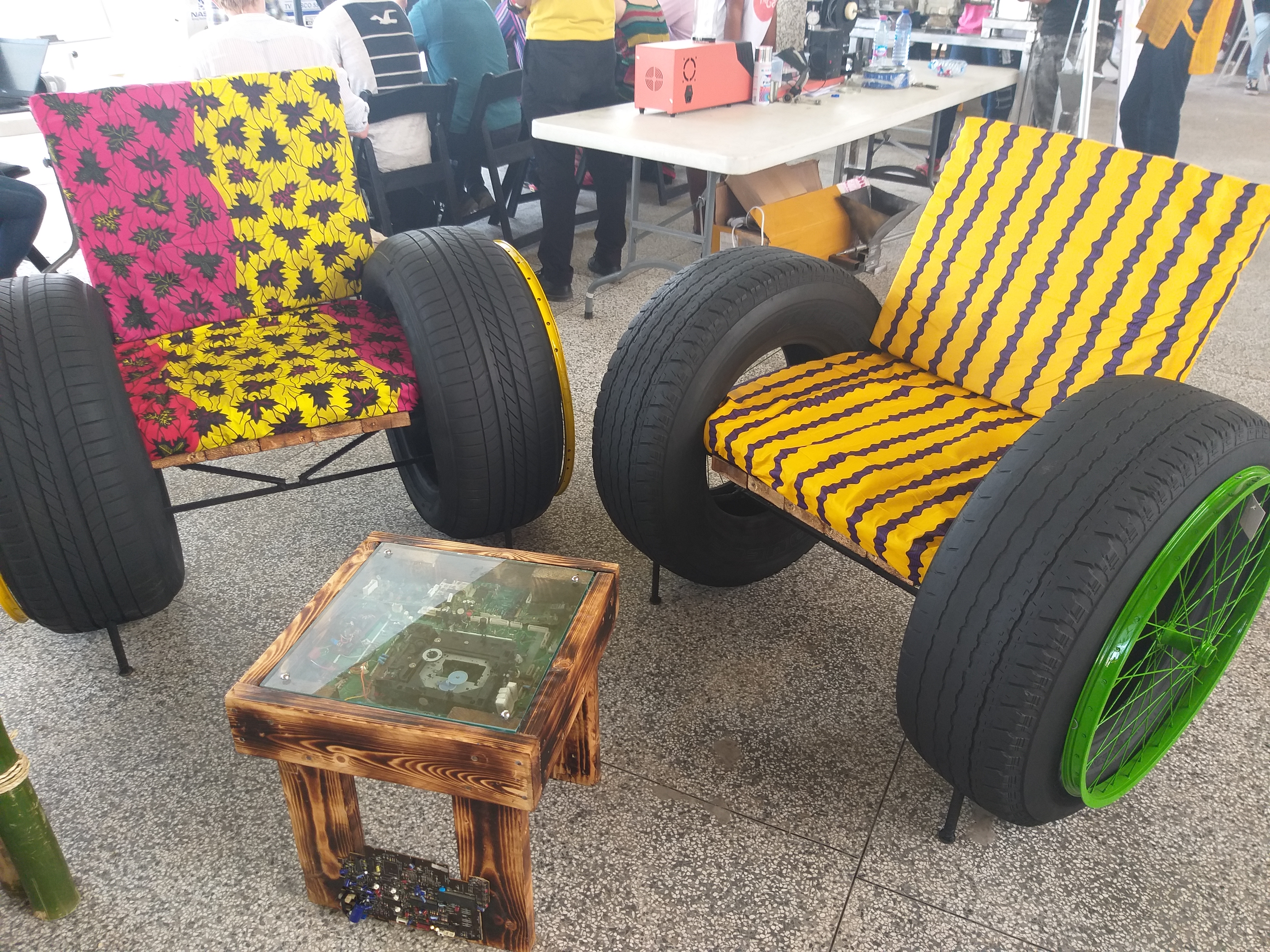
Once a tire has been processed into crumb rubber or refined powders, it enters the world of advanced material science. We are seeing a revolution in how these recycled materials are engineered into “smart” infrastructure and high-performance products.
Rubberized Asphalt and Smart Roads
One of the most innovative uses for old tires is the development of Rubberized Asphalt Concrete (RAC). While the concept has existed for years, the technology behind the binders and mixing processes has advanced significantly. Digital twin modeling and asphalt simulation software allow engineers to design road surfaces that are not only quieter and more durable but also safer in wet conditions.
Technologists are now experimenting with “Smart RAC,” which embeds micro-sensors and conductive carbon from tires into the road surface. These roads can potentially monitor traffic flow, detect structural failures, and even de-ice themselves through conductive heating. The old tire, once a discarded object, becomes a critical component of the digital city’s nervous system.
3D Printing with Recycled Elastomers
The cutting edge of tire recycling is found in Additive Manufacturing (3D printing). Traditionally, 3D printing with rubber-like materials was difficult due to the viscosity and curing requirements of elastomers. However, new techniques in “Direct Energy Deposition” and “Fused Granular Fabrication” are allowing manufacturers to use micronized rubber powder from old tires as a primary filament.
This enables the on-demand printing of industrial components, such as vibration dampeners, gaskets, and even athletic footwear soles. By digitizing the manufacturing process, we can take the material from a 10-year-old tire and turn it into a custom-engineered part within hours, bypassing traditional supply chains and reducing the carbon footprint of production.
Digital Security and the Transparent Supply Chain
As the value of recycled tire materials grows, so does the need for rigorous tracking and verification. The tech industry is addressing this through the implementation of “Digital Passports” for tires, utilizing Blockchain and IoT (Internet of Things) technologies.
Blockchain for Lifecycle Tracking
Major tire manufacturers are now embedding RFID (Radio Frequency Identification) tags directly into the tire’s structure during production. This tag creates a digital twin of the tire on a blockchain ledger. Throughout the tire’s life—from its first mile to its final retread—the data is recorded.
When the tire eventually reaches a recycling center, the facility can scan the RFID tag to see the tire’s entire chemical history and usage profile. This transparency is crucial for “Extended Producer Responsibility” (EPR) programs. It allows companies to prove to regulators and consumers that their old products were processed ethically and technologically, preventing “leakage” into illegal dumps or environmentally damaging incineration.
IoT and Predictive Maintenance
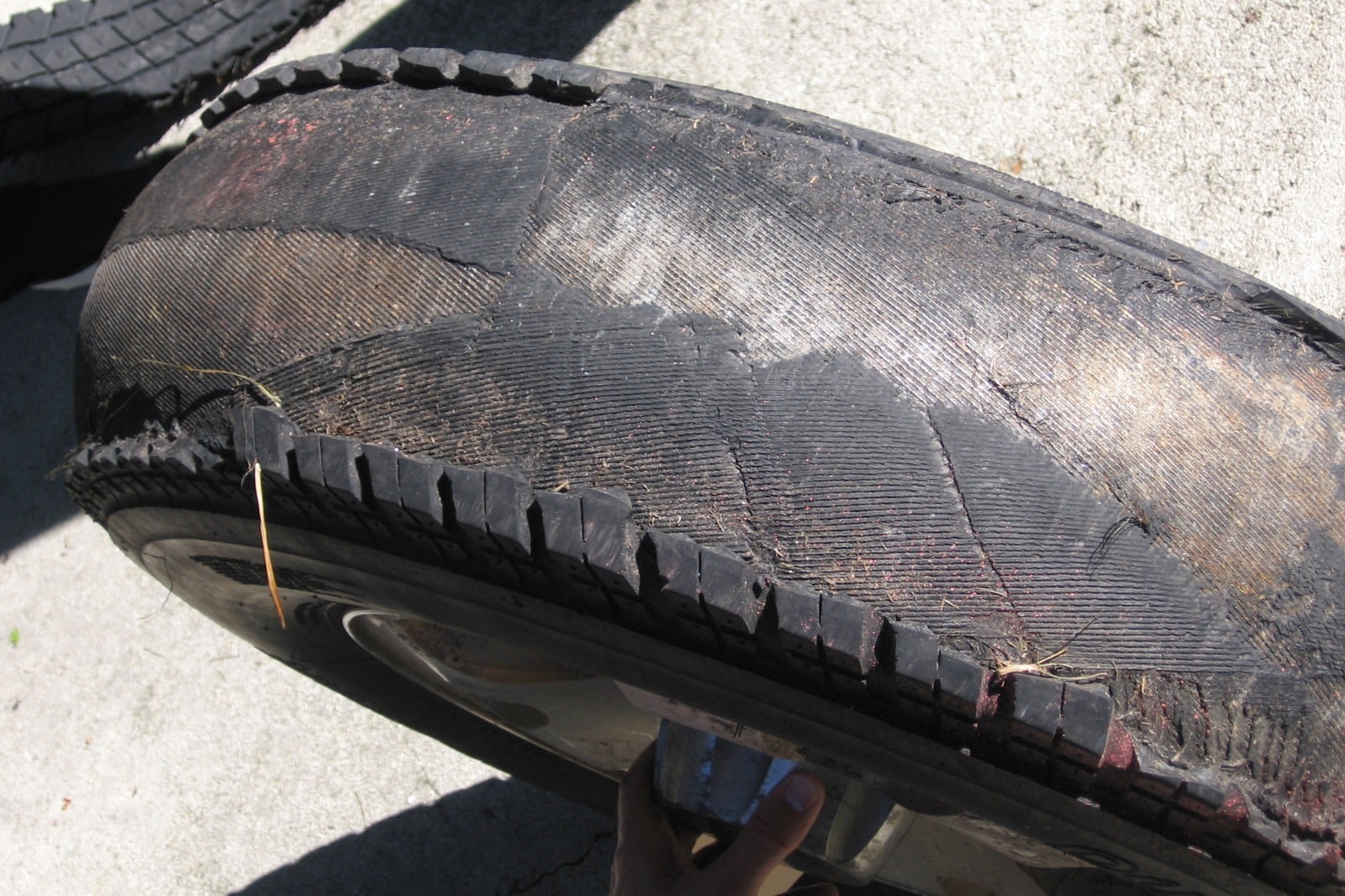
The best way to handle an old tire is to ensure it lasts as long as possible before it needs recycling. IoT-connected tire pressure monitoring systems (TPMS) and telematics are now standard in commercial fleets. These systems use cloud-based analytics to predict when a tire is at risk of failure or uneven wear. By using software to optimize tire pressure and rotation schedules, we can extend the life of a tire by up to 20%, effectively delaying the “old tire” stage and reducing the total technological burden on recycling infrastructure.
Conclusion: From Waste to High-Tech Asset
The transformation of what happens to old tires is a testament to the power of technological convergence. By combining the chemical precision of pyrolysis, the analytical power of AI-driven robotics, the innovation of 3D printing, and the security of blockchain tracking, the global community is finally solving the tire waste crisis.
We are moving toward a future where a tire is never truly “old”—it is merely in a different state of utility. Whether it is powering a city as synthetic gas, supporting a smart highway as rubberized asphalt, or returning to the road as a high-performance component, the scrap tire has become a cornerstone of the modern technological landscape. The journey of the tire from the rim to the reactor is no longer the end of the road; it is the beginning of a digital and material rebirth.
aViewFromTheCave is a participant in the Amazon Services LLC Associates Program, an affiliate advertising program designed to provide a means for sites to earn advertising fees by advertising and linking to Amazon.com. Amazon, the Amazon logo, AmazonSupply, and the AmazonSupply logo are trademarks of Amazon.com, Inc. or its affiliates. As an Amazon Associate we earn affiliate commissions from qualifying purchases.