
The global healthcare industry generates millions of tons of medical waste every year. From used syringes and soiled bandages to discarded surgical instruments and hazardous chemical byproducts, the “output” of our medical progress represents one of the most significant logistical and environmental challenges of the 21st century. Traditionally, the question of “what happens to medical waste” was answered with rudimentary solutions: incineration or deep-earth burial. However, as the volume of waste surges due to aging populations and global health crises, the sector is undergoing a massive digital and technological overhaul.
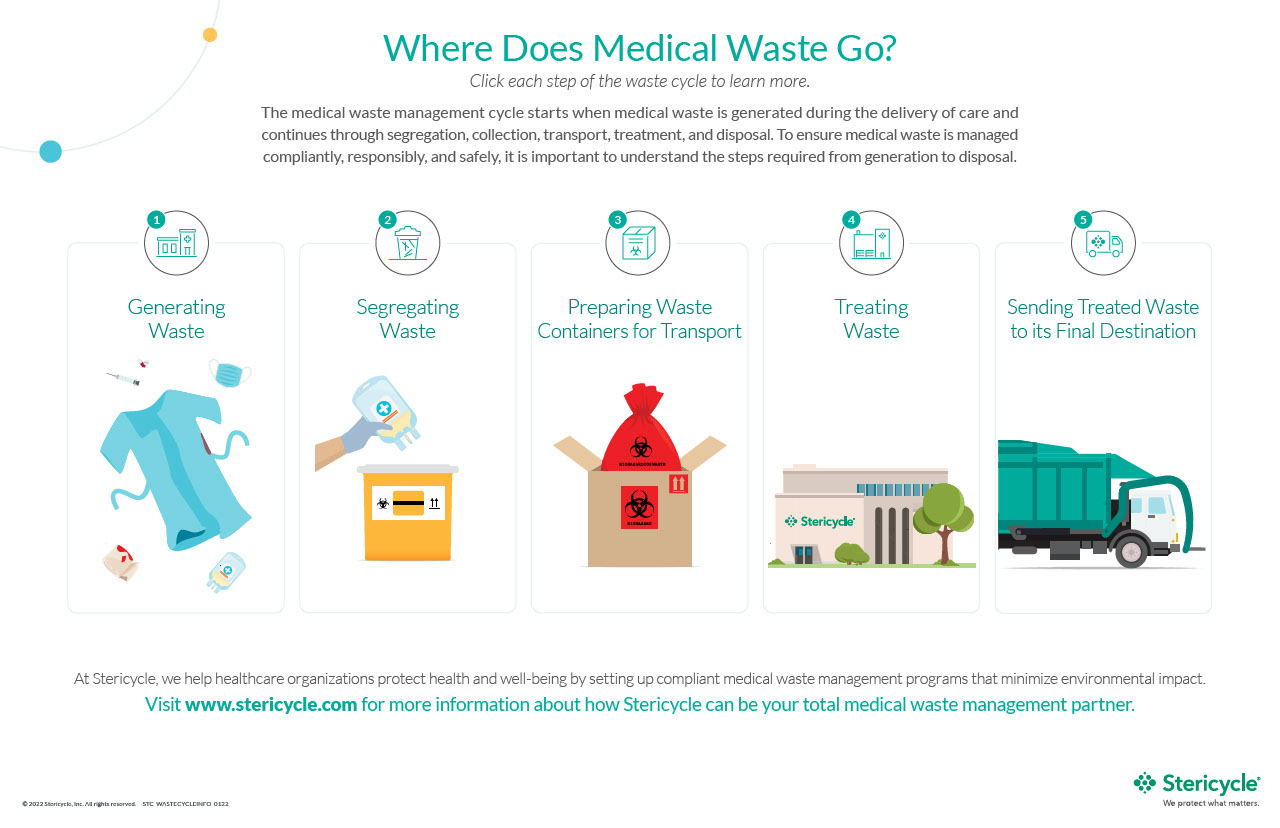
Today, the journey of medical waste is no longer a “black box” process. It is a high-tech pipeline powered by the Internet of Things (IoT), Artificial Intelligence (AI), and advanced materials science. Technology is transforming medical waste management from a burdensome cost center into a data-driven industry focused on safety, sustainability, and efficiency.
The Rise of Smart Disposal: IoT and the Real-Time Tracking Revolution
For decades, the tracking of medical waste relied on manual manifests—paper logs that were prone to human error and easily lost. In a modern healthcare facility, this has been replaced by an interconnected ecosystem of IoT devices that ensure every gram of hazardous material is accounted for from the moment it is generated.
Sensor-Enabled Containers and Geofencing
The first point of contact in the waste lifecycle is the disposal bin. Modern “smart bins” are now equipped with ultrasonic level sensors and Weight-on-Bit (WoB) technology. These sensors monitor how full a container is in real-time, sending alerts to facility managers when a bin reaches 80% capacity. This prevents the dangerous overflow of biohazardous materials and optimizes the collection route for waste management vehicles.
Furthermore, GPS and RFID (Radio Frequency Identification) tags are embedded into transport containers. These allow for “geofencing”—a technology that triggers an automated alert if a vehicle carrying medical waste deviates from its pre-approved route or enters a restricted zone. This level of oversight is critical for maintaining security and preventing the illegal dumping of hazardous materials.
Data Integrity and Regulatory Compliance Software
Compliance with healthcare regulations (such as OSHA in the US or the WFD in Europe) requires meticulous record-keeping. Tech-forward waste management companies now utilize specialized Software-as-a-Service (SaaS) platforms that integrate directly with a hospital’s Enterprise Resource Planning (ERP) system.
These platforms automatically generate “Certificates of Destruction” by pulling data directly from the tracking hardware. By digitizing the chain of custody, software eliminates the risk of regulatory fines and provides a transparent audit trail that can be accessed by health inspectors at the click of a button.
AI and Robotics in Pathological Waste Sorting
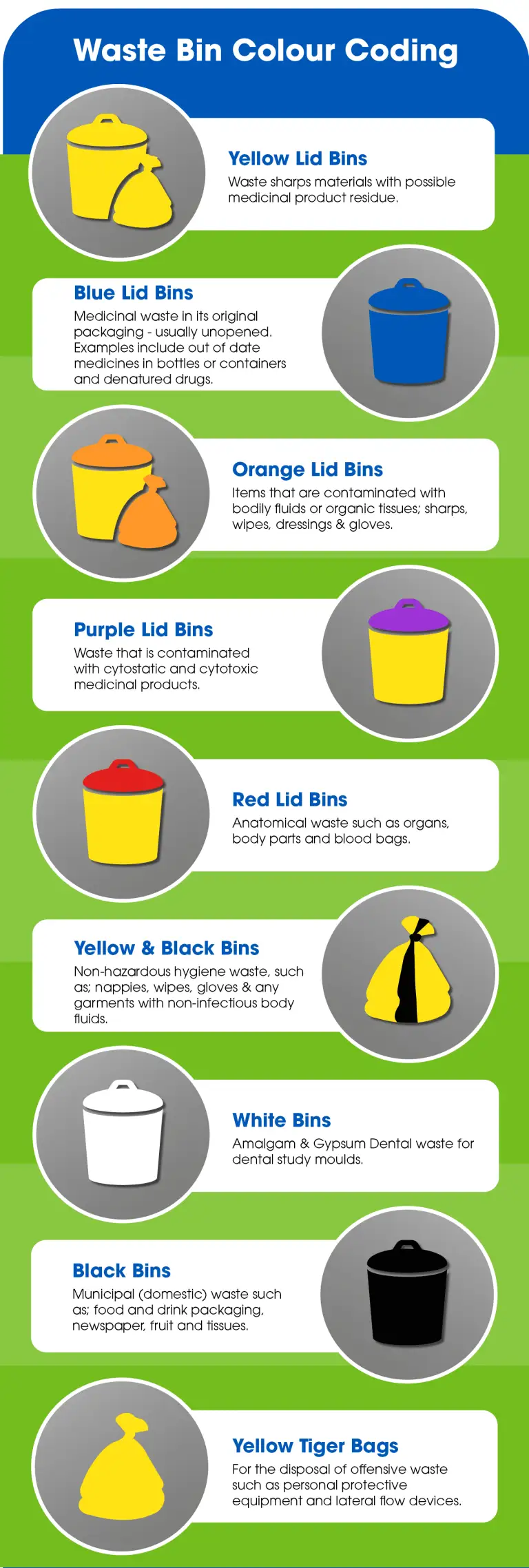
One of the most dangerous jobs in the world is the manual sorting of medical waste. The risk of needle sticks and exposure to bloodborne pathogens is a constant threat to sanitation workers. Technology is stepping in to remove the human element from this high-risk phase of the waste cycle.
Computer Vision for Hazardous Identification
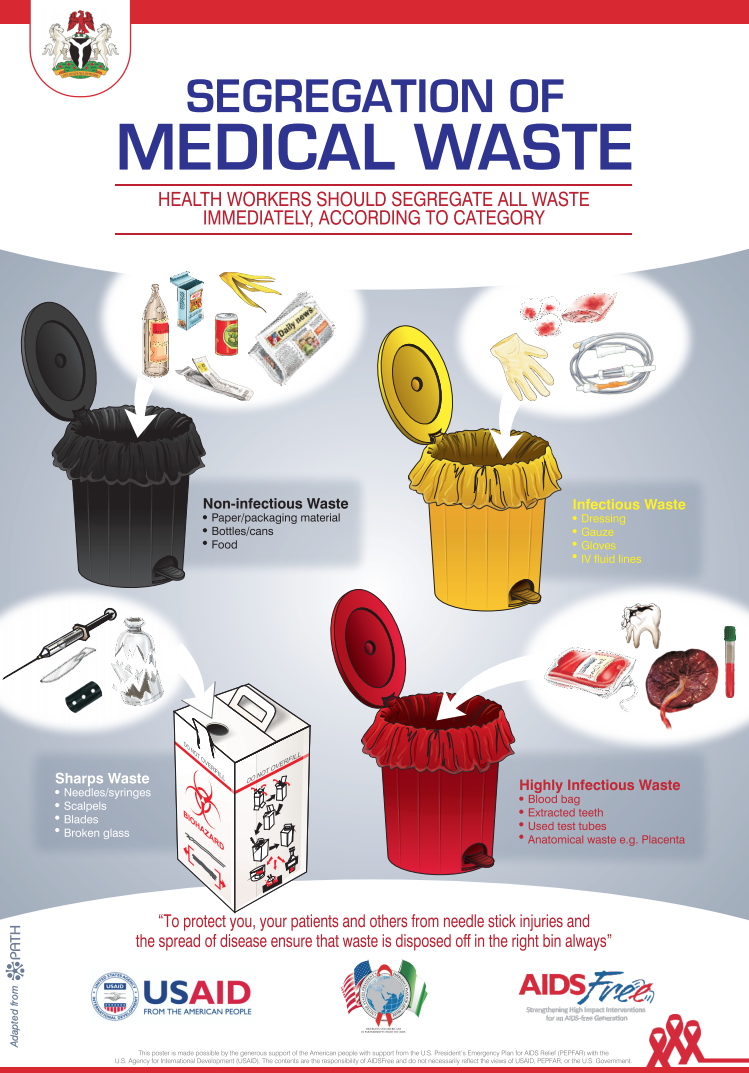
Artificial Intelligence, specifically deep learning and computer vision, is being deployed on conveyor belts at waste processing facilities. Using high-speed cameras, AI models can identify different types of waste—distinguishing between plastics, glass, and metals—even when they are contaminated or distorted.
These AI systems are trained on datasets containing millions of images of medical supplies. When a discarded scalpel or a specific type of pharmaceutical vial passes under the camera, the AI categorizes it in milliseconds, directing automated air jets or mechanical arms to sort the item into the appropriate stream for treatment.
Robotic Automation in High-Risk Environments
Collaborative robots, or “cobots,” are increasingly used in the sterilization and shredding stages of waste management. These robots can operate in environments that are toxic to humans, such as high-heat sterilization chambers or areas with high chemical vapor concentrations.
By automating the “decanting” process—where waste is moved from transport bins into treatment units—robotics significantly reduce the “Lost Time Injury” (LTI) rates for waste management firms. These machines are not just stronger than humans; they are more consistent, ensuring that every batch of waste is processed according to exact technological parameters.
Next-Gen Treatment Technologies: Moving Beyond Incineration
What actually happens to the waste once it is sorted? Historically, incineration was the gold standard, but it carries a heavy carbon footprint and releases toxic dioxins into the atmosphere. The tech sector has responded with advanced thermal and chemical engineering solutions that neutralize waste without burning it.
Advanced Steam Sterilization and Microwave Tech
Modern autoclaves have evolved into highly sophisticated, computer-controlled machines. Today’s large-scale medical autoclaves use vacuum-induced steam sterilization, where internal sensors precisely monitor temperature and pressure at every point in the chamber to ensure 100% microbial inactivation.
Furthermore, microwave technology is gaining traction. Unlike an autoclave, which heats from the outside in, industrial microwave units penetrate waste to vibrate water molecules, generating internal heat that destroys pathogens. This technology is often integrated into “shred-and-microwave” units, which turn recognizable medical waste into a sterile, unrecognizable fluff that can be safely disposed of in municipal landfills, or in some cases, recycled.
Plasma Gasification and Waste-to-Energy (WTE)
The cutting edge of medical waste technology is plasma gasification. This involves using a plasma torch to create temperatures exceeding 5,000°C. At these extreme temperatures, the molecular bonds of the waste break down.
The organic matter is converted into “syngas” (a mixture of hydrogen and carbon monoxide), which can be harvested and used as a clean energy source to power the facility. The inorganic matter (like metal and glass) melts and cools into a glass-like, non-leaching slag that can be used in construction. This represents the ultimate technological goal: turning hazardous medical liability into a functional energy asset.
The Future of Waste Management: Blockchain and Predictive Analytics
As we look toward the next decade, the integration of “Big Data” and decentralized ledgers will further refine how medical waste is handled. The goal is a “Circular Economy” where even medical waste is viewed through the lens of resource recovery.
Supply Chain Transparency via Distributed Ledgers
Blockchain technology is being piloted to create an unalterable “Digital Twin” for every batch of medical waste. Because a blockchain ledger is immutable, it prevents the falsification of disposal records—a significant issue in international waste trade. Every stakeholder, from the hospital administrator to the environmental regulator to the disposal technician, can verify the waste’s status on a shared, secure ledger. This transparency is the cornerstone of modern corporate social responsibility in the tech age.
Predictive Modeling for Scalable Resource Allocation
By applying predictive analytics to historical waste data, software can now forecast waste “surges.” For instance, during a flu outbreak or a vaccination campaign, AI models can predict the spike in “sharps” waste weeks in advance.
This allows waste management companies to scale their fleet and processing capacity dynamically. Instead of a “fixed schedule” for waste pickup, tech-enabled logistics use dynamic routing—much like a ride-sharing app—to ensure that waste is collected at the exact moment it is needed, reducing fuel consumption and operational overhead.
Conclusion: The Tech-Driven Path to a Cleaner Future
The question of “what happens to medical waste” no longer has a simple, manual answer. It is a complex narrative of digital oversight and mechanical precision. From the IoT sensors that monitor every bin to the AI that sorts hazardous materials and the plasma torches that vaporize pathogens, technology has become the primary safeguard for public health and environmental integrity.
As these technologies continue to mature and decrease in cost, we are moving toward a future where medical waste is no longer an ecological threat but a managed, digitized stream of data and energy. In the intersection of healthcare and technology, the smart management of waste is perhaps the most vital—yet invisible—innovation of our time.
aViewFromTheCave is a participant in the Amazon Services LLC Associates Program, an affiliate advertising program designed to provide a means for sites to earn advertising fees by advertising and linking to Amazon.com. Amazon, the Amazon logo, AmazonSupply, and the AmazonSupply logo are trademarks of Amazon.com, Inc. or its affiliates. As an Amazon Associate we earn affiliate commissions from qualifying purchases.