
For decades, the poultry industry has faced a profound logistical and ethical challenge: the fate of male chicks in the egg-production pipeline. Because male chicks of egg-laying breeds do not lay eggs and do not grow large enough to be viable for meat production, billions are culled shortly after hatching every year. However, a massive technological shift is currently underway. We are no longer looking at this as a simple agricultural byproduct issue, but as a complex challenge being solved through AgTech (Agricultural Technology), biotechnology, and artificial intelligence.
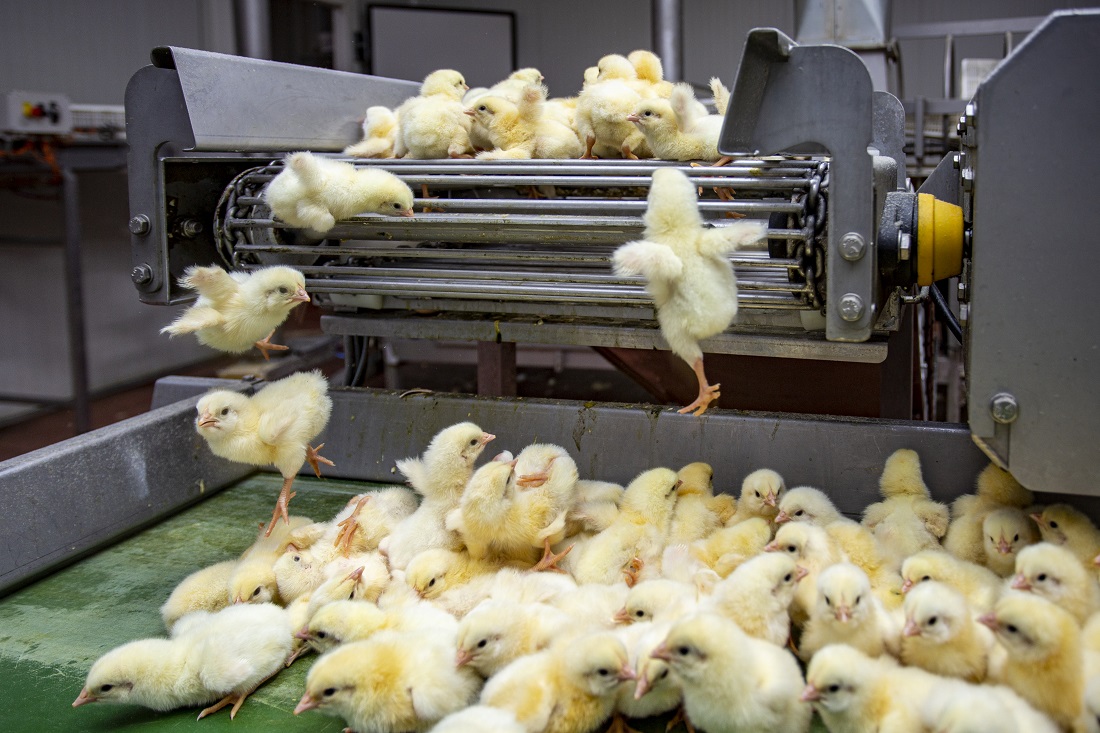
The transition from traditional culling to “in-ovo sexing” represents one of the most significant leaps in food technology this century. By leveraging high-speed sensors, gene editing, and advanced fluidics, the tech sector is providing the industry with a way to determine the sex of an embryo long before it hatches, effectively disrupting a decades-old practice.
The Technological Imperative: Why the Poultry Industry is Turning to AgTech
The drive to change what happens to male chicks is fueled by a convergence of regulatory pressure and technological capability. Until recently, the only way to determine a chick’s sex was through manual “vent sexing,” a labor-intensive process performed by highly trained specialists after the chick had already hatched. This “post-facto” approach created an enormous waste of energy, incubation space, and biological material.
The Shift from Manual Labor to Hyperspectral Imaging
The first wave of tech intervention involves moving away from human error and towards hyperspectral imaging. Modern hatcheries are beginning to integrate sensors that can “see” through the eggshell or use specialized light frequencies to detect the biological markers of a male versus a female embryo. This is not merely about efficiency; it is about data acquisition. By capturing high-resolution spectral data, AI algorithms can now predict the sex of an embryo with over 95% accuracy within seconds.
Data-Driven Efficiency and Resource Optimization
From a technical standpoint, the traditional system is inefficient. Incubating billions of eggs that will never reach maturity is a waste of thermal energy and space. AgTech solutions allow hatcheries to become “smart” facilities. By identifying male eggs early, facilities can redirect those resources toward other uses—such as high-protein pet food or vaccine production—well before the embryo develops into a sentient being. This optimization is a prime example of how digital transformation is hitting the most traditional sectors of our economy.
In-Ovo Sexing: The Cutting Edge of Avian Biotech
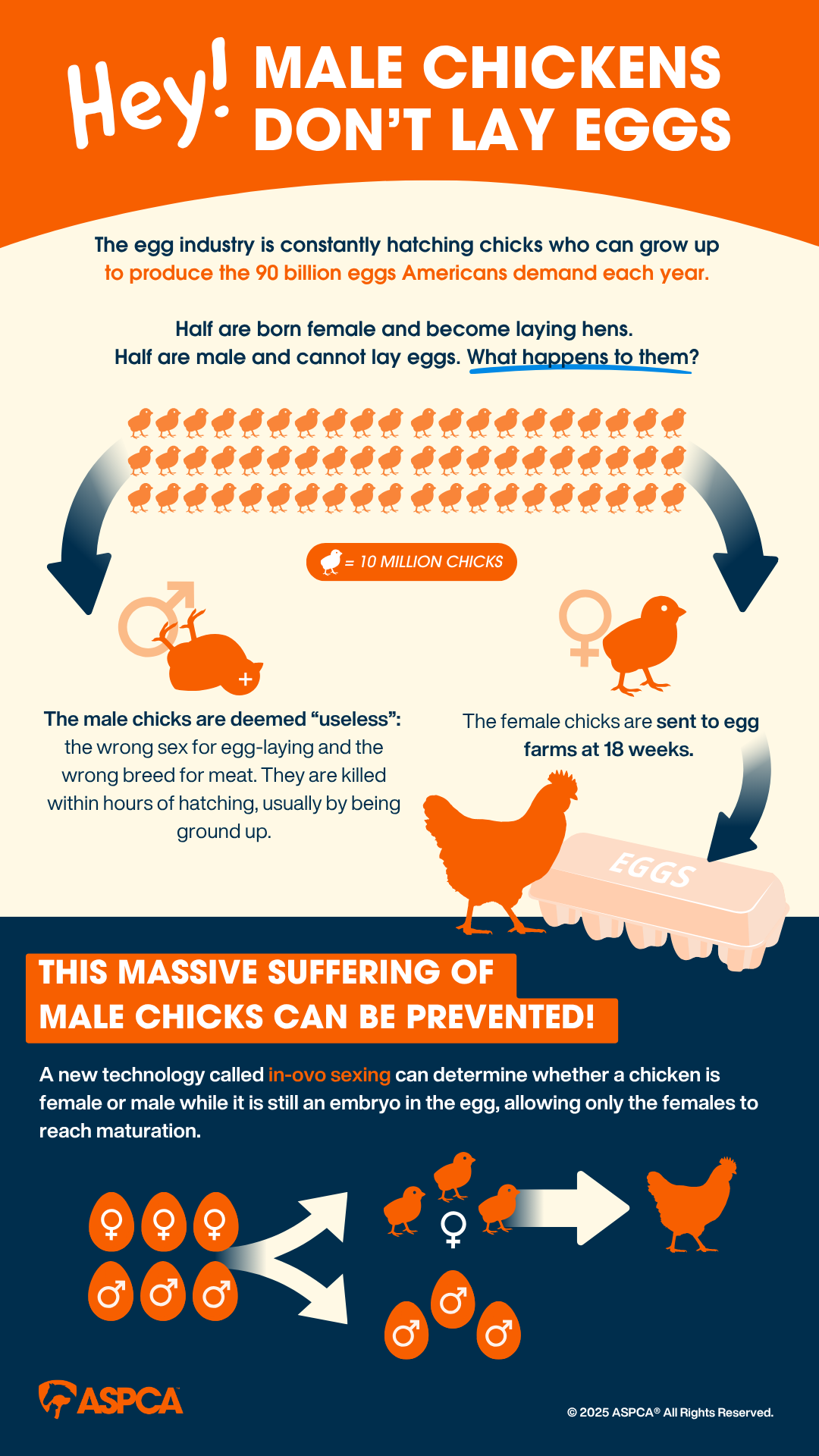
The most promising technological frontier is “in-ovo sexing”—the ability to determine sex inside the egg. This field is currently a hotbed of venture capital and engineering innovation, with several competing technologies vying for global dominance.
Fluid Extraction and Biochemical Analysis
One leading tech solution involves a process similar to amniocentesis in humans. Using high-speed robotics, a microscopic needle creates a tiny hole in the eggshell to extract a droplet of allantoic fluid. This fluid is then analyzed by a patented biochemical marker that reacts to estrone sulfate, a hormone present only in female embryos. The entire process—from sampling to results—happens in under a second. The tech challenge here is maintaining a sterile environment at a massive scale; a single machine must process up to 3,000 eggs per hour without cross-contaminating the samples.
Non-Invasive Laser Spectroscopy
To avoid the risks of infection associated with physical sampling, tech companies are developing non-invasive methods using Raman spectroscopy. This technology involves shining a laser through the shell and analyzing the “backscatter” of light. Because male and female DNA reflect light differently, the system’s software can identify the sex without ever touching the embryo. This is a triumph of optical engineering and signal processing, requiring incredibly sensitive sensors to filter out the “noise” of the eggshell itself.
MRI and AI-Driven Embryo Analysis
Beyond light and chemistry, some startups are experimenting with Magnetic Resonance Imaging (MRI). While traditionally too slow and expensive for industrial use, new “low-field” MRI units coupled with specialized AI are becoming fast enough to scan egg trays in real-time. The AI identifies physiological differences in the developing circulatory systems of male and female embryos. This hardware-software integration represents the “heavy tech” end of the spectrum, moving hatchery management into the realm of medical-grade diagnostics.
Gene Editing and CRISPR: Engineering a Solution from the Start
While in-ovo sexing addresses the egg once it is laid, the next frontier of tech focuses on the genetics of the birds themselves. CRISPR-Cas9 and other gene-editing tools are being utilized to create “biological solutions” that prevent the male chick problem from arising in the first place.
The Fluorescence Method
One of the most notable breakthroughs in avian biotech is the development of gene-edited hens that produce “marker” eggs. By inserting a specific gene that reacts to UV light into the Z chromosome (the sex-determining chromosome in birds), scientists have created embryos where males glow under a certain light frequency while females do not. This allows for automated, high-speed sorting via simple optical sensors. The technology is elegant in its simplicity once implemented, but it relies on the absolute cutting edge of genomic sequencing.
The “Female-Only” Genetic Switch
Advanced research is also looking into “lethal genes” that are triggered by specific environmental factors, such as light or temperature. In this scenario, male embryos simply stop developing at the very earliest stages of incubation due to a genetic switch, while females develop normally. This would eliminate the need for expensive sorting machinery altogether, embedding the “technology” directly into the bird’s DNA.
Navigating the Regulatory and Bio-Tech Landscape
The primary hurdle for these genetic technologies isn’t the science—it’s the “Tech-to-Market” pipeline. Regulatory bodies in the EU and North America have strict rules regarding Genetically Modified Organisms (GMOs). Therefore, the tech sector is currently engaged in a massive effort to prove the safety and stability of these edits. This involves extensive bioinformatics and longitudinal studies to ensure that the gene edits do not affect the quality of the eggs or the health of the hens.
Integrating AI and Robotics into Hatchery Workflows
The hardware that carries out these biological tests is just as important as the science behind them. The modern hatchery is becoming a hub of industrial robotics and Internet of Things (IoT) connectivity.
Automated Sorting and Precision Robotics
Once a technology (like spectroscopy or fluid analysis) identifies an egg as male, it must be removed from the production line without damaging the remaining female eggs. This requires high-precision delta robots—the kind used in semiconductor manufacturing—capable of moving with extreme speed and delicacy. These robots are integrated into the hatchery’s overarching Management Information System (MIS), providing real-time data on fertility rates, sex ratios, and incubator performance.
Machine Learning for Predictive Maintenance
Hatcheries operate 24/7, and any downtime can result in the loss of thousands of lives and millions of dollars. As such, these facilities are implementing AI-driven predictive maintenance. Sensors on the sexing machines monitor motor heat, vibration, and laser calibration. Machine learning models analyze this data to predict when a component is likely to fail, allowing technicians to intervene before a breakdown occurs. This is the same “Industry 4.0” tech seen in smart factories globally, now being applied to solve the male chick dilemma.
The Future Landscape: Scalability and the Global Tech Shift
As we look toward the end of the decade, the question is no longer if technology will replace culling, but how fast it can scale. The challenge for the tech sector is to make these solutions affordable for small-scale farmers as well as industrial giants.
Overcoming Cost Barriers through Tech-as-a-Service
Currently, in-ovo sexing machines are expensive capital investments. To accelerate adoption, many tech companies are moving toward a “Tech-as-a-Service” (TaaS) model. Instead of buying the machine, hatcheries pay a per-egg fee for the sexing service. This lowers the barrier to entry and ensures that the tech providers are incentivized to keep the hardware running at peak efficiency. It is a software-industry business model applied to a biological problem.
The Path to a Tech-Driven, Culling-Free Industry
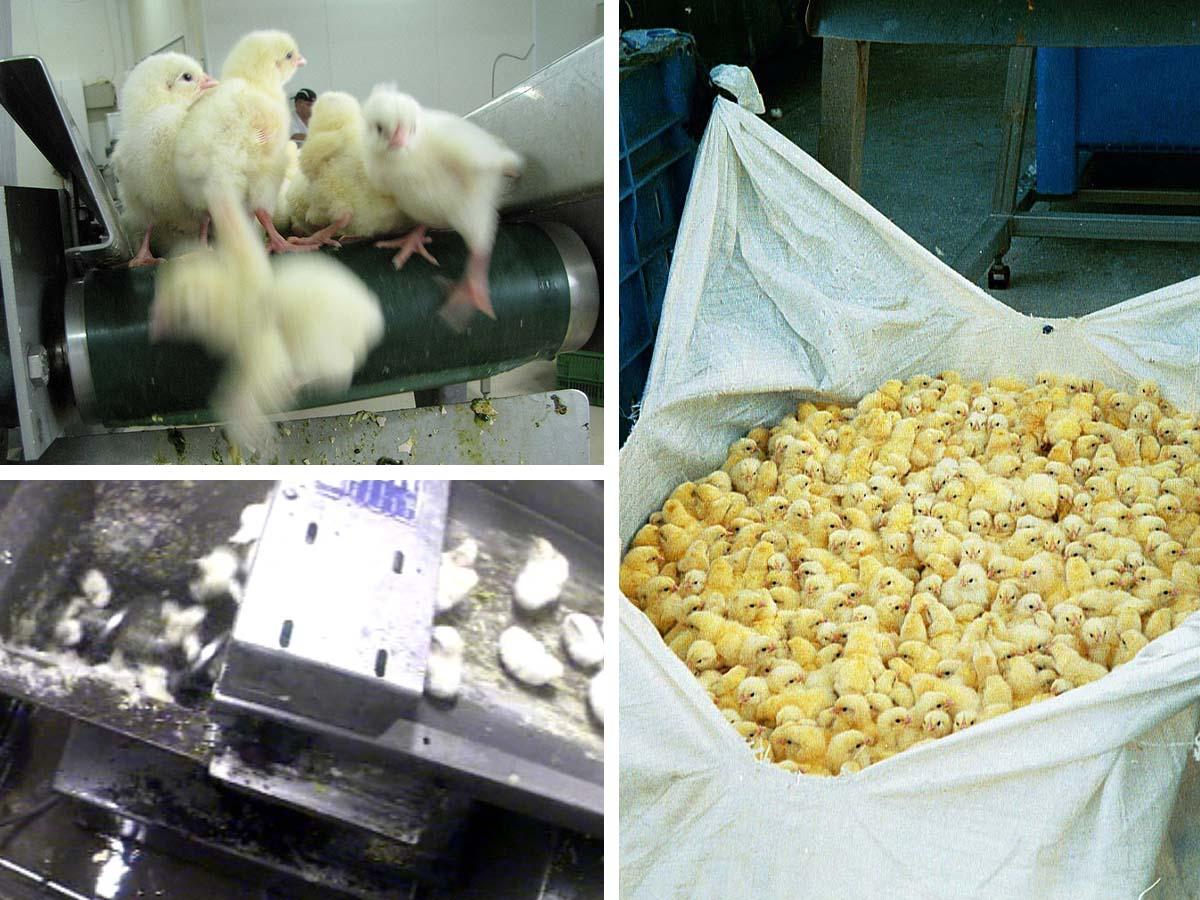
The ultimate goal is a fully automated, transparent, and ethical supply chain. As AI continues to improve and the cost of sensors drops, we can expect in-ovo sexing to become a standard feature of every hatchery worldwide. The story of what happens to male chicks is being rewritten—not by policy alone, but by the relentless march of technological innovation. By merging the digital and the biological, we are creating a future where the poultry industry is not only more efficient and profitable but also fundamentally more humane.
aViewFromTheCave is a participant in the Amazon Services LLC Associates Program, an affiliate advertising program designed to provide a means for sites to earn advertising fees by advertising and linking to Amazon.com. Amazon, the Amazon logo, AmazonSupply, and the AmazonSupply logo are trademarks of Amazon.com, Inc. or its affiliates. As an Amazon Associate we earn affiliate commissions from qualifying purchases.