
In the landscape of global intellectual property, few assets carry the psychological weight and commercial gravity of the Joker. Following the 2008 release of Christopher Nolan’s The Dark Knight, the character was no longer just a comic book antagonist; it had become a cultural phenomenon and a cornerstone of the Warner Bros. and DC brand portfolio. However, the tragic passing of Heath Ledger and the definitive nature of his performance left the brand at a precarious crossroads.
What happens to a brand when its most successful iteration becomes its biggest obstacle? This article analyzes the strategic evolution of the Joker brand post-The Dark Knight, examining how a corporate entity manages a “legacy asset” that is simultaneously beloved, controversial, and difficult to replicate.
The Brand Equity of an Icon: Post-Ledger Challenges
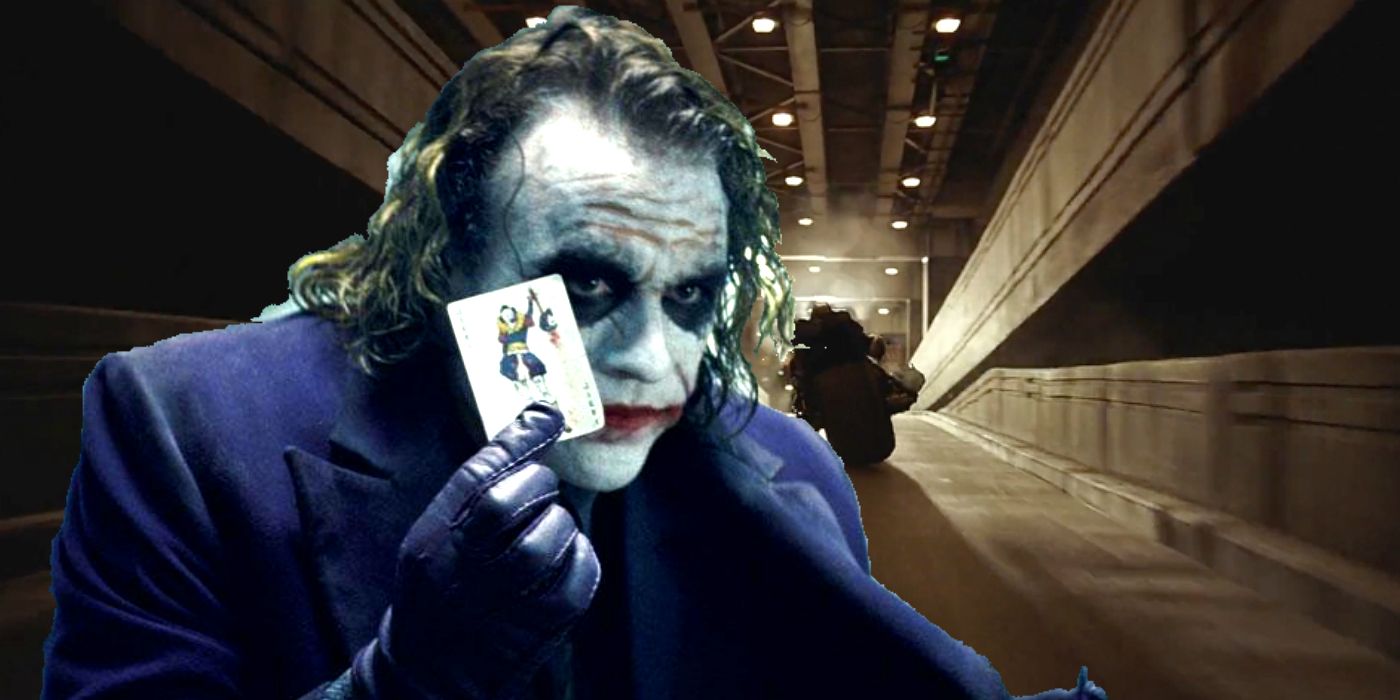
When The Dark Knight concluded, the Joker brand had reached its zenith. Ledger’s portrayal moved the character into the realm of prestige cinema, earning a posthumous Academy Award and setting a new standard for “gritty realism” in superhero marketing. For the brand managers at DC and Warner Bros., the challenge was twofold: how to honor the artistic legacy of the performance while ensuring the character remained a viable, profit-generating asset for future installments.
The “Definitive Version” Dilemma
In brand strategy, the “definitive version” dilemma occurs when a specific product or iteration becomes so synonymous with the brand identity that consumers reject any subsequent changes. After 2008, the Joker brand was inextricably linked to Ledger’s aesthetic—the smeared face paint, the nurse’s outfit, and the chaotic philosophical nihilism. For nearly a decade, any attempt to move the brand forward was met with the “Ledger Benchmark.” Strategically, the brand was stuck. If they copied Ledger, they were unoriginal; if they changed him, they were “disrespecting the source.”
Protecting the Intellectual Property’s Integrity
Managing a brand like the Joker requires a delicate balance between overexposure and scarcity. Following The Dark Knight, the brand entered a period of strategic hibernation. By limiting the character’s appearances in mainstream cinema for several years, the brand managers allowed the “market” to reset. This scarcity created a vacuum of anticipation. Protecting the integrity of the IP meant resisting the urge to immediately recast for a quick sequel, instead focusing on high-value secondary markets like the Arkham video game series, which maintained brand relevance without the direct comparison of a live-action performance.
Pivoting the Narrative: From Supporting Villain to Solo Powerhouse
By the mid-2010s, the strategy shifted. The brand could no longer survive as a secondary “foil” to Batman; it needed to be repositioned as a standalone entity capable of carrying its own narrative weight. This transition from “Supporting Antagonist” to “Lead Protagonist” is a masterclass in brand expansion.
The Shift in Market Positioning
The traditional positioning of the Joker was as a reactionary force—he existed only because Batman existed. To evolve the brand after The Dark Knight, marketers began to position the Joker as a symbol of societal disillusionment. This was a move toward a more “adult” or “mature” brand category. By decoupling the Joker from the standard superhero tropes, the brand was able to appeal to a wider demographic, including those who do not typically consume comic book media. The brand became less about “supervillainy” and more about “psychological exploration.”

Diversifying the Product: The Multiverse Strategy
One of the most effective brand strategies employed was the adoption of the “Multiverse” concept. In corporate terms, this is a product diversification strategy. By allowing different versions of the Joker to exist simultaneously—the campy version in animation, the gritty version in games, and the experimental versions in film—the owners mitigated the risk of a single “failed” iteration destroying the entire brand value. If one version (such as the divisive Jared Leto portrayal) didn’t resonate with the core audience, the brand equity was protected by the existence of other, more popular versions in other media.
Brand Resurrection and Risk Management
The most significant post-Dark Knight milestone was the 2019 solo film Joker. This project represented a radical departure from established corporate identity and a calculated risk in brand management.
Case Study: The Suicide Squad Aesthetic (A Failed Rebrand?)
Before the 2019 success, 2016’s Suicide Squad attempted a “street-style” rebrand of the Joker. This iteration focused on “Gen Z” aesthetics: tattoos, neon lights, and a “gangster” persona. From a marketing perspective, this was an attempt to modernize the brand for a younger, more fashion-conscious audience. However, the market reaction was lukewarm. The brand had strayed too far from its core identity of “intellectual chaos” into “visual kitsch.” This served as a vital lesson in brand strategy: visual modernization cannot replace the core values of the IP.
The Joaquin Phoenix Pivot: Prestige Branding
Recognizing the failure of the “pop-star” Joker, the brand managers pivoted back to “prestige branding” with Joaquin Phoenix. This move was a strategic callback to the Ledger era but with an even more grounded, R-rated approach. By marketing Joker (2019) as a “character study” rather than a “comic book movie,” the brand successfully entered the “Art House” market. This repositioning was incredibly lucrative, proving that the brand could generate $1 billion in revenue without the traditional “action movie” marketing budget, provided it maintained a high level of perceived artistic quality.
Lessons in Long-Term Brand Sustainability
The journey of the Joker brand after The Dark Knight offers several insights for brand managers and corporate strategists. It demonstrates that a brand can survive the loss of its most iconic “spokesperson” if it is willing to reinvent its core value proposition.
Emotional Connection vs. Commercial Saturation
The Joker brand thrives on an emotional connection with the audience’s darker curiosities. After The Dark Knight, the brand risked becoming a caricature. To maintain sustainability, the managers focused on “re-mystifying” the character. They moved away from origin stories (at first) and focused on the impact of the character. Sustainability in branding often requires pulling back when the market feels saturated. By not including the Joker in every DC film, the “brand reveal” remains a high-value event.
The Future of the Joker Identity
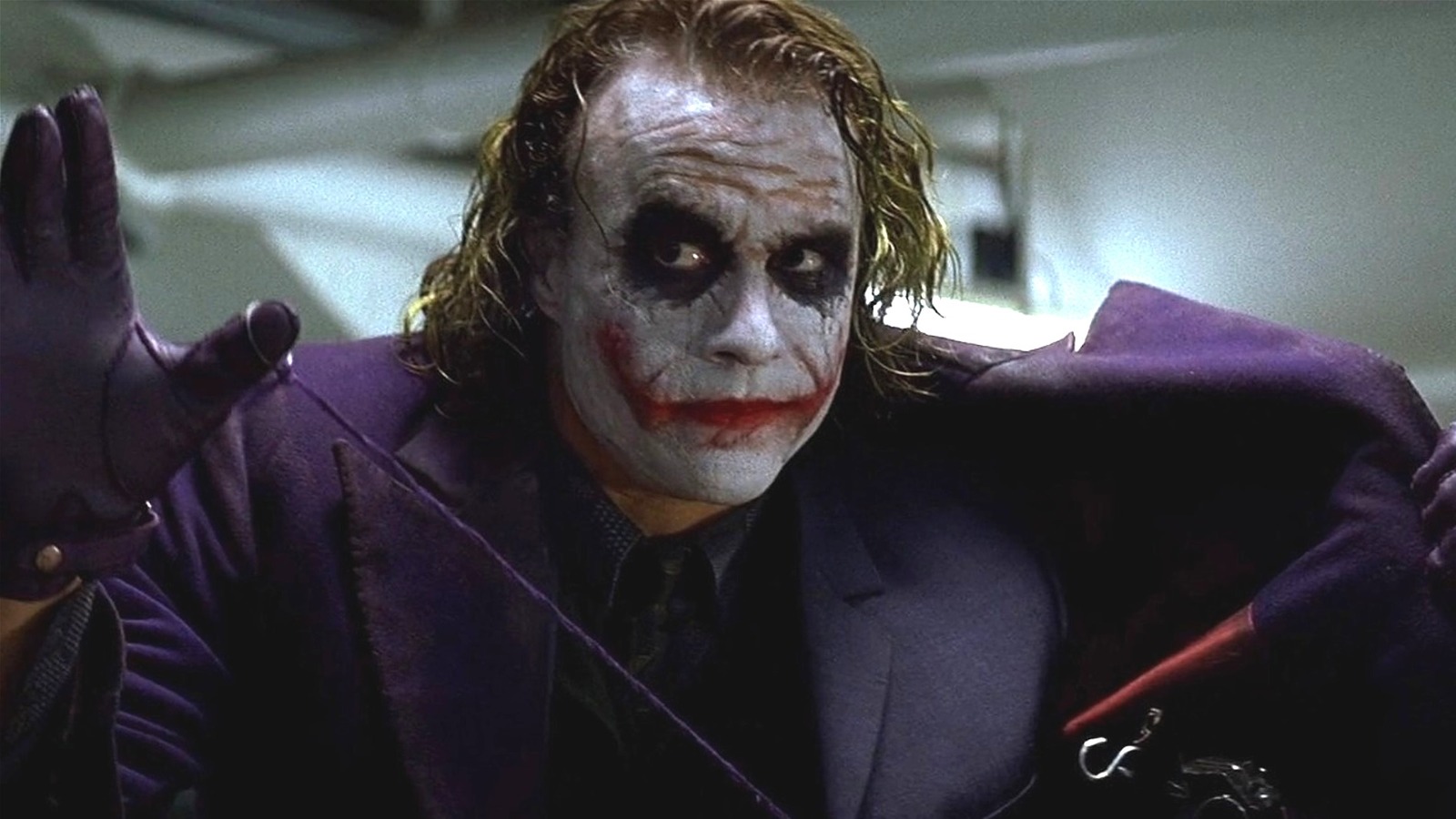
As we look toward the future, the Joker brand is now fragmented into several high-value “sub-brands.” We have the “Todd Phillips/Joaquin Phoenix” prestige brand, the “Matt Reeves/Barry Keoghan” horror-adjacent brand, and the “legacy” comic book brand. This is a “House of Brands” strategy, where each iteration serves a specific market segment.
The strategy post-The Dark Knight has been one of survival through diversification. The brand didn’t just move on from Heath Ledger; it used the void he left to create a more complex, multi-faceted identity that could accommodate multiple interpretations. The Joker is no longer just a character; it is a flexible brand framework that can be adapted to reflect the anxieties and cultural shifts of any given era.
In conclusion, what happened to the Joker after The Dark Knight was a transition from a singular, fixed identity into a versatile corporate asset. Through careful market positioning, risk-taking in prestige cinema, and a refusal to be pinned down to a single aesthetic, the Joker has remained one of the most valuable and resilient brands in the global entertainment industry. The “Chaos” of the Joker is now a highly organized, multi-billion dollar strategic success.
aViewFromTheCave is a participant in the Amazon Services LLC Associates Program, an affiliate advertising program designed to provide a means for sites to earn advertising fees by advertising and linking to Amazon.com. Amazon, the Amazon logo, AmazonSupply, and the AmazonSupply logo are trademarks of Amazon.com, Inc. or its affiliates. As an Amazon Associate we earn affiliate commissions from qualifying purchases.