
The Free Application for Federal Student Aid (FAFSA) is a cornerstone of higher education accessibility in the United States. It’s the gateway for millions of students to access federal grants, loans, and work-study programs that make college affordable. But what would happen to this vital system if the Department of Education (ED) were no longer involved? This hypothetical scenario, while unlikely given the ED’s statutory role, prompts a crucial exploration of the implications for students, institutions, and the broader financial landscape of higher education. To understand the potential fallout, we must dissect the ED’s multifaceted involvement with FAFSA and consider the alternative pathways and challenges that would emerge.
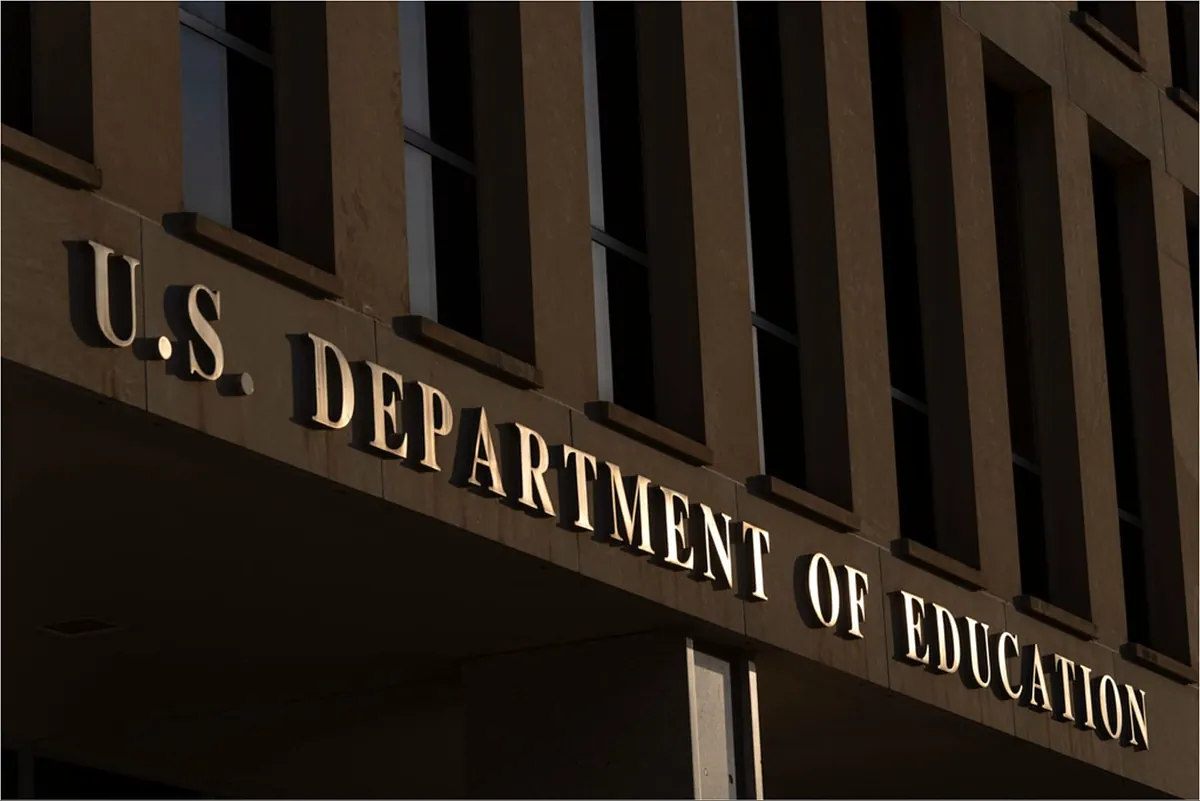
The Multifaceted Role of the Department of Education in FAFSA
The Department of Education’s role in FAFSA is not merely administrative; it’s foundational and expansive, encompassing regulatory oversight, financial disbursement, data management, and policy development. Without this central authority, the entire ecosystem of federal student aid would face an existential crisis.
Regulatory Authority and Standardization
The ED is the primary entity responsible for establishing the rules, guidelines, and eligibility criteria for federal student financial aid programs. This includes defining what constitutes “financial need,” setting income protection allowances, and determining award formulas.
Defining Eligibility and Aid Formulas
The FAFSA form itself is designed and administered by the ED. Its questions are meticulously crafted to gather the necessary financial and demographic information to calculate a student’s Expected Family Contribution (EFC), which is then used to determine their eligibility for various aid programs like Pell Grants, federal student loans (Direct Subsidized, Unsubsidized, and PLUS loans), and Federal Work-Study. Without the ED’s regulatory authority, there would be no standardized method for assessing financial need or calculating these crucial aid amounts. This would lead to a chaotic environment where each institution or potential administering body might develop its own, potentially disparate, criteria.
Ensuring Compliance and Preventing Fraud
The ED also plays a critical role in ensuring that institutions and students comply with federal student aid regulations. This involves audits, investigations, and the enforcement of policies to prevent fraud and abuse. Without the ED’s oversight, the mechanisms for ensuring accountability would be significantly weakened, potentially opening the door to increased risks of financial impropriety and exploitation. The integrity of the entire system would be compromised.
Financial Disbursement and Management
Perhaps the most direct and tangible role of the ED is the disbursement of federal student aid funds. Billions of dollars flow annually from the U.S. Treasury through the ED to students, facilitated by the FAFSA application process.
Direct Funding to Students and Institutions
The ED is the source of federal Pell Grants, which do not need to be repaid, and the guarantor of federal student loans. It manages the intricate systems that transfer these funds to students, either directly or through their educational institutions. Without the ED, the direct pipeline of federal funding would cease to exist. This would leave a gaping hole in the financial support available to a vast number of students who rely on this aid to afford college.
Managing Loan Programs and Servicing
Beyond grants, the ED manages the federal student loan portfolio. This includes originating new loans, servicing existing ones, and providing programs for repayment and loan forgiveness. The intricate infrastructure for loan servicing, default management, and borrower support is all managed under the ED’s purview. Its absence would necessitate the creation of entirely new systems, potentially involving private entities, with unknown implications for borrower protections and costs.
Data Management and Reporting
The FAFSA process generates an enormous amount of sensitive financial and personal data. The ED is responsible for securely collecting, storing, and processing this data, as well as using it for policy analysis and reporting.
Protecting Student Information
The ED employs robust data security protocols to protect the millions of student records it manages. Without the ED, the responsibility for safeguarding this highly sensitive information would fall to a different entity or entities. The transition process and the subsequent management of such a vast dataset would present significant cybersecurity challenges and raise questions about data privacy and access.
Informing Policy and Program Improvement
The data collected through FAFSA is invaluable for understanding trends in higher education affordability, student financial needs, and the effectiveness of federal aid programs. The ED uses this data to inform policy decisions, identify areas for improvement, and allocate resources effectively. Without this central data repository and analytical capacity, evidence-based policymaking in student aid would be severely hampered.
Potential Alternatives and Their Challenges
In a hypothetical scenario where the Department of Education is no longer involved in FAFSA, various alternative models could emerge, each presenting its own set of significant challenges and requiring substantial innovation in the financial aid landscape.
A Decentralized System: State-Based or Institutional Administration

One possible alternative would be a shift towards a more decentralized system, where states or individual educational institutions take on greater responsibility for administering student financial aid.
State-Level Initiatives
Some states already have their own robust financial aid programs and application processes that complement federal aid. In the absence of the ED, states could expand these programs and potentially create their own standardized application systems. However, this would lead to a patchwork of different aid programs, eligibility requirements, and application deadlines across the country. Students would face increased complexity in navigating the application process, and disparities in aid availability would likely widen between states with more resources and those with fewer. Ensuring equitable access across all states would be a monumental challenge.
Institutional Autonomy
Colleges and universities could also increase their reliance on internal financial aid offices and private scholarship foundations. Institutions might develop their own needs-assessment tools and award aid based on their own budgets and priorities. While this could lead to more tailored aid packages for some students, it would also exacerbate existing inequalities. Institutions with larger endowments and greater financial resources would be able to offer more substantial aid, potentially creating a two-tiered system where access to quality education is heavily influenced by the wealth of the institution rather than the financial need of the student. The lack of a federal baseline would make nationwide comparisons and understanding of student aid trends nearly impossible.
Private Sector Involvement: Non-Profits and For-Profit Companies
The private sector, through non-profit organizations or for-profit companies, could also step in to fill the void left by the Department of Education.
Non-Profit Consortia
Non-profit organizations, perhaps formed as consortia of educational institutions or advocacy groups, could potentially develop and manage a unified application system. These entities could be mission-driven, aiming to ensure equitable access to education. However, they would require substantial funding and a mandate to operate with a level of standardization comparable to the ED. The challenge would be in securing broad buy-in from diverse stakeholders and establishing a governance structure that is both effective and accountable to the public interest.
For-Profit Administration
For-profit companies might offer technological solutions and administrative services to manage student aid applications and disbursements. This could lead to increased efficiency and innovation in the application process, but it also raises significant concerns. Profit motives could potentially conflict with the goal of equitable student aid. Questions about data privacy, security, and the potential for increased costs passed on to students or institutions would need careful consideration. Furthermore, a purely for-profit approach might lack the inherent public service mandate that guides the Department of Education.
The Broader Financial Implications for Students and the Economy
The absence of the Department of Education’s role in FAFSA would have profound and far-reaching financial implications, not only for individual students but also for the broader U.S. economy. The current system, with all its imperfections, provides a critical scaffolding for economic mobility and workforce development.
Impact on Student Debt and Affordability
FAFSA is directly linked to the availability of federal student loans, which are a primary source of funding for many students who cannot afford college out-of-pocket. Without the ED’s management of these loan programs, the landscape of student debt would dramatically change.
Increased Reliance on Private Loans
In the absence of federal loans, students would likely face greater reliance on private student loans. These loans typically come with higher interest rates, fewer borrower protections, and less flexible repayment options compared to federal loans. This could lead to a significant increase in the overall cost of higher education for students and a potential surge in student loan defaults, with cascading negative effects on individual financial well-being and the broader economy. The affordability crisis in higher education would likely be exacerbated.
Reduced Access to Grants and Work-Study
Federal Pell Grants and Federal Work-Study programs are crucial for low-income students. These grants are need-based and do not require repayment, providing a vital lifeline to educational opportunities. If the ED were no longer involved, the future of these programs would be uncertain. Their discontinuation or significant reduction would disproportionately affect students from disadvantaged backgrounds, limiting their ability to pursue higher education and pursue upward economic mobility. This would have long-term consequences for social equity and economic diversity.
Economic Mobility and Workforce Development
Higher education is a key driver of economic mobility and a crucial component of a skilled workforce. FAFSA plays a significant role in ensuring that talent from all socioeconomic backgrounds can access the education necessary to contribute to the economy.
Hindering Talent Development
By making college more affordable and accessible, FAFSA helps to unlock the potential of a diverse talent pool. If FAFSA were to disappear or become significantly less effective, many capable students would be priced out of higher education. This would mean a loss of potential innovators, entrepreneurs, skilled workers, and leaders across all sectors of the economy. The nation’s ability to compete globally and address complex societal challenges would be diminished.

Long-Term Economic Growth
Investing in education is a long-term investment in economic growth. By enabling more individuals to obtain degrees and acquire specialized skills, FAFSA contributes to a more productive and innovative workforce. The ripple effects of reduced access to higher education would extend to lower tax revenues, increased reliance on social safety nets, and slower overall economic expansion. The current system, administered by the Department of Education, serves as a critical engine for fostering human capital and driving sustainable economic prosperity. Its absence would represent a significant setback for national progress.
In conclusion, while the hypothetical scenario of FAFSA operating without the Department of Education is unlikely, exploring its potential consequences highlights the indispensable role the ED plays. From setting standards and disbursing funds to protecting data and informing policy, the ED is the central nervous system of federal student aid. Any disruption to this foundation would trigger a cascade of challenges, necessitating monumental shifts in how students finance their education and ultimately impacting the nation’s economic health and future. The integrity, accessibility, and efficacy of higher education in the United States are intrinsically linked to the Department of Education’s involvement with FAFSA.
aViewFromTheCave is a participant in the Amazon Services LLC Associates Program, an affiliate advertising program designed to provide a means for sites to earn advertising fees by advertising and linking to Amazon.com. Amazon, the Amazon logo, AmazonSupply, and the AmazonSupply logo are trademarks of Amazon.com, Inc. or its affiliates. As an Amazon Associate we earn affiliate commissions from qualifying purchases.