
Atrial Fibrillation (AFib) is a common heart rhythm disorder affecting millions worldwide, significantly increasing the risk of stroke. For many years, the primary strategy to mitigate this risk has been lifelong anticoagulation therapy, often involving blood thinners. While effective, these medications come with their own set of challenges, most notably an elevated risk of bleeding. This crucial dilemma—balancing stroke prevention with bleeding risk—paved the way for innovative solutions in cardiology. Among these innovations, the WATCHMAN™ Left Atrial Appendage Occlusion (LAAO) device has emerged as a groundbreaking alternative, offering a life-changing option for suitable patients.
But what exactly happens to clots, or the potential for clot formation, once a WATCHMAN device is implanted? The answer delves into a fascinating intersection of advanced medical technology, strategic brand development in a highly regulated industry, and complex economic considerations that influence patient access and healthcare sustainability. This article will explore the intricate mechanisms by which the WATCHMAN device addresses the threat of blood clots, examining its technological sophistication, the trust it has built as a medical brand, and the financial implications of its integration into modern healthcare.
The Technological Marvel: How the Watchman Device Intercepts Clots
The WATCHMAN device is, at its core, a testament to biomedical engineering excellence. Its design and function are meticulously crafted to resolve a specific physiological problem: the containment of potential clot-forming areas within the heart without relying on continuous pharmacological intervention. Understanding its mechanism requires a look at the problem it solves and the ingenious solutions embedded in its very structure.
Understanding Atrial Fibrillation and Stroke Risk
To appreciate the WATCHMAN device, one must first grasp the pathology of AFib. In AFib, the heart’s upper chambers (atria) beat irregularly and often rapidly, preventing efficient blood flow. This chaotic movement can lead to blood pooling in certain areas, particularly a small, finger-like pouch called the Left Atrial Appendage (LAA). The LAA is a remnant of embryonic development and, in most AFib patients, it’s where over 90% of stroke-causing clots originate. When blood stagnates in the LAA, it can clot. If a piece of this clot breaks off and travels to the brain, it can block an artery, leading to an ischemic stroke. Traditional anticoagulants work by preventing these clots from forming or growing, but they do so systemically, affecting blood clotting throughout the entire body, hence the bleeding risk.
Engineering the Solution: The Watchman Device Design and Function
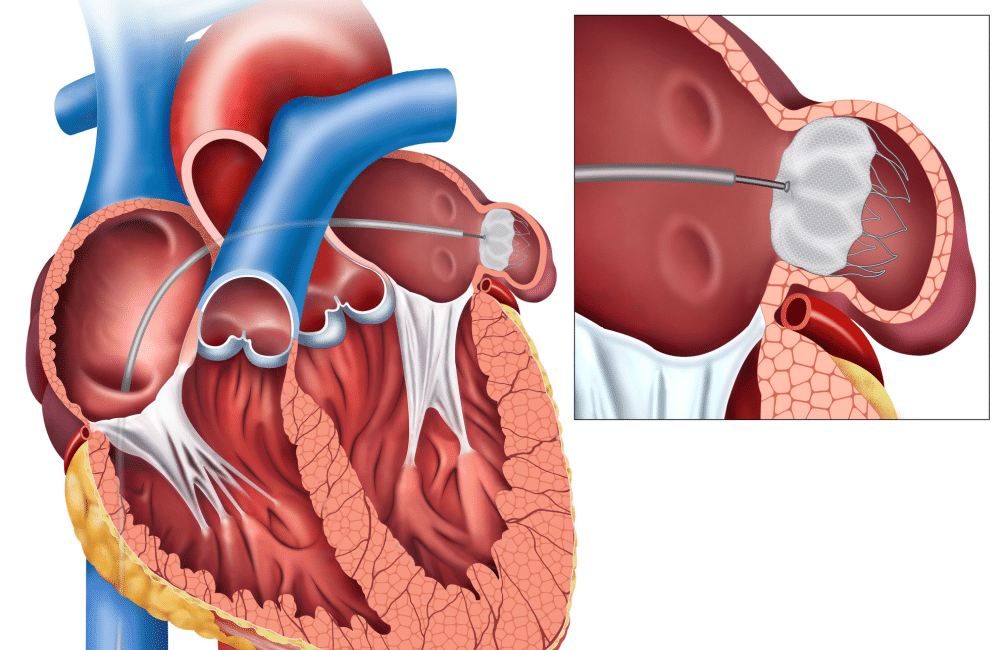
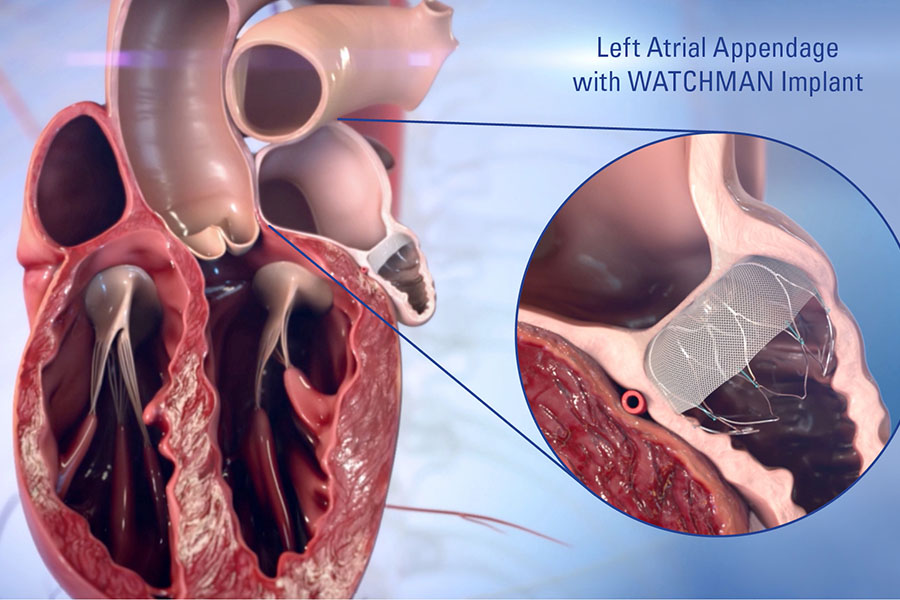
The WATCHMAN device offers a localized solution. It’s a permanent implant, about the size of a quarter, meticulously engineered to seal off the LAA. Made from a nitinol frame (a highly flexible and durable nickel-titanium alloy, also used in stents) covered with a permeable polyester fabric membrane, its design is both sophisticated and robust.
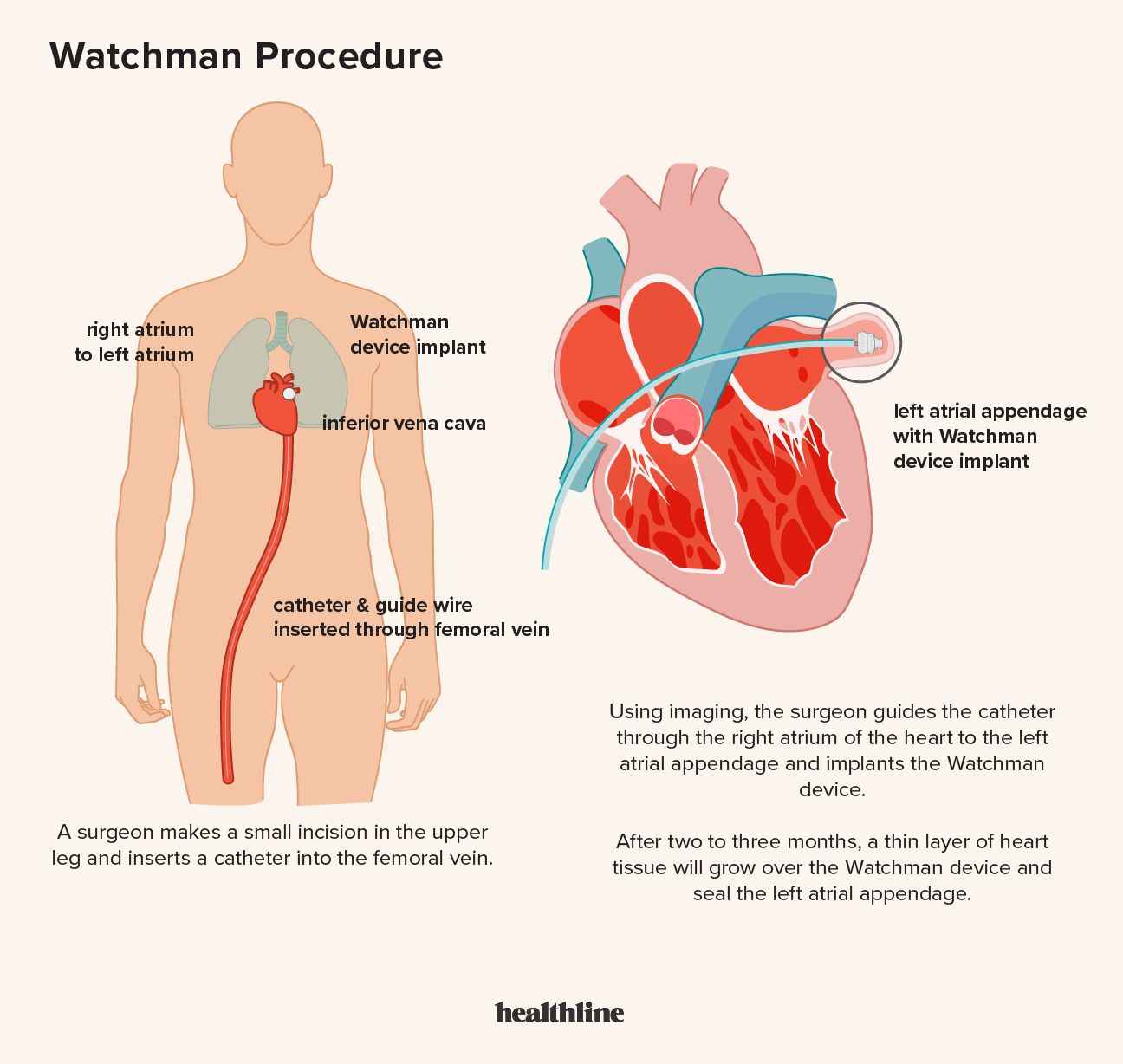
The implantation procedure itself is a marvel of minimally invasive surgery. It’s typically performed under general anesthesia, involving a catheter-based approach. A thin catheter is inserted into a vein in the upper leg and carefully guided up to the heart. Using advanced imaging techniques—such as transesophageal echocardiography (TEE) and fluoroscopy—the physician navigates the catheter to the opening of the LAA. The WATCHMAN device, collapsed within the catheter, is then deployed. As it expands, it conforms to the unique shape of the LAA, effectively plugging its opening.
Once implanted, the device acts as a physical barrier, permanently closing off the LAA. Blood can no longer enter the LAA, preventing clots from forming within this high-risk area. Over time, usually within 45 days, the body’s own tissue grows over the device, a process called endothelialization. This living tissue creates a smooth, continuous surface that completely seals off the LAA from the rest of the bloodstream. At this point, the LAA is completely excluded, and the need for long-term oral anticoagulation can often be eliminated, significantly reducing the risk of bleeding while maintaining stroke protection.
The technological advancements inherent in the WATCHMAN device are numerous. From the biocompatibility of its materials (preventing rejection and encouraging tissue growth) to the precision of its delivery system (allowing accurate placement in a complex anatomical structure), it represents a pinnacle of interventional cardiology technology. These advancements ensure not only efficacy in clot prevention but also patient safety and long-term durability.
The Digital Edge: Imaging, AI, and Future Tech in LAAO
The deployment of a WATCHMAN device relies heavily on cutting-edge imaging technology. High-resolution TEE provides real-time, detailed views of the LAA’s size, shape, and surrounding structures, crucial for selecting the appropriate device size and ensuring precise placement. Computed Tomography (CT) scans are also used pre-procedure for detailed anatomical mapping. These diagnostic technologies are constantly evolving, with increasing resolution and 3D capabilities.
Looking ahead, artificial intelligence (AI) is poised to further enhance LAAO procedures. AI algorithms could potentially analyze imaging data with greater speed and accuracy than human eyes, identifying optimal device sizes, predicting potential complications, and even assisting in real-time navigation during the procedure. Machine learning could personalize treatment strategies based on a patient’s unique anatomy and risk profile. Furthermore, future iterations of LAAO devices might incorporate advanced sensor technology for continuous monitoring, or feature even more flexible and adaptable designs, pushing the boundaries of minimally invasive cardiac intervention. The fusion of device technology with digital intelligence holds immense promise for improving outcomes and expanding the reach of this life-saving treatment.
The Brand of Trust: Watchman’s Place in Healthcare Innovation
In the highly scrutinized world of medical devices, trust is paramount. The WATCHMAN device, developed by Boston Scientific, has successfully cultivated a strong brand identity, synonymous with innovation and patient-centric care. This is not merely about marketing; it’s about establishing credibility, demonstrating efficacy, and assuring safety within a complex healthcare ecosystem.
Building Patient Confidence: The Brand’s Promise
The journey from a novel concept to a widely accepted treatment involves rigorous scientific validation. For a medical device brand like WATCHMAN, building patient confidence hinges on transparent and compelling evidence. This comes from extensive clinical trials—such as PROTECT AF and PREVAIL—which demonstrated its non-inferiority to warfarin in preventing stroke, and its safety profile. FDA approval (in 2015 for WATCHMAN FLX) serves as a critical milestone, signifying that the device meets stringent regulatory standards for safety and effectiveness.
Beyond regulatory hurdles, the brand’s promise is reinforced by physician endorsement. Cardiologists and electrophysiologists, through their experience and patient outcomes, become advocates, further solidifying the device’s reputation. Patient testimonials and success stories, carefully communicated, play a significant role in making the technology relatable and inspiring hope. The WATCHMAN brand, therefore, represents a commitment to improving quality of life for AFib patients, offering an alternative that frees them from the daily burden and risks associated with blood thinners.
Navigating the Medical Device Market: Branding and Reputation
The medical device market is fiercely competitive and heavily regulated. Brands like WATCHMAN differentiate themselves not just through technological superiority, but also through a holistic approach to patient care, physician training, and post-market surveillance. Boston Scientific has invested heavily in educating healthcare professionals on proper implantation techniques, ensuring consistent outcomes and minimizing complications. This dedication to training builds a strong professional community around the product, further bolstering its brand reputation.
Maintaining brand integrity in this space requires continuous innovation and a commitment to long-term safety data. As new generations of the device are introduced (like the WATCHMAN FLX, offering enhanced maneuverability and a broader range of sizes), the brand must communicate these advancements clearly, demonstrating continuous improvement. Reputation is also built on transparency regarding adverse events and proactive measures to address any safety concerns. A strong brand in the medical device sector signifies reliability, continuous improvement, and a partnership approach with healthcare providers.
Evolution of Care: From Concept to Standard Practice
The evolution of the WATCHMAN device exemplifies how a successful medical brand can transform a novel concept into a recognized standard of care. Initially viewed with skepticism as any new procedure would be, the device, through consistent clinical evidence and positive patient outcomes, has gradually earned its place alongside established therapies. It’s no longer just an experimental alternative but a viable, guideline-supported option for specific patient populations with non-valvular AFib.
This trajectory reflects not only the device’s effectiveness but also the strategic branding efforts that have educated both the medical community and the public. By clearly articulating its benefits—stroke risk reduction comparable to oral anticoagulants, without the long-term bleeding risk—the WATCHMAN brand has effectively communicated its value proposition. This process involves sophisticated marketing to physicians, patient advocacy efforts, and widespread dissemination of clinical data. The brand’s success underscores the power of combining cutting-edge technology with thoughtful brand stewardship to fundamentally shift paradigms in patient treatment.
The Economic Equation: Cost, Value, and Accessibility
While the clinical benefits and technological prowess of the WATCHMAN device are clear, its integration into healthcare systems worldwide is also heavily influenced by economic factors. The cost of the device, the procedure, insurance coverage, and the overall financial implications for patients and healthcare providers are critical components of its story.
Weighing the Costs: Device, Procedure, and Long-term Management
The initial cost of the WATCHMAN device and its implantation procedure can appear substantial. This includes the device itself, the hospital stay, professional fees for the interventional cardiologist and anesthesiologist, and follow-up care. These upfront costs are a significant consideration for healthcare systems and individual patients.
However, the economic assessment must extend beyond the immediate procedure to a long-term perspective. When compared to lifelong oral anticoagulation, the financial landscape shifts. Anticoagulant therapy involves recurring costs for medication, regular blood tests (especially for warfarin), and ongoing monitoring. More importantly, it carries the risk of costly complications such as bleeding events (which may require hospitalization, transfusions, or even surgery) or, ironically, a breakthrough stroke. The long-term costs associated with managing a stroke—including rehabilitation, ongoing medical care, and potential loss of productivity—are immense. From this broader viewpoint, the WATCHMAN device, by potentially eliminating the need for long-term anticoagulation and significantly reducing the risk of major bleeding and stroke, can present a cost-effective solution over a patient’s lifetime. It’s an investment that aims to prevent more expensive and debilitating health events down the line.
Insurance, Reimbursement, and Patient Access
For any innovative medical technology, widespread adoption hinges on insurance coverage and reimbursement policies. In many countries, the WATCHMAN device and its implantation are covered by major health insurance providers, including Medicare in the United States, for eligible patients. However, navigating these reimbursement landscapes can be complex. Strict criteria for patient selection are often imposed by insurers, based on clinical guidelines and evidence of medical necessity (e.g., non-valvular AFib, high stroke risk, and contraindications or intolerance to long-term oral anticoagulation).
The economic challenges are not just for the patients, but also for healthcare providers and systems. Hospitals must invest in specialized equipment and training for their staff. The reimbursement rates negotiated with insurers directly impact the profitability and feasibility for institutions to offer the procedure. Gaps in coverage or restrictive policies can create barriers to access, meaning that even if a patient is medically suitable, financial constraints or insurance limitations might prevent them from receiving the treatment. Advocacy efforts by patient groups and professional medical societies often play a crucial role in ensuring equitable access to such transformative technologies.
The Investment in Health: Societal and Personal Returns
From a societal perspective, the WATCHMAN device represents an investment in public health. By reducing the incidence of AFib-related strokes, it lessens the overall burden on healthcare systems, frees up resources, and potentially reduces the need for long-term care services. Preventing a single stroke can save hundreds of thousands of dollars in medical costs and lost productivity, not to mention the immeasurable human cost of disability and suffering.
For the individual patient, the economic equation is deeply personal. Beyond the direct financial costs, there’s the invaluable return on investment in terms of improved quality of life. Freedom from daily blood thinners means reduced anxiety about bleeding, fewer dietary restrictions, and less frequent medical appointments. It enables patients to live more active and fulfilling lives, often returning to activities they previously avoided due to bleeding risks. This improved quality of life, reduced risk of debilitating stroke, and psychological peace of mind are significant personal returns that often outweigh the initial financial outlay, positioning the WATCHMAN device as a profound investment in long-term health and well-being.
The WATCHMAN device stands as a powerful example of how medical innovation can redefine patient care. Its ability to effectively manage the risk of clots in AFib patients is a testament to sophisticated technological design. Its journey from a novel concept to a trusted alternative highlights the critical role of brand development and clinical validation in the medical device industry. And finally, its integration into healthcare systems underscores the complex interplay between clinical efficacy, economic feasibility, and equitable access. As technology continues to advance, and our understanding of cardiovascular health deepens, devices like WATCHMAN will remain at the forefront, continually pushing the boundaries of what’s possible in preventative cardiology, offering hope and a better quality of life for millions.
aViewFromTheCave is a participant in the Amazon Services LLC Associates Program, an affiliate advertising program designed to provide a means for sites to earn advertising fees by advertising and linking to Amazon.com. Amazon, the Amazon logo, AmazonSupply, and the AmazonSupply logo are trademarks of Amazon.com, Inc. or its affiliates. As an Amazon Associate we earn affiliate commissions from qualifying purchases.