
In the landscape of modern procedural television, the value of a franchise is often measured not just by its viewership numbers, but by the strength of its emotional brand. For the hit series 9-1-1, one of the most significant pillars of its brand identity is Christopher Diaz. As the son of firefighter Eddie Diaz, Christopher has evolved from a secondary character into a central symbol of the show’s commitment to diversity, resilience, and family-centric storytelling.
When audiences ask, “What happens to Christopher in 9-1-1?” they are not merely inquiring about a plot point; they are expressing an emotional investment that is the dream of any brand strategist. The recent narrative shifts surrounding Christopher—culminating in his departure to Texas at the end of Season 7—provide a masterclass in how character branding dictates the trajectory of a multi-million dollar media property.

The Power of Inclusive Branding: Christopher Diaz as a Case Study
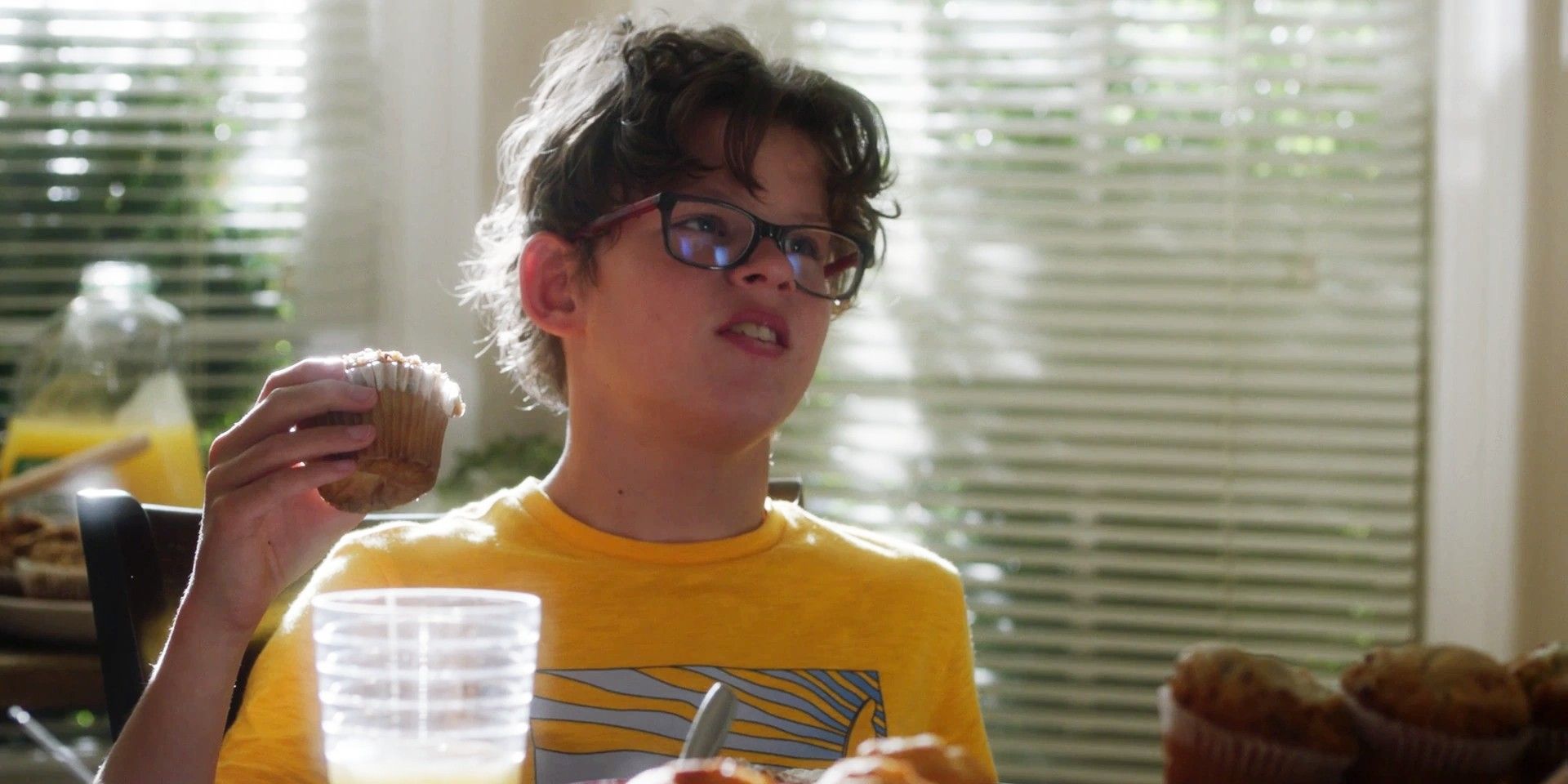
At its core, the 9-1-1 brand is built on the concept of the “found family.” While the high-octane rescues provide the visual spectacle, the domestic lives of the characters provide the brand’s soul. Christopher Diaz, portrayed by Gavin McHugh, represents a breakthrough in inclusive branding within the entertainment industry.
Representation as a Core Brand Value
In an era where diversity and inclusion (D&I) are central to corporate identity, 9-1-1 leveraged Christopher’s character to establish a brand of “authentic representation.” Christopher has Cerebral Palsy, and by casting McHugh, who lives with the condition, the show moved beyond “performative” inclusion into “authentic” branding. This choice resonated deeply with a specific market segment—the disability community and their allies—transforming them from casual viewers into fierce brand advocates. This segment of the audience views Christopher not just as a character, but as a representative of their own lived experiences, making his narrative arc a sensitive touchstone for the show’s reputation.
Authenticity in Casting: The Gavin McHugh Factor
From a brand management perspective, McHugh himself became an ambassador for the 9-1-1 identity. His real-life charm and advocacy work bolstered the show’s public relations strategy. When a brand can bridge the gap between fiction and reality through authentic casting, it creates a “halo effect.” The positive sentiments associated with McHugh’s real-life resilience are transferred to the 9-1-1 brand, making the show appear more compassionate and socially responsible than its competitors. This authenticity is a valuable intangible asset that protects the show during seasonal ratings fluctuations.
Narrative Shifts and Brand Loyalty: What Happens to Christopher?
The question of “what happens to Christopher” reached a fever pitch during the Season 7 finale. After discovering his father Eddie’s complicated emotional affair with a woman who resembled his late mother, Christopher made the choice to move to Texas with his grandparents. This narrative pivot was a calculated risk in brand management.
Emotional Stakes as a Marketing Tool
In the world of serialized content, “conflict” is the product. However, when a brand is built on the “wholesome father-son” dynamic, disrupting that dynamic is a high-stakes gamble. The decision to have Christopher leave was a strategic move to “rebrand” Eddie Diaz’s character arc, moving him from a stable father figure to a man in crisis. By removing Christopher—the moral compass of the Diaz household—the writers created a narrative vacuum that forces audience engagement. Fans are now “invested” in the reconciliation, a classic marketing tactic used to ensure “return customers” (viewers) for the subsequent season.
Managing the “Empty Nest” Brand Pivot in Season 7
The departure of Christopher signals a shift in the show’s brand architecture. For years, the “Eddie and Christopher” unit was a sub-brand of 9-1-1 that appealed to family-oriented demographics. By transitioning Christopher out of the immediate household, the show is attempting a brand pivot toward more mature, psychological drama. This move allows the writers to explore themes of grief, failure, and redemption without the “safety net” of Christopher’s innocence. While risky, this keeps the brand from becoming stagnant, a common pitfall for long-running procedurals that refuse to evolve their character dynamics.
The Economic Value of Secondary Characters in Multi-Season Dramas
While Christopher is not a “First Responder” in the traditional sense, his economic value to the 9-1-1 franchise is immense. In the business of television, characters are assets, and their “screen time” is a direct investment in the show’s long-term viability.
Character Arcs and Merchandise/Syndication Potential
Christopher’s journey—from surviving a tsunami to navigating the complexities of adolescence—creates a “long-tail” of content. High-impact episodes featuring Christopher, such as the Season 3 tsunami arc, are often the highest-rated in syndication. These episodes serve as “entry points” for new viewers, effectively acting as high-performing marketing funnels. The emotional resonance of Christopher’s survival in those episodes creates a lasting brand impression that encourages viewers to binge-watch the entire series, driving revenue for streaming platforms like Hulu and Disney+.
Sustaining the “Family” Brand Identity
The “9-1-1” brand competes in a crowded marketplace against other procedural giants like Chicago Fire or Grey’s Anatomy. To differentiate itself, 9-1-1 leaned into the “Single Dad” and “Disability Advocacy” niches through Christopher. By sustaining this identity for seven seasons, the show secured a loyal “brand community.” Even when Christopher is physically absent from the screen (as he is expected to be for parts of Season 8), his legacy remains a part of the brand equity. The show continues to market itself using the emotional history built through his character, ensuring that the audience remains tethered to Eddie’s storyline in hopes of a Christopher cameo or return.
Strategic Crisis Management in Entertainment Branding
Whenever a beloved character undergoes a traumatic change or leaves a show, it triggers a “brand crisis” among the fanbase. The reaction to Christopher’s departure for Texas required careful management to prevent a “brand boycott” or a significant drop in engagement.
Handling Plot Twists Without Alienating the Fanbase
The writers and showrunners utilized a “transparent communication” strategy to manage the fallout of Christopher’s exit. By grounding the decision in the character’s autonomy—Christopher chose to leave because he felt betrayed—the brand maintained its integrity. Had the departure been forced by a random tragedy, it might have been seen as “trauma porn,” which would devalue the brand’s reputation for thoughtful storytelling. Instead, the move was framed as a necessary step for the character’s emotional health, aligning with the brand’s core value of psychological realism.
Social Media and the “Where is Christopher?” Engagement Strategy
In the digital age, a brand exists as much on social media as it does on the screen. The mystery and emotional weight of “what happens to Christopher” have become significant drivers for the show’s social media metrics. Fan theories, “edit” videos on TikTok, and discussions on Reddit regarding Christopher’s return act as free organic marketing. The showrunners strategically leverage this by releasing behind-the-scenes clips of Gavin McHugh, signaling to the “brand community” that while the character is gone for now, the actor is still part of the family. This keeps the audience engaged during the off-season, maintaining the brand’s “top-of-mind” awareness.

Conclusion: The Future of the Diaz Brand
As 9-1-1 moves into its eighth season and beyond, the “Christopher” brand remains one of its most potent tools for audience retention. Whether he returns as a more mature teenager or remains a distant motivation for Eddie’s self-improvement, his impact on the show’s identity is permanent.
The story of Christopher Diaz proves that in the modern entertainment landscape, characters are more than just roles—they are brands. They represent values, they tap into specific market demographics, and they drive the economic engine of a franchise. What happened to Christopher was not just a plot twist; it was a strategic recalibration of a multi-million dollar brand, designed to ensure that the audience remains as invested in the “found family” of the 118 as they were on day one. By prioritizing emotional authenticity and inclusive representation, the 9-1-1 brand has ensured that even in his absence, Christopher Diaz remains the heart of the show.
aViewFromTheCave is a participant in the Amazon Services LLC Associates Program, an affiliate advertising program designed to provide a means for sites to earn advertising fees by advertising and linking to Amazon.com. Amazon, the Amazon logo, AmazonSupply, and the AmazonSupply logo are trademarks of Amazon.com, Inc. or its affiliates. As an Amazon Associate we earn affiliate commissions from qualifying purchases.