
In the high-stakes world of emergency medicine and cardiology, the phrase “time is muscle” defines the urgency of responding to a heart attack. However, the technology used to monitor what happens to blood pressure during a heart attack has evolved far beyond the traditional inflatable cuff and stethoscope. As we move deeper into the era of the Internet of Medical Things (IoMT), the intersection of software, sensor technology, and artificial intelligence is redefining how we understand, predict, and react to the physiological shifts that occur during a myocardial infarction.
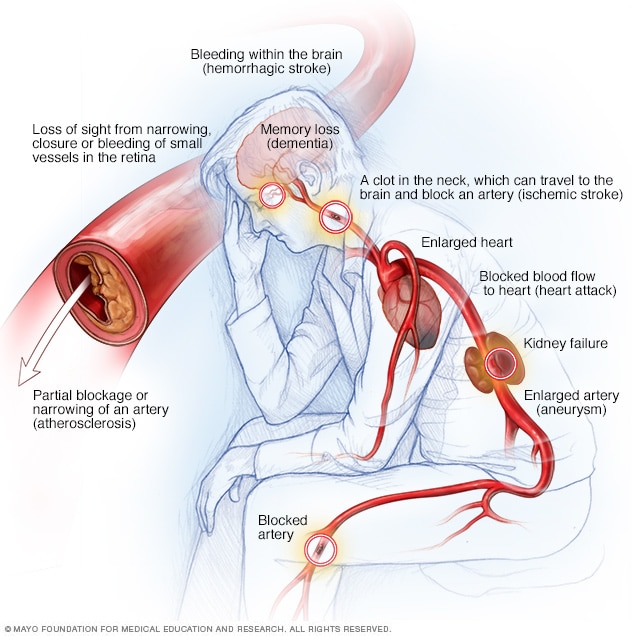
The traditional understanding of blood pressure during a heart attack is complex; it can spike due to pain and the “fight or flight” response, or it can plummet if the heart muscle is too damaged to pump effectively. Capturing these volatile metrics in real-time is the new frontier of health technology. This article explores the cutting-edge tech trends and digital tools that are transforming our ability to monitor blood pressure fluctuations during acute cardiac events.
The Integration of Wearable Technology in Early Heart Attack Detection
For decades, blood pressure monitoring was a static, episodic activity. You sat in a doctor’s office, remained still, and received a single data point. Today, wearable technology has shifted the paradigm toward continuous monitoring, which is critical for identifying the onset of a heart attack.
From Consumer Gadgets to Clinical-Grade Devices
The evolution of the smartwatch has been the most visible tech trend in this space. While early iterations focused on step counts and basic heart rates, the current generation of wearables is integrating sophisticated blood pressure monitoring capabilities. Tech giants are moving away from the traditional oscillometric method (cuff-based) toward more seamless integration. Devices now use optical sensors to estimate blood pressure through a process called Pulse Transit Time (PTT). By calculating the time it takes for a pulse wave to travel from the heart to the wrist, these devices can provide a continuous stream of data, flagging the sudden, irregular pressure drops or spikes that often precede or accompany a heart attack.
The Role of Optical Sensors and PPG Technology
Photoplethysmography (PPG) is the foundational technology behind most wearable heart monitors. By shining a light (usually green or infrared) into the skin and measuring the light scatter caused by blood flow, sensors can detect volume changes in the microvasculature. In the context of a heart attack, PPG sensors are being refined to detect “pulsus alternans”—a physical finding where the arterial pulse alternates between strong and weak beats, often signifying left ventricular failure. Tech developers are currently working on high-fidelity PPG sensors that can filter out “motion noise,” ensuring that if a user collapses during a cardiac event, the device continues to provide accurate, actionable blood pressure data to emergency responders.
Real-Time Data Analytics: Understanding Pressure Fluctuations During Crisis
A heart attack is not a static event; it is a dynamic physiological crisis. The technology used to monitor this event must be equally dynamic. Modern software platforms are now capable of analyzing “big data” from individual patients in real-time, providing a clearer picture of what is happening to the circulatory system during an emergency.
Machine Learning Algorithms and Predictive Analytics
The true power of modern blood pressure tech lies in the software. Machine learning (ML) algorithms are now being trained on millions of data points representing various cardiac conditions. When a person experiences a heart attack, their blood pressure might exhibit specific patterns—such as a sharp rise followed by a sustained, dangerous decline (cardiogenic shock).
AI-driven platforms can analyze these fluctuations in real-time, comparing the user’s current metrics against historical data and known “emergency templates.” These predictive analytics tools do more than just record a number; they assign a “risk score” to the fluctuation, potentially alerting the user or their healthcare provider before the physical symptoms become debilitating.
Cloud Synchronization for Emergency Services
One of the most significant hurdles in treating a heart attack is the “information gap” that exists between the moment the event starts and the moment the patient arrives at the hospital. Modern digital health ecosystems are bridging this gap through cloud synchronization.

When a connected device detects an anomalous blood pressure reading indicative of a heart attack, the data is instantly uploaded to a secure cloud server. This information can be shared with Emergency Medical Services (EMS) while they are still in transit. By the time the ambulance arrives, the paramedics already have a digital “tape” of the patient’s blood pressure trends over the last thirty minutes, allowing them to prepare the correct interventions, such as vasopressors or vasodilators, based on the tech-derived insights.
The Role of AI in Differentiating Cardiac Stress from Acute Myocardial Infarction
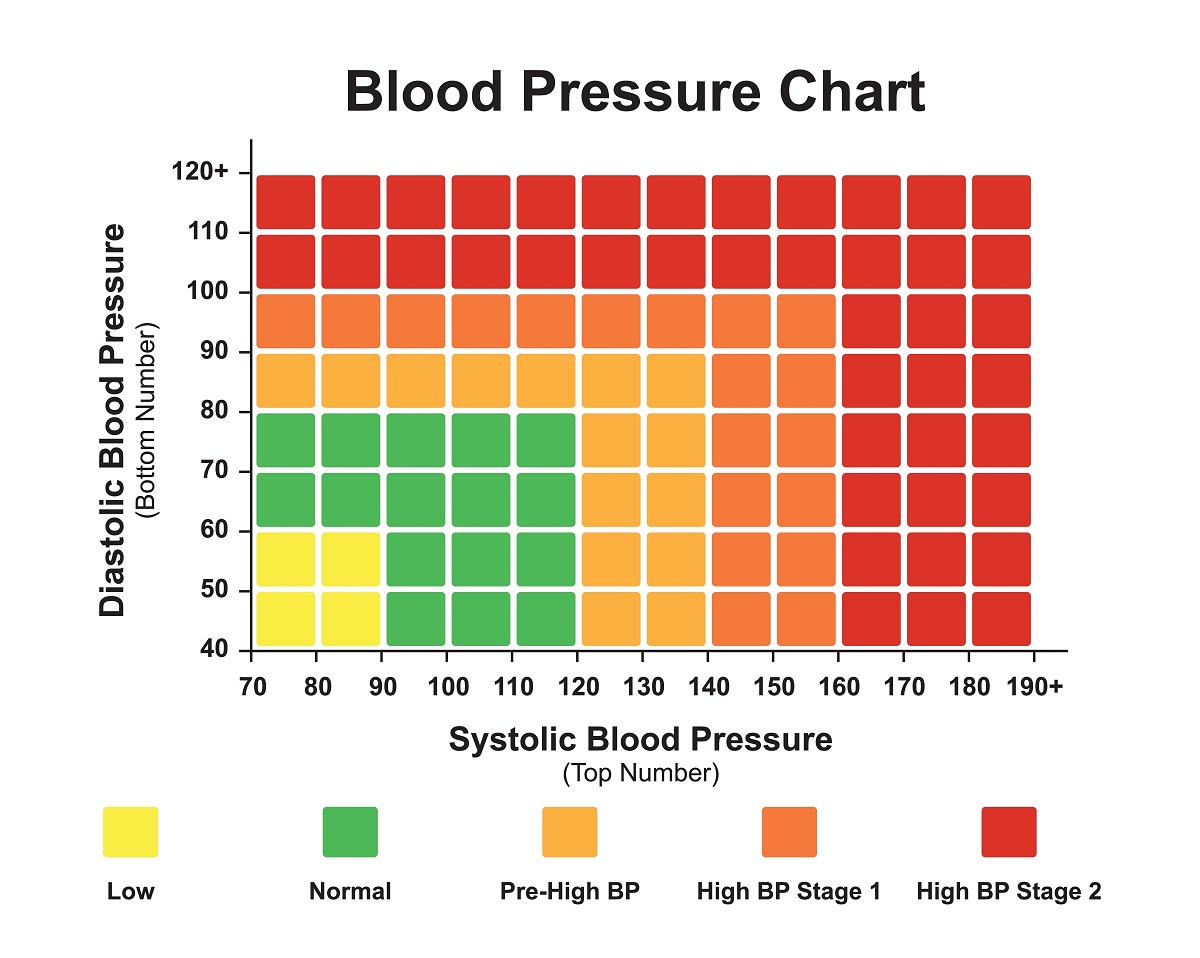
One of the greatest challenges in medical technology is accuracy. High blood pressure can be caused by a panic attack, intense exercise, or chronic hypertension, none of which are necessarily a heart attack. AI is the tool that helps differentiate between these states.
Neural Networks and Pattern Recognition
Advanced neural networks are being developed to recognize the specific “signature” of a heart attack within blood pressure data. A heart attack often causes a specific type of variability in blood pressure that differs from a standard spike in stress. By using deep learning, software can identify the subtle loss of “baroreflex sensitivity”—the body’s natural mechanism for regulating blood pressure—which often occurs during a heart attack. This level of pattern recognition is far beyond the capability of a human observer using a manual cuff and provides a digital safeguard against misdiagnosis.
Reducing False Positives in Non-Invasive Monitoring
The tech industry is hyper-focused on reducing “alarm fatigue.” If a wearable device sends a heart attack alert every time someone drinks too much caffeine, the technology becomes useless. To combat this, developers are integrating multi-modal sensing. By combining blood pressure data with ECG (Electrocardiogram) data and blood oxygen levels (SpO2) on a single chip, AI can cross-reference the data. If blood pressure drops while the ECG shows “ST-segment elevation” (a classic sign of a heart attack), the software confirms the event with a high degree of certainty, ensuring that emergency tech is only deployed when truly necessary.
Telemedicine and the Internet of Medical Things (IoMT)
The hardware and software discussed so far do not exist in a vacuum. They are part of a broader shift toward the Internet of Medical Things (IoMT), where every device is a node in a massive, life-saving network.
Remote Monitoring Ecosystems
For patients with a history of heart disease, tech-enabled remote patient monitoring (RPM) is the new standard of care. These ecosystems consist of cellular-connected blood pressure monitors that require no setup by the patient. Every morning and evening, the data is transmitted to a digital dashboard monitored by a clinical AI. This proactive approach allows for the detection of “pre-infarction” trends. If a patient’s baseline blood pressure begins to trend downward over several days while their heart rate increases, the software flags this as a potential compensatory mechanism for a failing heart, allowing for medical intervention before a full-scale heart attack occurs.
The Future of Automated Emergency Response Systems
We are moving toward a future where the technology itself initiates the rescue. Concepts currently in development include “Smart Homes” integrated with health tech. If a wall-mounted sensor (using R-F waves or LIDAR) detects a person has fallen, and their wearable device indicates a collapse in blood pressure and a cessation of heart rhythm, the home’s central AI can automatically unlock the front door for paramedics, turn on exterior lights to guide the ambulance, and transmit the patient’s entire medical history and real-time vitals to the trauma center.
Conclusion: The Digital Safeguard for the Heart
The question of what happens to blood pressure during a heart attack is no longer just a medical query—it is a data-driven challenge that the tech industry is uniquely positioned to solve. Through the combination of advanced PPG sensors, machine learning algorithms, and integrated IoMT ecosystems, we are gaining an unprecedented view into the mechanics of cardiac failure.
As these tools become more accessible and accurate, the transition from “reactive” to “proactive” cardiology will accelerate. The integration of high-fidelity blood pressure monitoring into our daily gadgets means that the “silent killer” of hypertension and the sudden crisis of a heart attack are being brought into the light of real-time data. In this technological revolution, the goal is clear: to ensure that no heart attack goes undetected and that every shift in blood pressure is captured, analyzed, and acted upon within the “golden hour” of emergency care. The future of heart health is not just in the hands of doctors, but in the code, sensors, and chips that monitor us every second of the day.
aViewFromTheCave is a participant in the Amazon Services LLC Associates Program, an affiliate advertising program designed to provide a means for sites to earn advertising fees by advertising and linking to Amazon.com. Amazon, the Amazon logo, AmazonSupply, and the AmazonSupply logo are trademarks of Amazon.com, Inc. or its affiliates. As an Amazon Associate we earn affiliate commissions from qualifying purchases.