
The concept of bail is a cornerstone of justice systems worldwide, designed to ensure that individuals accused of crimes appear for their court dates while simultaneously upholding the principle of innocent until proven guilty. But for many, the practicalities surrounding bail money remain a perplexing maze. When an individual is arrested, the immediate concern often shifts to the financial implications of securing their temporary freedom. What is bail, how is the amount determined, and perhaps most critically, what exactly happens to the money once it’s paid?
This article delves into the intricate journey of bail money, dissecting its various forms, tracing its path through the legal system, and exploring the financial, technological, and reputational facets that intertwine with this critical aspect of pre-trial release. From the perspective of personal finance and the burgeoning bail bond industry to the disruptive influence of technology and the evolving discourse around justice system branding, we’ll uncover the often-unseen mechanisms at play. For anyone navigating the legal landscape, or simply curious about how this crucial part of the justice system operates, understanding the lifecycle of bail money is not just about finance – it’s about freedom, fairness, and the future of judicial processes.

Understanding Bail: The Basics of Pre-Trial Release
At its core, bail serves a dual purpose: it’s a financial guarantee to the court that an accused individual will return for subsequent legal proceedings, and it’s a mechanism for upholding the presumption of innocence by allowing non-dangerous individuals to remain free until their trial. Without bail, a person could be detained for months or even years while awaiting trial, regardless of the severity of the alleged crime or their ultimate guilt or innocence.
The Purpose of Bail
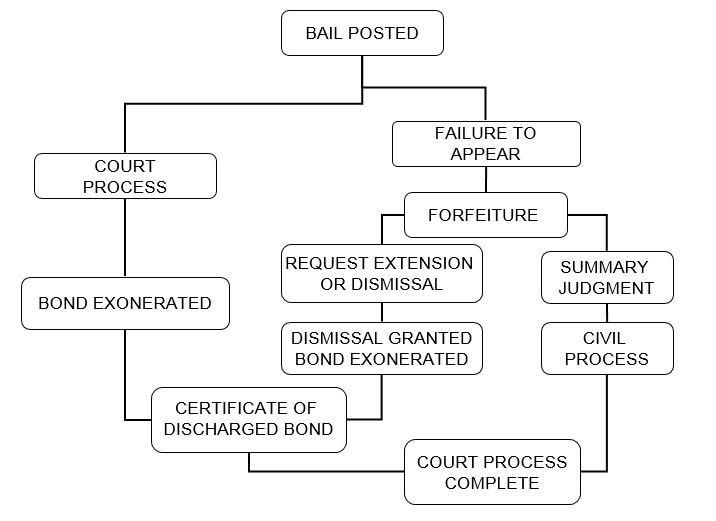
The primary goal of bail is to ensure court attendance. It acts as an incentive for the defendant to appear at every scheduled hearing, from arraignment to trial and sentencing. If the defendant fulfills this obligation, the bail money, or a significant portion of it, is typically returned. If they fail to appear – a situation known as “skipping bail” or “bail jumping” – the money is generally forfeited to the court, and a warrant is issued for their arrest. This system is designed to balance the individual’s right to liberty with the state’s need to administer justice effectively.
Beyond ensuring attendance, bail also plays a role in public safety. In some cases, judges may set high bail amounts or deny bail altogether for individuals deemed a significant flight risk or a danger to the community. However, this aspect often sparks debate, as it can lead to disproportionate outcomes based on an individual’s financial capacity rather than their actual risk.
Types of Bail: Cash, Surety, and Recognizance
The term “bail money” can be misleading, as there are several different forms of bail, each with its own financial implications:
- Cash Bail: This is the most straightforward form. The defendant or someone on their behalf pays the full bail amount directly to the court. If the defendant appears for all court dates, the full amount is returned at the conclusion of the case, minus any administrative fees or fines. This is the ideal scenario for those with access to immediate funds, as it ensures the entire principal is recoverable.
- Surety Bond (Bail Bond): This is the most common form of bail in many jurisdictions, particularly for higher bail amounts. Instead of paying the full amount to the court, the defendant or their family pays a non-refundable premium (typically 10-15%) to a bail bond agent. The agent then guarantees the full bail amount to the court. If the defendant fails to appear, the bail bond company is responsible for paying the full bail amount to the court and will often employ bounty hunters to locate and return the defendant. The premium paid to the agent is their fee for the service and is not recoverable, regardless of the case’s outcome.
- Property Bond: Less common, this involves pledging real estate (like a home) as collateral for the bail amount. If the defendant fails to appear, the court can initiate foreclosure proceedings on the property to recover the bail sum. This carries significant risk for the property owner.
- Release on Recognizance (ROR): In cases where the defendant is deemed a low flight risk and not a danger to the community, a judge may release them on their “own recognizance.” This means no money is paid; the defendant simply promises to appear for all court dates. Failure to appear results in an immediate arrest warrant and potential additional charges. This is often seen as the most equitable form of release, as it doesn’t penalize individuals based on their financial status.
- Citation Release: For very minor offenses, law enforcement may simply issue a citation with a court date, releasing the individual immediately without an arrest or bail.
Determining Bail Amounts: Factors at Play
The bail amount is not arbitrary; judges consider a range of factors when setting it. These typically include:
- Severity of the alleged crime: More serious felonies generally carry higher bail amounts than misdemeanors.
- Defendant’s criminal history: Previous convictions, especially for failure to appear, can lead to higher bail.
- Flight risk: The judge assesses the likelihood of the defendant fleeing jurisdiction. Factors like ties to the community (job, family, property), previous failures to appear, and the nature of the charges all play a role.
- Danger to the community: If the defendant is considered a threat to public safety, bail may be set very high or denied entirely.
- Financial resources of the defendant: While not always the primary factor, some jurisdictions consider the defendant’s ability to pay when setting bail, though this is a contentious point in bail reform discussions.
- Local bail schedules: Many courts have established bail schedules that provide presumptive bail amounts for various offenses, though judges retain discretion to deviate.
The Journey of Your Bail Money: Refund, Forfeiture, and the Bail Bond Business
Once bail is posted, the money embarks on a specific journey through the legal and financial system. Understanding this trajectory is crucial for anyone involved, as it dictates whether funds are returned, retained, or lost.
When Bail is Refunded: The Happy Path
For those who pay cash bail directly to the court, the journey typically ends happily. If the defendant attends all required court appearances and the case concludes – whether through acquittal, dismissal, or sentencing – the bail money is usually refunded to the person who posted it. This process can take several weeks or even months after the final disposition of the case, as courts need to process paperwork, confirm all conditions have been met, and ensure no outstanding fines or fees are deducted.
It’s important to remember that administrative fees or court costs can be deducted from cash bail even if all appearances are made. Therefore, while the bulk of the money is returned, it’s rare to get 100% of the original amount back without any deductions. The entity that originally posted the cash bail will receive the refund, so it’s critical to keep receipts and records.
The Cost of Freedom: Understanding Bail Bond Fees
The landscape changes considerably with surety bonds. When you pay a bail bond agent, you are purchasing a service, not posting bail yourself. The premium, typically 10-15% of the total bail amount, is the agent’s non-refundable fee for guaranteeing the full amount to the court. This fee is earned immediately upon the agent posting the bond.
Even if the defendant appears for every court date and the case is resolved favorably, the 10-15% premium is not returned. It is the cost of securing the bond. This is a crucial distinction and a significant financial consideration, as it means that even if a defendant is ultimately found innocent, they or their family have still incurred a substantial, non-recoverable expense simply for pre-trial release. For example, on a $10,000 bail, a $1,000 to $1,500 fee is paid, which is effectively lost money.
Forfeiture: What Happens When You Don’t Appear
The most adverse outcome for bail money is forfeiture. If a defendant fails to appear in court as required, the court declares the bail “forfeited.”
- Cash Bail Forfeiture: If cash bail was posted directly, the court keeps the entire amount. The money is then used to fund court operations, victim compensation funds, or other public services, depending on local regulations. A warrant for the defendant’s arrest is also issued.
- Surety Bond Forfeiture: If a bail bond was used, the bail bond company becomes liable for the full bail amount to the court. This is why bail bond agents have a vested interest in ensuring defendants appear. They will typically attempt to locate and apprehend the defendant (often using bounty hunters) within a grace period (usually 90-180 days, depending on jurisdiction) to return them to custody and have the forfeiture set aside. If they fail, they must pay the full bail amount to the court. In such cases, the bail bond company will then pursue the defendant and any co-signers (indemnitors) to recover their losses, often through legal action or by enforcing the collateral provided during the initial bond agreement. This can lead to significant financial hardship for families who co-signed for the bond, potentially involving asset seizure.
The Business of Bail Bonds: A Lucrative, Yet Controversial, Industry
The bail bond industry is a multi-billion dollar enterprise, operating on the principle of risk assessment and financial guarantees. Bail bond agents assess the risk of a defendant failing to appear before agreeing to post bond. They often require collateral (like car titles, deeds, or jewelry) or co-signers with good credit to mitigate their risk.
While they provide a vital service for many who cannot afford cash bail, the industry is also a subject of intense debate. Critics argue that it creates a two-tiered justice system where freedom is contingent on wealth, and that the non-refundable fees disproportionately impact lower-income communities, even for those eventually found innocent. The high profit margins, coupled with aggressive tactics used by some agents and bounty hunters, contribute to a complex public perception. From a business finance perspective, it’s a high-risk, high-reward model that demands robust contracts and collection mechanisms to ensure profitability.
The Tech Angle: Innovation and Disruption in the Bail System
In an increasingly digital world, technology is inevitably impacting even traditional systems like criminal justice. While the core principles of bail remain, the mechanisms and surrounding services are seeing significant tech-driven evolution, particularly relevant for a website covering technology trends.

Digital Payments and Streamlined Processes
The days of needing to physically bring a briefcase full of cash to a courthouse are slowly giving way to more modern financial transactions. Many court systems now accept credit card payments for bail, often through third-party payment processors. While convenient, these services typically come with processing fees, which can add to the financial burden. Similarly, bail bond agencies increasingly offer online payment portals, allowing family members to pay premiums remotely, often through secure encrypted transactions.
This shift towards digital payments, while improving accessibility and efficiency, also introduces considerations for digital security. Ensuring that personal financial data is protected when transacting with government agencies or private companies involved in the bail process is paramount, aligning with broader digital security concerns. Secure payment gateways, data encryption, and adherence to PCI DSS (Payment Card Industry Data Security Standard) are becoming non-negotiable requirements for these platforms.
AI, Data, and Risk Assessment Tools
Perhaps one of the most transformative, and controversial, tech applications in the pre-trial phase involves AI and data analytics. Some jurisdictions are experimenting with “risk assessment tools” – algorithms that analyze various data points (e.g., criminal history, age, ties to the community, type of offense) to predict a defendant’s likelihood of failing to appear or committing new crimes if released. These tools aim to make bail decisions more objective and reduce reliance on subjective judicial discretion or arbitrary bail schedules.
While proponents argue these tools can lead to more equitable outcomes and reduce unnecessary detention, critics raise concerns about algorithmic bias. If the underlying data reflects historical societal biases, the AI could perpetuate or even exacerbate disparities, particularly affecting minority groups. This intersects directly with ethical AI development and the need for transparency and fairness in automated decision-making. For individuals, understanding how these black-box systems might influence their freedom is a critical aspect of modern justice.
Electronic Monitoring as an Alternative
For some defendants, particularly those deemed a moderate risk, technology offers an alternative to traditional cash bail or incarceration: electronic monitoring. This can include GPS ankle monitors that track the defendant’s location, ensuring they stay within designated boundaries or abide by curfews. Other forms might include continuous alcohol monitoring devices or remote drug testing systems.
These technologies allow courts to release individuals who might otherwise be detained, saving taxpayer money on incarceration costs while still maintaining a level of oversight. They also represent a growing market for tech companies specializing in correctional software and hardware. However, debates persist about the intrusiveness of such surveillance, the cost burden often passed onto defendants, and whether they truly replace the need for bail or simply add another layer of control.
Digital Security and Your Financial Data
Any interaction with the legal system, especially those involving financial transactions, brings digital security to the forefront. When posting bail online, sharing personal information with a bail bond agent, or using electronic monitoring devices, individuals are entrusting sensitive data to various entities. The website’s focus on digital security makes this a crucial point.
From the perspective of personal finance and digital security, individuals must exercise due diligence. This includes verifying the legitimacy of online payment portals, understanding privacy policies, and being wary of phishing attempts or scams that might target individuals under legal stress. Data breaches in any part of the justice system could have severe consequences, compromising financial accounts, identities, and personal safety. The integrity of the systems managing bail money and defendant data is as important as the physical security of the courthouse itself.
The Brand and Societal Impact: Perception, Fairness, and Reform
Beyond the financial and technical aspects, the system of bail deeply influences the “brand” of justice in society. It shapes public perception of fairness, equality, and the very integrity of the legal system, touching upon brand strategy and reputation for institutions and individuals alike.
The “Brand” of Justice: Trust and Accessibility
The justice system, like any institution, has a “brand” in the public consciousness. Ideally, this brand should evoke trust, fairness, impartiality, and accessibility. However, the current bail system often undermines these perceptions. When individuals, particularly those from lower socio-economic backgrounds, are unable to afford bail for minor offenses and are forced to remain incarcerated before trial, it creates a stark impression of a two-tiered system where justice is for sale. This perception erodes public trust in the judiciary and can fuel broader societal discontent.
The increasing focus on bail reform movements across various states and municipalities is a direct response to this brand erosion. These movements advocate for systems that prioritize public safety and flight risk over financial capacity, aiming to recalibrate the justice system’s brand towards one that is genuinely equitable and accessible to all, regardless of their bank balance.
Reputation Management in the Digital Age for Individuals
For an individual accused of a crime, the legal process itself can have profound implications for their personal brand and reputation, especially in the digital age. An arrest, even if bail is posted and charges are later dropped, can leave a lasting digital footprint. Online arrest records, news articles, or social media discussions can significantly damage a person’s professional and personal standing.
From a personal branding perspective, understanding how information circulates and managing one’s online presence becomes critical. This could involve working with legal teams to ensure factual reporting, utilizing online reputation management services, or proactively rebuilding a positive digital narrative post-case resolution. The financial cost of bail is often just one component of the broader, more enduring cost to an individual’s reputation and future opportunities.
The Bail Bond Agency’s Brand and Ethical Considerations
Bail bond agencies, as businesses, also cultivate a brand. For some, it’s a brand built on providing a necessary service, helping families navigate a complex legal system, and ensuring defendants show up to court. For others, particularly those criticized for aggressive collection tactics or exorbitant fees, the brand can be more controversial, associated with predatory practices or exploitation of vulnerable populations.
Ethical considerations are central to the brand strategy of bail bond companies. Transparency in fee structures, respectful treatment of clients, and adherence to legal and ethical collection practices are crucial for maintaining a positive reputation and earning public trust. As the bail reform movement gains momentum, the brand of the bail bond industry itself is under scrutiny, facing pressure to adapt or potentially face significant legislative changes that could reshape their business model.
The Movement for Bail Reform: Shifting Paradigms
The ongoing national conversation around bail reform is arguably the most significant development influencing the future of bail money. Advocates argue that cash bail disproportionately impacts the poor, contributes to mass incarceration, and fails to improve public safety. They contend that wealth, not risk, often determines who remains free and who is incarcerated pre-trial.
Reform efforts vary, ranging from eliminating cash bail entirely for certain offenses, implementing risk assessment tools (as discussed under “Tech”), expanding release on recognizance, or increasing funding for pre-trial services that monitor defendants without requiring financial guarantees. These reforms aim to shift the paradigm from a system that monetizes freedom to one that prioritizes evidence-based risk assessment and community supervision. The outcome of these reforms will fundamentally alter what happens to bail money, potentially diminishing its role or eliminating it altogether in certain contexts, and reshaping the entire financial ecosystem surrounding pre-trial release.
Conclusion
The journey of bail money is far more intricate than simply paying a sum and getting it back. It’s a complex interplay of legal necessity, personal finance, a unique business model, evolving technology, and societal ethics. From the various types of bail that dictate whether funds are refunded or forever lost, to the crucial role of bail bond agents and the financial implications of forfeiture, understanding this system is vital for anyone facing the justice system.
Moreover, the increasing influence of technology – from digital payments and AI-driven risk assessments to electronic monitoring – is rapidly transforming how bail is administered and perceived. These innovations bring both efficiency and new ethical dilemmas, particularly concerning data privacy and algorithmic fairness. Finally, the “brand” of justice itself is at stake, with the bail system often viewed as a symbol of inequality. The ongoing bail reform movement, driven by calls for greater fairness and reduced reliance on financial capacity for freedom, promises to reshape the landscape significantly.
As society continues to grapple with questions of justice, equity, and the role of technology, the mechanisms governing bail money will remain a focal point. For individuals, knowing the potential financial outcomes is crucial. For businesses, the bail bond industry represents a specialized financial market under intense scrutiny. And for the broader community, the evolution of bail practices will ultimately reflect our collective commitment to a justice system that is truly fair, accessible, and aligned with our highest ideals.
aViewFromTheCave is a participant in the Amazon Services LLC Associates Program, an affiliate advertising program designed to provide a means for sites to earn advertising fees by advertising and linking to Amazon.com. Amazon, the Amazon logo, AmazonSupply, and the AmazonSupply logo are trademarks of Amazon.com, Inc. or its affiliates. As an Amazon Associate we earn affiliate commissions from qualifying purchases.