
The Immediate Financial Burden: Navigating Medical Costs
Experiencing a miscarriage, while primarily a deeply personal and emotional event, carries a significant, often overlooked, financial dimension. The immediate aftermath involves a series of medical procedures and consultations, each contributing to a cumulative financial burden that can range from hundreds to thousands of dollars, even with health insurance. Understanding these potential costs is crucial for individuals and families in managing their personal finances during an already challenging time.
The initial diagnosis often begins with a doctor’s visit, blood tests to check hormone levels (such as hCG), and ultrasounds. These diagnostic steps are essential for confirming the miscarriage and determining the best course of action. Each test and consultation incurs a fee, which can accumulate quickly, especially if multiple visits or follow-up tests are required. For those with high-deductible insurance plans, these early costs may fall entirely on the individual until the deductible is met. Without insurance, the out-of-pocket expenses for these diagnostic services alone can be substantial, often representing a significant unexpected hit to personal savings.

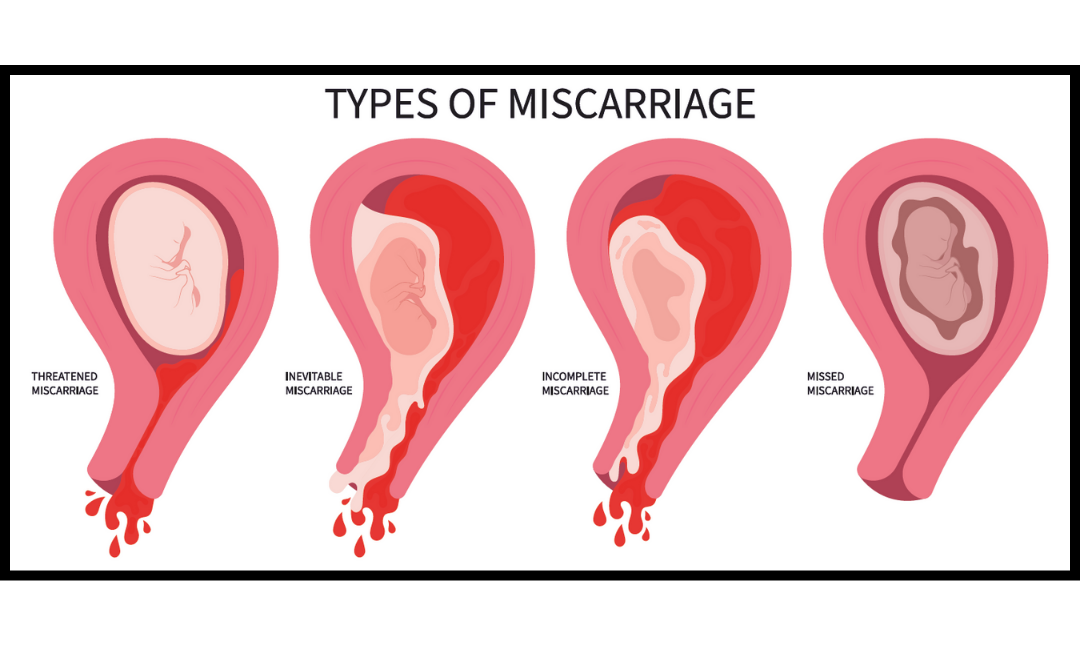
Following diagnosis, the medical management of a miscarriage can vary. Options typically include expectant management (allowing the body to pass the tissue naturally), medication-induced miscarriage, or a surgical procedure such as a Dilation and Curettage (D&C) or a Dilation and Evacuation (D&E). Each of these pathways comes with its own set of financial implications.
Expectant management might seem the least expensive option upfront, as it involves fewer direct medical interventions. However, it often requires multiple follow-up appointments, blood tests, and ultrasounds to ensure the miscarriage is complete and to monitor for complications. These ongoing appointments can add up, and if complications arise, such as infection or incomplete miscarriage, further medical intervention, including a D&C, may become necessary, layering additional costs.
Medication-induced miscarriage involves prescription medications designed to help the body expel the uterine contents. The cost of these medications can vary, and while often covered by insurance, co-pays or full cash price (for those without prescription drug coverage) can still be a factor. Like expectant management, follow-up care is essential, contributing to the overall financial outlay.
A D&C or D&E, being surgical procedures, typically incurs the highest direct costs. These procedures involve facility fees (for the hospital or surgical center), anesthesia fees, surgeon’s fees, and pathology fees (for examining the tissue). Even with comprehensive insurance, patients are often responsible for co-pays, co-insurance, and meeting their deductible. For individuals without insurance, a D&C can easily cost several thousand dollars, a sum that can destabilize even a carefully planned personal budget. The unexpected nature of a miscarriage means these costs are rarely budgeted for in advance, leading to potential financial strain and the need to tap into emergency funds or, in some cases, incur debt.
Insurance Complexities and Coverage Gaps
Navigating health insurance coverage for miscarriage-related care presents a complex landscape, often fraught with nuances that can leave individuals confused and financially vulnerable. While most standard health insurance plans cover medically necessary procedures related to miscarriage, the extent of this coverage and the specifics of patient responsibility can vary dramatically, creating significant out-of-pocket expenses that impact personal finance.
The primary factor is the type of insurance plan. High-deductible health plans (HDHPs), which are increasingly common, require individuals to pay a substantial amount out-of-pocket before insurance coverage fully kicks in. This means that for many, the initial diagnostic tests, consultations, and even the full cost of a D&C might fall entirely within their deductible, potentially leaving them responsible for thousands of dollars. Even after the deductible is met, co-insurance, which is a percentage of the remaining cost, can still represent a significant sum, particularly for expensive surgical procedures.
Understanding what is considered “medically necessary” is another critical aspect. While the physical management of a miscarriage is generally covered, related care that might be deemed supportive rather than strictly medical, such as mental health services, can have different coverage rules. Therapy and counseling, which are invaluable for processing the emotional toll of a miscarriage, might be subject to separate mental health deductibles, limited session coverage, or require specific referrals. This creates a potential gap in holistic care, as the financial barrier to accessing mental health support can deter individuals from seeking necessary help, ultimately affecting their overall well-being and ability to function, including their financial productivity.
Furthermore, specific benefits for fertility treatments or reproductive health counseling beyond the immediate miscarriage care can be highly variable. If a couple wishes to explore reasons for recurrent miscarriages or pursue fertility assistance in the future, these services often come with entirely separate and typically high out-of-pocket costs, as many standard insurance plans offer limited or no coverage for extensive fertility investigations or treatments like IVF. This forces individuals to either self-fund these expensive interventions or seek specialized insurance riders, adding another layer of financial planning complexity.
Prior authorizations are another bureaucratic hurdle. While less common for urgent miscarriage care, some diagnostic tests or procedures, particularly those related to follow-up or investigation into causes, might require pre-approval from the insurance company. Delays in obtaining these authorizations can lead to postponed care or, if care is rendered without authorization, can result in claims denials, leaving the patient fully responsible for the charges. Diligent communication with both the healthcare provider’s billing department and the insurance company is essential to minimize unexpected financial surprises.
Finally, the geographical location and the specific healthcare providers chosen can also influence costs. In-network versus out-of-network providers will have vastly different coverage rates, with out-of-network services often resulting in significantly higher patient responsibility. Understanding one’s insurance network and coordinating care within it is a vital component of managing the financial implications of a miscarriage effectively. The complexity of these insurance dynamics underscores the importance of proactive financial literacy and advocacy during a time of immense personal vulnerability.
Economic Repercussions Beyond the Clinic: Income and Savings
The financial impact of a miscarriage extends far beyond direct medical bills, permeating personal income, savings, and overall financial stability. The often-unforeseen need for time off work, combined with potential reduced productivity and the emotional toll, can create significant economic repercussions that challenge even the most robust financial plans.
Lost Income and Employment Leave
Immediately following a miscarriage, individuals often require time off work for physical recovery and emotional processing. While some employers offer paid sick leave or short-term disability benefits, the duration and eligibility can vary. For those without adequate paid leave, taking time off means a direct loss of income. Hourly wage earners, in particular, can experience a significant reduction in their take-home pay, impacting their ability to cover regular household expenses, let alone unexpected medical costs. Salaried employees might be able to use sick days or vacation time, but this can deplete their available leave, leaving them with fewer resources for future planned absences or emergencies.
The emotional impact can also lead to reduced productivity upon returning to work. Difficulty concentrating, increased fatigue, and emotional distress can affect job performance, potentially impacting bonuses, promotions, or even job security in some highly competitive environments. For self-employed individuals, the loss of income is often even more direct and immediate, as time away from work translates directly into lost client hours or project opportunities, without the safety net of employer-provided benefits.
Impact on Emergency Funds and Savings Goals
The unexpected nature of a miscarriage means that its financial costs—medical bills, lost wages, and potentially therapy—are rarely budgeted for. This often necessitates drawing from emergency funds or other savings. While emergency funds are designed for unforeseen circumstances, repeatedly tapping into them for healthcare costs can deplete this vital financial buffer, leaving individuals vulnerable to future financial shocks.
Long-term savings goals, such as down payments for a home, retirement contributions, or college funds, can also be impacted. If emergency funds are insufficient, individuals might be forced to delay these critical savings efforts or, in extreme cases, withdraw from investment accounts, potentially incurring penalties or missing out on market gains. This setback can have a ripple effect on long-term financial planning, delaying wealth accumulation and impacting future financial security. The added stress of financial strain during a period of emotional vulnerability can also hinder recovery, creating a compounding negative effect on both mental well-being and financial health.
Financial Planning for Emotional Recovery and Future Steps
The journey after a miscarriage is as much about emotional healing as it is about physical recovery, and effective financial planning must encompass both. Allocating resources for mental health support and strategically preparing for future reproductive decisions are crucial components of rebuilding stability.
Budgeting for Mental Health Support
The emotional impact of a miscarriage can be profound and long-lasting, often necessitating professional psychological support. Therapy, counseling, or support groups can be invaluable resources, but they come with associated costs. Even with insurance coverage, co-pays for therapy sessions can add up, and many plans limit the number of covered sessions or require individuals to pay a significant portion out-of-pocket, especially for out-of-network providers.
Individuals should proactively research their insurance benefits for mental health, understanding deductibles, co-pays, and any limitations. If insurance coverage is insufficient, exploring community resources, university counseling centers, or therapists offering sliding scale fees can provide more affordable options. Budgeting specifically for these services, even if it means reallocating funds temporarily, is an investment in long-term well-being and an essential step in regaining emotional and, subsequently, financial equilibrium. Prioritizing mental health spending is not a luxury but a critical component of post-miscarriage recovery that allows individuals to process grief and move forward effectively, contributing positively to their future earning potential and financial decision-making.
Preparing for Future Reproductive Health and Family Planning
Following a miscarriage, many individuals and couples will consider future pregnancies or family-building options. This phase often involves significant financial planning, particularly if fertility investigations or treatments are considered.
Fertility Investigations: For those who experience recurrent miscarriages, medical investigations into potential underlying causes can be extensive and costly. These might include specialized blood tests, genetic testing, hysteroscopies, or immunological assessments. Insurance coverage for these diagnostic procedures can be inconsistent, with many tests falling outside standard benefits, leading to substantial out-of-pocket expenses.
Assisted Reproductive Technologies (ART): If ART, such as In Vitro Fertilization (IVF), is pursued due to recurrent loss or other fertility challenges, the financial commitment is substantial. A single cycle of IVF can cost upwards of $15,000 to $30,000, and multiple cycles are often required. Most standard insurance plans offer limited or no coverage for IVF, making it a significant personal financial decision. Exploring employer-provided fertility benefits, state-mandated coverage (where applicable), or financing options specifically for fertility treatments becomes paramount.
Alternative Family Building: For some, adoption or surrogacy may become considerations. These pathways also involve significant financial investment, often ranging from tens of thousands to over $100,000, depending on the route chosen. Comprehensive financial planning, including setting up dedicated savings accounts, exploring grants, or securing loans, is essential.
Developing a detailed financial plan that considers these potential future steps, including estimated costs, insurance coverage, and savings strategies, empowers individuals to make informed decisions about their reproductive journey without undue financial stress. This forward-looking financial approach helps restore a sense of control and agency during a period that can often feel unpredictable.
Long-Term Financial Impact and Family Budgeting
The financial shadow cast by a miscarriage can extend into long-term family budgeting and overall financial security. Understanding these potential lasting effects and integrating them into ongoing financial planning is vital for maintaining economic stability and achieving future financial goals.
Adjusting Family Budgeting and Financial Goals
A miscarriage, especially if it involves significant medical costs or lost income, can necessitate a re-evaluation of the family budget. Unexpected expenses may have depleted savings or introduced new debt, requiring a period of financial belt-tightening to replenish funds and restore a healthy financial position. This could mean temporarily cutting back on discretionary spending, delaying major purchases, or adjusting investment contributions.
Beyond the immediate impact, the emotional aftermath can also subtly influence long-term financial behaviors. Some individuals might become more risk-averse, prioritizing savings and emergency funds even more rigorously. Others might find themselves re-evaluating life priorities, potentially leading to career changes or decisions that impact household income, such as reducing work hours for increased family time or pursuing further education. These decisions, while personal, have tangible financial consequences that must be factored into long-term financial planning.
Furthermore, if a couple plans for future pregnancies, the experience of a miscarriage often prompts a more conservative approach to financial preparedness. This might involve increasing health savings account (HSA) contributions, purchasing supplemental insurance, or setting aside dedicated funds for potential future medical care, especially if recurrent losses are a concern.
The Financial Cost of Emotional and Physical Recovery
While direct medical costs eventually cease, the financial impact of emotional and physical recovery can linger. Prolonged grief or anxiety might affect an individual’s ability to fully engage in their work or career development for an extended period. This can translate to missed opportunities for salary increases, career advancement, or professional networking, thereby affecting long-term earning potential. Similarly, if there are any lasting physical complications from the miscarriage, ongoing medical care or therapies could continue to incur costs.
From a financial planning perspective, it’s important to acknowledge that recovery isn’t always linear or instantaneous. Building in flexibility within the budget for ongoing well-being expenses—be it occasional therapy sessions, wellness activities, or even simply allowing for reduced productivity periods without undue financial pressure—is a testament to robust financial planning. This holistic view recognizes that personal well-being directly underpins financial capacity and resilience.

Estate Planning and Beneficiary Reviews
Though less directly related to the immediate event, a miscarriage can prompt a re-evaluation of estate planning documents, particularly for couples who may have been expecting a child. Reviewing beneficiaries on life insurance policies, retirement accounts, and wills to ensure they accurately reflect current wishes and family structure is a prudent step. While not a direct cost, neglecting these reviews can lead to significant financial and legal complexities for surviving family members in the future.
Ultimately, experiencing a miscarriage is a stark reminder of life’s unpredictability and the importance of robust financial preparedness. By acknowledging and planning for the multi-faceted financial impacts, individuals and families can navigate this difficult period with greater economic resilience, allowing them to focus on healing and rebuilding their future with confidence.
aViewFromTheCave is a participant in the Amazon Services LLC Associates Program, an affiliate advertising program designed to provide a means for sites to earn advertising fees by advertising and linking to Amazon.com. Amazon, the Amazon logo, AmazonSupply, and the AmazonSupply logo are trademarks of Amazon.com, Inc. or its affiliates. As an Amazon Associate we earn affiliate commissions from qualifying purchases.