
In the high-stakes world of cinematic releases, where billions are spent on production and promotion, the movie trailer stands as perhaps the most potent and concentrated branding tool. Far from being a mere montage of clips, a well-crafted trailer is a meticulously engineered piece of marketing strategy, designed to encapsulate a film’s essence, build anticipation, and forge an immediate connection with potential audiences. It is a critical component in shaping a film’s brand identity, influencing its perception, and ultimately, dictating its commercial success. The title “What Happens in Vegas Movie Trailer” serves as a perfect entry point into understanding this sophisticated discipline, highlighting how even a culturally resonant phrase can be leveraged to craft a compelling cinematic brand.

This article delves into the intricate art and science behind movie trailers, exploring their role in brand building, narrative construction, audience engagement, and the evolving future of this dynamic medium. We will unpack how trailers go beyond simple promotion to define a film’s unique personality and how they strategically leverage cultural touchstones, as exemplified by the very notion of “What happens in Vegas,” to create an unforgettable brand experience.
The Art and Science of the Movie Trailer: Beyond Just a Sneak Peek
A movie trailer is a powerful short-form narrative, an advertising vehicle that distills hours of footage into a two-to-three-minute experience. Its creation is a blend of creative artistry and data-driven strategic planning, aiming to achieve maximum impact within a limited timeframe. The primary objective is not just to show glimpses of a film, but to sell its promise – its genre, its emotional core, its unique selling proposition, and its overall brand.
The Strategic Imperative of Trailer Release
The timing of a trailer’s release is as crucial as its content. Studios often employ a tiered release strategy, beginning with a “teaser” trailer, a short, enigmatic preview designed to spark curiosity and announce the film’s existence. This is followed by the main theatrical trailer, a more comprehensive overview that reveals key plot points, character dynamics, and the film’s tone. Finally, a “final” or “red band” trailer might drop closer to the release date, often targeting specific demographics or highlighting specific aspects that weren’t fully explored previously. This phased approach allows studios to build anticipation systematically, managing public perception and generating buzz over an extended period. Each release serves a distinct branding purpose, gradually unveiling layers of the film’s identity and story, much like a product launch campaign reveals features over time.
Deconstructing the Trailer’s Anatomy
Every element within a trailer is meticulously chosen and edited to serve the overarching branding goal. The pacing, for instance, can convey the film’s genre – rapid cuts for action, slower, lingering shots for drama or romance. The music, often custom-composed or strategically licensed, plays a significant role in setting the emotional tone and creating a memorable auditory signature. Dialogue snippets are carefully selected to provide context, introduce key conflicts, or showcase character personalities, while key visuals are curated to highlight the film’s aesthetic, scale, or star power. The logline, a concise summary of the film’s premise, often appears at the end, providing a final, memorable brand statement. Together, these components coalesce to form a cohesive narrative that implicitly communicates the film’s brand persona, promising a specific type of viewing experience.
Target Audience and Emotional Hooks
Trailers are not one-size-fits-all; they are frequently tailored to resonate with specific demographics. A trailer for a family film will emphasize humor and heartwarming moments, while one for a horror movie will focus on suspense and jump scares. The psychological impact of a trailer is immense. Marketing teams understand that emotional engagement is key to driving intent. They carefully craft sequences designed to evoke laughter, tears, fear, excitement, or intrigue, aiming to create an emotional connection that compels viewers to seek out the full experience. This targeted emotional appeal is a sophisticated branding tactic, ensuring that the film’s message resonates deeply with its intended audience, positioning the film as the perfect choice for their entertainment needs.
Crafting the Narrative: How Trailers Build Brand Identity
Beyond merely showcasing scenes, trailers are expert storytellers. They craft a compelling, condensed narrative that not only outlines the film’s plot but also defines its unique brand identity, setting it apart in a crowded marketplace. This involves a delicate balance of revealing just enough to intrigue without giving away too much.
Defining the Film’s Brand Persona
A film’s brand persona is its unique character, its “vibe.” Is it a gritty drama, a whimsical fantasy, a thought-provoking sci-fi, or a laugh-out-loud comedy? The trailer is the primary vehicle for communicating this persona. Through its visual style (color grading, cinematography), its auditory landscape (music, sound design), and its thematic elements (dialogue, character archetypes), the trailer establishes the film’s genre, tone, and overarching artistic vision. For example, the trailer for a superhero movie will brand it as an epic tale of good versus evil with spectacular action, while a romantic comedy trailer will emphasize witty banter, charming leads, and relatable situations. This initial branding impression is crucial; it sets audience expectations and shapes how the film will be perceived long before its release.
Leveraging Star Power and Director’s Vision
The inclusion of recognizable talent is a powerful branding tool. A-list actors or celebrated directors instantly lend credibility, prestige, and a pre-existing fan base to a film. Their presence in a trailer acts as a quality assurance stamp, leveraging their personal brands to elevate the film’s brand. The trailer subtly reminds viewers of a director’s signature style or an actor’s proven ability to deliver certain types of performances, activating a sense of familiarity and trust. This strategic use of established personal brands within the film’s promotional material minimizes risk and enhances its perceived value, making it an attractive proposition for audiences who might otherwise be hesitant.
Consistency Across Marketing Channels
Effective branding demands consistency. The visual and thematic elements introduced in the trailer must be seamlessly carried across all other marketing channels. Posters, social media campaigns, interviews, and merchandise all contribute to the overarching brand narrative. The color palette, font styles, key imagery, and taglines established in the trailer become recurring motifs, reinforcing the film’s identity across every touchpoint. This cohesive strategy ensures that whether an audience member sees an online ad, a bus stop poster, or a television spot, they are receiving a consistent and recognizable brand message, strengthening recall and cementing the film’s place in their minds as a distinct and desirable entertainment product.
The “What Happens in Vegas” Phenomenon: Branding Through Cultural Resonance
The very title “What Happens in Vegas Movie Trailer” highlights a brilliant marketing strategy: leveraging existing cultural idioms and common knowledge to create an instantly recognizable and relatable brand. The film “What Happens in Vegas” didn’t just tell a story; it tapped into a widely understood cultural phenomenon, embedding its brand within an established narrative.
Capitalizing on an Iconic Slogan
The phrase “What happens in Vegas, stays in Vegas” is more than just a marketing slogan for the city; it’s a cultural shorthand for reckless abandon, spontaneous decisions, and the freedom from consequences. The movie “What Happens in Vegas” ingeniously capitalized on this iconic idiom. The trailer, in particular, utilized this pre-existing cultural resonance to instantly communicate the film’s premise: a wild, impulsive trip to Las Vegas leading to unexpected and life-altering consequences. This wasn’t just a title; it was an entire brand promise built on a foundation of shared understanding. Audiences already had a mental framework for what “happens in Vegas,” and the trailer merely expanded upon that, promising a comedic exploration of those very themes. This significantly reduced the marketing effort needed to explain the film’s core concept, as the title itself did much of the heavy lifting.
Genre Archetypes and Audience Expectations
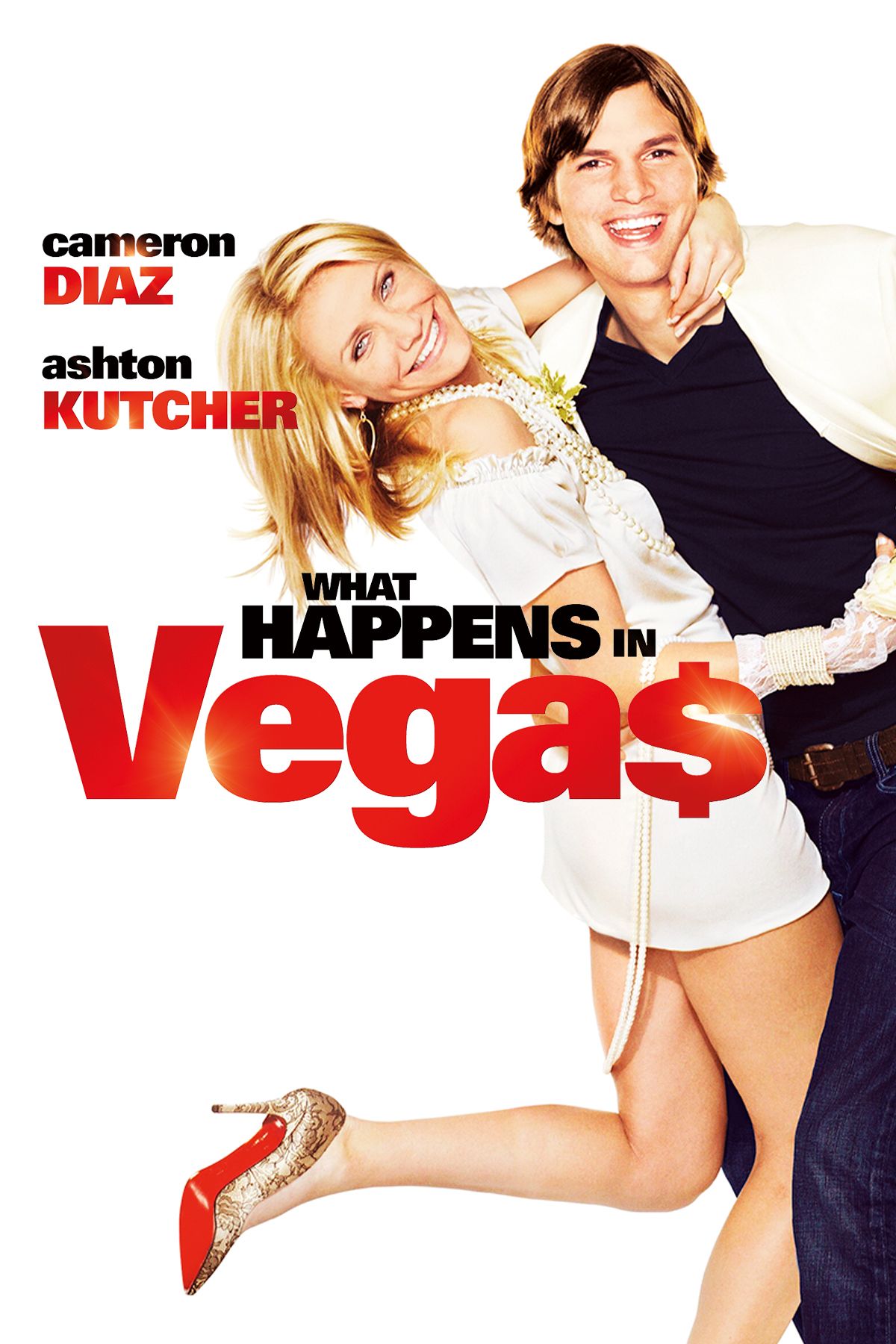
The trailer for “What Happens in Vegas” further solidified its brand by leaning into well-established romantic comedy archetypes. It showcased the charming leads (Cameron Diaz and Ashton Kutcher), the unlikely premise (a drunken marriage leading to a shared jackpot), and the ensuing comedic conflict as they are forced to cohabitate. The fast-paced editing, witty dialogue, and lighthearted music all signaled clearly that this was a romantic comedy. By aligning with these familiar genre conventions, the trailer set clear audience expectations, allowing viewers to quickly categorize the film and decide if it aligned with their entertainment preferences. It wasn’t just about showing what happens; it was about showing how it happens within a beloved and predictable genre framework.
The Power of Nostalgia and Familiarity
Tapping into pre-existing cultural understanding or even a sense of nostalgia is a powerful branding technique. For “What Happens in Vegas,” the familiarity of the slogan provided an immediate hook. But more broadly, films often brand themselves by evoking a sense of nostalgia for a particular era, a classic film style, or even a beloved actor’s past roles. This familiarity fosters a sense of comfort and trust, making the new brand (the film) feel less intimidating and more inviting. It leverages emotional connections already present in the audience, making the marketing message more impactful and memorable. The cultural resonance acts as a shortcut to emotional engagement, enhancing brand recall and driving interest.
Measuring Trailer Impact: Analytics and Audience Engagement
In the digital age, the impact of a movie trailer extends far beyond its initial broadcast. Studios now have sophisticated tools to measure audience engagement and analyze performance, transforming trailer release into a highly data-driven branding exercise. Understanding these metrics is crucial for optimizing marketing strategies and predicting box office success.
Digital Metrics and Viewer Behavior
The digital landscape provides a treasure trove of data on trailer performance. Key metrics include views, likes, dislikes, shares, and comments across platforms like YouTube, Facebook, and Instagram. Beyond simple view counts, deeper analytics reveal crucial viewer behavior: watch time (how much of the trailer viewers complete), re-watch rates, and click-through rates to official websites or ticket purchase links. High engagement metrics signal strong audience interest and positive brand reception, indicating that the trailer is effectively capturing attention and generating buzz. Conversely, low engagement or negative sentiment can prompt studios to adjust their marketing campaigns, perhaps by releasing a different cut of the trailer or shifting focus in subsequent promotional materials. This real-time feedback loop is invaluable for refining a film’s brand narrative.
Social Listening and Sentiment Analysis
Beyond quantitative metrics, social listening tools allow studios to monitor online conversations about their trailers. This involves tracking mentions, hashtags, and discussions across social media, forums, and news sites. Sentiment analysis, often powered by AI, helps gauge the overall public mood towards the trailer and, by extension, the film’s brand. Are people excited, critical, confused, or indifferent? Identifying emerging trends, popular reactions, and specific points of discussion enables marketing teams to understand what aspects of the trailer are resonating (or not). This qualitative data provides deeper insights into audience perception, informing adjustments to the broader marketing strategy, public relations efforts, and even potentially influencing subsequent trailer cuts or targeted advertising campaigns to reinforce positive sentiment and address concerns.
From Trailer to Ticket Sales
Ultimately, the success of a trailer as a branding tool is measured by its ability to translate into ticket sales. Studios use sophisticated models to correlate trailer viewership, engagement, and sentiment with pre-sale ticket data and opening weekend box office projections. A strong trailer campaign can significantly boost early tracking numbers, indicating high audience intent. While many factors contribute to a film’s overall success, the trailer’s role in building initial awareness, establishing brand appeal, and driving the desire to watch is undeniable. Understanding the ROI of trailer production and distribution involves a complex analysis of these various data points, allowing studios to refine their approaches for future cinematic brands and maximize their financial returns.
Future of Cinematic Branding: AI, Personalization, and Interactive Trailers
The landscape of cinematic branding is in constant evolution, driven by technological advancements and shifting consumer behaviors. The future of movie trailers, as a core branding tool, lies in harnessing these innovations to create even more targeted, engaging, and personalized experiences.
AI in Trailer Production and Optimization
Artificial intelligence is poised to revolutionize trailer creation. AI algorithms can analyze vast datasets of successful trailers, identifying patterns in pacing, music cues, emotional arcs, and visual elements that correlate with high audience engagement and box office success. This data can then be used to inform the editing process for new trailers, even suggesting optimal cuts or combinations of scenes. Furthermore, AI can assist in audience segmentation, helping to create multiple versions of a trailer, each optimized for different demographic groups or interest categories. This level of data-driven precision in crafting a film’s initial brand impression will ensure that trailers are not just creatively compelling but also strategically maximized for impact, reducing guesswork and enhancing efficiency in the branding process.
Personalized Trailer Experiences
The dream of a truly personalized marketing experience is becoming a reality, and movie trailers are no exception. Imagine a future where a streaming platform or social media site could dynamically generate a trailer tailored specifically to your viewing history and preferences. If you frequently watch sci-fi thrillers, the trailer might emphasize the film’s suspenseful elements and futuristic technology. If you prefer character-driven dramas, it might highlight the emotional performances and relational dynamics. This level of personalization would allow a film’s brand to be presented in its most appealing light to each individual viewer, maximizing engagement and conversion rates. This bespoke branding approach would move beyond broad demographic targeting to hyper-specific individual appeal, making the film’s brand feel uniquely relevant to each person.
Interactive and Immersive Trailer Formats
Beyond passive viewing, the next frontier for trailers lies in interactivity and immersion. Augmented Reality (AR) and Virtual Reality (VR) could transform trailers into experiential narratives. Imagine a trailer where you can explore a film’s set, interact with objects, or even choose your own adventure, influencing which scenes you see next. Gamified trailer experiences, where viewers complete challenges or uncover hidden clues, could also foster deeper engagement and build a stronger connection with the film’s world and characters. These immersive formats turn the trailer from a promotional piece into an engaging brand experience, allowing audiences to “step into” the film’s universe before its release. This not only generates immense buzz but also allows the film’s brand to be experienced actively, creating a more memorable and compelling introduction.

Conclusion
The movie trailer, as exemplified by the simple yet profound query “what happens in vegas movie trailer,” is a masterclass in modern branding and marketing. It is a sophisticated, multi-faceted tool that transcends mere advertisement to become the primary architect of a film’s identity, genre, and emotional appeal. From the strategic timing of its release to the meticulous selection of every visual and auditory element, each trailer is a carefully constructed narrative designed to capture imagination, build anticipation, and compel audiences to engage.
As the film industry continues to navigate a rapidly evolving media landscape, the trailer’s role as a brand builder remains paramount. Its evolution, driven by data analytics, AI, personalization, and immersive technologies, promises an even more targeted and engaging future for cinematic branding. Ultimately, a successful movie trailer doesn’t just promote a film; it crystallizes its brand, imprints it onto the cultural consciousness, and transforms a simple concept into a desired experience, proving that what happens in those crucial few minutes often determines what happens at the box office.
aViewFromTheCave is a participant in the Amazon Services LLC Associates Program, an affiliate advertising program designed to provide a means for sites to earn advertising fees by advertising and linking to Amazon.com. Amazon, the Amazon logo, AmazonSupply, and the AmazonSupply logo are trademarks of Amazon.com, Inc. or its affiliates. As an Amazon Associate we earn affiliate commissions from qualifying purchases.