
In the final chapter of the Hunger Games tetralogy, Mockingjay Part 2, the conflict between the Capitol and the Districts shifts from physical survival to a sophisticated battle of perception. While the film is often viewed as a war drama, it serves as an extraordinary case study in brand strategy, corporate identity, and the high-stakes world of narrative control. In this landscape, Katniss Everdeen is no longer just a tribute; she is the “Mockingjay,” a meticulously engineered brand intended to unify a fractured consumer base—the citizens of Panem—under a single banner of revolution.
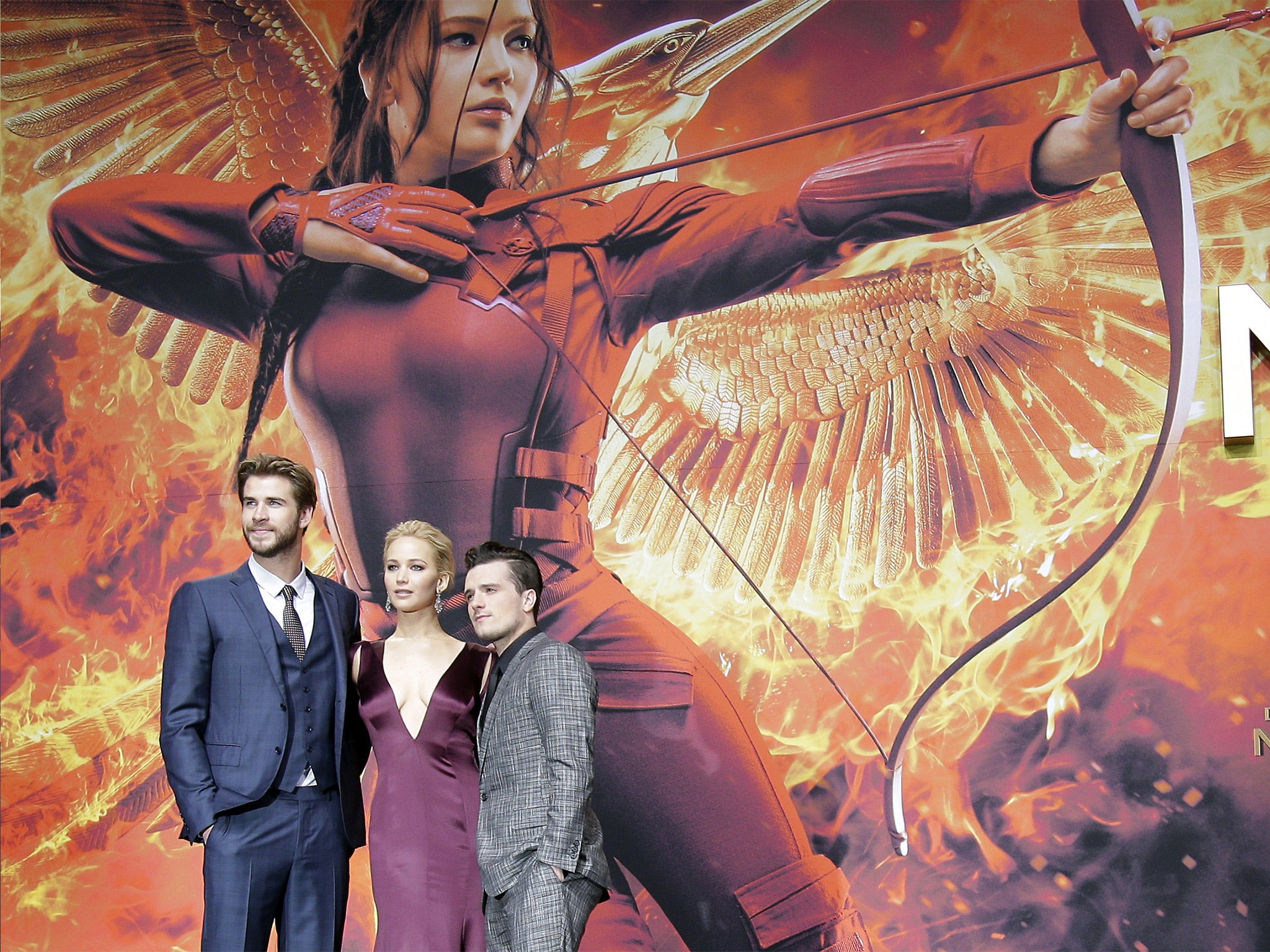
To understand what happens in Mockingjay Part 2 through the lens of brand strategy, we must examine how District 13’s leadership uses Katniss as a vessel for a political product launch, and how the Capitol attempts to counter-brand the rebellion as a chaotic, destructive force.
The Anatomy of a Symbol: Building the Mockingjay Brand
The success of any brand relies on a clear visual identity and a narrative that resonates with the target audience. In Mockingjay Part 2, the Mockingjay is not merely a bird; it is a logo. The rebellion’s marketing team, led by Plutarch Heavensbee and executed by the camera crew directed by Cressida, understands that for the revolution to succeed, it needs a face that embodies the “brand values” of courage, defiance, and justice.
Visual Identity and Consistency
Consistency is the cornerstone of effective branding. Throughout the film, Katniss is rarely seen without her signature “Mockingjay” suit—a tactical, sleek, and recognizable uniform designed by Cinna. This visual consistency ensures that whenever she appears in “propos” (propaganda spots), the audience immediately associates her with the revolution. The Mockingjay pin, her signature bow, and the four-note whistle serve as brand assets that are instantly recognizable, cutting through the noise of the Capitol’s misinformation. In branding terms, these assets create high recall value, allowing the message to spread even in the absence of a direct broadcast.
Authenticity vs. Artifice
One of the most profound branding lessons in Mockingjay Part 2 is the tension between authenticity and artifice. Early in the narrative, District 13 attempts to script Katniss, forcing her into a sanitized, controlled version of the hero archetype. These efforts fail because they lack the “authentic voice” that consumers—the rebels in the Districts—crave. It is only when Katniss is placed in the field, reacting naturally to the horrors of the Capitol’s actions, that the “Mockingjay brand” gains traction. This highlights a modern marketing truth: today’s audiences are highly attuned to artificiality. A brand that feels manufactured will be rejected, whereas one that reveals its flaws and raw emotions builds deep-seated loyalty.
Content Distribution and the “Propo” Strategy
In Mockingjay Part 2, the war is fought as much on television screens as it is on the battlefield. The rebellion uses a sophisticated content distribution strategy through “propos”—short, high-impact videos designed to influence public opinion and demoralize the opposition. This is guerilla marketing in its purest form, leveraging hijacked broadcasts to reach a captive audience.
Guerilla Marketing in Panem
The rebellion’s strategy mimics the disruptors of the digital age. They do not have the infrastructure of the Capitol, so they must use agility and creativity to bypass the “gatekeepers” of information. By inserting their content into the Capitol’s own feed, they create a “hijacked narrative.” This tactic forces the incumbent brand (President Snow’s regime) to react constantly, placing the rebellion in the position of the market leader in the conversation. What happens in these propos is not just news; it is a calculated effort to devalue the Capitol’s “Fear” brand and replace it with the rebellion’s “Hope” brand.
Managing the Crisis Narrative
President Snow is an expert in crisis management and counter-branding. Throughout the film, he uses Peeta Mellark as a counter-narrative tool. By brainwashing Peeta, Snow effectively creates a “spoiler” for the Mockingjay brand. He takes a beloved figure and turns him into a spokesperson for the opposition, sowing confusion and doubt among the rebellion’s followers. This is the ultimate corporate sabotage: turning a brand’s own assets against it. The rebellion’s challenge in Mockingjay Part 2 is to manage this PR crisis without destroying the asset (Peeta) or alienating their supporters.

Rebranding the Revolution: From District Hero to Global Icon
As the narrative progresses, the Mockingjay brand must undergo a “pivot.” Initially, Katniss was a symbol for the oppressed coal miners of District 12. By the end of the story, she must represent all of Panem, including the citizens of the Capitol who are disillusioned by Snow’s tyranny. This requires a broadening of the brand’s appeal.
The Pivot: Moving Beyond the Games
The “Hunger Games” brand was built on spectacle and division. To move beyond this, the rebellion must rebrand the conflict as a liberation movement rather than a vengeful uprising. Katniss’s evolution from a survivor to a leader represents this shift. She moves from a defensive posture to an offensive one, not just in a military sense, but in an ideological sense. The brand pivot is successful because it addresses a universal human need—freedom—rather than a niche grievance.
Audience Engagement and Emotional Connection
The reason the Mockingjay brand succeeds where others might have failed is its ability to foster an emotional connection. Branding is not about what a product does; it is about how it makes the consumer feel. Katniss’s personal tragedies—the loss of her home, her friends, and eventually her sister—are integrated into the brand narrative. This vulnerability makes the brand relatable. In Mockingjay Part 2, the audience isn’t just watching a war; they are following a personal journey that they have an emotional stake in. This “brand loyalty” is what drives the rebels to risk their lives for the cause.
Competitive Positioning: The Capitol vs. District 13
Mockingjay Part 2 concludes with a stark look at competitive positioning between two rival “corporate” entities: the Capitol and District 13 (led by President Coin). Both entities seek the same market share—the governance of Panem—and both use branding to achieve it.
Brand Loyalty and the Cost of Trust
President Coin represents a “challenger brand” that is just as cold and calculating as the incumbent. She views Katniss not as a person, but as a marketing asset to be used and discarded once the “product launch” (the new government) is complete. This introduces the theme of brand ethics. When a brand treats its ambassadors or its audience as mere statistics, it risks a catastrophic loss of trust. Katniss’s eventual realization that Coin is simply a rebrand of Snow’s tyranny leads to the film’s climactic “strategic realignment.”
The Exit Strategy: Sunsetting the Mockingjay
Every successful brand campaign must have an exit strategy. Once the goal of the revolution is achieved, the “Mockingjay” as a symbol of war becomes a liability for a peaceful society. The film’s final act is essentially the “sunsetting” of the brand. Katniss’s assassination of Coin instead of Snow is a radical act of brand autonomy. She refuses to be the face of a new, equally corrupt regime. By withdrawing from the public eye and returning to the ruins of District 12, she effectively retires the Mockingjay brand, preventing it from being co-opted by a new set of power brokers.

The Legacy of the Narrative
In the final analysis, what happens in Mockingjay Part 2 is the story of how a narrative is built, contested, and ultimately dismantled. The film illustrates that while logos, uniforms, and slogans are powerful tools, they are secondary to the underlying truth of the brand. Katniss Everdeen’s journey shows that the most powerful brand identity is one that remains true to its core values, even when those values conflict with the goals of the “marketing department” (the political leadership).
For modern brand strategists, the film offers several key takeaways:
- Narrative Control is Power: In a crowded marketplace, the entity that tells the most compelling story wins.
- Authenticity Cannot Be Faked: Forced branding will always fail in the face of raw, authentic experience.
- Symbols are Dynamic: A symbol can be a tool for liberation or an instrument of control; the “brand manager” must choose wisely.
- Consistency Builds Trust: Repeated visual and auditory cues create a sense of reliability and strength.
Mockingjay Part 2 is a reminder that in the world of branding, as in the world of Panem, the battle for the mind is the most important battle of all. The film concludes not just with a change in government, but with a total disruption of the status quo, proving that a well-executed brand strategy can, quite literally, change the world.
aViewFromTheCave is a participant in the Amazon Services LLC Associates Program, an affiliate advertising program designed to provide a means for sites to earn advertising fees by advertising and linking to Amazon.com. Amazon, the Amazon logo, AmazonSupply, and the AmazonSupply logo are trademarks of Amazon.com, Inc. or its affiliates. As an Amazon Associate we earn affiliate commissions from qualifying purchases.