
The S phase, or synthesis phase, of the eukaryotic cell cycle is a fundamental biological process characterized by the replication of DNA. Far from being an isolated biological event, its intricate mechanisms and critical role in cell proliferation have made it a focal point for technological innovation. Understanding “what happens in S phase” today extends beyond molecular biology labs, deeply integrating with advanced computing, data analysis, and sophisticated instrumentation to unravel its complexities, diagnose dysfunctions, and develop novel therapeutic strategies.
Unpacking the S Phase: DNA Replication and Its Digital Frontier
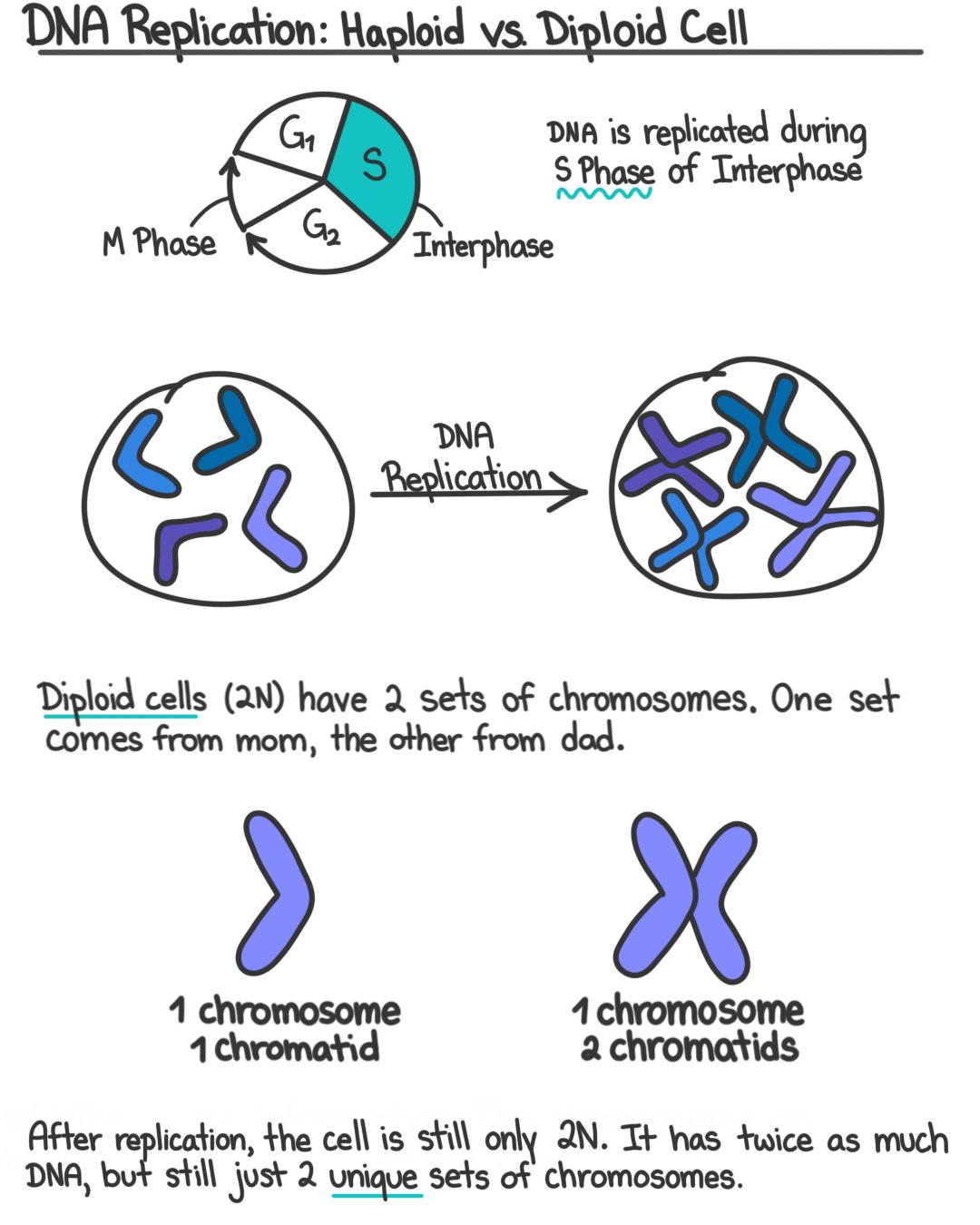
At its core, the S phase is dedicated to the precise duplication of a cell’s entire genome. This isn’t merely copying DNA; it’s a meticulously orchestrated process involving unwinding the double helix, synthesizing new complementary strands, and ensuring fidelity across billions of base pairs. The digital frontier has profoundly reshaped how we observe, measure, and comprehend these processes, transforming abstract biological concepts into analyzable data streams.
The Core Biological Event: DNA Synthesis
During S phase, each of the cell’s chromosomes is duplicated. This involves initiating DNA replication at multiple origins along the DNA molecule, followed by the synthesis of new DNA strands by DNA polymerases. The process is semi-conservative, meaning each new DNA molecule consists of one original and one newly synthesized strand. This monumental task of copying an entire genome, often several gigabases long, within a constrained timeframe and with minimal errors, is a marvel of biological engineering. While the fundamental enzymatic reactions have been known for decades, the spatial and temporal regulation, the interplay of countless proteins, and the error-correction mechanisms are still subjects of intense research, heavily supported by technological advancements.
Digitalizing the Blueprint: Next-Generation Sequencing Technologies
Our ability to precisely understand DNA replication has been revolutionized by next-generation sequencing (NGS) technologies. Techniques like whole-genome sequencing (WGS) and replication timing assays (e.g., Repli-seq, OK-seq) provide unprecedented detail on the initiation, progression, and termination of DNA synthesis across entire genomes. Instead of indirect biochemical assays, researchers can now sequence newly synthesized DNA strands, map replication origins with high resolution, and monitor fork progression dynamically. These technologies generate colossal amounts of data—terabytes of genomic information—that require sophisticated computational tools for alignment, variant calling, and downstream analysis. The raw biological event of DNA replication is thus translated into a digital data landscape, enabling comprehensive study previously unimaginable.
Bioinformatics and Computational Biology in S Phase Research
The sheer volume and complexity of data generated from studying the S phase necessitate robust bioinformatics pipelines and computational biology approaches. These digital tools are indispensable for making sense of the genomic chaos, identifying patterns, and building predictive models that illuminate the regulatory mechanisms of DNA replication.
Handling Genomic Data: Algorithms and Databases
Bioinformatics is the backbone of modern S phase research. Algorithms are developed to process raw sequencing reads, align them to reference genomes, identify single nucleotide polymorphisms (SNPs), structural variations, and importantly, map regions of active DNA synthesis. Databases, such as NCBI’s GenBank or UCSC Genome Browser, serve as repositories for genomic sequences and annotations, allowing researchers to compare replication patterns across different species, cell types, or disease states. Specialized databases curate information on replication origins, DNA repair pathways, and cell cycle regulatory proteins. Without high-throughput computational processing and intelligently designed algorithms, the vast datasets generated by technologies like NGS would remain uninterpretable, hindering discovery into the nuances of DNA replication control.
Modeling the Machinery: Simulating Replication Dynamics
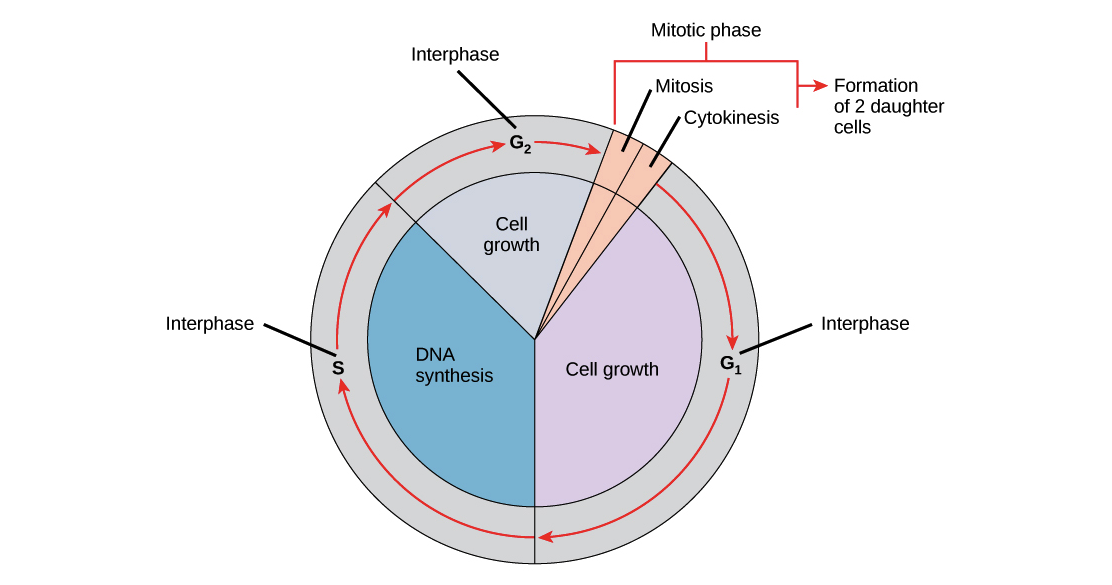
Computational modeling extends beyond data processing to simulating the dynamic processes occurring during S phase. Mathematical and statistical models are used to understand the kinetics of replication fork movement, the coordination of multiple origins, and the impact of chromatin structure on DNA accessibility. Agent-based models can simulate the interactions of various proteins involved in replication and DNA damage response, predicting how perturbations might affect overall S phase progression. These simulations allow researchers to test hypotheses in silico, reducing the need for costly and time-consuming wet-lab experiments. Furthermore, integrating multi-omics data (genomics, transcriptomics, proteomics) into network models helps to build a holistic picture of the regulatory networks governing S phase, providing a systems-level understanding of this critical cellular event.
AI and Machine Learning: Predicting and Perturbing S Phase Activity
The application of Artificial Intelligence (AI) and Machine Learning (ML) is rapidly transforming S phase research, moving beyond descriptive analysis to predictive modeling and accelerating the discovery of new therapeutic targets. By identifying subtle patterns and complex relationships within vast biological datasets, AI is proving invaluable in understanding and manipulating DNA replication.
Accelerating Drug Discovery Targeting Replication
Dysregulation of the S phase, particularly uncontrolled DNA replication, is a hallmark of cancer. Many chemotherapeutic agents target various aspects of DNA synthesis or DNA repair mechanisms active during S phase. AI and ML algorithms are being deployed to screen vast chemical libraries for compounds that specifically inhibit DNA replication enzymes or interfere with S phase checkpoints. These tools can predict the efficacy and toxicity of potential drug candidates, analyze complex drug-target interactions, and identify biomarkers that predict patient response. For instance, deep learning models can analyze cell imaging data to identify subtle morphological changes indicative of S phase arrest or DNA damage, providing a high-throughput screening platform for novel anti-cancer drugs. This accelerates the drug discovery pipeline, making the development of more targeted and effective therapies a more efficient process.
Predictive Analytics for Cell Cycle Dysregulation
Beyond drug discovery, AI-driven predictive analytics is being used to understand the causes and consequences of S phase dysregulation in various diseases. ML models can analyze genomic and transcriptomic data from patient samples to predict the likelihood of aberrant S phase progression, which is often linked to genomic instability and tumor progression. These models can also identify novel genetic mutations or epigenetic modifications that impact replication timing or efficiency, offering insights into disease mechanisms. Furthermore, AI can integrate clinical data with molecular profiles to develop personalized medicine approaches, predicting how individual patients might respond to therapies that target the S phase, thereby optimizing treatment strategies and improving patient outcomes.
Advanced Tools for S Phase Visualization and Manipulation
Modern technological advancements have not only enabled a deeper computational understanding of the S phase but also provided sophisticated physical tools for visualizing and manipulating the intricate processes of DNA replication in real-time and with high precision.
High-Resolution Imaging and Microscopy
Observing DNA replication live within a cell was once a distant dream, but advances in microscopy have made it a reality. Super-resolution microscopy techniques, such as STED (Stimulated Emission Depletion) and PALM/STORM (Photoactivated Localization Microscopy/Stochastic Optical Reconstruction Microscopy), allow researchers to visualize individual DNA polymerases, replication forks, and associated proteins with nanometer precision. Live-cell imaging, coupled with fluorescently tagged proteins and DNA precursors, enables the tracking of replication foci dynamics, cell cycle progression, and DNA damage response in living cells. This real-time, high-resolution visualization provides critical insights into the spatio-temporal organization of DNA synthesis, revealing how the cellular machinery orchestrates genome duplication in a crowded nuclear environment.

Gene Editing Technologies and Their Impact
CRISPR-Cas9 and other gene editing technologies represent a paradigm shift in our ability to dissect and manipulate S phase components. Researchers can now precisely modify genes encoding replication proteins, cell cycle regulators, or DNA repair enzymes to study their specific roles in DNA synthesis and genomic stability. This allows for the creation of cell line models with specific S phase defects, enabling detailed functional analysis of gene variants implicated in developmental disorders or cancer. Furthermore, gene editing can be used to engineer reporter systems that visually signal S phase entry or progression, providing powerful tools for high-throughput screening and drug development. The ability to precisely target and alter the genomic landscape directly impacts our capacity to both understand “what happens in S phase” at a fundamental level and to develop new strategies for correcting its dysfunctions.
In conclusion, the S phase, a cornerstone of cell biology, has become a vibrant arena for technological exploration. From next-generation sequencing that digitalizes the genome to AI algorithms that predict drug efficacy and super-resolution microscopy that visualizes molecular events, technology is not just aiding research but actively redefining our understanding of DNA replication. This convergence of biology and technology promises to unlock further secrets of the cell cycle, with profound implications for medicine, biotechnology, and our fundamental grasp of life itself.
aViewFromTheCave is a participant in the Amazon Services LLC Associates Program, an affiliate advertising program designed to provide a means for sites to earn advertising fees by advertising and linking to Amazon.com. Amazon, the Amazon logo, AmazonSupply, and the AmazonSupply logo are trademarks of Amazon.com, Inc. or its affiliates. As an Amazon Associate we earn affiliate commissions from qualifying purchases.