
In the intricate tapestry of F. Scott Fitzgerald’s “The Great Gatsby,” Chapter 5 stands as a watershed moment. It is here that Jay Gatsby, the enigmatic millionaire whose very existence is a meticulously crafted performance, finally orchestrates his reunion with Daisy Buchanan. While ostensibly a personal encounter driven by romantic longing, a deeper analysis reveals Chapter 5 as a masterclass in the strategic deployment of personal branding, highlighting how an individual can construct an entire identity to achieve profoundly impactful goals. This chapter is not merely about a chance meeting; it’s about the calculated execution of a long-term branding strategy, where every element, from the opulent setting to Gatsby’s carefully curated persona, is designed to resonate with his target audience: Daisy.
The Grand Rehearsal: Setting the Stage for Brand Impression
Gatsby’s preparations for the tea with Daisy are not those of a nervous suitor; they are those of a brand manager executing a critical product launch. The meticulous attention to detail underscores the core principle of branding: presentation is paramount.
The Power of Atmosphere: Curating the Environment for Maximum Impact
The scene is set at Nick Carraway’s humble bungalow, a stark contrast to the grandeur Gatsby usually commands. This intentional choice is a strategic branding move. Gatsby doesn’t simply show up; he transforms the setting into a reflection of his aspirations and, more importantly, his perceived status in Daisy’s eyes.
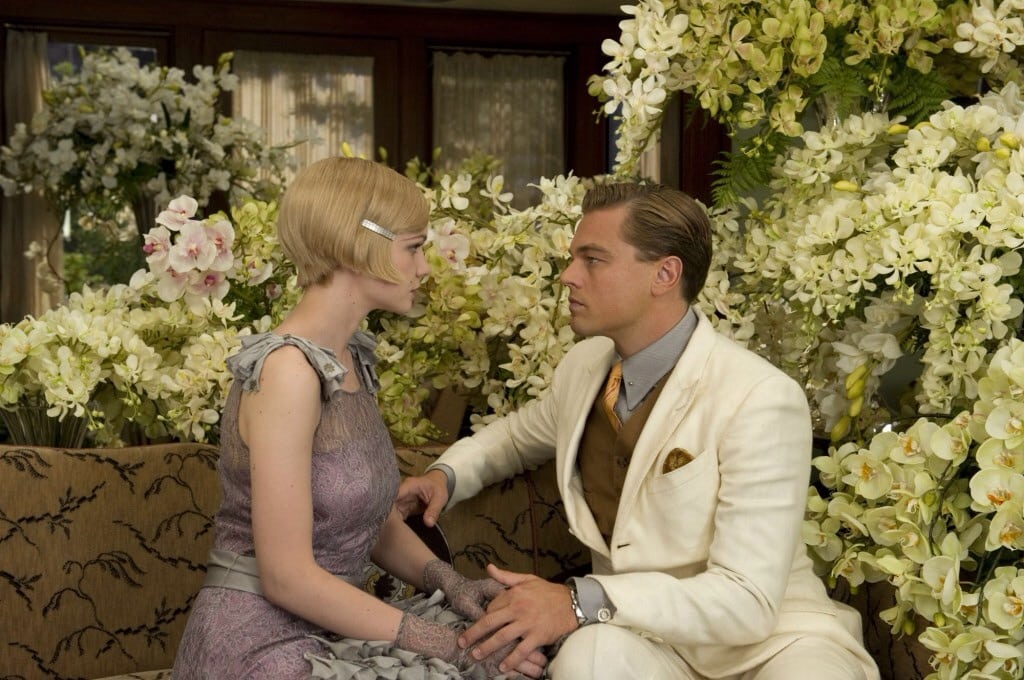
- The Deluge of Flowers: Gatsby’s order of an extravagant quantity of flowers – “a cascade of flowers,” “a veritable wall of flowers” – is not a spontaneous act of affection. It’s a deliberate visual statement. Flowers, in a branded context, symbolize beauty, abundance, and a certain romantic idealism. By flooding Nick’s small house with such opulence, Gatsby visually communicates his wealth and his ability to command the extraordinary. This creates an immediate, visceral impression of his capabilities, mirroring how a brand might use lavish packaging or elaborate store displays to signal premium quality.
- The Weather as a Metaphor for Brand Reception: The initial awkwardness and the relentless rain are masterfully transformed. Gatsby’s palpable anxiety, visible in his almost robotic behavior, is a temporary glitch in his brand performance. However, as the sun emerges and the atmosphere shifts, so too does Gatsby’s confidence, allowing his carefully constructed brand to shine through. The clearing of the weather can be seen as a metaphor for the brand overcoming initial market resistance, with the sun symbolizing acceptance and success. The act of Gatsby himself fussing over the details, ensuring the “perfect” ambiance, is akin to a brand meticulously overseeing its customer experience.
The Rehearsed Narrative: Crafting the Story of Success
Gatsby’s entire persona is a narrative he has painstakingly built. Chapter 5 provides the first true test of this narrative in a direct encounter with its intended recipient. His past, his wealth, his entire identity have been curated for this moment.
- The “West Egg” Mythos: Gatsby’s mansion, his parties, his rumored activities – all contribute to the mythos of West Egg and his central role within it. This mythos is not just about wealth; it’s about an aspirational lifestyle, a romanticized version of the American Dream. Daisy, having grown up in privilege, is drawn to this narrative. Gatsby’s brand, therefore, isn’t just about financial capital; it’s about social and aspirational capital.
- The Power of Anecdotes and Material Possessions: Gatsby strategically deploys anecdotes and his material possessions to reinforce his brand story. The tour of his mansion, showcasing his vast wardrobe and his extensive library (even the books are arranged for show, with unread pages), are all elements designed to impress. He doesn’t just tell Daisy he’s successful; he shows her, leveraging tangible assets to validate his intangible brand. This is analogous to a company showcasing its innovative products, its satisfied clientele, or its state-of-the-art facilities as proof of its brand’s excellence.
The Unveiling of the “Jay Gatsby” Brand: A Masterclass in Persona Management
Jay Gatsby’s brand is not inherent; it is constructed, piece by carefully selected piece. Chapter 5 allows this meticulously built persona to be directly presented to Daisy, the ultimate arbiter of its success.
The Transformation from Mysterious Figure to Tangible Presence
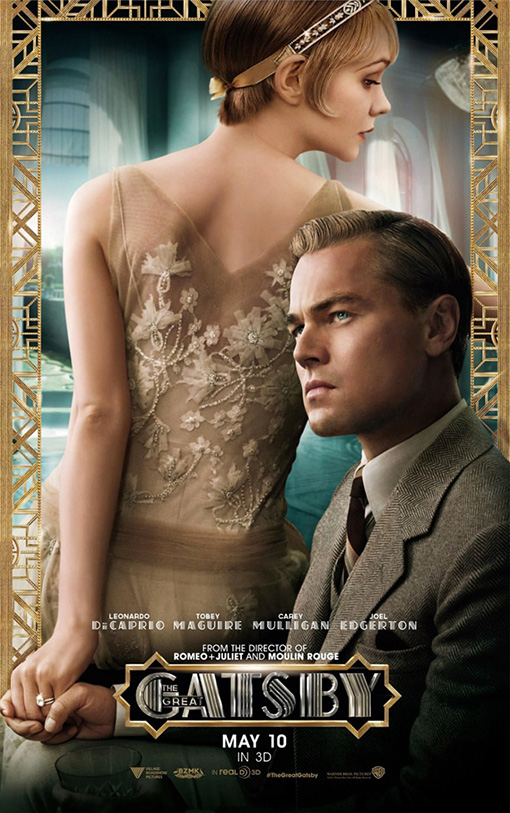
For years, Gatsby has been a whisper, a rumor, a name associated with extravagant parties. In Chapter 5, he transitions from a spectral presence to a palpable entity, confronting Daisy with the reality of the man behind the legend. This is a crucial branding transition, moving from abstract allure to concrete engagement.
- The “Old Sport” Salutation: The repeated use of “Old Sport” is a signature element of Gatsby’s brand. It’s a term of endearment, a casual affectation that, while perhaps slightly unnatural, becomes intrinsically linked to his identity. It creates a sense of familiarity and belonging, a subtle branding cue designed to evoke a specific emotional response.
- The Vulnerability Beneath the Polish: While Gatsby is presenting his polished brand, Chapter 5 also reveals cracks in the façade. His overwhelming nervousness, his near-collapse at the sight of Daisy, and his desperate need for her approval humanize him but also expose the immense pressure of maintaining such a high-stakes brand. This vulnerability, paradoxically, can also be a branding strength; it suggests authenticity and earnestness, qualities often sought after in a saturated market.
The Strategic Deployment of “Proof Points”
Gatsby’s brand is built on the promise of his success and his devotion to Daisy. Chapter 5 is where he provides tangible “proof points” to validate this promise.
- The Wardrobe Reveal: The famous scene where Gatsby throws his shirts, demonstrating the sheer volume and luxury of his possessions, is a powerful branding statement. Each shirt represents a facet of his success, a tangible manifestation of the wealth he has accumulated to win Daisy back. It’s a display of “abundance marketing,” showcasing not just what he has, but the extent to which he has it. This is similar to how a luxury brand might showcase its heritage craftsmanship or the exclusivity of its materials.
- The “Five Years Ago” Narrative: Gatsby subtly weaves the narrative of his past with Daisy, reminding her of their shared history and the depth of his enduring affection. This narrative reinforces his brand’s core message: that his entire recent life, his wealth, his mansion, his parties, have all been dedicated to recapturing that moment. It’s a form of testimonial marketing, using his own story as the ultimate endorsement.
The Unintended Consequences of a Brand Built on Illusion
While Chapter 5 is a triumph of Gatsby’s branding efforts, it also lays the groundwork for the inherent instability of a brand constructed on a foundation of illusion and a singular, obsessive goal.
The Disconnect Between Brand and Reality
Gatsby has built his brand around the idea of being able to provide Daisy with a life of unparalleled luxury and romance, a life that mirrors the idyllic past they once shared. However, Daisy’s present reality, shaped by her marriage to Tom and her daughter, presents a more complex picture.
- Daisy’s Disappointment: The initial reaction of Daisy to Gatsby’s opulent possessions is not pure delight but a mix of awe and perhaps a touch of sadness. She cries, not necessarily from joy, but perhaps from the overwhelming realization of what she has lost and the sheer impracticality of Gatsby’s entire manufactured world. Her emotional response highlights the gap between the idealized brand Gatsby presents and the more grounded reality of her life. This is a classic branding challenge: can the product or service truly meet the evolving needs and expectations of the customer?
- The “Green Light” Symbolism Revisited: The green light across the bay, a beacon of Gatsby’s aspirations, takes on a new dimension after the reunion. It’s no longer just a symbol of hope; it becomes a symbol of the distance that still exists between Gatsby’s dream and its realization. The brand has achieved proximity, but true integration into Daisy’s current life remains elusive.
The Brand’s Reliance on External Validation
Gatsby’s brand is inextricably linked to Daisy’s validation. His entire purpose is to elicit her approval and affection. This makes his brand inherently vulnerable, as its success is dependent on the capricious emotions and circumstances of another individual.
- Tom Buchanan as a Competitor Brand: The looming presence of Tom Buchanan represents a competing brand – one of established power, inherited wealth, and social dominance. Gatsby’s brand, despite its flash and ambition, is still trying to displace an entrenched, albeit less appealing, competitor. Chapter 5 sets the stage for this brand war, where Gatsby’s carefully crafted image will ultimately be pitted against Tom’s brute force and social standing.
- The Fragility of Constructed Identity: The chapter reveals the immense effort and emotional toll involved in maintaining Gatsby’s brand. His deep-seated insecurity and his desperate need for Daisy’s love expose the fragility of a constructed identity. True branding, in its most sustainable form, often involves a core of authentic values and capabilities. Gatsby’s brand, built on a romanticized past and a singular obsession, lacks this foundational authenticity, making it susceptible to collapse under pressure.
In essence, Chapter 5 of “The Great Gatsby” serves as a powerful allegorical exploration of personal branding. Gatsby’s elaborate efforts to curate his image, his environment, and his narrative are a testament to the power of presentation. However, the chapter also subtly warns of the limitations and vulnerabilities inherent in a brand built upon illusion and a singular, unyielding desire, demonstrating that even the most sophisticated branding strategy can falter when it fails to account for the complexities of human emotion and the unyielding realities of life.
aViewFromTheCave is a participant in the Amazon Services LLC Associates Program, an affiliate advertising program designed to provide a means for sites to earn advertising fees by advertising and linking to Amazon.com. Amazon, the Amazon logo, AmazonSupply, and the AmazonSupply logo are trademarks of Amazon.com, Inc. or its affiliates. As an Amazon Associate we earn affiliate commissions from qualifying purchases.