
A positive test for tuberculosis (TB) initiates a medical journey, but it also triggers a complex series of financial considerations that can significantly impact an individual’s personal finance landscape. Far beyond the immediate health implications, a TB diagnosis demands strategic financial planning, expense management, and a thorough understanding of available resources to mitigate the economic burden. For many, the question isn’t just “what now medically?” but also “how will I afford this, and what will happen to my income?”
The Immediate Financial Ramifications of a TB Diagnosis
The moment a TB diagnosis is confirmed, individuals are immediately confronted with a new financial reality. This phase is characterized by an urgent need to understand treatment costs and navigate the intricacies of health insurance.
Understanding Diagnostic and Treatment Costs
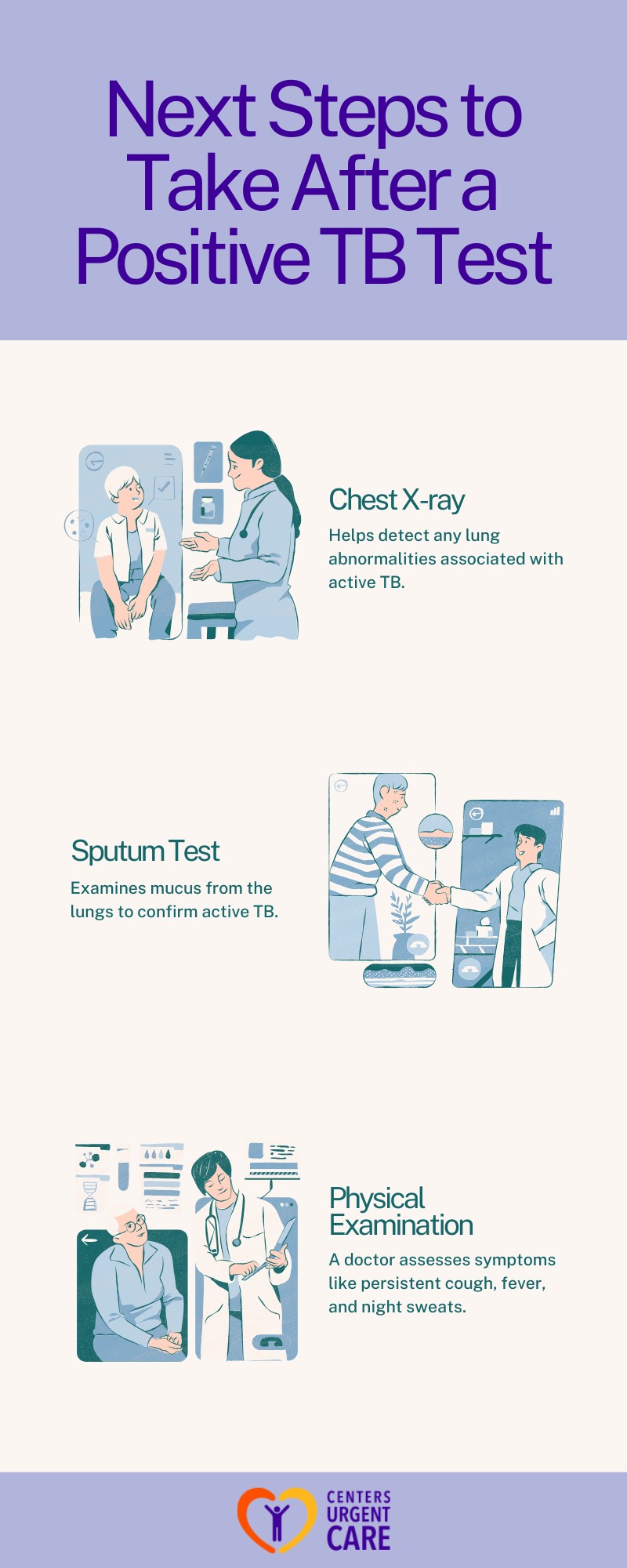
The initial costs associated with a positive TB test include confirmatory diagnostics such as sputum cultures, chest X-rays, and drug susceptibility testing. While some public health programs may cover portions of these, private healthcare systems often bill these services to the patient or their insurer.
The core financial impact, however, stems from the treatment regimen itself. Active TB disease typically requires a multi-drug course lasting six to nine months, and in some cases, even longer for drug-resistant strains. Medications, while often subsidized or provided free through public health initiatives in certain regions, can still incur dispensing fees or co-pays depending on the insurance plan. For individuals without adequate insurance or in regions where medication costs are borne by the patient, the monthly outlay for these essential drugs can be substantial. Beyond medication, ongoing medical appointments with infectious disease specialists or pulmonologists, laboratory tests to monitor treatment effectiveness and side effects, and potential hospitalization for severe cases or complications all contribute to a burgeoning list of expenses. These charges accumulate rapidly, necessitating a clear understanding of what is covered and what falls to the patient.
Navigating Health Insurance Coverage
Health insurance becomes a critical financial tool immediately following a TB diagnosis. Understanding the specifics of one’s policy—deductibles, co-pays, out-of-pocket maximums, and formularies—is paramount. Individuals need to ascertain whether their chosen specialists and treatment facilities are in-network to avoid higher out-of-network charges.
For many, meeting the deductible can be a significant upfront financial hurdle, potentially requiring several thousands of dollars before insurance benefits fully kick in. Once the deductible is met, co-pays for prescriptions and doctor visits will still apply. The overall out-of-pocket maximum acts as a ceiling for annual medical expenses, offering some protection against catastrophic costs, but reaching it can still represent a substantial financial drain. It’s advisable to contact the insurance provider directly, ideally with a patient advocate, to clarify coverage details for TB diagnosis and treatment, including potential coverage for travel to appointments or specialized care if required. Early and proactive engagement with the insurer can prevent unexpected bills and help manage cash flow during a challenging period.
Income Stability and Employment Considerations
Beyond direct medical costs, a TB diagnosis can profoundly impact an individual’s ability to work, leading to concerns about income stability and long-term financial planning.
Managing Lost Wages and Sick Leave
Active TB, particularly in its initial stages, often necessitates isolation to prevent transmission, meaning individuals may be unable to attend work. Even without isolation, the fatigue, side effects of medication, and frequent medical appointments can impair productivity and attendance. This directly translates into lost wages.
Understanding an employer’s sick leave policy, short-term disability benefits, or family medical leave options (such as those under the Family and Medical Leave Act in the U.S.) is crucial. Some employers offer paid sick leave that can cover initial absences, while others may require employees to use vacation days or go without pay. Short-term disability insurance, if an individual has it through their employer or privately, can replace a portion of their income (e.g., 50-70%) for a specified period, typically after an elimination period. Navigating these options requires careful documentation from healthcare providers and clear communication with human resources departments to ensure compliance and maximize available benefits. The financial impact of reduced or lost income demands immediate attention, potentially requiring adjustments to household budgets and prioritizing essential expenses.
Long-Term Financial Planning Amidst Recovery
While TB treatment can be long, most individuals make a full recovery. However, the period of recovery, even after the infectious stage, can still involve fatigue and a need for continued medical monitoring, which might affect one’s ability to fully return to pre-diagnosis work capacity or to pursue career advancements. This prolonged period of potential financial strain necessitates a review of long-term financial plans.
Individuals should consider the implications for their retirement savings, investment portfolios, and any existing debt. If income has been significantly reduced, difficult decisions may need to be made regarding contributions to 401(k)s or other investment vehicles. It’s also a time to assess whether current insurance policies, such as long-term disability or life insurance, adequately protect against future health uncertainties. Proactive engagement with a financial advisor can help model different scenarios, adjust investment strategies, and build a more resilient financial future post-recovery, ensuring that a health setback doesn’t derail long-term financial goals.
Budgeting for Ongoing Care and Lifestyle Adjustments
A positive TB test often initiates an extended period of managing health-related expenses, requiring a meticulous approach to personal budgeting and potentially significant lifestyle adjustments.
The Cost of Medications and Follow-up Appointments
Even after the initial intensive phase of treatment, patients must adhere to a strict medication regimen for several months. While some public health programs aim to provide TB drugs at no cost, not all patients qualify, and dispensing fees or specific brand-name alternatives might still incur costs. Furthermore, multi-drug resistant (MDR-TB) or extensively drug-resistant (XDR-TB) strains of TB require more complex, expensive, and longer-duration drug therapies, often with more severe side effects, leading to an even higher financial burden.
Regular follow-up appointments with specialists are essential to monitor progress, manage side effects, and ensure treatment adherence. These visits, often scheduled monthly, carry co-pays or require further contributions towards deductibles. Additionally, blood tests to check liver function (a common side effect of TB medications) and other laboratory diagnostics become recurrent expenses. Transportation costs to clinics, especially if specialized care is distant, can also add up. Integrating these predictable, yet persistent, expenses into a monthly budget becomes non-negotiable for effective financial management during treatment.
Adapting Household Budgets for Healthcare Needs
A TB diagnosis necessitates a re-evaluation and adaptation of the entire household budget. Non-essential spending may need to be curtailed to free up funds for medical co-pays, prescription costs, and potentially increased food expenses if dietary adjustments are recommended. This could mean postponing major purchases, reducing discretionary spending on entertainment, or re-evaluating subscriptions.
For families, the financial strain can be compounded if the primary income earner is affected or if additional childcare or eldercare costs arise due to appointments or recovery periods. Reviewing existing debt and interest rates might be prudent; consolidating high-interest debt could free up cash flow. Financial tools like budgeting apps or spreadsheets become invaluable for tracking every dollar and ensuring that healthcare-related expenses do not lead to financial distress. This period requires discipline and open communication among household members to collectively manage resources effectively.
Exploring Financial Assistance and Support Systems
Recognizing the potential for significant financial hardship, various avenues for financial assistance and support exist, which individuals should actively explore.
Government Programs and Patient Aid
Many countries and regions have public health programs designed to combat TB, which often include provisions for free or subsidized medication and treatment. It is crucial to inquire about these at the local public health department or clinic where the diagnosis is confirmed. These programs are often designed to ensure treatment adherence and prevent community spread, making them a primary resource for cost reduction.
Beyond TB-specific programs, individuals may qualify for broader government assistance programs based on income and health status. These could include Medicaid (in the U.S.), state-funded healthcare initiatives, or disability benefits if the illness leads to long-term work impairment. Non-profit organizations and patient advocacy groups also frequently offer financial aid, medication assistance programs, or grants to help cover treatment costs, transportation, or living expenses during recovery. Researching and applying for these programs can significantly alleviate the financial strain.
Leveraging Employer-Provided Benefits
Employers can be a significant source of support, even beyond sick leave and disability insurance. Many companies offer Employee Assistance Programs (EAPs) which provide confidential counseling, referrals to financial advisors, and information on health benefits. Some EAPs may even offer direct financial assistance in times of crisis.
Additionally, if the employer offers a Health Savings Account (HSA) or Flexible Spending Account (FSA), these accounts can be powerful tools for managing out-of-pocket medical expenses with pre-tax dollars. An HSA, in particular, allows for tax-free growth and withdrawals for qualified medical expenses, making it an excellent vehicle for health-related savings. Understanding and fully utilizing all available employer-provided benefits is a smart financial strategy when faced with a TB diagnosis.
Strategic Financial Preparedness for Health Uncertainties
While a TB diagnosis is often unexpected, it underscores the critical importance of proactive financial planning to build resilience against health uncertainties.
The Role of Emergency Funds and Disability Insurance
A robust emergency fund, typically three to six months’ worth of living expenses, is the first line of defense against unexpected health crises that may impact income or increase expenses. For someone facing a TB diagnosis, such a fund can provide a vital cushion, allowing them to focus on recovery without immediate financial panic.
Disability insurance, both short-term and long-term, is another cornerstone of financial preparedness. While short-term disability covers temporary periods of inability to work (like during the initial infectious phase of TB), long-term disability insurance provides income replacement for extended periods of illness or injury, potentially for years. Assessing current coverage, or considering adding it, is a proactive step that protects future earning capacity and financial stability, not just for TB but for any serious health event.

Proactive Financial Health Assessments
Regularly conducting a comprehensive financial health assessment is crucial. This involves reviewing insurance policies (health, disability, life), updating wills and estate plans, and ensuring that investment portfolios align with risk tolerance and long-term goals, especially when considering potential health impacts.
For individuals with pre-existing conditions or a family history of specific illnesses, a higher level of savings or more comprehensive insurance might be warranted. A TB diagnosis serves as a stark reminder that health and wealth are intricately linked. By taking proactive steps to build a strong financial foundation, individuals can better navigate the unexpected challenges that life, including health setbacks, may present, ensuring that recovery can take precedence over financial worries.
aViewFromTheCave is a participant in the Amazon Services LLC Associates Program, an affiliate advertising program designed to provide a means for sites to earn advertising fees by advertising and linking to Amazon.com. Amazon, the Amazon logo, AmazonSupply, and the AmazonSupply logo are trademarks of Amazon.com, Inc. or its affiliates. As an Amazon Associate we earn affiliate commissions from qualifying purchases.