
In an increasingly visually driven world, personal appearance serves as a potent, often unconscious, cornerstone of one’s brand identity. From professional LinkedIn profiles to casual social media presence, how one presents oneself physically communicates volumes. Among the most noticeable aspects of this presentation is hair. The decision to alter hair color or texture, especially through DIY methods like applying hydrogen peroxide, carries significant weight, extending far beyond mere aesthetics to deeply impact personal and even professional branding. Understanding “what happens” when hydrogen peroxide meets hair, therefore, isn’t just about chemical reactions; it’s about the ripple effect on your perceived competence, professionalism, and unique identity.
The Immediate Impact on Your Personal Canvas: Color, Texture, and Health
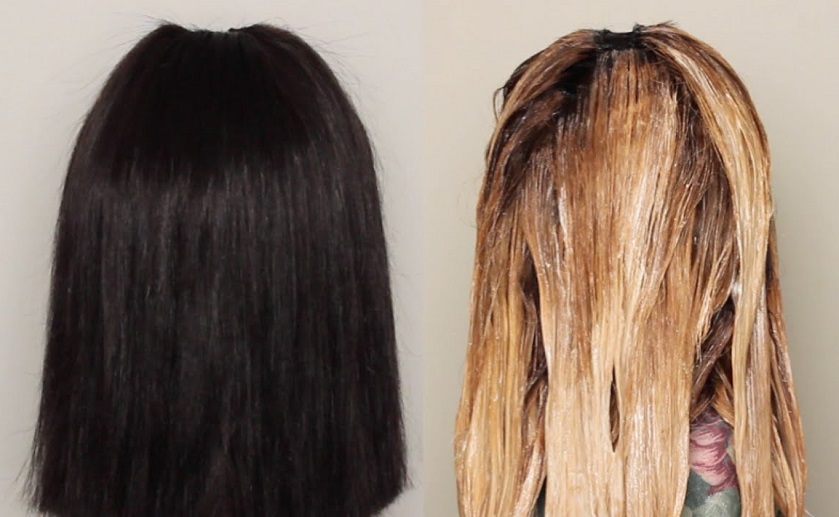
Hydrogen peroxide is a powerful oxidizing agent, commonly used as an antiseptic or, in diluted forms, as a bleaching agent for hair. Its fundamental action on hair is to open the cuticle, penetrate the hair shaft, and oxidize the melanin pigment, thereby lightening the hair. However, this process is far from benign or predictable, and its immediate physical effects have direct implications for personal branding.
Unintended Hues and Uneven Tones
One of the most immediate and common outcomes of using hydrogen peroxide on hair is an unpredictable color change. While the intention might be a lighter shade, the reality can often be a brassy orange, an undesirable yellow, or an uneven, splotchy result. This occurs because hydrogen peroxide reacts differently with various underlying pigments in the hair and can be influenced by previous color treatments, natural hair porosity, and application consistency. A uniform, salon-quality blonde is rarely achieved through direct application of peroxide.
From a brand perspective, an undesirable or uneven hair color immediately conveys a sense of unprofessionalism or carelessness. In a professional setting, where appearance often contributes to first impressions and ongoing credibility, hair that looks hastily or poorly treated can subtly undermine an individual’s perceived attention to detail and overall reliability. For a personal brand aiming for sophistication or meticulousness, such an outcome can be severely damaging, sending conflicting signals about one’s self-presentation and commitment to quality.
Structural Integrity and Hair Health
Beyond color, hydrogen peroxide significantly compromises the structural integrity and health of the hair. The oxidation process weakens the hair shaft by breaking down proteins (keratin) and lipids that provide strength, elasticity, and shine. This leads to several noticeable issues:
- Dryness and Brittleness: Hair becomes stripped of its natural oils, leaving it parched, rough to the touch, and prone to breakage.
- Frizz and Damage: The raised cuticles, which may not fully close, result in a perpetually frizzy appearance and make hair more susceptible to environmental damage.
- Loss of Shine: Healthy hair reflects light; damaged hair does not, appearing dull and lifeless.
- Increased Porosity: Damaged hair is more porous, meaning it absorbs and loses moisture rapidly, exacerbating dryness and making it difficult to style or maintain.
These physical manifestations of damage have direct branding consequences. Healthy, well-maintained hair is often associated with vitality, youthfulness, and self-care – qualities that contribute positively to any personal brand. Conversely, visibly damaged, dull, or frizzy hair can inadvertently project an image of neglect, stress, or a lack of attention to personal grooming. For individuals whose personal brand relies on an image of dynamism, competence, or health, these physical signs of damage can be particularly detrimental, creating a dissonant message between their desired brand and their actual presentation.
Personal Branding: Appearance as Your Foremost Statement
Your appearance, including your hair, is a critical component of your personal brand. It’s often the first thing people notice and can significantly influence their perception of you, even before you’ve uttered a single word.
Professionalism and Perceived Competence
In professional contexts, an individual’s grooming and presentation are intrinsically linked to perceptions of professionalism and competence. While creativity and individuality are often valued, particularly in certain industries, there’s an underlying expectation of neatness, care, and an understanding of appropriate presentation. Hair that appears damaged, discolored, or poorly managed due to DIY hydrogen peroxide application can subtly erode these perceptions.
Imagine a client meeting or a job interview: hair that is visibly stressed, unevenly colored, or breaking might lead an observer to unconsciously question the individual’s judgment, attention to detail, or ability to manage complex tasks. While unfair, these subconscious biases are a reality of human interaction. A strong personal brand in the professional sphere emphasizes reliability, expertise, and a polished demeanor. Hair that contradicts this image can create a subtle, yet persistent, drag on one’s professional standing and opportunities.
Authenticity Versus Experimentation

Personal branding also heavily relies on authenticity. People connect with brands that feel genuine and consistent. Experimenting with hair color using hydrogen peroxide can sometimes be seen as an expression of individuality or a playful side. However, when these experiments result in visibly poor outcomes, the perceived authenticity can suffer.
If an individual’s brand identity is built around creativity and daring, a bold, well-executed hair transformation might enhance it. But if the result is clearly a mistake—straw-like texture, patchy color, or an overall unhealthy look—it can contradict a brand built on self-care, wisdom, or even professional artistry. The risk is that instead of being seen as an authentic expression, it’s perceived as a misstep, reflecting poorly on one’s judgment. Managing the visual impact of such choices becomes crucial for maintaining brand integrity.
The DIY Narrative: Brand Perception of Self-Care Practices
The allure of DIY solutions is strong, often driven by a desire for autonomy, cost-saving, or the satisfaction of personal achievement. However, in the realm of beauty and self-care, the DIY narrative itself has distinct brand implications, especially when it comes to potent chemicals like hydrogen peroxide.
The Allure of Autonomy in Beauty
For some, choosing to use hydrogen peroxide on their hair is an expression of independence and a rejection of expensive salon services. This DIY spirit can align with a personal brand that champions resourcefulness, self-sufficiency, or a minimalist approach to consumption. When successful (which is rare with direct peroxide application), such an outcome could subtly reinforce a narrative of savvy self-management.
However, the “brand” of DIY beauty also carries inherent risks. While minor successes might be celebrated, major failures are highly visible. The contrast between an intended outcome and the actual result forms a powerful narrative about one’s capabilities and judgment. If the DIY approach leads to damaged hair, it can undermine the perception of resourcefulness, instead projecting an image of ill-informed decision-making.
The Risks to Reputation and Image
Social media platforms are rife with “what happens if you…” type content, often showcasing disastrous DIY beauty experiments. While these can be viral for entertainment value, they rarely contribute positively to an individual’s long-term personal or professional brand. Deliberately using hydrogen peroxide on hair, especially without proper knowledge or tools, can quickly devolve into a “beauty fail” narrative.
This risk extends beyond physical damage. If an individual positions themselves as an expert or influencer in beauty or lifestyle, a publicly visible hair mishap can significantly damage their credibility. Their audience might question their expertise, judgment, or even the authenticity of their recommendations. For anyone building a personal brand, particularly one based on advice or aesthetics, the risks associated with DIY hydrogen peroxide application far outweigh any potential, ephemeral benefits. It’s a gamble that can cost not just hair health, but also reputational capital.
Corporate Identity and Employee Image: Beyond the Personal
While personal branding focuses on the individual, the effects of hair choices can also ripple into corporate identity, especially for employees who represent a company.
Employer Expectations and Brand Alignment
Many companies, particularly those in client-facing roles or conservative industries, have implicit or explicit guidelines regarding employee appearance. This isn’t about stifling individuality but ensuring that employee presentation aligns with the company’s brand values—be it professionalism, trust, innovation, or reliability. Hair that is noticeably damaged, poorly colored, or appears unkempt due to the direct application of hydrogen peroxide can inadvertently misalign with these corporate brand standards.
An employee’s appearance is often seen as an extension of the corporate brand. If an employee presents themselves in a way that suggests a lack of care or judgment, it can subtly reflect poorly on the company’s brand, especially when interacting with clients or partners. Employers often seek to cultivate an image of competence and attention to detail through their staff, and an individual’s appearance, including their hair, plays a role in reinforcing that image.

Crisis Management for Personal Presentation
In an age of instant digital sharing, a visible misstep in personal appearance, especially one as dramatic as severely damaged hair from a DIY experiment, can quickly become public. For individuals in public-facing roles or those with significant social media presence, this can necessitate a form of “personal crisis management.” The narrative might shift from focusing on their professional achievements to discussing their hair woes.
From a brand perspective, managing such an incident involves acknowledging the issue (if public), explaining it (if necessary), and demonstrating steps towards rectification. For hair damaged by hydrogen peroxide, this means expensive salon treatments, extensive conditioning, or even a dramatic haircut, all of which come with their own brand implications. The best strategy, however, remains prevention: avoiding the act that leads to the crisis in the first place. Understanding the profound and often irreversible damage hydrogen peroxide can inflict on hair, and subsequently on one’s personal and professional brand, is a crucial step in maintaining a polished and professional image.
aViewFromTheCave is a participant in the Amazon Services LLC Associates Program, an affiliate advertising program designed to provide a means for sites to earn advertising fees by advertising and linking to Amazon.com. Amazon, the Amazon logo, AmazonSupply, and the AmazonSupply logo are trademarks of Amazon.com, Inc. or its affiliates. As an Amazon Associate we earn affiliate commissions from qualifying purchases.