
The distinct sinking feeling in your stomach when you realize you’re not going to make your flight is an experience no traveler wants to face. Whether it’s a sudden traffic jam, an unexpected airport security delay, or a simple miscalculation of time, missing a flight can instantly turn an exciting journey into a stressful ordeal. For frequent flyers and occasional vacationers alike, understanding airline policies is crucial, and Southwest Airlines, with its unique operating model and customer-centric brand, presents a slightly different scenario than its competitors. This article delves into the specifics of what happens if you miss your flight on Southwest, exploring how their brand, technological tools, and financial implications intersect with this unfortunate event, and offering strategies to navigate it successfully.
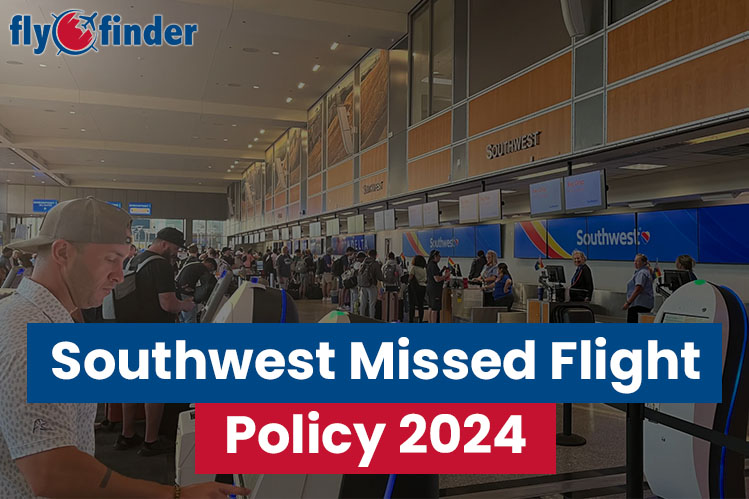
The Immediate Aftermath: Understanding Southwest’s Policies and Brand Philosophy
Southwest Airlines has cultivated a brand identity synonymous with customer friendliness, transparency, and a no-frills yet reliable travel experience. A cornerstone of their policy, which significantly impacts what happens when you miss a flight, is their famous “no change fees” rule. This policy sets them apart from many legacy carriers and can be a huge relief in a stressful situation.
The 10-Minute Rule and Beyond: Same-Day Options
When you miss your flight on Southwest, the immediate aftermath hinges on a critical timeframe. If you arrive at the airport and check in at the ticket counter or gate within ten minutes of your originally scheduled flight’s departure, Southwest typically offers a one-time courtesy standby option for the next available flight to your destination, without an additional charge. This is a crucial aspect of their customer service-oriented brand, recognizing that sometimes minor delays are unavoidable. However, this is contingent on seat availability, and you might have to wait for several flights. It’s not a guaranteed rebooking but a chance to get on a later flight to your destination.
Beyond this initial 10-minute window, or if you simply don’t make it to the airport in time, the situation changes slightly. Southwest’s policy for a “no-show” means that if you haven’t canceled your flight and don’t show up, your reservation is canceled, and the funds for that ticket are typically held as a travel credit for future use, valid for a year from the original booking date. This is where Southwest’s “no change fees” policy truly shines. Unlike airlines that might forfeit your entire ticket value or charge hefty rebooking fees, Southwest largely preserves your monetary investment, albeit as a credit. You would then need to purchase a new ticket for your desired flight, using your travel funds, and pay any difference in fare.
No Change Fees – A Southwest Brand Advantage
The “no change fees” policy is more than just a customer perk; it’s a fundamental part of Southwest’s brand strategy, fostering trust and loyalty. It significantly reduces the financial penalty associated with missed flights or last-minute itinerary changes. While you might still need to pay the fare difference if your new flight is more expensive, you won’t be hit with an arbitrary fee just for changing your plans. This contrasts sharply with many competitors who might charge $100-$200 for a change, even if the new fare is the same or lower. This policy provides a safety net, allowing travelers to manage unforeseen circumstances with greater financial flexibility.
What If It’s My Fault vs. Their Fault? (Disruption vs. Missed Flight)
It’s important to distinguish between missing a flight due to your own circumstances and a flight disruption caused by the airline. If Southwest cancels your flight, experiences a significant delay, or you miss a connecting flight due to an airline-related issue, their brand commitment ensures they will typically rebook you on the next available flight at no additional cost. They may also offer compensation, meal vouchers, or accommodation, depending on the severity and length of the delay. However, if the flight is missed due to your personal reasons (e.g., oversleeping, traffic, misreading the schedule), the policies described above apply, where the onus is on you to rebook, but with the benefit of retained travel funds.
Leveraging Technology for Rebooking and Recovery
In the age of digital connectivity, technology plays an indispensable role in mitigating the stress and logistical challenges of a missed flight. From real-time updates to seamless rebooking, smart use of tech can turn a crisis into a manageable inconvenience.
Your Smartphone: The Ultimate Travel Companion
Your smartphone isn’t just for entertainment; it’s a powerful travel management tool, especially when things go awry.
- Airline Apps: The Southwest Airlines app is your first line of defense. It provides real-time flight status updates, gate changes, and delay notifications, often before they’re announced at the airport. Crucially, in the event of a missed flight, you can use the app to check availability on later flights, potentially even initiating a same-day change (if eligible) or purchasing a new ticket using your held travel funds.
- Digital Wallets and Boarding Passes: Having your boarding pass stored digitally means one less physical item to worry about. For rapid rebooking, having payment methods securely stored in a digital wallet like Apple Pay or Google Pay can expedite the purchase of a new ticket, saving precious minutes.
- Communication Tools: Immediately upon realizing you might miss your flight, use your phone to call Southwest customer service. While the app is powerful, a direct conversation with an agent can sometimes unlock more nuanced solutions or standby options not immediately visible online. Remember, acting quickly is key.
Online Tools and AI Assistance
Beyond the airline app, a suite of online tools and emerging AI technologies can assist in recovery.
- Southwest Website: The full desktop website offers more comprehensive options than the mobile app for managing reservations, checking flight schedules, and understanding fare differences. You can easily access your “My Account” section to view travel funds from a canceled flight and apply them to a new booking.
- Flight Tracking Apps: Apps like FlightAware or FlightStats provide detailed tracking of inbound aircraft, helping you anticipate potential delays before you even leave for the airport. This proactive information can sometimes allow you to adjust your travel plans to the airport, preventing a missed flight.
- AI Chatbots and Virtual Assistants: While not yet fully autonomous for complex rebooking scenarios, airline chatbots are becoming increasingly sophisticated. They can often answer policy questions, provide basic flight information, and guide you through initial steps, freeing up human agents for more complex issues. As AI continues to evolve, we can expect these tools to play an even larger role in self-service recovery.
Digital Security Considerations
In the rush to rebook, do not compromise your digital security. When using public Wi-Fi at airports or cafes, ensure you are connected to a secure network or use a Virtual Private Network (VPN) when accessing sensitive information like your booking details or payment methods. Always verify that you are on the official Southwest Airlines website or app before entering personal or financial data. Phishing attempts targeting distressed travelers are not uncommon, so remain vigilant about the legitimacy of any links or requests for information.
The Financial Ripple Effect and Mitigation Strategies
Missing a flight, even with Southwest’s customer-friendly policies, can still carry significant financial implications. Understanding these costs and having strategies to mitigate them is a crucial aspect of responsible personal finance for travelers.
Assessing the Monetary Impact
While Southwest doesn’t charge change fees, you might still face several financial hits:
- Fare Difference: If you rebook on a later flight, especially during peak travel times or on a different day, the new ticket price could be significantly higher than your original fare. You’ll need to pay this difference.
- Accommodation and Food: If you miss the last flight of the day, you might incur costs for an unexpected overnight stay at a hotel and meals, adding substantially to your travel budget.
- Ground Transportation: Additional taxi, rideshare, or rental car costs might arise if you need to travel to or from a new airport, or if your alternative travel plans involve ground transport.
- Lost Opportunity Costs: For business travelers, missing an important meeting can have far-reaching financial consequences for their employer or their own ventures.
The Value of Travel Insurance and Credit Card Perks
This is where smart money management and pre-planning come into play.
- Travel Insurance: A comprehensive travel insurance policy can be a lifesaver. Many policies cover missed connections due to unforeseen circumstances, trip delays that result in additional accommodation costs, and even non-refundable expenses if you have to cancel your trip entirely. Carefully review the “missed connection” and “trip delay” clauses. Some policies require a minimum delay or specific reasons for coverage.
- Credit Card Travel Benefits: Many premium credit cards offer travel protection benefits that rival standalone insurance policies. These can include trip delay reimbursement, baggage delay insurance, and even emergency medical coverage. Before purchasing a separate travel insurance policy, check your credit card’s terms and conditions, as you might already have valuable coverage for missed flights and related expenses, simply by using that card to book your original flight.
Budgeting for the Unexpected
A fundamental principle of personal finance is creating an emergency fund. This concept extends to travel. When planning a trip, especially one with tight connections or inflexible schedules, it’s wise to budget for potential contingencies. Setting aside a small “travel emergency fund” can provide peace of mind. This could cover an unexpected hotel night, a pricier last-minute rebooking, or even a different mode of transport if needed. Treating travel as an investment in experience, rather than just a cost, encourages a more robust financial approach to potential disruptions.
Proactive Planning: Minimizing the Risk of Missing Your Flight
While it’s impossible to eliminate all risks, proactive planning, combined with smart use of technology and an understanding of Southwest’s brand ethos, can significantly reduce the chances of missing your flight.
Smart Scheduling and Buffer Time
One of the most effective ways to avoid missing a flight is to build in ample buffer time.
- Airport Arrival: Aim to arrive at the airport significantly earlier than the recommended two hours for domestic flights, especially during peak travel times, holidays, or if you’re checking bags. Factor in potential traffic, long security lines, and the time it takes to navigate large airports.
- Layover Times: If you have a connecting flight, resist the urge to book the shortest possible layover. A generous layover of at least 2-3 hours for domestic connections (more for international) provides a cushion for delays with your inbound flight or unforeseen issues at the airport. Southwest, unlike many airlines, operates point-to-point rather than a hub-and-spoke model, which can sometimes simplify connections, but the principle of buffer time remains vital.
- Morning Flights: Early morning flights often have a better on-time performance record than later flights, as they are less susceptible to the cascading delays that accumulate throughout the day.
Using Technology for Real-Time Updates
Technology is your ally in staying ahead of potential issues.
- Flight Notification Services: Sign up for flight status alerts directly from Southwest via text or email. These notifications are often the quickest way to learn about gate changes, delays, or cancellations.
- Traffic and Navigation Apps: Before leaving for the airport, use apps like Google Maps or Waze to check real-time traffic conditions and estimate travel time. These apps can help you choose the fastest route and alert you to unexpected delays.
- Weather Apps: Especially for winter travel or during hurricane season, keeping an eye on weather forecasts for both your departure and arrival cities can provide crucial advance warning of potential flight disruptions.
The Southwest Brand Promise: Understanding Your Options Pre-Departure
Southwest’s brand promises flexibility, and understanding their options before you even leave for the airport can be incredibly empowering.
- Same-Day Change: If you anticipate missing your flight or simply want to take an earlier one, Southwest offers same-day change options. For a fee (typically $40 for Wanna Get Away fares, or free for Anytime/Business Select fares), you can switch to an available flight on the same day as your original flight, to the same destination. Checking this option proactively can save you stress and potential rebooking costs if your original plans become untenable.
- Proactive Cancellation: If you know for certain you won’t make your flight, proactively canceling it on the Southwest app or website is always better than being a “no-show.” This immediately converts your ticket value into reusable travel funds, making the rebooking process smoother and ensuring you retain the full value of your fare.
In conclusion, while missing a flight is undeniably a frustrating experience, understanding Southwest Airlines’ policies, leveraging available technology, and adopting smart financial and planning strategies can significantly alleviate the stress and financial burden. Southwest’s unique brand of customer service, exemplified by its no change fees, offers a degree of flexibility and financial protection that is a boon to travelers. By being prepared, staying informed through technology, and understanding your options, you can transform a potential travel disaster into a manageable bump in the road, ensuring your journey continues with minimal disruption.
aViewFromTheCave is a participant in the Amazon Services LLC Associates Program, an affiliate advertising program designed to provide a means for sites to earn advertising fees by advertising and linking to Amazon.com. Amazon, the Amazon logo, AmazonSupply, and the AmazonSupply logo are trademarks of Amazon.com, Inc. or its affiliates. As an Amazon Associate we earn affiliate commissions from qualifying purchases.